The concept of Illuminati hand symbols occupies a unique intersection of pop culture, historical semiotics, and contemporary digital folklore. While the historical Order of the Illuminati was a Bavarian secret society founded in 1776 with objectives centered on Enlightenment ideals, the modern perception of their symbolism has shifted into a dense layer of media analysis and conspiracy theory. In 2026, understanding these symbols requires distinguishing between genuine historical organizational markers and the performative gestures adopted by entertainment figures and public influencers to capitalize on viral engagement.
The Evolution of Symbolic Semiotics in 2026
Modern symbolism is rarely about hidden hierarchies and more about the aesthetics of influence. In the digital landscape of 2026, symbols once attributed to secretive cabals are now frequently used as "memetic hooks." These gestures are often employed by high-profile individuals to generate social media traffic, drive algorithm interactions, and maintain a brand identity that thrives on mystery.
The primary symbols often associated with this discourse include:
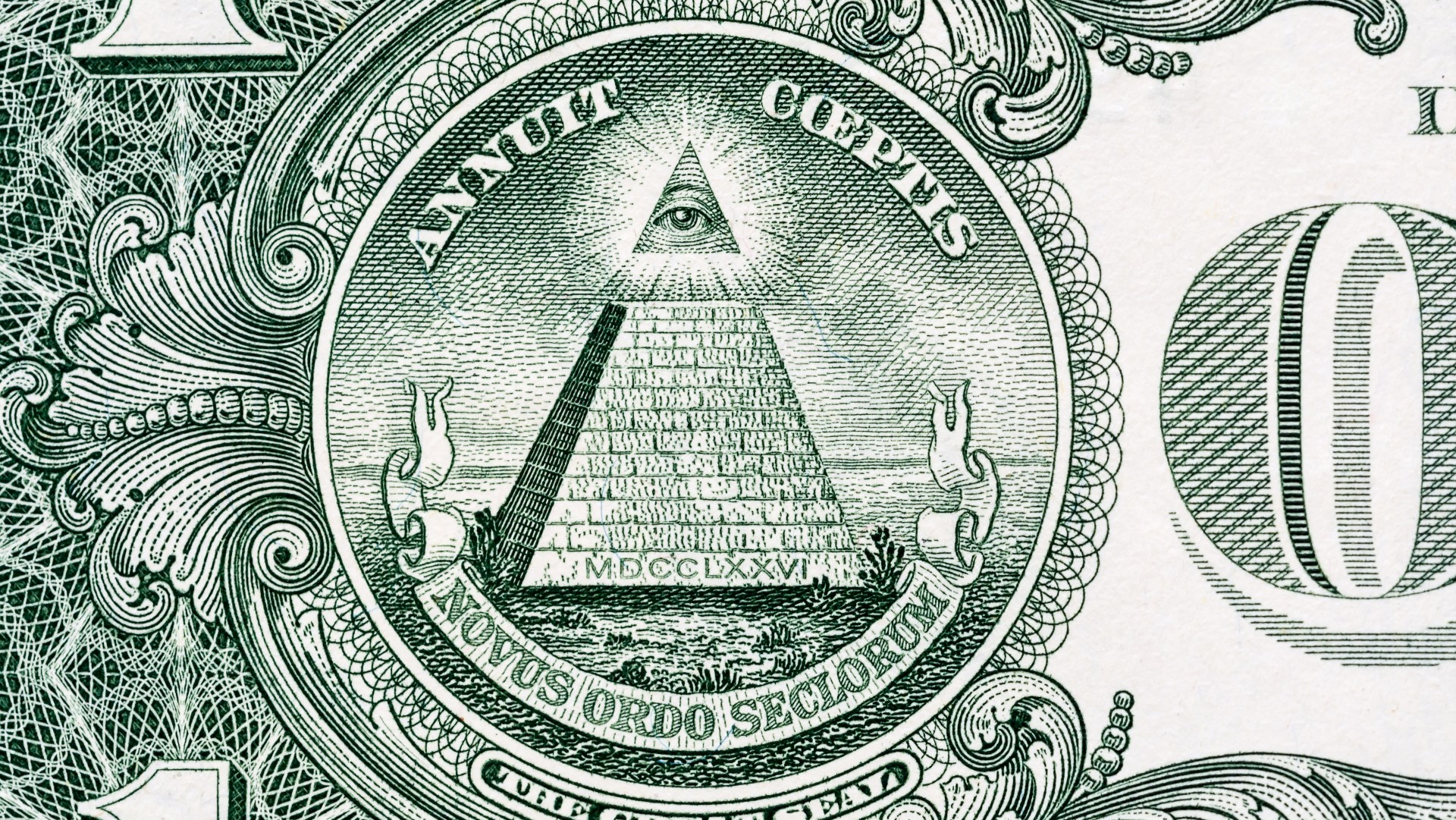
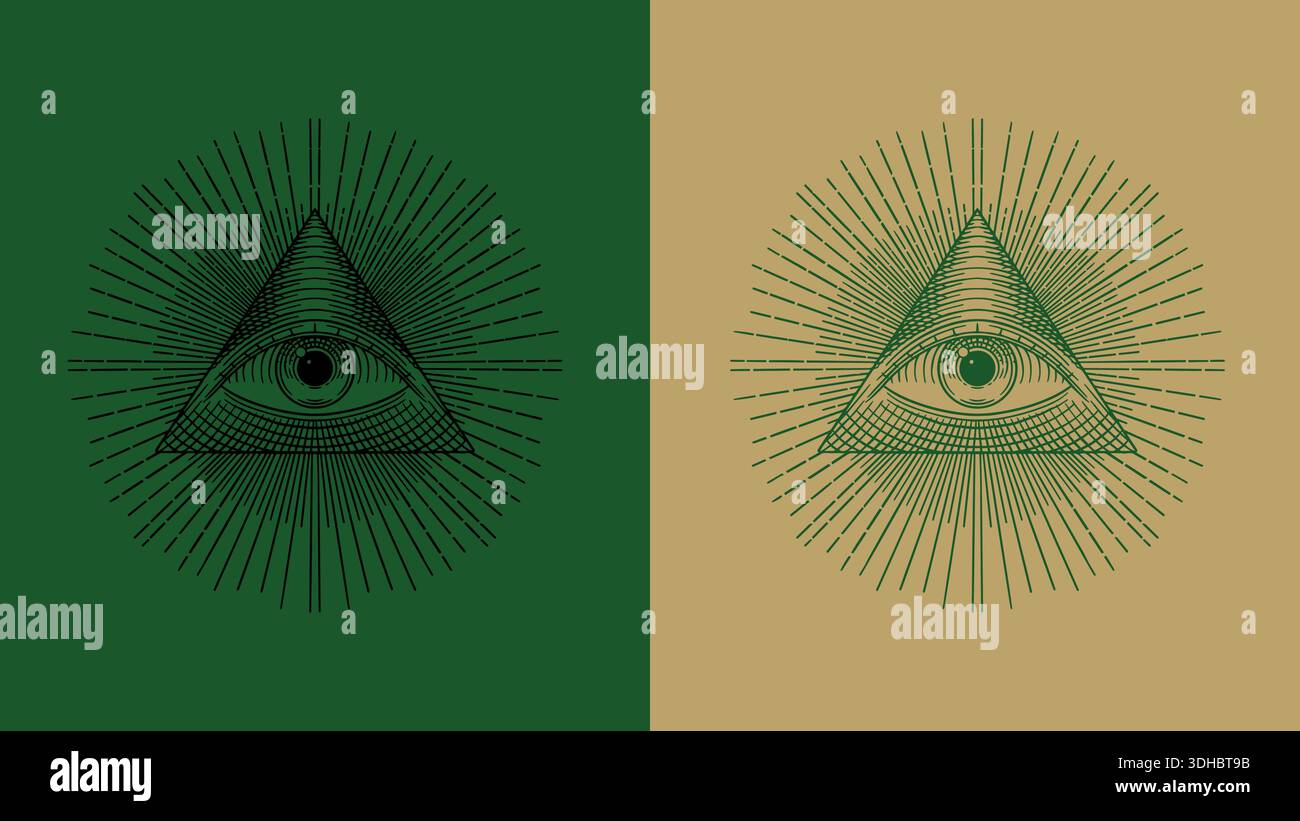
- The All-Seeing Eye (The Pyramid/Triangle Hand Sign): Traditionally representing divine providence or enlightenment, this gesture—formed by touching index fingers and thumbs to create a triangle—has been recontextualized as a tool for viral visual recognition.
- The OK Gesture/Mudras: Often misinterpreted as an exclusionary symbol, these gestures hold deep roots in yoga and meditative traditions. Their integration into mainstream media has often led to intense debate regarding intent versus perception.
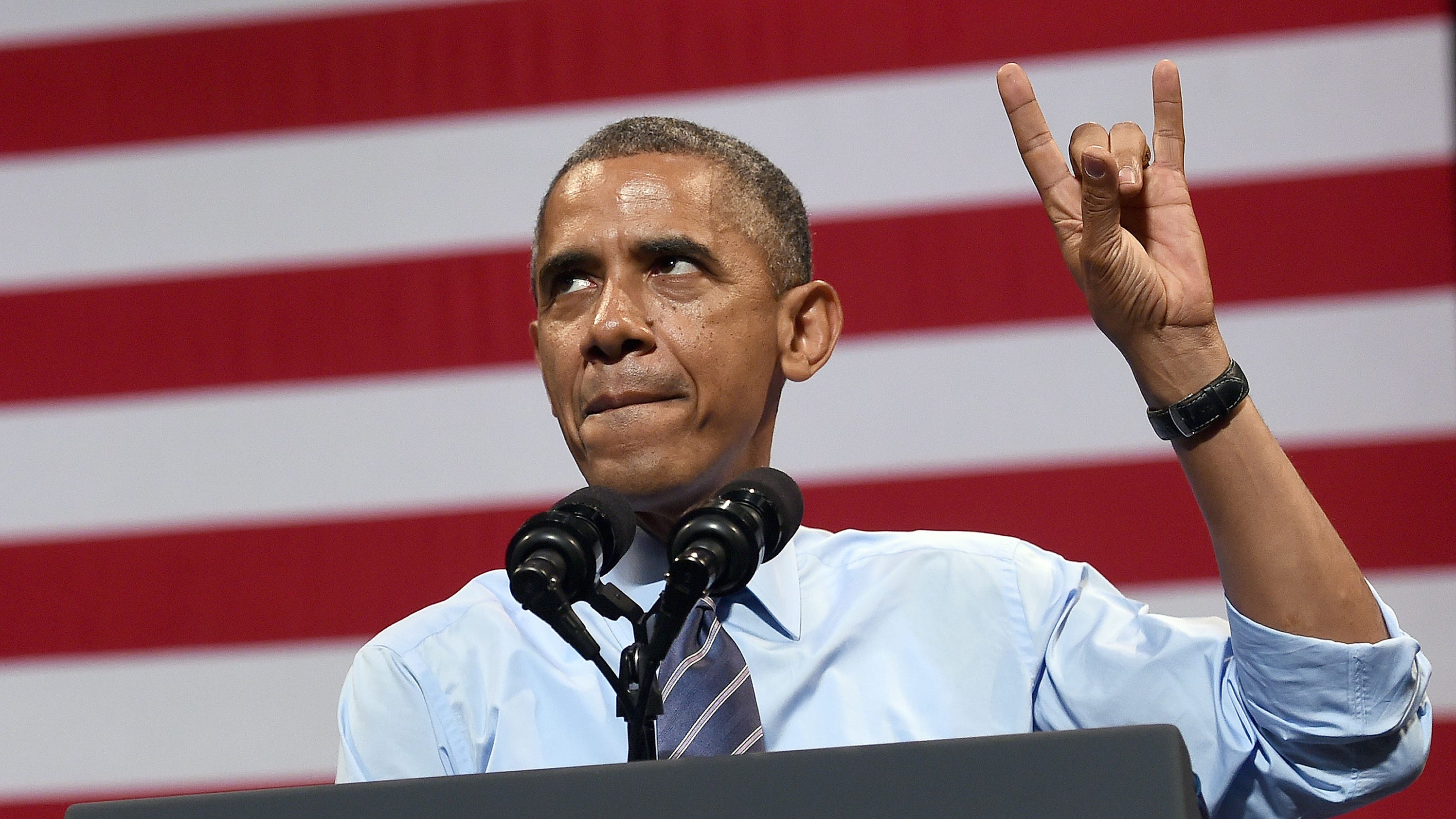
- The Horns (Sign of the Cornuto): Long associated with heavy metal culture and Italian folk traditions to ward off the "evil eye," this symbol is frequently miscategorized by contemporary audiences as a marker of esoteric affiliation.
Comparative Analysis of Historical vs. Modern Symbol Attribution
Distinguishing between established cultural symbols and the modern conspiracy-driven narrative requires an objective framework. The following table provides a technical breakdown of how these gestures are interpreted across different sectors in 2026.
| Symbol Gesture | Historical/Cultural Origin | Modern Media Context (2026) | Primary Attribution |
|---|---|---|---|
| The Pyramid | Enlightenment/Providence | Viral Engagement/Mystique | Entertainment Branding |
| The Mudra | Vedic/Yogic Traditions | Mindfulness/Focus | Spiritual/Health Practice |
| The Cornuto | Mediterranean/Musical Folk | Counter-Culture/Defiance | Musical Performance |
| Crossed Fingers | Ancient Religious Pledges | Superstition/Deception | General Idiomatic Usage |
The Mechanics of Symbolic Virality and Algorithmic Influence
From a technical perspective, these symbols serve as visual triggers for engagement algorithms. When a public figure flashes a gesture, it functions as a "data point" that triggers speculation, comment sections, and video essays. In 2026, platforms utilize computer vision to index these gestures, which often correlates with a spike in search volume.
The psychological phenomenon known as apophenia—the tendency to perceive meaningful connections between unrelated things—is the engine behind the continued search for these symbols. SEO and content creators frequently lean into this, producing "breakdowns" of music videos or speeches that deliberately feature these gestures to satisfy search intent for "secret messages."
Professional Analyst Note: Intent Versus Interpretation
The Importance of Context It is essential to understand that a gesture's meaning is dictated by the environment in which it is performed. A symbol displayed during a yoga class in a professional wellness studio in 2026 carries a vastly different technical classification than the same hand movement performed during a stage production or a televised event. Analysts must prioritize the performer's history and the production's artistic direction over reactionary speculation to maintain accuracy.
Identifying Authentic Historical Research Resources
If your interest in this subject is rooted in historical inquiry rather than modern media consumption, it is crucial to rely on vetted academic sources. Historical secret societies left behind documented archives, which are drastically different from the digitized imagery found on modern social media platforms.
- Primary Documents: Review the original correspondences of Adam Weishaupt and the Bavarian Illuminati archives currently held in German state libraries.
- Comparative Religion Journals: Consult peer-reviewed studies on the intersection of late 18th-century occultism and Enlightenment political movements.
- Peer-Reviewed Semiotics: Utilize research databases that focus on the development of sign systems in post-Revolutionary Europe.
Common Queries Regarding Symbolic Origins
Why do modern celebrities use these symbols in their performances? Most occurrences are tactical choices designed to pique curiosity and stimulate algorithmic discussion. By utilizing recognizable symbols, creators can control the narrative, maintain a mysterious brand persona, and ensure sustained digital relevance.
Are there actual secret hand signals used by global organizations in 2026? There is no empirical evidence to suggest that "secret hand signals" are used for coordination by global governance or financial bodies. Most high-level professional communication in 2026 is facilitated through encrypted digital channels and standard diplomatic or business protocols, which do not rely on esoteric hand gestures.
How can I distinguish between a meaningful symbol and a coincidental pose? Consider the frequency and the setting. A meaningful symbol would appear in contexts where it carries specific communicative weight among a group. If a gesture is used inconsistently or appears as a fleeting moment in a highly produced media project, it is statistically more likely to be an aesthetic choice than a hidden signal.
Is there a historical link between the Illuminati and modern hand signs? No. The original 18th-century organization did not document any specific, standardized hand signs for identification. The connection between the two is an invention of late 20th and early 21st-century popular culture that has become entrenched through digital repetition.
What is the impact of these conspiracies on historical understanding? The focus on speculative symbolism often obscures the actual political and philosophical contributions of the Enlightenment. By reducing historical movements to "secret symbols," the nuance of their struggle for academic freedom and constitutional governance is often lost.
Engaging with Cultural Literacy and Critical Thinking
As we navigate the informational landscape of 2026, the ability to discern the origin of visual information is a critical skill. Whether you are analyzing media for entertainment or conducting formal historical research, applying a skeptical framework is essential. If you encounter content claiming to "expose" these symbols, verify the source, analyze the intent behind the production, and seek out established historical archives rather than speculative digital commentary.
For those interested in exploring the genuine history of the Enlightenment and the individuals who shaped the political landscape of the 18th century, focusing on scholarly publications will yield a far more accurate and rewarding outcome than tracking transient symbolic trends in modern media.