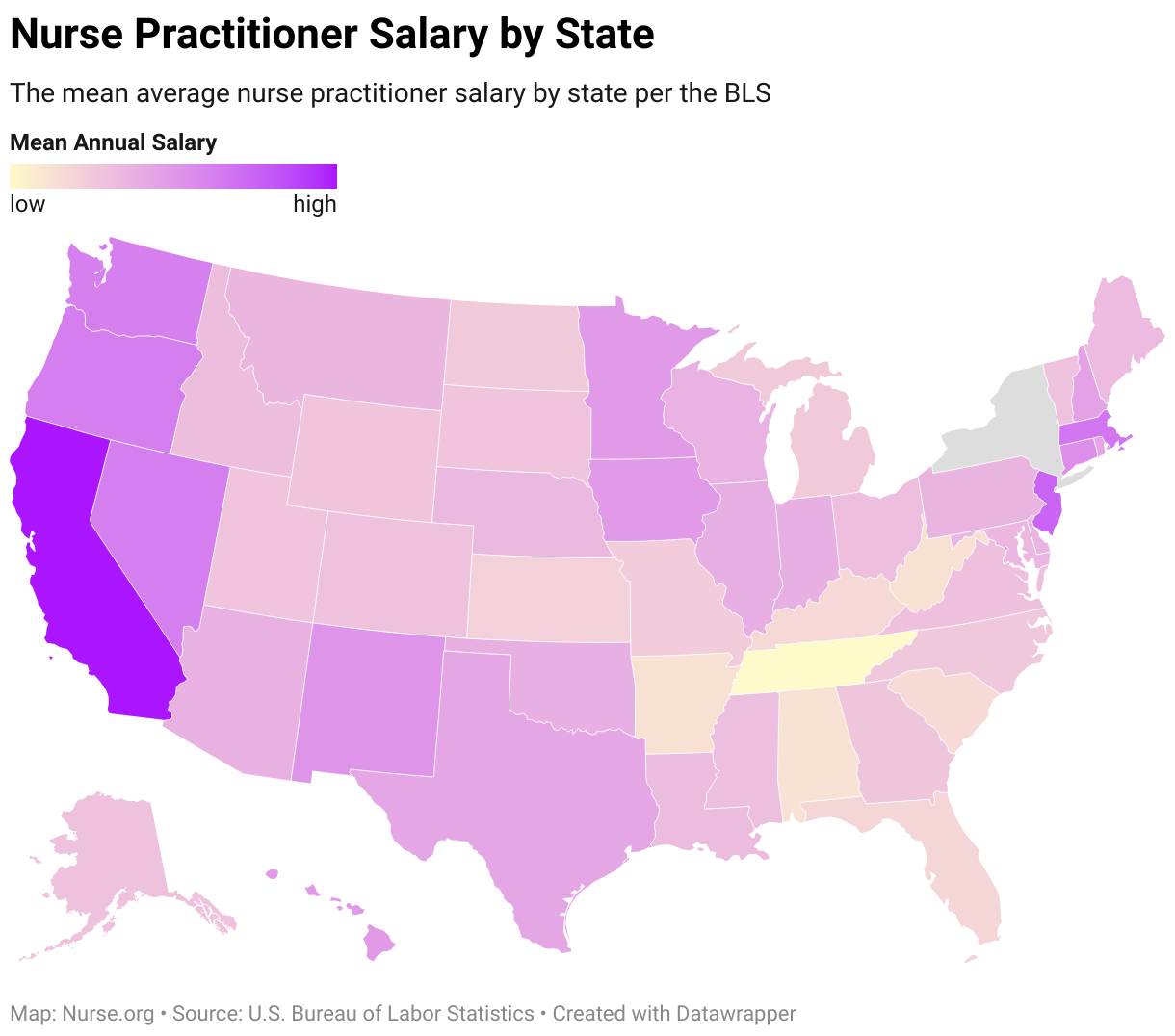
State of Tennessee salaries are public records accessible through the Transparency Tennessee portal and the Department of Human Resources. Compensation is governed by a structured pay plan that categorizes job titles into specific grades based on market data, job complexity, and required qualifications, ensuring equitable pay across various state agencies and departments.
The landscape of public sector employment in Tennessee is defined by transparency and a standardized approach to compensation. As of 2026, the state remains one of the largest employers in the region, managing a diverse workforce that ranges from park rangers and Tennessee Highway Patrol officers to administrative staff and senior executives. For job seekers, current employees, and taxpayers, understanding how these salaries are calculated, reported, and adjusted is essential for navigating the state’s professional environment.
The Legal Foundation of Salary Transparency in Tennessee
In Tennessee, the salaries of state employees are considered public information under the Tennessee Public Records Act. This law ensures that taxpayers can see how public funds are being utilized and provides a mechanism for accountability. This transparency extends beyond just base pay; it often includes bonuses, overtime, and other forms of supplemental compensation.
The primary vehicle for this transparency is the Transparency Tennessee initiative. This online portal serves as a central clearinghouse for financial data, including state contracts, expenditures, and the salaries of employees within the executive, legislative, and judicial branches. By making this data available, the state aims to foster trust and provide clear benchmarks for those looking to enter public service. It is important to note that while salary data is public, certain personal identifiers like home addresses or social security numbers remain protected under privacy laws.
The Tennessee Department of Human Resources (DOHR) Pay Plan
The Tennessee Department of Human Resources (DOHR) manages the state’s classification and compensation system. Unlike the private sector, where salaries might be negotiated individually with high variability, state salaries are generally tied to a rigid but transparent "Pay Plan."
Classification and Pay Grades
Every position within the state government is assigned a specific job classification and a corresponding pay grade. Each grade has a defined minimum, midpoint, and maximum salary.
- Minimum: The starting rate for an individual meeting the basic qualifications for the role.
- Midpoint: Often considered the "market rate," representing what an experienced professional in that role should ideally earn.
- Maximum: The upper limit for the position, typically reached through years of service or exceptional performance milestones.
Market-Based Adjustments
In recent years leading up to 2026, Tennessee has moved toward a more aggressive market-based salary structure. The DOHR regularly conducts salary surveys to compare state roles with similar positions in the private sector and local governments. This data is used to adjust pay grades during the annual budget process to ensure the state remains a competitive employer, particularly in high-demand fields like information technology, nursing, and law enforcement.
Executive Service vs. Preferred Service
A critical distinction in State of Tennessee salaries is the categorization of employees under the TEAM Act (Tennessee Excellence, Accountability, and Management Act).
Preferred Service
Preferred service employees are those who have passed a probationary period and enjoy certain protections regarding their employment status. Their salaries are strictly tied to the established pay scales of their specific job classifications. Increases for these employees are typically granted through legislative across-the-board raises or through the state’s performance-based pay cycles.
Executive Service
Executive service employees serve "at the will" of their appointing authority (such as a Commissioner or the Governor). This category includes high-level management, policy-making positions, and certain specialized roles. While these positions still follow pay grade guidelines, there is often more flexibility in the starting salary to attract top-tier talent from the private sector.
Higher Education Salaries: UT and TBR Systems
It is a common point of confusion that employees of the University of Tennessee (UT) system and the Tennessee Board of Regents (TBR) follow the same salary rules as general state employees. While they are technically state employees, these higher education systems operate with a significant degree of autonomy regarding their compensation structures.
Salaries for professors, university administrators, and athletic coaches are often much higher than those in the general executive branch. For example, the salaries of head coaches for major collegiate sports teams are frequently the highest public salaries in the state. These institutions maintain their own transparency portals or include their data in the broader state databases with specific notations.
Total Compensation: Beyond the Base Salary
When evaluating State of Tennessee salaries, focusing solely on the "gross pay" figure often misses the larger financial picture. The state provides a "Total Compensation Statement" to employees that illustrates the value of benefits which are not reflected in a standard salary search.
The Tennessee Consolidated Retirement System (TCRS)
One of the most significant components of Tennessee state compensation is the TCRS pension. Tennessee remains one of the few states with a highly rated, stable pension fund.
- Hybrid Plan: For employees hired after July 1, 2014, the state utilizes a hybrid plan that combines a defined benefit (pension) with a defined contribution (401k).
- State Match: The state typically provides a matching contribution to the 401k component, which effectively functions as a tax-advantaged salary increase.
Health and Insurance Benefits
The state covers a substantial portion of health insurance premiums for employees. In 2026, the value of this "employer-paid" portion can range from $8,000 to over $20,000 annually, depending on the coverage tier (individual vs. family). When comparing a state salary of $50,000 to a private-sector salary, one must account for the fact that the state employee likely pays significantly less out-of-pocket for premium healthcare.
Estimated Salary Ranges by Job Category (2026)
The following table provides an overview of estimated annual salary ranges for common state positions. These figures represent the typical spread from entry-level to experienced roles within the general service pay plan.
| Job Category | Typical Entry Salary | Mid-Range (Market) | Maximum Range |
|---|---|---|---|
| Administrative Assistant | $36,000 | $48,000 | $62,000 |
| Correctional Officer | $44,000 | $52,000 | $68,000 |
| Social Service Worker | $42,000 | $55,000 | $75,000 |
| Environmental Specialist | $50,000 | $68,000 | $92,000 |
| IT Systems Administrator | $65,000 | $88,000 | $115,000 |
| Registered Nurse (Public Health) | $62,000 | $82,000 | $108,000 |
| Civil Engineer | $70,000 | $95,000 | $130,000 |
| Attorney (General Counsel) | $85,000 | $115,000 | $160,000 |
Note: These ranges are estimates based on the 2025-2026 fiscal year pay scales and vary significantly based on specific agency budgets and geographic location supplements.
Factors That Influence Individual Salary Growth
While the pay grade sets the boundaries, several factors determine where an individual falls within that range and how quickly their salary grows over time.
- Performance-Based Increases: Tennessee has moved away from automatic "step increases" based solely on longevity. Instead, the state emphasizes a performance management system where employees receiving higher ratings during their annual reviews may be eligible for larger percentage increases, provided the legislature has funded the "performance pool" for that year.
- Promotional Increases: Moving from a "Level 1" to a "Level 2" in a job series (e.g., Accountant 1 to Accountant 2) typically triggers a salary increase, often 7% to 10%, or a move to the minimum of the new grade, whichever is higher.
- Educational Incentives: In certain departments, such as Law Enforcement or Education, obtaining advanced degrees or specialized certifications can result in "one-time" bonuses or permanent salary augmentations.
- Legislative Cost of Living Adjustments (COLA): During years of budget surpluses or high inflation, the Tennessee General Assembly may approve a flat percentage increase for all state employees to maintain purchasing power.
How to Search for Specific Salaries
To find the salary of a specific State of Tennessee employee or to research the pay for a job you are applying for, follow these steps:
- Access the Transparency Tennessee Portal: Navigate to the official state website and locate the "Transparency" or "Open Government" section.
- Use the "State Employee Salaries" Search Tool: This tool typically allows you to filter by name, department, or job title.
- Review the Fiscal Year Data: Ensure you are looking at the most recent data (FY 2025 or 2026). Salaries are updated periodically, usually following the conclusion of a quarter.
- Check Agency-Specific Listings: For positions within the Tennessee Bureau of Investigation (TBI) or specialized judicial roles, you may need to look at specific departmental reports if they are redacted from the general search tool for security reasons.
Common Misconceptions About Tennessee State Pay
There are several myths regarding public sector pay in the Volunteer State that can lead to confusion for those analyzing salary data.
- "All state employees make the same for the same title." While the range is the same, an employee in a high-cost area like Nashville or Memphis may occasionally receive different supplemental pay or simply be higher in the range due to local market competition compared to a rural county.
- "The Governor is the highest-paid employee." This is false. While the Governor’s salary is substantial, it is capped by statute and is often far lower than university presidents, medical directors at state hospitals, or investment officers for the TCRS.
- "Salaries are negotiated like the private sector." For the vast majority of "Preferred Service" roles, there is very little room for negotiation. The salary is set by the DOHR based on the applicant's verified prior experience and education relative to the pay grade.
The Impact of Geographic Location
Nashville, as the state capital, houses the highest concentration of state employees. Because the cost of living in Middle Tennessee has risen sharply between 2020 and 2026, the state has had to implement specific "locality" considerations. While not a formal "locality pay" system like the federal government, the state often places positions in higher pay grades if the role is primarily located in Nashville to offset housing costs and retain staff who might otherwise flee to the private sector.
Frequently Asked Questions
Are State of Tennessee salaries updated in real-time?
No. The public salary databases are typically updated on a scheduled basis, often quarterly or annually. If an employee receives a promotion or a raise in March, it may not appear in the public search tool until the next data upload cycle.
Do these salaries include overtime and bonuses?
The Transparency Tennessee portal usually lists "Base Salary" and "Total Gross Pay." The total gross pay figure includes overtime, bonuses, and any other taxable compensation earned during the fiscal year. This is why some employees, particularly in correctional services or nursing, may show a gross pay significantly higher than their base salary.
Can I see the salaries of local county or city employees on the state portal?
Generally, no. The state portal is for state-level employees. Local municipal employees (like city police or county clerks) are managed by their respective local governments. Some counties participate in state-wide reporting, but most maintain their own separate transparency records.
How does Tennessee’s pay compare to neighboring states?
Tennessee generally positions its salaries to be competitive with the "SECCA" (Southeastern Compensation and Classification Association) average. While it may not always lead in base pay compared to states like Georgia or North Carolina, the lack of a state income tax often results in higher take-home pay for Tennessee employees.
Are contractor salaries public?
While the total amount of a state contract is public record, the individual salaries of people working for a private vendor contracted by the state are generally not public information. Only direct employees on the state payroll are subject to individual salary disclosure.
Recommendations for Job Seekers and Researchers
If you are evaluating a career with the State of Tennessee, do not look at the salary in a vacuum. Utilize the DOHR "Benefits Calculator" to see the impact of the TCRS pension and health insurance on your long-term wealth. For researchers, always cross-reference the "Base Pay" with "Total Gross" to understand the true cost of labor within specific departments.
For those currently in the application process, the best resource is the State of Tennessee Careers portal, which lists the specific "hiring range" for every active vacancy. This range is often narrower than the full pay grade, representing what the agency is actually authorized to pay a new hire given their current budget.