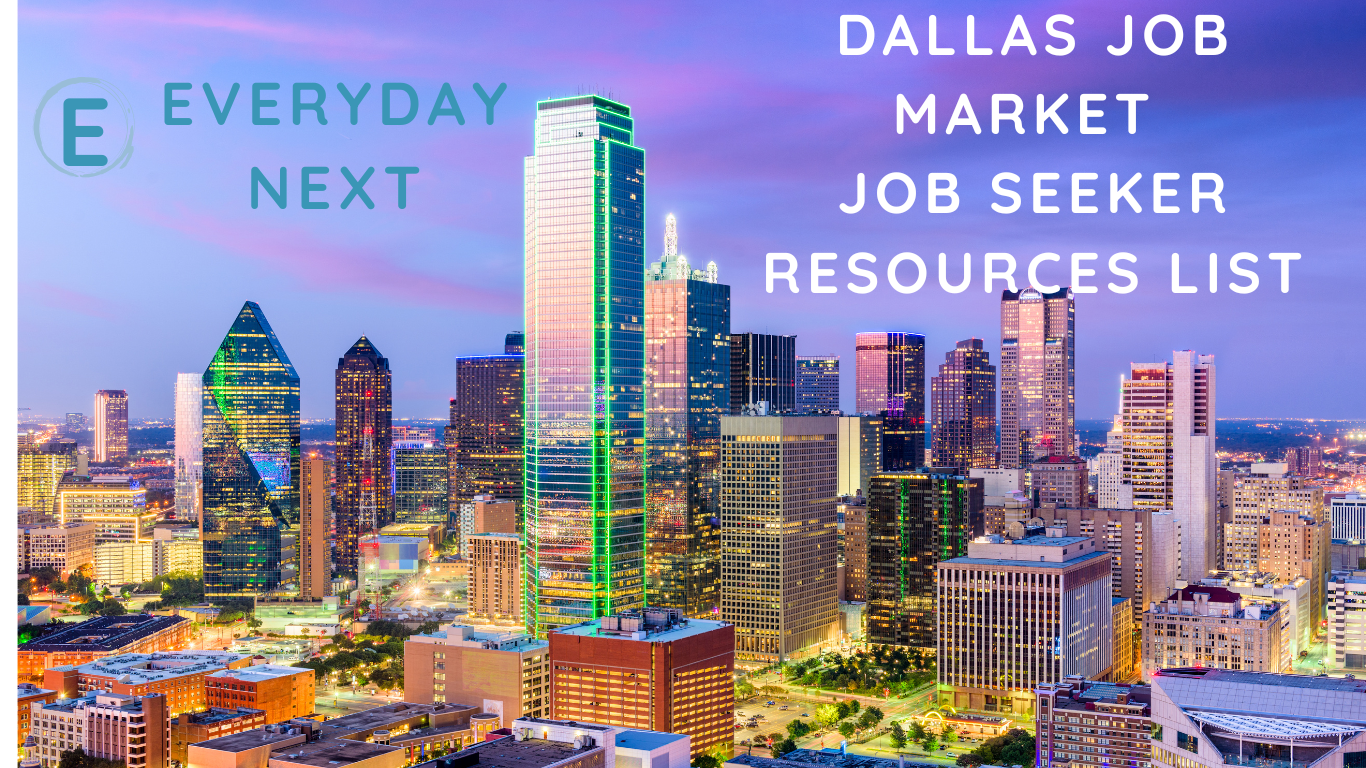
Securing employment in the Dallas-Fort Worth (DFW) metropolitan area requires understanding its sprawling economic landscape, major employment sectors, and competitive hiring practices. As a dynamic hub for corporate headquarters, technology, healthcare, and logistics, the region offers diverse career paths, though navigating its distinct sub-markets demands a targeted, well-prepared approach.
The Dallas-Fort Worth employment market is one of the most robust economic engines in the United States, characterized by consistent job growth, a business-friendly regulatory environment, and a rapidly expanding population. Whether you are relocating to North Texas or looking to transition within the local economy, understanding where the opportunities lie, how local employers recruit, and what credentials are in highest demand will significantly streamline your professional search. This guide provides a comprehensive overview of the Dallas job market, major industries, strategic search methods, and practical steps to secure employment in 2026.
Economic Overview of the Dallas-Fort Worth Metroplex
The Dallas-Fort Worth metroplex functions as a decentralized economic powerhouse. Unlike single-core cities where employment is concentrated entirely downtown, DFW comprises multiple major commercial nodes, including Uptown and Downtown Dallas, the Legacy business park in Plano, Las Colinas in Irving, the Alliance corridor in North Fort Worth, and Richardson’s Telecom Corridor.
This geographic dispersion means that your job search must account for commuting patterns and regional specialization. For example, financial services and corporate legal practices cluster heavily in Downtown and Uptown Dallas, while telecommunications and hardware engineering are historically rooted in Richardson and Plano. Meanwhile, logistics, aviation, and manufacturing anchor the western portions of the metroplex closer to the Dallas/Fort Worth International Airport (DFW) and AllianceTexas.
Population Growth and Labor Force Dynamics
North Texas continues to experience significant net migration, attracting professionals from across the United States due to the absence of a state personal income tax, a comparatively lower cost of living relative to coastal markets, and a steady stream of corporate relocations.
This influx expands the labor pool, increasing competition for entry-level and mid-management roles while driving high demand for specialized talent in healthcare, technology, and advanced manufacturing. Employers in the region frequently emphasize cultural fit, adaptability, and cross-functional skills alongside traditional technical qualifications.
Major Industries and High-Demand Sectors
Understanding which industries drive the local economy allows job seekers to align their skills with market demand. The DFW economy is diversified, shielding it from sector-specific downturns and creating resilient employment pipelines.
| Industry Sector | Primary Geographic Hubs | Key Roles & High-Demand Skills |
|---|---|---|
| Financial Services | Downtown Dallas, Uptown, Plano | Risk Analysis, FinTech, Wealth Mgmt |
| Technology & Telecom | Richardson, Plano, Frisco | Software Dev, Cloud Architecture |
| Healthcare & Biotech | Medical District (Dallas), Plano | Nursing, Health Administration |
| Logistics & Supply Chain | AllianceTexas, DFW Airport, Grand | Supply Chain Analytics, Operations |
| Corporate Headquarters | Irving, Plano, Frisco, Dallas | Project Mgmt, Corporate Strategy |
Financial Services and Insurance
Dallas is a major national banking and financial center, housing significant operations for institutions such as JPMorgan Chase, Bank of America, Wells Fargo, and Charles Schwab, alongside a massive footprint of regional community banks and private equity firms.
High-demand roles in this sector include commercial lending officers, financial analysts, risk management specialists, compliance auditors, and software engineers specializing in financial technology (FinTech). Candidates entering this space benefit from holding recognized certifications such as the CFA (Chartered Financial Analyst) or CPA (Certified Public Accountant).
Information Technology and Telecommunications
The Telecom Corridor in Richardson and the sprawling tech campuses in Plano and Frisco host a mix of legacy tech giants and nimble software firms. Cybersecurity, cloud computing (AWS, Azure, Google Cloud), full-stack software development, and artificial intelligence integration are central drivers of hiring within this domain.
Local employers often struggle to find enough senior-level engineers and systems architects, creating opportunities for remote and hybrid professionals willing to relocate or commute to North Texas tech hubs.
Healthcare and Life Sciences
The healthcare sector is an unyielding source of employment stability in Dallas. Major healthcare systems—such as UT Southwestern Medical Center, Baylor Scott & White Health, Texas Health Resources, and Parkland Health—employ tens of thousands of clinical and administrative personnel.
Beyond registered nurses (RNs) and specialized physicians, there is robust demand for health informatics professionals, medical billing and coding specialists, clinical research coordinators, and healthcare facility administrators.
Transportation, Logistics, and Aviation
Driven by its strategic geographic location, extensive freight rail networks, and major aviation infrastructure, Dallas-Fort Worth is a premier global logistics hub. Companies like American Airlines (headquartered near DFW Airport), FedEx, and Amazon anchor an extensive network of distribution centers and corporate supply chain offices.
Candidates with expertise in supply chain optimization, transportation management systems (TMS), warehouse automation engineering, and international trade compliance find a wealth of operational and leadership opportunities here.
Strategic Approach to Finding a Job in Dallas
Executing a successful job search in a competitive metropolitan market requires more than submitting resume applications through online job boards. It requires a structured, multi-channel approach.
Leveraging Local Professional Networks
Networking remains one of the most effective channels for securing employment in Dallas. The business community is active, highly collaborative, and driven by industry-specific associations.
- Industry Associations: Engage with local chapters such as the Dallas Regional Chamber, Tech Titans, the Financial Executives International (FEI) Dallas Chapter, or the Dallas HR professional association.
- Meetups and Conferences: Attend local technology meetups, industry-specific breakfast briefings, and regional trade shows hosted at venues like the Kay Bailey Hutchison Convention Center.
- Alumni Networks: Universities such as the University of Texas at Dallas (UTD), Southern Methodist University (SMU), the University of North Texas (UNT), and the University of Texas at Arlington (UTA) maintain robust local alumni networks that frequently host career fairs and networking mixers.
Optimizing Application Materials for the Local Market
Dallas employers often utilize automated applicant tracking systems (ATS) to screen resumes before human recruiters review them. To ensure your application passes initial filters:
- Tailor Keywords: Integrate specific technical skills, software proficiencies, and industry terminology mentioned in the job description directly into your resume summary and work history.
- Highlight Quantifiable Achievements: Focus on metrics-driven results—such as revenue generated, costs reduced, processes optimized, or team sizes managed—rather than mere job duties.
- Address Location and Relocation: If you reside outside the DFW area, clearly state your relocation timeline or confirm whether you already have housing secured in North Texas to alleviate employer concerns regarding onboarding delays.
Navigating Compensation, Cost of Living, and Benefits
Evaluating a job offer in Dallas requires weighing salary figures against local economic realities, transportation expenses, and state tax structures.
Texas Tax Environment
One of the primary financial advantages of working in Texas is the absence of a state personal income tax. While property taxes and sales taxes exist, the lack of state income tax generally results in higher take-home pay compared to equivalent salaries earned in states like California, New York, or Illinois.
Cost of Living Considerations
While Dallas is more affordable than coastal metropolitan areas, rapid population growth over the past decade has driven up housing costs, particularly in desirable suburban school districts such as Plano, Frisco, Southlake, and Highland Park, as well as trendy urban neighborhoods like Deep Ellum, Bishop Arts, and the Knox-Henderson area.
Commuting costs should also be factored into your financial planning. The DFW metroplex is geographically massive, and many residents experience significant daily commutes via major thoroughfares such as Interstate 635 (LBJ Freeway), Interstate 35E, the Dallas North Tollway, and President George Bush Turnpike. Evaluating whether a prospective employer offers hybrid work arrangements or proximity to your preferred residential area is critical for long-term job satisfaction.
Common Pitfalls in the Dallas Job Search
Job seekers unfamiliar with the North Texas market frequently encounter specific obstacles that can stall their progress. Avoiding these common mistakes will keep your search efficient and focused.
- Underestimating Geographic Spread: Assuming you can easily commute from Fort Worth to Richardson daily is a common geographical error. Always map out potential commute times during peak traffic hours before accepting an offer.
- Neglecting Local Corporate Culture: While Dallas business culture is warm and relationship-driven, it also values professionalism, punctuality, and executive presentation. Striking the right balance between southern hospitality and corporate polish during interviews is essential.
- Relying Solely on Cold Submissions: Mass-submitting resumes to online portals without tailoring your profile or seeking internal referrals rarely yields results in competitive corporate environments. Combine digital applications with direct outreach to hiring managers and recruiters.
Frequently Asked Questions About Working in Dallas
What are the dominant industries driving job growth in Dallas?
Dallas experiences steady job growth across financial services, information technology, healthcare, corporate headquarter operations, and logistics. The presence of major corporate campuses and robust medical centers ensures continuous demand across both technical and administrative disciplines.
Does Texas have a state income tax?
No, Texas does not levy a personal income tax. This structure allows workers to retain a higher percentage of their gross earnings, though local property and sales taxes apply.
How important is living close to your workplace in DFW?
Because the Dallas-Fort Worth metroplex spans thousands of square miles with heavy highway traffic during peak hours, minimizing commute distance or securing a hybrid work schedule significantly improves daily quality of life and work-life balance.
What are the best networking resources for professionals moving to Dallas?
Joining the Dallas Regional Chamber, attending industry-specific meetups, engaging with local university alumni associations, and utilizing professional groups on LinkedIn are highly effective ways to establish a local network.
Are remote and hybrid work models common among Dallas employers?
Yes, many corporate headquarters and technology firms in the DFW area offer hybrid work arrangements, typically requiring two to three days in the office per week, though policies vary widely by sector and specific company leadership.
Next Steps for Your Dallas Job Search
Begin your transition into the Dallas labor market by auditing your professional portfolio, updating your LinkedIn profile to signal availability in the DFW area, and identifying three to five target companies or industries that align with your career trajectory. Research local networking events, connect with regional recruiters specializing in your niche, and tailor your application materials to reflect the fast-paced, growth-oriented priorities of North Texas employers.