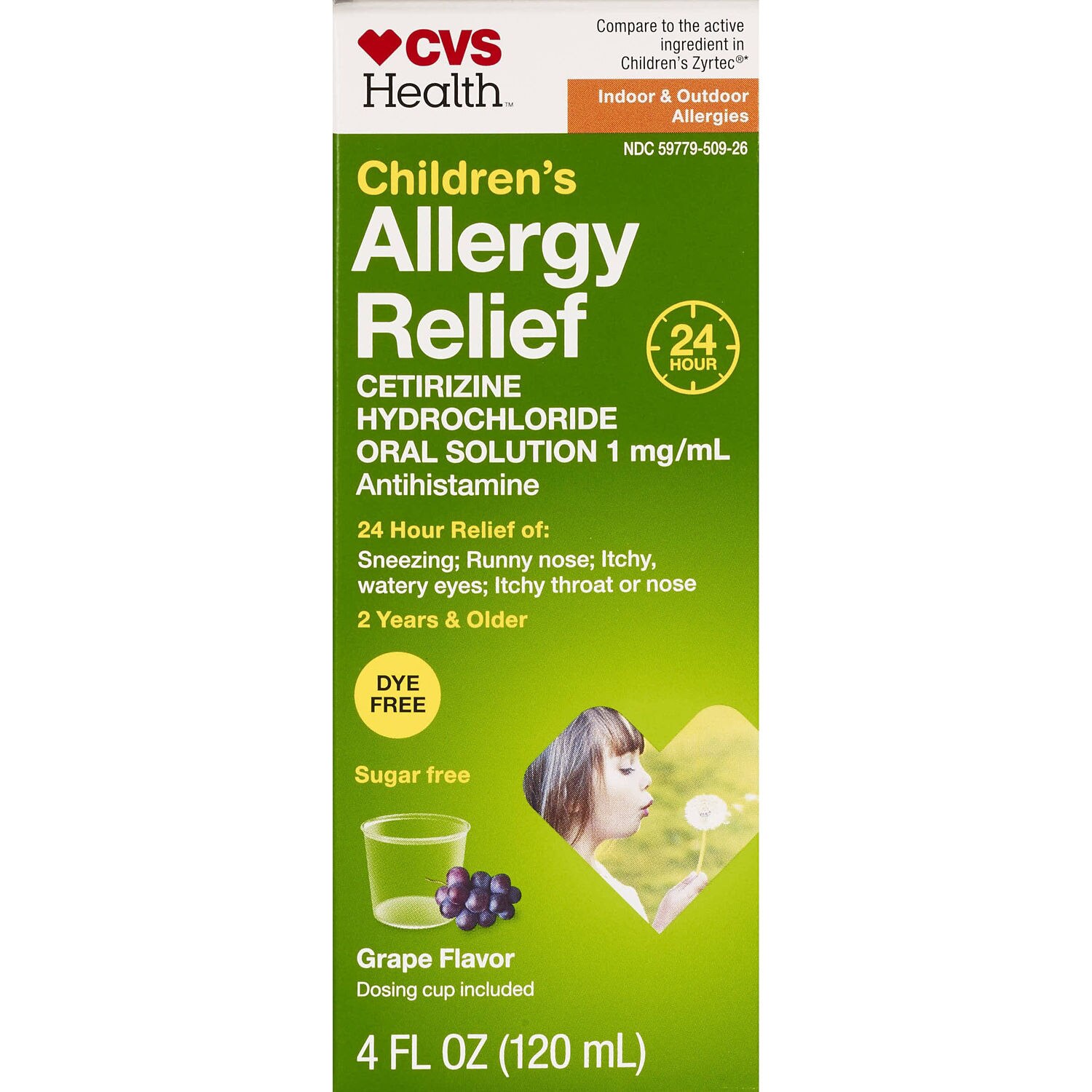
Navigating the CVS OTC Health Solutions program in 2026 requires a thorough understanding of Medicare Advantage, managed Medicaid, and employer-sponsored supplemental health benefits. CVS Health's dedicated business segment for over-the-counter benefits bridges the gap between everyday wellness maintenance and out-of-pocket medical savings for millions of eligible plan members nationwide.
Understanding the CVS OTC Health Solutions Ecosystem in 2026
The CVS OTC Health Solutions program functions as a specialized administrator for health plans that offer supplemental over-the-counter (OTC) benefits. Eligible members receive a dedicated allowance—typically loaded onto a branded benefit card monthly or quarterly—to purchase eligible health and wellness products without a prescription.
In 2026, the program integrates more tightly with digital health tracking systems, enabling members to manage their allowances through mobile applications, online member portals, and integrated point-of-sale systems at thousands of retail pharmacies.
Core Product Categories Available Through the Benefit
- Pain Management & Relief: Topical analgesics, oral pain relievers, and heating pads designed for chronic and acute symptom management.
- First Aid & Wound Care: Adhesive bandages, antiseptic wipes, gauze pads, medical tape, and specialized burn treatments.
- Diagnostic & Monitoring Devices: Blood pressure monitors, digital thermometers, blood glucose test strips, and pulse oximeters.
- Digestive Health: Antacids, laxatives, anti-diarrheal medications, and fiber supplements.
- Cold, Cough, & Flu: Decongestants, expectorants, throat lozenges, and saline nasal sprays.
- Incontinence & Personal Care: Protective underwear, bed pads, specialized skincare cleansers, and barrier creams.
- Vitamins & Dietary Supplements: Multivitamins, calcium supplements, targeted mineral formulas, and herbal products recommended by clinical guidelines.
Eligibility, Allowance Structures, and Accumulation Rules
Qualifying for the CVS OTC Health Solutions program depends entirely on the specific terms dictated by your insurance carrier, such as Aetna, Anthem, Humana, or participating managed Medicaid organizations. Because benefits do not originate directly from CVS, but rather through your insurer's contract with CVS Health, coverage terms vary significantly.
Allowance Lifecycles and Rollover Policies
- Frequency of Distribution: Most health plans distribute allowances on a monthly or quarterly basis (e.g., January 1, April 1, July 1, October 1).
- Use-It-Or-Lose-It Mandate: The vast majority of insurance contracts mandate that unused funds do not roll over from one period to the next. Failing to spend your allocation within the designated timeframe results in the forfeiture of those funds.
- Maximum Benefit Limits: Annual caps range widely from $300 to over $1,500 depending on the richness of your specific Medicare Advantage plan's Star Rating and supplemental benefit package.
Approved Shopping Channels for 2026
Cardholders enjoy multiple frictionless pathways to redeem their allowances, ensuring accessibility regardless of mobility or geographic proximity to physical retail locations.
Retail Storefronts
Members can visit any participating retail location—including CVS Pharmacy, CVS Pharmacy at Target, and select regional retail partners. At the checkout counter, the cashier scans your eligible items, and you swipe your OTC benefit card. The system automatically separates eligible OTC items from non-eligible items, prompting a secondary payment method for ineligible merchandise.
Online Ordering Portal
The official CVS OTC Health Solutions online portal allows members to browse an extensive catalog of pre-approved products delivered directly to their doorstep with zero shipping fees.
Important Shipping Note for Online Orders Delivery Timelines: Standard shipments typically arrive within 5 to 7 business days. Members should submit orders well before benefit expiration dates to ensure funds apply to the correct active allowance cycle.
Telephone Orders and Catalog Mail-In
For members who prefer analog methods or lack reliable high-speed internet access, dedicated customer service call centers remain fully operational in 2026. Representatives guide callers through product availability, confirm eligibility by reading item SKU numbers, and process orders over the phone.
Comparison of Redemption Channels
| Redemption Channel | Convenience Factor | Speed of Access | Product Variety | Best Suited For |
|---|---|---|---|---|
| Physical CVS Stores | Moderate | Immediate (Instant) | Limited to shelf stock | Urgent needs (first aid, acute pain relief) |
| Online Portal | High | 5-7 Business Days | Maximum catalog depth | Bulk ordering, heavy items (incontinence supplies) |
| Phone / Mail Catalog | Moderate | 7-10 Business Days | Moderate catalog depth | Members without internet access |
Step-by-Step Guide: How to Activate and Use Your CVS OTC Card
Maximizing your allowance without administrative friction requires following a structured activation and shopping protocol.
- Activate Your New Card: Upon receiving your card in the mail, call the activation number printed on the back or visit the designated member web portal to create a secure login.
- Review Your Plan Catalog: Download or request the 2026 product catalog specific to your insurance plan. Note that universal CVS items may differ from what your specific insurer approves.
- Verify Item Eligibility: Look for the "OTC" or "OTC Health Solutions" indicator on price tags in-store, or search using the online portal's eligibility filter to prevent out-of-pocket surprises at checkout.
- Complete the Transaction: Present your benefit card before other payment forms at the register, or apply the card number directly into the payment gateway during online checkout.
- Monitor Your Balance: Check your remaining balance on your receipt, online portal dashboard, or by calling the dedicated customer service line to plan future purchases.
Advantages and Disadvantages of the Program
Evaluating the operational realities of the CVS OTC Health Solutions framework highlights distinct operational trade-offs for consumers.
Pros
- Out-of-Pocket Savings: Significantly reduces monthly expenses on essential maintenance medications, vitamins, and first-aid supplies.
- Multiple Access Channels: Offers flexibility via retail stores, digital web portals, home delivery, and telephone ordering.
- Automatic Item Filtering: Point-of-sale systems automatically recognize eligible items, eliminating guesswork at the register.
- Proactive Wellness Support: Encourages preventative self-care, managing minor ailments before they escalate into high-cost clinical interventions.
Cons
- Strict Exclusions: Non-qualifying items (such as cosmetics, general groceries, and non-approved medications) cannot be purchased using the card, causing confusion at checkout.
- Strict Forfeiture Rules: Inability to roll over unused quarterly or monthly balances creates pressure to spend funds impulsively.
- Inventory Variability: Local brick-and-mortar CVS locations frequently experience out-of-stock issues for specialized items listed in mail catalogs.
- Restricted Retail Network: While CVS stores are ubiquitous, shopping is heavily siloed within the CVS ecosystem, limiting brand and retailer choices.
Frequently Asked Questions
What happens to my unused CVS OTC allowance at the end of the month or quarter?
Unused balances expire immediately at the end of your designated benefit period because standard health plans do not allow funds to roll over. It is vital to utilize your full allowance before each period concludes to maximize your plan value.
Can I purchase everyday groceries or fresh food with my CVS OTC card?
Standard OTC Health Solutions cards cannot be used to purchase general groceries unless your specific Medicare Advantage plan explicitly includes a dual-purpose Special Supplemental Benefit for the Chronically Ill (SSBCI) or a combined Healthy Foods card. Always verify your specific plan's benefit breakdown.
What should I do if my card is declined at the cash register?
Check your remaining balance via the online portal or call customer service to verify that the items in your basket are explicitly approved under your plan's unique 2026 catalog. If an item is non-eligible, it must be paid for using a standard credit, debit, or cash payment method.
Can I use my CVS OTC card at non-CVS retail stores like Walgreens or Walmart?
No, the CVS OTC Health Solutions benefit is primarily restricted to CVS Pharmacy locations, participating online portals, and designated affiliate partners contracted with your specific insurance provider.
How do I obtain a replacement card if my original benefit card is lost or stolen?
Contact your insurance provider's customer service department or the dedicated CVS OTC Health Solutions support line immediately to report the card lost and request a secure replacement mailed to your home address.
Conclusion and Next Steps
The CVS OTC Health Solutions program for 2026 offers an exceptional mechanism for eligible health plan members to reduce daily health and wellness expenses. By understanding your plan's exact allowance structure, verifying product eligibility prior to checkout, and utilizing the most convenient shopping channel for your lifestyle, you can extract maximum value from your supplemental benefits. Review your current insurance documentation today to confirm your active allowance limits and begin planning your health purchases for the upcoming benefit cycle.