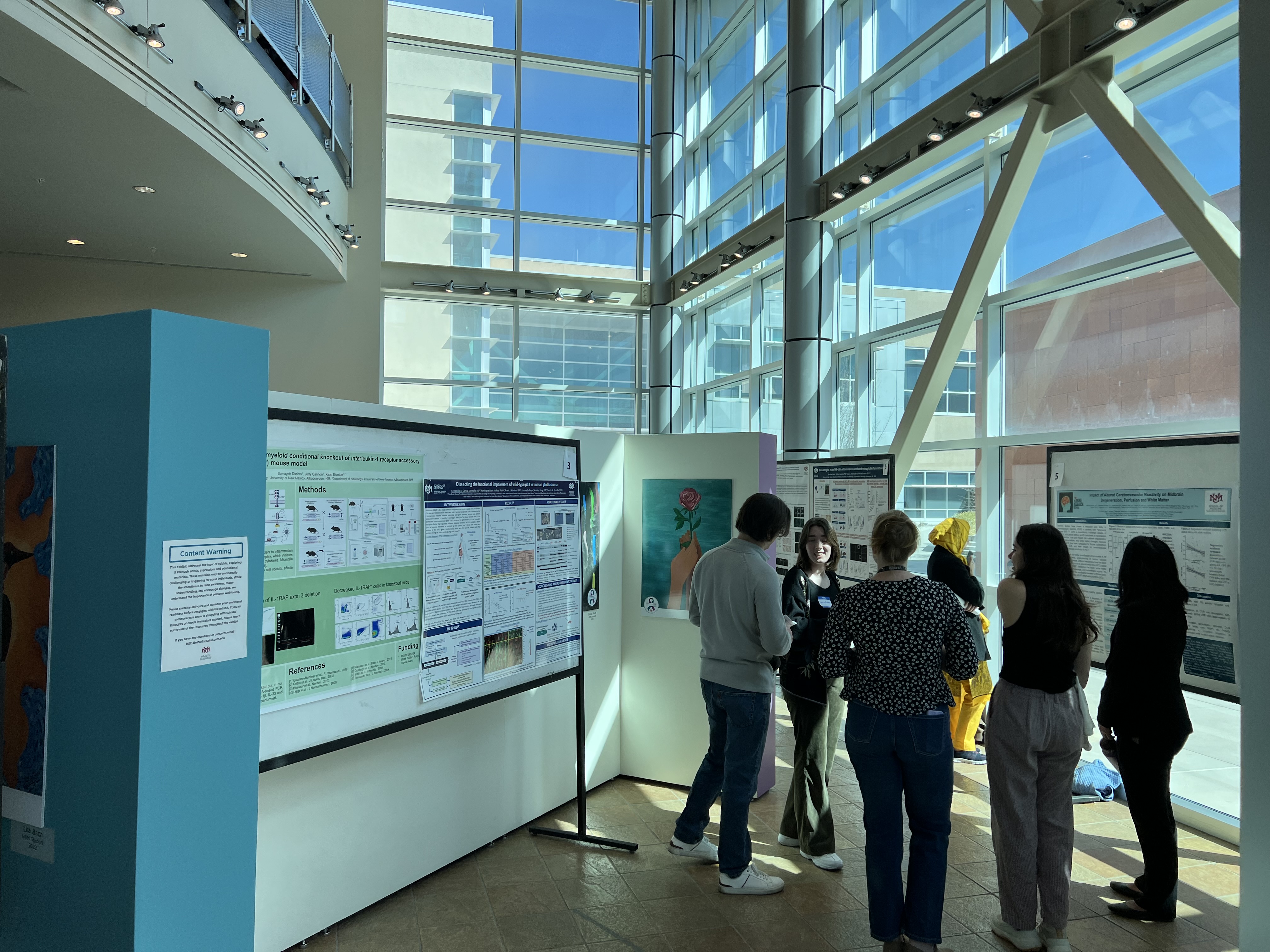
The University of New Mexico Health Sciences Library and Informatics Center (HSLIC) serves as the primary information hub for the UNM Health Sciences Center, located on the main north campus in Albuquerque, New Mexico. For students, clinicians, researchers, and community healthcare professionals, understanding how to maximize HSLIC's physical spaces, digital collections, and expert services is essential for academic and clinical success. This guide explores the resources, operational frameworks, and practical strategies required to navigate the UNM HSC Library effectively in 2026.
Comprehensive Infrastructure and Core Services of UNM HSLIC
The Health Sciences Library and Informatics Center is more than a repository of medical textbooks; it is a dynamic technological and educational center. Situated centrally within the UNM Health Sciences campus near major clinical facilities like the UNM Hospital and Carrie Tingley Hospital, HSLIC provides seamless access to evidence-based resources required for modern healthcare delivery and biomedical research.
The facility houses extensive print and digital collections, specialized computing labs, and collaborative workstations. Patrons have access to thousands of biomedical journals, clinical decision-support tools, and historical archives documenting the evolution of medicine in the American Southwest.
Physical and Virtual Workspace Integration
Modern healthcare education requires fluid transitions between physical study and digital retrieval. HSLIC addresses this by offering:
- Quiet and Collaborative Zones: Dedicated silent study floors for individual deep work, alongside group study rooms equipped with large-format displays for team-based clinical case reviews.
- Technology-Rich Environments: High-performance desktop workstations loaded with statistical software, electronic health record training modules, and advanced data visualization tools.
- 24/7 Secure Access Zones: Badge-controlled spaces allowing authorized UNM health sciences students and faculty to access secure study areas outside standard staffed operating hours.
Navigating Digital Collections and Clinical Decision Support Tools
In 2026, the volume of biomedical literature requires sophisticated retrieval strategies. HSLIC subscribes to premier databases and point-of-care tools, ensuring that clinicians and researchers operate on the latest evidence.
Accessing these resources remotely requires proper authentication through UNM NetID credentials or secure proxy configurations. Below is an overview of core electronic assets available through the library portal:
| Resource Category | Primary Platforms & Tools | Clinical or Research Application |
|---|---|---|
| Point-of-Care Tools | UpToDate, DynaMed, BMJ Best Practice | Rapid bedside clinical decision support, diagnostic criteria, and dosing guidelines. |
| Biomedical Literature | PubMed (UNM optimized), Embase, CINAHL | Comprehensive systematic literature searches and meta-analyses. |
| E-Books & Textbooks | AccessMedicine, ClinicalKey, STAT!Ref | Core medical, nursing, and pharmacy textbooks for foundational study. |
| Data & Statistics | Redivis, SPSS, SAS, Tableau | Managing health data sets, biostatistical analysis, and visualizing research outcomes. |
Research Support and Systematic Review Services
For faculty and graduate students undertaking rigorous research, HSLIC provides specialized support through its liaison librarian program. These information professionals possess advanced degrees in library science and specialized training in biomedical research methodologies.
Key Research Consultations Available
- Search Strategy Development: Librarians collaborate with researchers to build reproducible, highly sensitive search strings for systematic reviews, scoping reviews, and grant proposals.
- Citation Management: Expert training and troubleshooting for tools like EndNote, Zotero, and Mendeley to streamline reference formatting and bibliography generation.
- Data Management Planning: Guidance on complying with National Institutes of Health (NIH) data sharing mandates and institutional review board (IRB) data security protocols.
- Open Access Publishing Support: Advice on navigating article processing charges (APCs), identifying predatory publishers, and leveraging UNM's institutional open-access agreements.
Educational Programs and Curriculum Integration
The informatics faculty within HSLIC actively participate in the undergraduate medical education (MD), nursing, pharmacy, and population health curricula. They teach evidence-based practice (EBP) frameworks, critical appraisal of medical literature, and health informatics competencies.
Students learn how to translate clinical dilemmas into focused clinical questions using the PICO framework (Patient/Population, Intervention, Comparison, Outcome) and retrieve high-level evidence rapidly from databases. These core competencies ensure that graduates entering residency or clinical practice in 2026 possess lifelong information-retrieval skills.
Comparing HSLIC Access Tiers and Privileges
Access to HSLIC resources varies depending on affiliation with the University of New Mexico. Understanding these tiers ensures proper compliance with licensing agreements set by academic publishers.
| User Group | Physical Access | Remote Electronic Access | Borrowing Privileges |
|---|---|---|---|
| UNM HSC Students & Faculty | Full 24/7 access (via ID badge) | Full access to all subscribed databases and journals | Extended borrowing periods; interlibrary loan (ILL) included |
| UNM Main Campus Students | Standard operating hours | Access restricted to campus IP or specific licensed tools | Standard undergraduate borrowing limits |
| Albuquerque Community / Affiliated Clinicians | Standard public hours | On-site guest terminal access only | Limited or restricted borrowing via special community cards |
Important Licensing Notice: Remote access to copyrighted electronic journals, books, and databases is strictly restricted to current UNM students, faculty, and staff using authorized institutional credentials. Unauthorized sharing of login credentials violates institutional policy and publisher terms of use.
Step-by-Step Guide: Conducting a Systematic Search via HSLIC
Executing a high-yield literature search requires a structured methodology to ensure compliance with PRISMA guidelines for systematic reviews. Follow this workflow when utilizing HSLIC portals:
- Formulate the Research Question: Define your precise clinical or research question using the PICO structure to isolate key variables.
- Access the Specialized Portal: Navigate to the HSLIC homepage and select the targeted database (e.g., PubMed via the custom UNM link to ensure full-text linking).
- Build Controlled Vocabulary: Incorporate database-specific subject headings—such as MeSH (Medical Subject Headings) terms in PubMed—alongside relevant free-text keywords.
- Apply Boolean Operators: Combine terms systematically using AND, OR, and NOT operators to broaden or narrow retrieval results.
- Execute and Refine Filters: Apply methodological filters such as publication date ranges (e.g., focusing on recent literature up to 2026), human studies, or specific article types (Randomized Controlled Trials).
- Export and Manage Citations: Export search results directly into your preferred citation manager, deduplicate records, and utilize HSLIC's Interlibrary Loan (ILLiad) service for any items without immediate full-text access.
Frequently Asked Questions
Who is eligible to use the UNM Health Sciences Library and Informatics Center?
The library primarily serves UNM Health Sciences students, faculty, staff, and resident physicians, though community healthcare providers and the general public can access physical facilities and select resources during standard business hours. Remote access to licensed electronic journals and databases remains restricted to active UNM affiliates.
How can I get help with a systematic review or literature search?
You can request a consultation with a liaison librarian through the HSLIC website by filling out the research consultation form or contacting the reference desk directly to be paired with a subject-matter expert.
Does HSLIC provide access to citation management software?
Yes, the library supports major reference management tools including EndNote and Zotero, offering installation guides, troubleshooting support, and scheduled instructional workshops for students and researchers.
Can community clinicians access UpToDate through the library?
Off-campus remote access to point-of-care tools like UpToDate is restricted to active UNM-affiliated clinical staff, students, and faculty; however, community physicians visiting the physical library can access these resources via designated campus workstations.
What should I do if an article or book is not available in the HSLIC collection?
Active UNM students, faculty, and staff can submit an Interlibrary Loan (ILL) request through the ILLiad system on the library's website to obtain digital copies of articles or physical books from partner institutions worldwide at no additional charge.
Are there dedicated quiet study spaces for group projects?
Yes, HSLIC features multiple reservable collaborative study rooms equipped with display monitors, whiteboards, and power outlets alongside designated silent study zones for individual academic focus.
Maximizing Your Library Experience
Utilizing the UNM Health Sciences Library and Informatics Center effectively requires leveraging both its physical infrastructure and its robust digital ecosystem. Whether you are an incoming medical student preparing for board exams, a clinical researcher designing a complex systematic review, or a healthcare professional seeking rapid point-of-care answers, HSLIC provides the authoritative tools and expert guidance necessary to excel. Explore the official UNM HSLIC portal today to activate your credentials, schedule a librarian consultation, and tap into world-class biomedical resources.