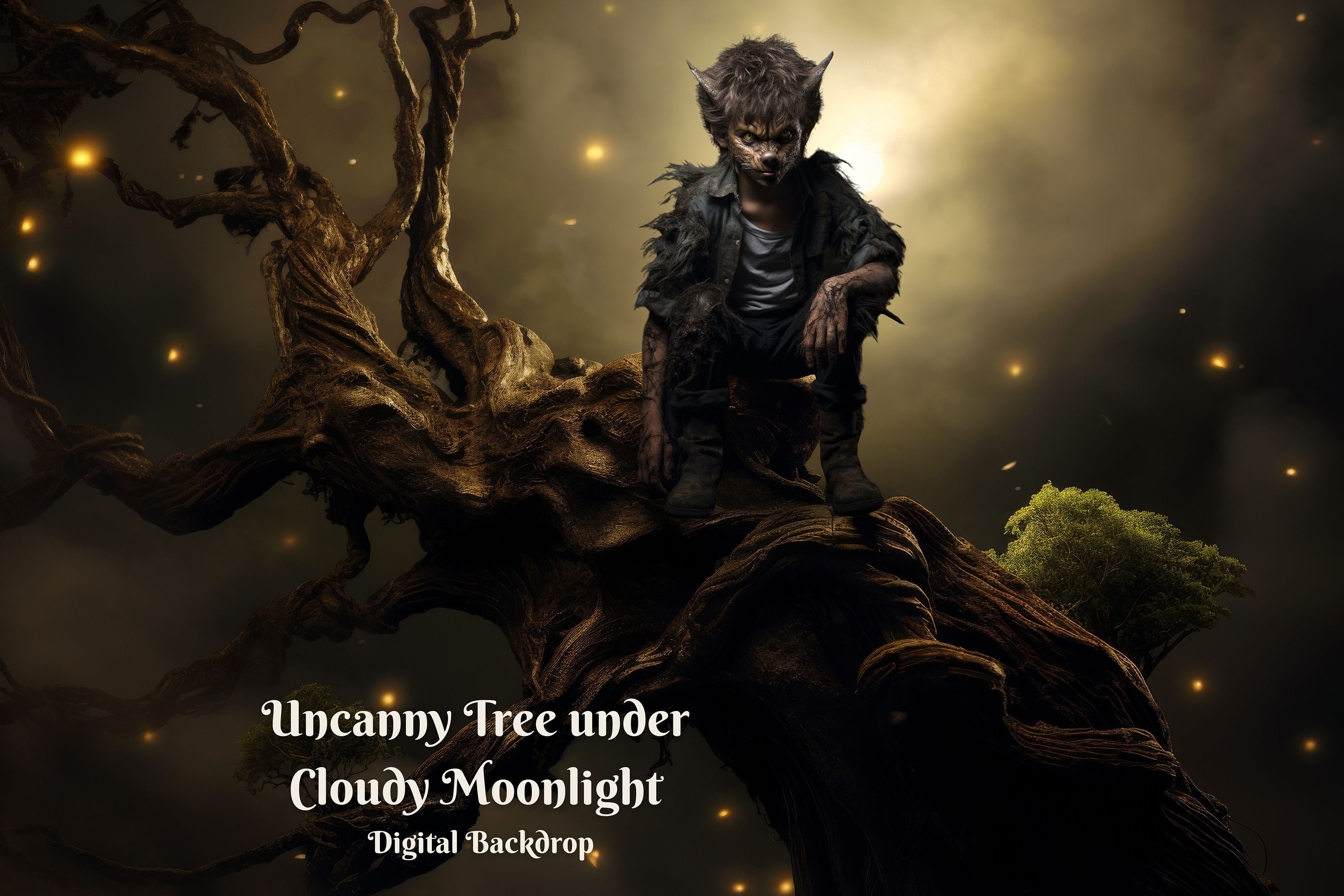
This analysis focuses specifically on the "Alpha Werewolf" or "Brooding Lycanthrope" visual trope—characterized by a muscular werewolf leaning against or standing under a tree—which has transitioned from serious fantasy art to a cornerstone of 2026 post-ironic digital culture.
The "werewolf under tree" meme represents a fascinating case study in semiotic drift. What began as earnest digital illustration in the late 1990s and early 2000s has, by 2026, been dismantled and rebuilt by successive waves of internet subcultures. This meme typically utilizes a specific aesthetic: a hyper-masculine, often humanoid werewolf, occasionally wearing tattered denim, positioned in a pensive or "alpha" stance against a forest backdrop. In the current 2026 landscape, its usage has moved beyond simple mockery of "cringe" culture and into a complex form of visual shorthand for satirical self-improvement, "sigma" parody, and existential absurdity.
Archetypal Roots: The Visual Origin of the Brooding Lycanthrope
To understand the 2026 iteration of the werewolf under the tree, one must examine its origins in the early digital art communities. Most of the source images are tracked back to platforms like deviantART or FurAffinity, created by artists specializing in high-fantasy or anthropomorphic illustration. These images were originally intended to convey power, solitude, and the "misunderstood monster" trope.
The composition is nearly always consistent: a vertical frame, a prominent moon (often a "blood moon" or full moon), and the central figure of the lycanthrope utilizing a tree as a physical anchor. This specific framing provides a sense of scale and grounding to the supernatural subject. In the mid-2010s, these images were repurposed by the "Whisper" app community and Facebook groups dedicated to "Alpha Male" quotes, pairing the artwork with deeply earnest, often aggressive motivational text. This era laid the groundwork for the ridicule that would follow, as the sheer "edginess" of the pairing became a target for ironic reinterpretation.
The 2026 Irony Cycle: From Edgy to Satirical to Post-Ironic
In 2026, the meme has reached its "Neo-Sincerity" phase. Digital natives no longer view the werewolf under the tree as merely "cringe." Instead, it is used as a versatile tool for expressing complex emotional states that are otherwise difficult to articulate. The irony has folded in on itself so many times that the meme is now utilized in three distinct ways:
- The Hyper-Satirical Alpha: Used to mock the "grindset" culture of the early 2020s. By pairing the werewolf with intentionally mundane or pathetic captions (e.g., "I just ate a whole rotisserie chicken in the parking lot"), creators highlight the absurdity of modern performative masculinity.
- The Aesthetic Nostalgia: A movement in 2026 that celebrates the "unpolished" internet of the 2000s. Here, the werewolf is treated with a form of genuine affection for its lack of corporate polish.
- The AI-Enhanced Surrealist Variation: With the advent of real-time neural video editing in 2026, the static image of the werewolf under the tree is frequently animated to perform mundane tasks, such as checking a smartphone or waiting for a bus, heightening the contrast between the fearsome creature and the banality of contemporary life.
Technical Anatomy of a Viral Meme Format
Analyzing the "werewolf under tree" meme through a technical SEO and digital marketing lens reveals why it remains a high-authority asset in social algorithms. The visual weight of the image—typically high-contrast with deep blues and oranges—performs exceptionally well on mobile-first platforms like TikTok and the various 2026 decentralized social protocols.
Visual Hierarchy and Composition
The central placement of the werewolf provides a clear focal point for eye-tracking software used by modern recommendation engines. The "Rule of Thirds" is often naturally applied, with the tree providing a vertical line that guides the viewer's eye toward the text overlay.
Metadata and Algorithmic Tagging
In 2026, search engines and social AI no longer rely solely on alt-text. They utilize computer vision to identify the specific "vibe" of the content. The werewolf under the tree triggers clusters related to "Fantasy," "Irony," "Masculinity," and "Vintage Digital Art," allowing it to bridge multiple audience demographics simultaneously.
Comparative Analysis of Werewolf Meme Variations in 2026
The following table breaks down the primary variations of the werewolf meme currently circulating, helping creators and marketers understand which "flavor" of the meme suits their specific intent.
| Meme Variant | Core Visual Elements | Primary 2026 Intent | Target Demographic |
|---|---|---|---|
| The Classic "Alpha" | High-def fantasy art, dark forest, glowing eyes. | Ironic "Sigma" parody; mocking self-help gurus. | Gen Z and Gen Alpha |
| The Low-Res "Cringe" | Pixelated 2008-era art, Impact font, basic colors. | Nostalgia-posting; "Old Web" appreciation. | Millennials |
| The AI-Surrealist | Fluid motion, werewolf doing non-werewolf things. | Absurdist humor; testing visual AI boundaries. | Tech-savvy creators |
| The "Two Wolves" Remix | Dual werewolves, symmetrical composition, contrast. | Psychological satire; mocking "internal conflict." | General Audience |
| The Corporate Werewolf | Werewolf under tree wearing a suit or holding coffee. | Office culture satire; "Monday morning" relatable content. | Professional/LinkedIn users |
Cultural Impact and the "Alpha" Parody Phenomenon
The werewolf under the tree has become the unofficial mascot of the "Anti-Alpha" movement. In a 2026 cultural landscape that is increasingly skeptical of traditional dominance hierarchies, the brooding lycanthrope serves as a perfect caricature. It represents the "lone wolf" archetype taken to such an extreme that it becomes comical.
Psychologically, the meme functions as a "shibboleth"—a way for members of an in-group to identify one another. To understand why a picture of a werewolf leaning against an oak tree is funny requires a shared history of internet exposure. This creates a strong sense of community among users, as the humor is derived not from the image itself, but from the layers of meaning built upon it over the last two decades.
Strategy for Content Creators: Leveraging the Meme in 2026
For brands or creators looking to engage with this trend, a nuanced approach is required. Direct, unironic use of the image will result in a loss of brand authority. However, "leaning into the bit" can yield high engagement.
- Embrace the Low-Fidelity: Do not use high-resolution, AI-upscaled versions. The "soul" of the meme lies in its slightly dated, "2000s deviantART" aesthetic.
- Contextual Incongruity: The humor comes from the gap between the werewolf's intense appearance and the caption's content. Use captions that reflect minor inconveniences or mundane triumphs.
- Platform-Specific Formatting: In 2026, vertical video is king. Use the "werewolf under tree" as a static background for "Green Screen" style commentary or as a periodic "jump scare" in rapid-fire montage content.
Frequently Asked Questions
What is the "werewolf under tree" meme? The meme consists of various fantasy-style illustrations of werewolves, usually in a brooding or "cool" pose against a tree, used ironically to mock "alpha male" culture or to express absurd humor. It has evolved from a serious piece of digital art into a symbol of post-ironic internet culture.
While the art was originally meant to be edgy and cool, the meme's current popularity stems from its perceived "cringe" factor, which users now embrace through layers of irony to create relatable or nonsensical content.
Who is the original artist of the werewolf under the tree? There is no single artist, as the meme pulls from a wide pool of early-2000s fantasy illustrators. Many of the most famous images originated on platforms like deviantART from creators who were part of the burgeoning "furry" or "dark fantasy" art scenes of that era.
The meme grew out of the "Whisper" app and "Alpha Male" Facebook pages where these images were paired with "deep" quotes. As the internet began to mock these earnest posts, the images themselves became the punchline, eventually becoming a standardized format for shitposting.
Is it still popular in 2026? Yes, it has seen a massive resurgence in 2026 due to the "Old Web" revival trend. It is currently a staple in "Sigma" parody videos and surrealist AI-generated content, maintaining a high "viral coefficient" across major social platforms.
How do I use this meme for my brand? Brands should only use this meme if their voice is established as irreverent or "extremely online." The best approach is to use the image to self-deprecatingly highlight a minor brand "fail" or to participate in a "silent" trend where no text is needed to convey the joke.
The werewolf under the tree meme is more than just a passing trend; it is a visual artifact that tracks the evolution of internet humor from sincerity to irony and back again. As we continue through 2026, its ability to adapt to new technologies like AI and decentralized social media ensures that the brooding lycanthrope will remain a fixture of our digital vocabulary for years to come.