(Note: This article focuses exclusively on the undergraduate and graduate admissions acceptance rate for the University of Southern California [USC] in Los Angeles, California.)
Navigating higher education admissions requires an analytical approach, particularly when evaluating ultra-selective institutions like the University of Southern California. For the 2026 admissions cycle, understanding the baseline metrics, institutional priorities, and holistic review components is essential for prospective students aiming to secure a spot at this prestigious private research university. Over recent years, application volumes have surged while acceptance rates have tightened significantly, reflecting heightened competition across both early action, regular decision, and transfer pathways.
Decoding the 2026 USC Acceptance Rate Trends
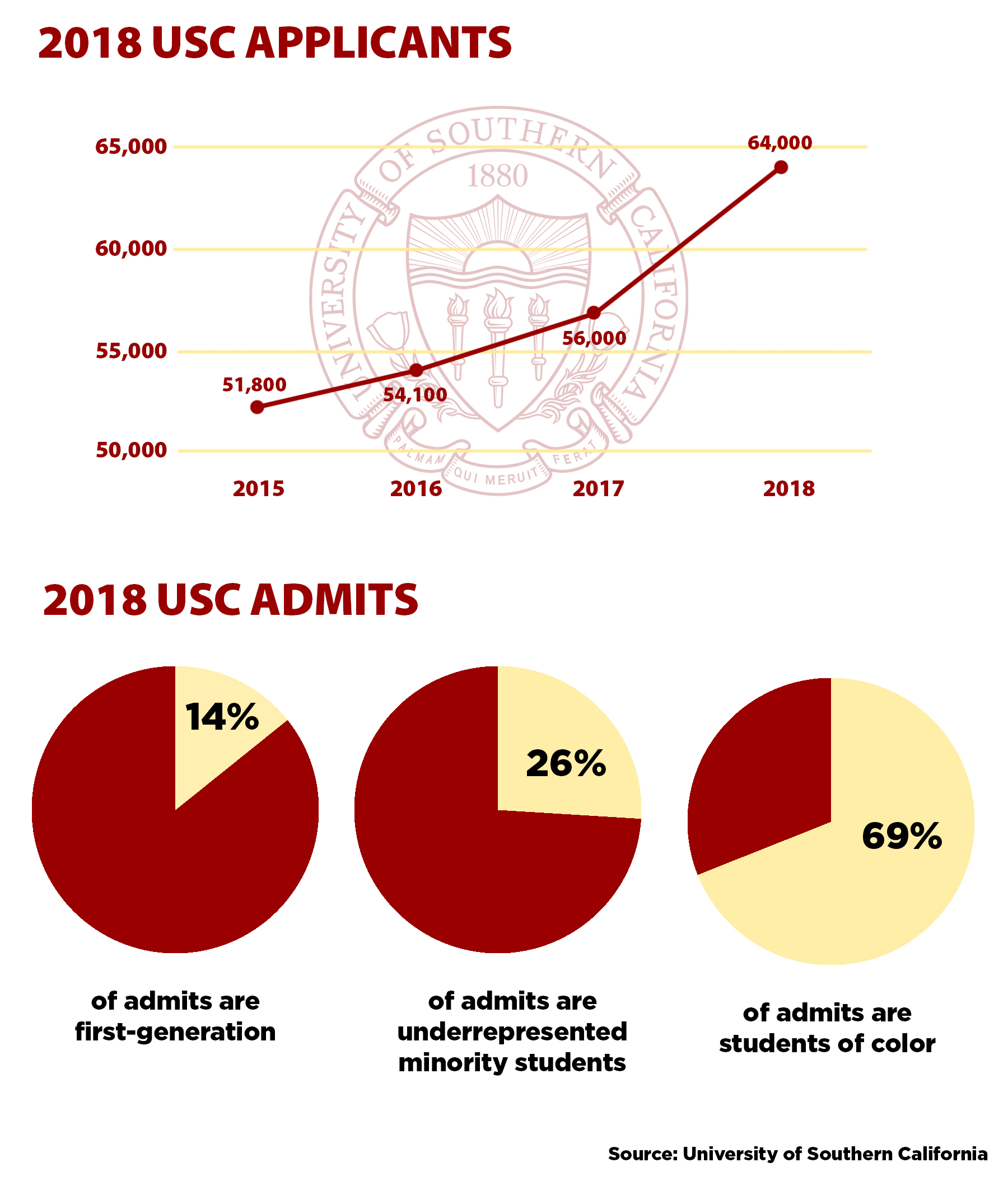
The overarching admissions landscape at USC has evolved dramatically over the past several admission cycles. The undergraduate acceptance rate for USC has hovered in the highly selective single-digit to low double-digit percentages. For the current 2026 cohort tracking, the overall acceptance rate rests at approximately 9.2%, following a historical multi-year trend of record-breaking application surges exceeding 80,000 total submissions annually.
To understand how these numbers break down across different entry terms and decision structures, reviewing historical trajectory shifts provides vital context.
| Admissions Cycle | Total Applicants | Total Admitted | Overall Acceptance Rate |
|---|---|---|---|
| 2024 | 82,000+ | ~8,100 | ~9.9% |
| 2025 | 84,500+ | ~7,900 | ~9.3% |
| 2026 (Projected/Current) | 86,000+ | ~7,900 | ~9.2% |
This downward trajectory in the acceptance rate is not a reflection of a shrinking freshman class size, which remains relatively stable at roughly 3,000 to 3,400 students per year, but rather an exponential escalation in the sheer volume of high-achieving applicants worldwide.
Academic Competitiveness and Standardized Testing Profiles
Securing admission to USC demands a robust academic foundation. The admissions committee utilizes a holistic evaluation model, meaning numbers alone do not guarantee admission, but they serve as the foundational filter for academic index ratings.
- GPA Benchmarks: The vast majority of admitted students rank in the top 5% to 10% of their high school graduating classes. The unweighted GPA average typically ranges between 3.85 and 4.0, while the weighted GPA average often exceeds 4.3 through rigorous Honors, Advanced Placement (AP), and International Baccalaureate (IB) coursework.
- Standardized Testing Policy: USC maintains a test-optional policy for undergraduate applicants, allowing students to choose whether or not to submit SAT or ACT scores. However, competitive submitters generally present scores in the top 1% to 2% nationally (typically SAT scores ranging from 1450 to 1560, or ACT composites between 33 and 35).
- Curricular Rigor: Admissions officers evaluate how thoroughly a student has utilized the academic resources available at their specific secondary school. Maximizing AP or IB course loads carries significantly more weight than simply maintaining a high GPA in standard-level classes.
Specialized School Selectivity Within USC
A critical nuance of the USC acceptance rate is that applicants do not apply to the university as an undifferentiated mass; they apply directly to one of USC's specialized undergraduate professional schools or colleges. Acceptance rates vary wildly depending on the specific program.
- USC Dornsife College of Letters, Arts and Sciences: Typically experiences a slightly higher acceptance rate relative to the university average due to its larger capacity and diverse range of majors.
- USC Viterbi School of Engineering: Extremely competitive, requiring exceptional calculus and physical science preparation, with acceptance rates often trailing well below the university average.
- USC Cinematic Arts (School of Cinematic Arts - SCA): Famously selective, with acceptance rates frequently dipping below 3%, rivaling or exceeding the selectivities of the most elite Ivy League film programs.
- USC Glorya Kaufman School of Dance and USC Thornton School of Music: These fine arts programs utilize a mandatory artistic prescreening and audition process, meaning technical artistic proficiency often outweighs traditional academic metrics during final evaluation.
- USC Marshall School of Business: Highly sought-after, attracting a massive percentage of early applicants with strong quantitative backgrounds and demonstrated entrepreneurial leadership.
The Holistic Review Framework: Beyond the Numbers
Because the quantitative metrics of competitive applicants often look nearly identical, the qualitative aspects of the application file carry immense weight in determining who receives an offer of admission.
Institutional Priorities and Fit USC heavily values authentic community engagement, cross-disciplinary curiosity, and evidence of leadership that creates tangible impact. The admissions committee looks for distinct "spike" qualities—areas of profound excellence or passion—rather than generic, well-rounded resumes that lack depth.
The core components scrutinized during the review process include:
- The Common Application Essays: Crafting a compelling personal statement that reveals intellectual vitality, resilience, and personal voice.
- USC Writing Supplement and Short Answers: These prompt-specific responses allow applicants to demonstrate specific knowledge of USC's campus culture, academic offerings, and student organizations.
- Letters of Recommendation: Strong evaluations from core academic teachers who can speak directly to classroom engagement, intellectual risk-taking, and character.
- Extracurricular Impact: Quality over quantity is paramount. Sustained, deep commitment to a few organizations or projects outweighs a superficial list of ten clubs joined with minimal participation.
Strategic Roadmap for Prospective Applicants
Preparing a competitive application for USC requires long-term planning and deliberate positioning throughout high school.
- Optimize Course Selection Early: Plan a rigorous high school curriculum that peaks in junior and senior years with advanced math and science or humanities coursework relevant to your intended major.
- Cultivate Authentic Leadership: Seek out leadership roles where you drive measurable change, organize community initiatives, or build original projects rather than merely collecting club memberships.
- Craft Tailored Short Answers: Research specific professors, labs, minors, or student organizations at USC to include in your supplemental essays, proving genuine institutional fit.
- Prepare Early for Portfolios and Auditions: If applying to programs like Cinematic Arts, Architecture, Music, or Dance, begin preparing creative portfolios and scheduling audition slots months in advance of deadlines.
Frequently Asked Questions
What is the current acceptance rate for USC?
The overall undergraduate acceptance rate for USC is approximately 9.2%, reflecting intense competition among over 80,000 annual applicants. This figure fluctuates slightly each year depending on the total volume of submitted applications and target class size constraints.
Does USC have an Early Action or Early Decision program?
USC utilizes a Regular Decision deadline model alongside a specific merit scholarship consideration deadline (typically November 1). Unlike many peer institutions, USC does not offer binding Early Decision or restrictive Early Action plans.
Are SAT and ACT scores mandatory for USC admission?
USC maintains a test-optional policy, meaning applicants can choose whether or not to include standardized test scores in their evaluation. Submitting strong scores that align with or exceed middle-50 percent ranges can strengthen an academic profile, but omitting them will not disadvantage an otherwise rigorous application.
How important is the choice of major in the USC acceptance rate?
Major selection is critically important because applicants are evaluated directly by the specific professional school or college they apply to. Highly specialized programs like the School of Cinematic Arts or the Viterbi School of Engineering feature significantly lower acceptance rates than the broader Dornsife College of Letters, Arts and Sciences.
What GPA is required to be competitive at USC?
While USC does not have a strict minimum GPA cutoff, successful applicants almost universally present unweighted GPAs between 3.85 and 4.0 and weighted GPAs exceeding 4.3. Admissions officers evaluate these grades within the context of the maximum academic rigor available at the applicant's high school.