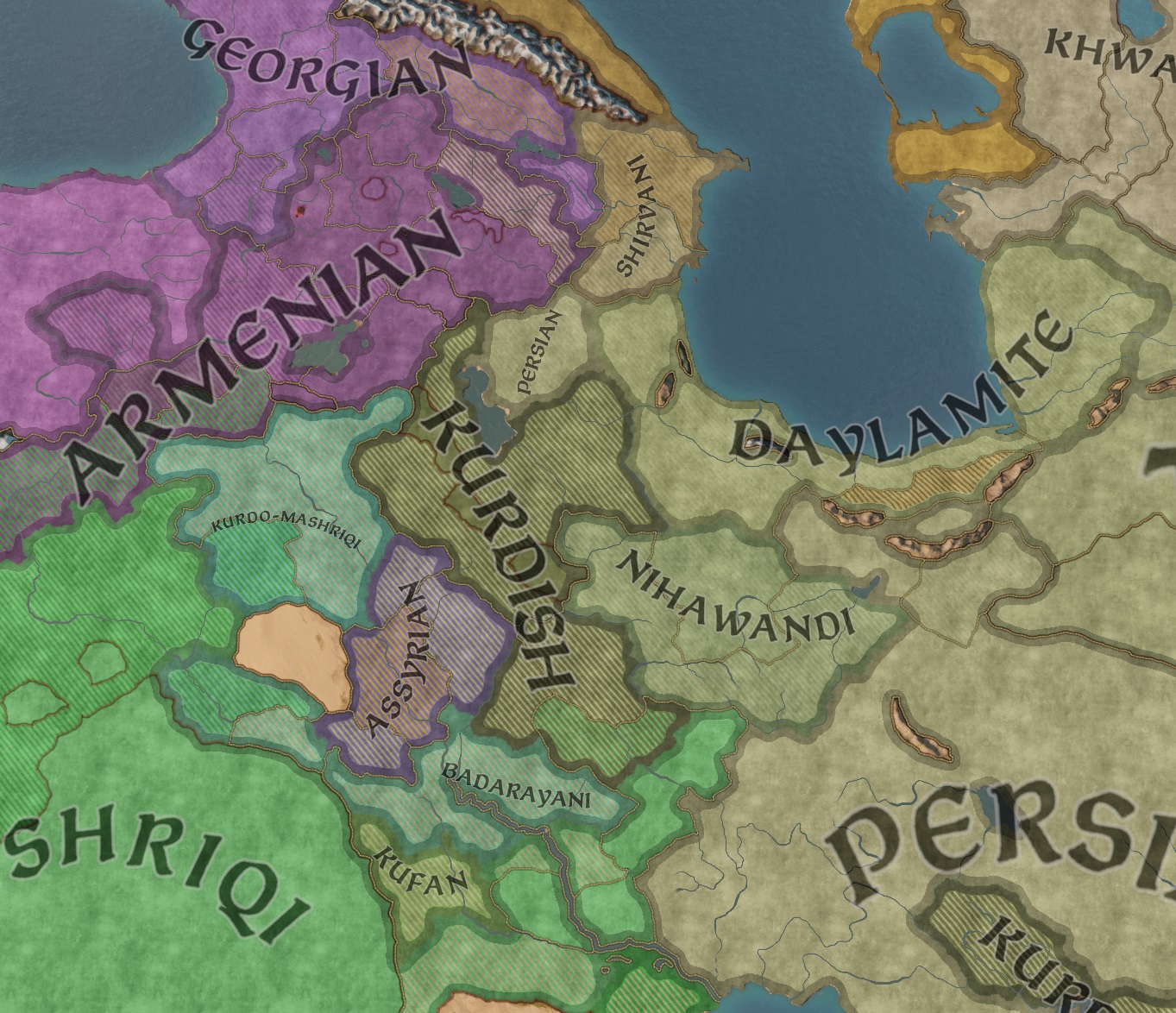
Culture in Crusader Kings III (CK3) is a dynamic system of Pillars, Ethos, and Traditions that defines your realm's social identity and mechanical bonuses. Since the game-changing Royal Court expansion, players can actively reform their culture, merge with others to create hybrids, or diverge to escape outdated norms, directly influencing military strength, economic growth, and political stability.
In the grand strategy landscape of 2026, understanding the nuances of the CK3 culture system remains essential for any player looking to optimize their dynasty’s legacy. Unlike the static systems of previous Paradox titles, culture in CK3 is a living entity that responds to your character's prestige and the geographical movement of your people. It is no longer just a label; it is a toolkit that determines which technologies you can research, which troops you can field, and how your subjects view your rule.
The Architectural Foundation of Culture: Pillars and Ethos
Every culture in Crusader Kings III is built upon a set of fundamental Pillars. These are the immutable (or semi-immutable) traits that define the "who, where, and how" of a people. When you view the culture menu, these pillars represent the core identity that must be navigated before you can begin adding more complex traditions.
The Significance of Ethos
The Ethos is the "vibe" or guiding philosophy of a culture. It provides broad, passive bonuses and influences how the AI behaves. Choosing the right Ethos is the first step in aligning your culture with your long-term gameplay goals, whether that is world conquest or building an impenetrable economic powerhouse.
| Ethos | Primary Focus | Key Bonuses | Best For |
|---|---|---|---|
| Bellicose | Warfare | Higher levy size, reduced Men-at-Arms maintenance | Aggressive expansion and military dominance. |
| Bureaucratic | Governance | Increased development growth, higher lifestyle experience | Tall play and technological rushing. |
| Courtly | Diplomacy | Higher court grandeur, increased opinion from vassals | Managing large, multi-ethnic empires. |
| Egalitarian | Stability | Higher cultural acceptance gain, easier vassal management | Multi-cultural realms and hybridizing quickly. |
| Stoic | Defense | Increased fort level, higher stress resistance | Defensive playstyles and survivability. |
| Spiritual | Religion | Piety gain, cheaper religious conversions | Theocratic play or high-interaction with the Pope/Caliph. |
| Inventive | Technology | Faster innovation progress, lower building costs | Rapidly advancing through the Medieval Eras. |
Heritage, Language, and Martial Custom
Beyond Ethos, the Pillars include:
- Heritage: This defines your cultural roots (e.g., North Germanic, Goidelic). It is the hardest pillar to change and determines your "distance" from other cultures, affecting the base Cultural Acceptance.
- Language: Characters can learn multiple languages, but your culture's native tongue dictates the default language of your court. Speaking the language of your subjects or your liege provides a significant boost to opinion and reduces the likelihood of independence factions.
- Martial Custom: This determines who can serve as commanders and knights. While most start as "Male Only," certain traditions or reforms can move this to "Equal" or "Female Only," which is vital for maximizing your pool of high-prowess combatants.
Cultural Traditions: The Building Blocks of Optimization
If Pillars are the foundation, Traditions are the rooms within the house. Each culture has a limited number of slots for traditions (based on the current Era), and these provide the specific mechanical advantages that can make or break a playthrough.
Military-Focused Traditions
For players focused on conquest, traditions like Only the Strong are invaluable. This tradition increases knight effectiveness by 75% but requires a higher prowess threshold for recruits. When paired with Warrior Culture, it transforms your small band of knights into a force capable of defeating armies three times their size. Similarly, regional traditions like Longbowmen (for Welsh/English) or Horse Lords (for Steppe cultures) unlock unique Men-at-Arms that are far superior to standard archers or light horsemen.
Economic and Developmental Traditions
If you are playing "tall"—focusing on developing a few high-value counties—traditions like Parochialism or Agrarian provide significant boosts to development growth in specific terrains. Maritime Salt-Workers is another highly specific but powerful choice for coastal realms, boosting income and trade efficiency. In the 2026 meta, development is king; a single highly developed county in 1200 AD can often provide more gold and levies than an entire undeveloped duchy.
Social and Diplomatic Traditions
Managing a massive empire requires keeping vassals happy. Traditions like Legalistic make it easier to maintain high crown authority without constant rebellions, while Tabletop Warriors (popularized by the Norse and Gaelic cultures) allows you to settle disputes through gaming, adding a layer of roleplay that can bypass bloody civil wars.
The Mechanics of Cultural Reform
As a Cultural Head, you have the power to reform your culture. To be the Cultural Head, you must be a ruler of that culture and control the highest number of its counties.
Reforming allows you to swap out an existing tradition for a new one or change your Ethos and Martial Customs. This process is not instantaneous; it requires a massive investment of Prestige and takes several years to "set."
- Cost Scaling: The more advanced or "unnatural" a tradition is for your heritage, the more Prestige it costs. Adding a seafaring tradition to a landlocked desert culture, for example, is prohibitively expensive.
- Time Requirements: Reforms can take anywhere from 5 to 30 years depending on your character's Learning stat and the specific tradition being adopted.
Hybrid Cultures: The Art of the Merge
Hybridization is perhaps the most powerful mechanic added in the Royal Court era. It allows you to combine the best aspects of two different cultures into one. For example, a Norse ruler who conquers Sicily can create a "Norse-Sicilian" hybrid, combining the heavy infantry prowess of the Vikings with the advanced Mediterranean administrative traditions.
How to Create a Hybrid Culture
- Cultural Acceptance: You cannot hybridize with a culture that hates you. You generally need at least 40% Cultural Acceptance. This is gained by granting land to local nobles, using the "Promote Cultural Acceptance" steward task, or having your court physician/tutor be of the target culture.
- Heritage Difference: You cannot hybridize two cultures of the same Heritage (e.g., you cannot merge two different "Central Germanic" cultures).
- Prestige Cost: Hybridization costs a significant amount of Prestige, though this cost decreases as Cultural Acceptance increases. If you reach 100% acceptance, the cost is minimal.
The beauty of hybridization is that you can pick and choose. You can take the Ethos of one, the Language of the other, and a mix-and-match selection of traditions from both. This effectively allows you to bypass the slot limits of your current Era if the parent cultures have many traditions.
Divergent Cultures: Carving Your Own Path
Divergence is the opposite of hybridization. It occurs when a subset of a culture decides they are no longer part of the main group. This is common when a dynasty moves far away from their homeland—for example, a French crusader establishing a kingdom in Jerusalem.
Why Diverge?
- Control the Innovations: If you are part of a massive culture (like Han or Greek) spread across dozens of rulers, your technological progress is averaged out across every county. If half those counties are poor and undeveloped, your "Cultural Fascination" progress will be slow. By diverging, you create a smaller, highly developed culture that you 100% control, allowing you to rocket through the tech tree.
- Customization: If the main Cultural Head is an AI who keeps picking useless traditions, diverging allows you to take the reins and pick exactly what your specific realm needs.
Cultural Innovations and Technological Progress
The speed at which your culture unlocks new buildings, succession laws, and unit types is tied to Innovations. These are divided into three categories: Military, Civic, and Regional/Special.
The Fascination Mechanic
The Cultural Head can select one innovation to be their "Fascination." This innovation receives a massive bonus to its daily progress based on the Cultural Head's Learning skill.
- Development Bonus: The average development of all counties belonging to your culture provides a baseline growth rate. This is why "tall" cultures with only 5-10 high-development counties often out-tech massive empires.
- Exposure: If a neighboring culture or a culture you share a religion with has already discovered a technology, you gain "Exposure," which significantly boosts your progress in that specific innovation.
Strategy: Common Mistakes to Avoid
- Ignoring Acceptance: Many players try to "Promote Culture" using their steward to convert every county. While this makes your realm more homogenous, it is often better to leave local cultures alone to build Cultural Acceptance, allowing for a Hybridization that grants you their unique technologies and traditions instantly.
- Expanding Too Fast: If you are the Cultural Head of a small, advanced culture, conquering large swaths of low-development land and converting it to your culture will actually slow down your technology. You are effectively lowering your average development.
- Wasting Prestige on Minor Reforms: Only reform when you have a clear goal. Changing an Ethos for a minor buff is rarely worth the 5,000+ Prestige that could be spent on claims, title creation, or legitimizing a hybrid culture.
Comparison of Cultural Strategies
| Strategy | Difficulty | Best For | Main Drawback |
|---|---|---|---|
| Homogeneity | Low | Small, stable kingdoms | Slow technological growth if neighbors are advanced. |
| Hybridization | Medium | Conquerors in foreign lands | High Prestige cost and requires long-term planning. |
| Divergence | Easy | Breaking away from a large, slow empire | Loss of "Cultural Head" status over the original group. |
| Tall Play | High | Economic/Scientific dominance | Requires precise management of development and buildings. |
FAQ: Frequently Asked Questions
How do I change my culture's Ethos?
To change your Ethos, you must be the Cultural Head. Go to the Culture menu, click "Reform Culture," and select the Ethos icon. Note that this costs a baseline of 2,000 Prestige, which can increase based on how different the new Ethos is from your current one. It also triggers a cooldown period during which you cannot perform further reforms.
What is the fastest way to increase Cultural Acceptance?
The most effective method is the "Promote Cultural Acceptance" task for your Steward. Additionally, granting titles to local nobles of that culture, marrying your courtiers to them, and learning their language through the "Learn Language" scheme will provide passive monthly growth. In the Royal Court expansion, certain court events also offer large chunks of acceptance.
Does my culture affect my succession laws?
Yes, indirectly. Many advanced succession laws, such as High Partition or Primogeniture, are locked behind specific Innovations (e.g., "Heraldry"). If your culture is technologically backward, you will be stuck with basic Partition laws for centuries, potentially fracturing your realm upon every ruler's death.
Can I have two regional traditions?
Generally, no. Most regional traditions (like Coastal Warriors) require you to have a certain percentage of your culture's counties in a specific geographic area or have a specific Heritage. However, through Hybridization, you can combine two cultures that each already possess a regional tradition, effectively bypassing the normal geographic requirements.
Why is my Innovation progress at 0%?
This usually happens if your culture has no counties with development or if you are in a "Dark Age" between eras. Ensure your Cultural Head has a high Learning stat and that you have selected a "Fascination." Also, check if you have moved into the next Era (Tribal to Early Medieval, etc.), which requires 70% of the previous era's innovations to be completed.
Practical Recommendation for Your Next Playthrough
For players looking to experience the full depth of the culture system, a Norse start is highly recommended. The Norse begin with a high degree of mobility and unique traditions. By raiding and adventuring your way to a different part of the map—such as the Mediterranean or India—you can utilize the "Varangian Adventure" mechanic to relocate your entire realm.
Once established in a new land, focus on Hybridizing with the local superpower. This allows you to retain the powerful Norse "Longships" (allowing river travel and faster embarkation) while gaining the technological or economic benefits of a more settled civilization. This path offers the most engaging way to see how culture interacts with warfare, diplomacy, and the progression of time in Crusader Kings III.