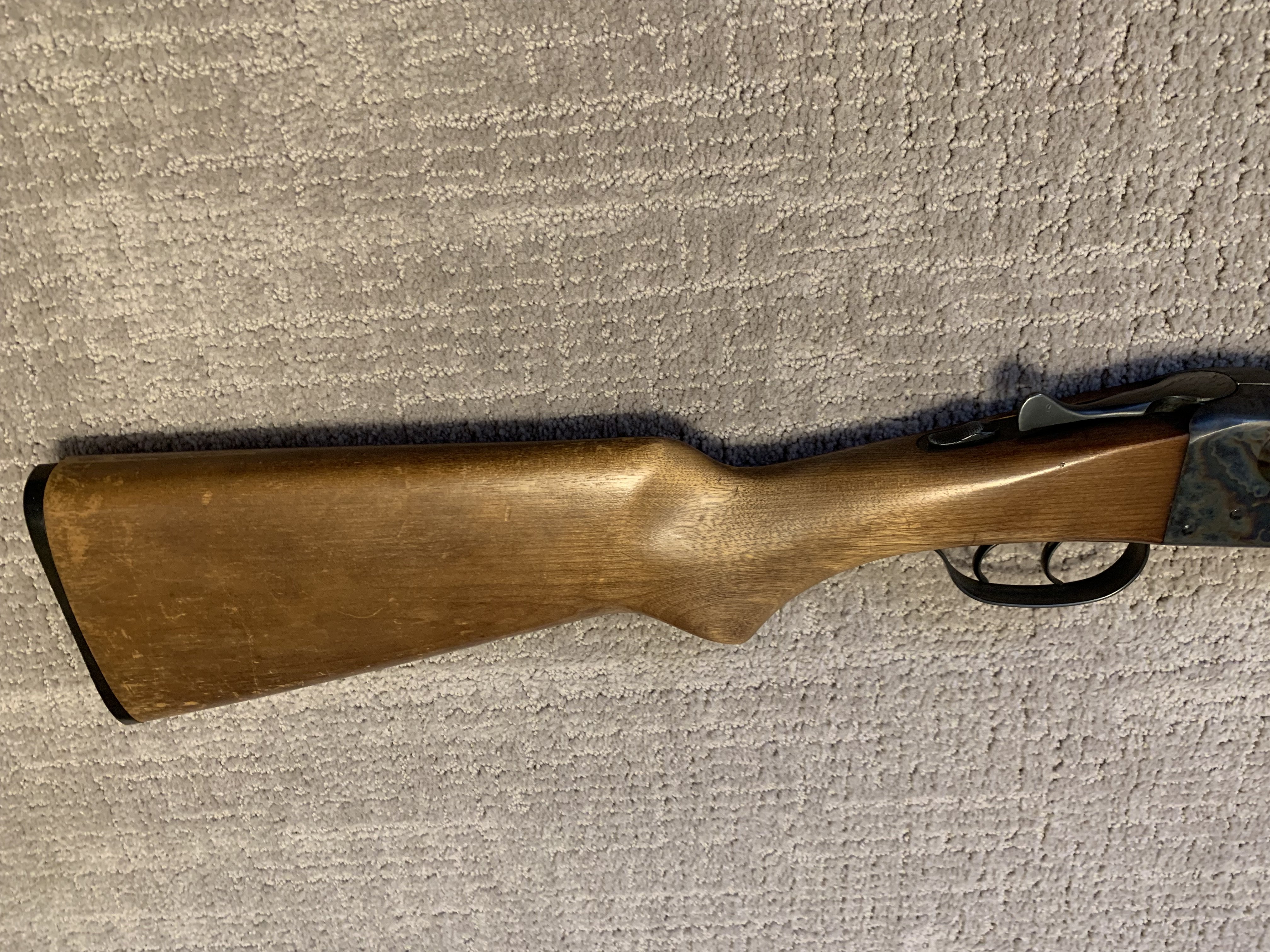
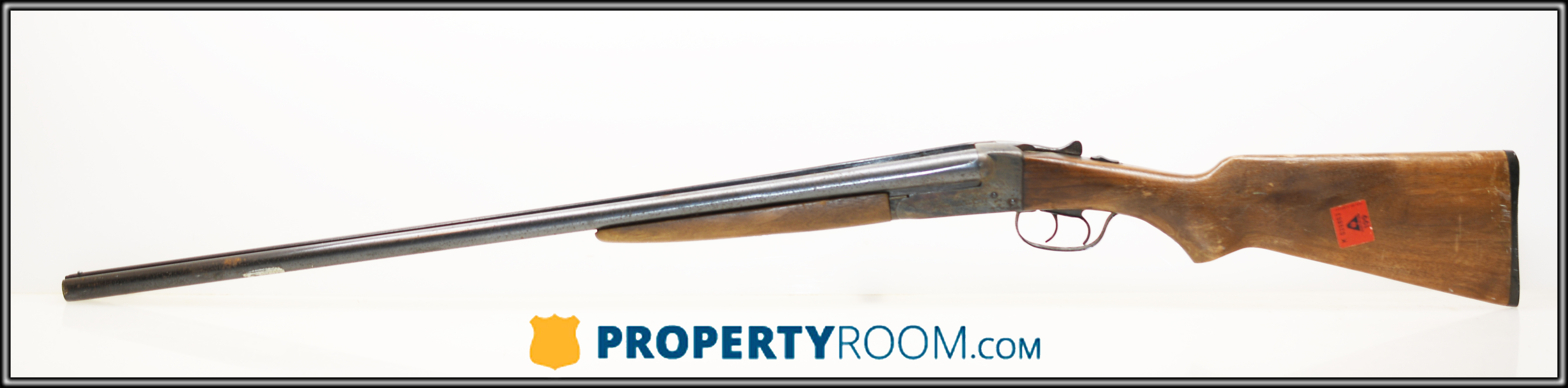
The Stevens Model 311A in 20 gauge stands as one of the most recognizable and enduring side-by-side double-barrel shotguns produced in American firearms history. For collectors, upland hunters, and traditionalists navigating the 2026 marketplace, understanding the mechanical nuances, historical lineage, and maintenance requirements of this utilitarian classic is essential. Manufactured by J.S. Stevens and later by Savage Arms, the Model 311 represents a utilitarian philosophy: rugged, unadorned, and mechanically sound reliability.
Historical Evolution and Manufacturing Lineage of the Stevens 311
The roots of the Stevens 311 trace back to the early 20th century, evolving from earlier hammerless double-gun designs produced by the J.Stevens Arms & Tool Company. Savage Arms acquired Stevens in 1920, and the design was refined into the Model 311 platform, which entered full production in the mid-20th century. The "A" suffix designation typically indicates specific running production changes in stock profile, receiver contour, or internal lockwork materials relative to the base pre-war variants.
During its decades-long production run, the 311 was marketed under various brand names, including Savage, Stevens, Springfield, and various store brands such as Ranger or Revelation sold through Sears, Montgomery Ward, and Western Auto. Regardless of the retail branding stamped on the receiver or barrel, the core mechanical architecture remained remarkably consistent. The 20-gauge variant, in particular, carved out a dedicated following due to its lightweight handling dynamics, minimal recoil, and exceptional suitability for brush hunting.
Technical Specifications and Mechanical Architecture
Evaluating a Stevens 311A 20 gauge requires a firm grasp of its physical dimensions, material composition, and internal lockwork. Unlike fine European sidelock shotguns fitted with delicate scroll engraving, the 311 is built on a rugged boxlock action featuring coil springs rather than traditional leaf springs. This choice prioritizes longevity and ease of field repair over ultra-crisp trigger breaks, though many vintage examples possess surprisingly serviceable triggers.
| Specification Category | Technical Details for Stevens 311A 20 Gauge |
|---|---|
| Action Type | Boxlock break-action, dual-trigger, non-ejector (extractors only) |
| Chamber Length | Typically 2 3/4 inches (Older models; verify gunsmith measurement before firing modern loads) |
| Barrel Lengths | Standard configurations commonly include 26 inches or 28 inches |
| Choke Configuration | Fixed chokes, traditionally Modified (right barrel) and Full (left barrel) |
| Stock and Forend Material | American Walnut or plain hardwood with factory checkered or smooth finish |
| Safety Mechanism | Automatic tang safety (engages automatically upon opening the action) |
| Overall Weight | Approximately 6.2 to 6.5 pounds depending on wood density and barrel length |
The locking mechanism relies on a sturdy under-bolt engaging a single or double bite beneath the barrel lump. The frame is forged steel, providing a robust foundation that easily handles standard-pressure 20-gauge loads. Extractors lift the hulls clear of the chambers upon opening, but do not forcefully eject them, a feature preferred by many hunters who reload their shells.
Assessing Barrel Steel, Chokes, and Ammunition Compatibility
One of the most critical technical considerations for modern shooters handling a vintage Stevens 311A 20 gauge in 2026 involves ammunition compatibility and barrel metallurgy. Most 311A models feature barrels manufactured from proof-tested carbon steel, joined by a traditional brazed rib.
Important Safety Note Regarding Chamber Lengths and Steel Shot
Vintage Stevens 311A shotguns were engineered during an era when 2 3/4-inch paper and plastic hulls with lead shot were the universal standard. Firing modern 3-inch magnum ammunition in chambers stamped strictly for 2 3/4 inches creates dangerous over-pressures and can catastrophically damage the action. Furthermore, traditional fixed Full and Modified chokes combined with older barrel steel are generally not rated for modern high-velocity steel shot, which can score or bulge thin vintage barrels. Shooters should utilize dedicated non-toxic bismuth, tungsten, or low-pressure traditional lead alternatives for vintage field use.
Field Performance: Pros and Cons
Like any legacy firearm, the Stevens 311A presents a distinct set of operational advantages and limitations when compared to modern gas-operated semi-automatics or modular over-under shotguns.
Advantages
- Handling Dynamics: The 20-gauge platform offers a lively, quick-pointing feel between the hands, making it exceptionally fast on flush-mounting upland game.
- Mechanical Simplicity: With very few moving parts compared to semi-automatic repeaters, the gun is extraordinarily reliable in adverse weather, rain, snow, or dusty environments.
- Durability: The robust steel receiver and straightforward lockwork ensure that a well-maintained 311A will outlive multiple generations of owners.
- Aesthetics: The classic walnut-and-blued-steel profile offers timeless traditional appeal.
Disadvantages
- Fixed Choking: Fixed Modified and Full restrictions limit versatility for close-range woodcock shooting or modern sporting clays where open cylinder or skeet chokes are advantageous.
- Recoil Impulse: Due to the relatively lightweight 20-gauge frame and traditional stock geometry, felt recoil with stout field loads can be sharper than heavier modern guns.
- Automatic Safety: The factory automatic safety mechanism resets every time the action is opened, which requires conscious retraining for shooters accustomed to manual safeties.
- Lack of Single Selective Trigger: Most standard 311 models utilize dual triggers (front trigger fires the right barrel, rear trigger fires the left), which requires minor muscle memory adjustment for modern shooters.
Maintenance, Disassembly, and Common Troubleshooting
Keeping a Stevens 311A running smoothly requires basic preventative maintenance. Field stripping is straightforward: remove the forend by pulling the latch forward, depress the top lever, and unhook the barrels from the frame.
Common maintenance procedures and troubleshooting steps include:
- Receiver Cleaning: Periodically flush the boxlock receiver with a quality gun solvent to remove accumulated carbon, unburnt powder, and dried Cosmoline or grease, then relight with light gun oil.
- Hinge Pin Wear: Over decades of use, the hinge pin and barrel lump can develop play. A qualified gunsmith can easily reset or replace the hinge pin to restore tight lock-up.
- Firing Pin Inspection: Check the protruding firing pins for pitting, mushrooming, or sluggish movement. Weakened firing pin springs can cause light primer strikes.
- Stock Bolt Tightening: The through-bolt running from the rear of the receiver through the buttstock can loosen over time, causing wood cracking. Check and torque this bolt annually.
Frequently Asked Questions
What type of ammunition should I use in a vintage Stevens 311A 20 gauge?
You should exclusively use standard-pressure 2 3/4-inch ammunition matching your chamber stamping, utilizing lead, bismuth, or tungsten shot to protect vintage fixed chokes. Never fire 3-inch magnum shells or high-speed steel shot through older fixed-choke barrels unless verified by a professional gunsmith.
Does the Stevens 311A feature automatic or manual safety?
The standard factory configuration features an automatic safety that engages every time the action is broken open and closed, though some variants can be easily converted by a gunsmith for manual operation.
How can I determine the exact year of manufacture for my Stevens 311A?
Savage and Stevens did not consistently use standard serial number lookup tables for pre-1968 models, but many guns feature a tiny circled capital letter (date code) stamped on the bottom of the receiver or near the barrel flats indicating the production year.
Are replacement parts readily available for the Stevens 311?
Yes, because millions of Stevens 311 shotguns were produced across various sub-models, independent surplus parts suppliers and specialized gunsmiths maintain a steady inventory of lock components, springs, and stocks.
Is the Stevens 311A suitable for modern trap or skeet shooting?
While it can certainly be enjoyed for casual recreational clay shooting, the fixed Full and Modified chokes make it less than ideal for regulation skeet, where open spreads are required, though it performs admirably on trap ranges.
Securing Your Classic Double Gun
Evaluating, acquiring, or maintaining a Stevens 311A 20 gauge connects modern shooters to a rich heritage of dependable, blue-collar American craftsmanship. Whether you are preparing for an upcoming upland bird season or preserving a family heirloom, respecting the mechanical boundaries and maintenance needs of this classic side-by-side ensures it will remain fully functional for decades to come. Consult with a qualified gunsmith to verify chamber depths and barrel integrity before taking your vintage double gun into the field.