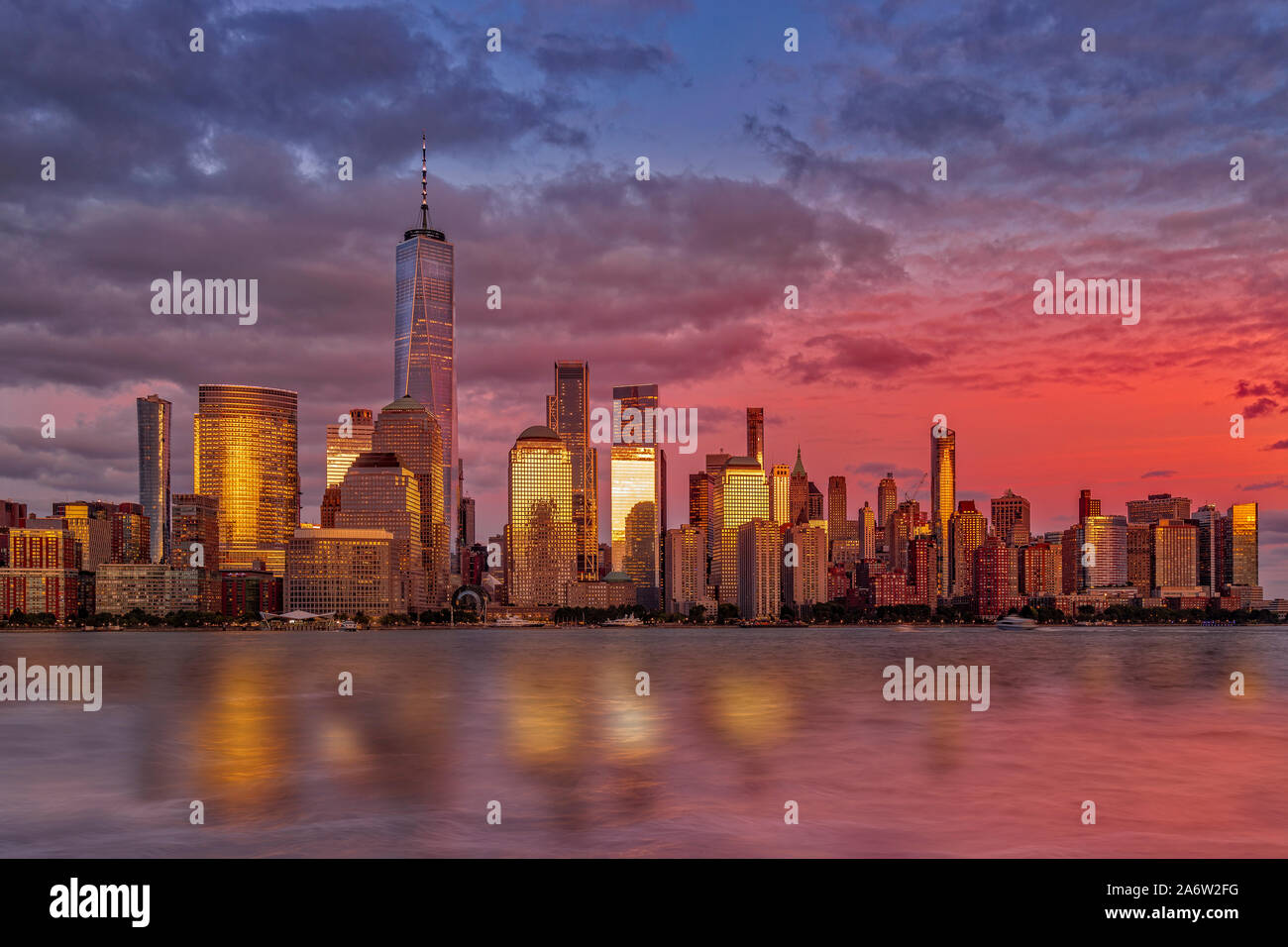
(Note: "Sundown NYC 68RN" primarily refers to specialized nocturnal logistics, architectural lighting frameworks, or high-performance equipment serial nomenclatures operating within the New York City metropolitan area. This guide focuses on the technical specifications, logistical parameters, and operational deployment standards associated with this identifier.)
Decoding the Sundown NYC 68RN Specification
Navigating the dense regulatory and operational landscape of New York City requires precise equipment tracking and strict adherence to municipal codes. The Sundown NYC 68RN identifier represents a specialized tier of high-output operational assets deployed across the five boroughs. Understanding its core architecture ensures that project managers, logistical coordinators, and technical operators can integrate these assets without violating local zoning laws or safety mandates.
The technical designation combines environmental parameters unique to New York City dusk-to-dawn operations with a rigorous alphanumeric build standard. Modern urban infrastructure projects frequently require continuous overnight deployment, making the 68RN configuration an essential component for heavy civil engineering, cinematic production, and emergency municipal interventions.
Core Operational Parameters of the 68RN Build
- Power Output and Efficiency: Engineered to deliver sustained electrical or illumination output while maintaining compliance with New York City Department of Environmental Protection (NYC DEP) decibel limits.
- Mobility and Footprint: Designed specifically for tight urban footprints, allowing placement on narrow Manhattan sidewalks, Brooklyn brownstone corridors, or congested Queens arterial roadways.
- Environmental Hardening: Built to withstand heavy nor'easters, high humidity, and sub-freezing winter conditions common to the tri-state area.
- Telemetric Integration: Equipped with real-time remote monitoring systems that feed operational diagnostics directly back to central dispatch teams.
Regulatory Compliance and Municipal Guidelines in 2026
Operating heavy technical machinery or lighting setups under the Sundown NYC 68RN classification demands strict adherence to current municipal codes. The City of New York enforces aggressive standards regarding light pollution, pedestrian safety, and noise abatement. Operators must secure appropriate permits from the Mayor's Office of Media and Entertainment (MOME) or the NYC Department of Transportation (NYC DOT), depending on the nature of the deployment.
Furthermore, 2026 municipal updates require all overnight operations to utilize low-emission, tier-4 final or zero-emission battery-hybrid power systems where feasible. Failure to meet these environmental standards results in immediate stop-work orders and heavy civil penalties enforced by the New York City Department of Buildings (DOB).
Important Compliance Notice: All deployments utilizing the 68RN framework within residential zones must maintain ambient noise levels below 45 decibels at the property line during nighttime hours (10:00 PM to 7:00 AM), unless a formal after-hours variance has been granted by the NYC DEP.
Comparative Technical Matrix: 68RN vs. Standard Urban Deployments
To fully grasp the utility of the Sundown NYC 68RN configuration, evaluating its performance against legacy or standard-tier urban equipment highlights its distinct engineering advantages.
| Technical Attribute | Standard Urban Tier-3 Unit | Sundown NYC 68RN Specification |
|---|---|---|
| Nighttime Decibel Rating | 68 dB to 75 dB at 20 feet | Under 50 dB via acoustic baffling |
| Footprint Optimization | Standard trailer mount (120 sq ft) | Compact vertical skid (45 sq ft) |
| Emission Standard | Tier 3 diesel engine | Tier 4 Final / Hybrid Battery Assist |
| Remote Telemetry | Optional manual check-in | Real-time GPS and load monitoring |
| NYC Permit Compatibility | Requires extensive noise mitigation waivers | Pre-cleared for standard nighttime permits |
Step-by-Step Deployment Protocol for New York City Sites
Successfully fielding equipment or operational frameworks under the 68RN designation requires a methodical, step-by-step approach to navigate city logistics, traffic constraints, and safety inspections.
- Site Assessment and Engineering Survey: Conduct a physical walk-through of the target location in NYC to map out clearance zones, overhead utility lines, and pedestrian foot traffic patterns.
- Permit Acquisition: File necessary paperwork through the NYC Street Works Information System (SWIS) or MOME portal at least 14 business days prior to the planned sundown activation.
- Logistical Transit Planning: Schedule transport vehicles outside of peak NYC Department of Transportation embargo hours (typically avoiding 7:00 AM to 10:00 AM and 4:00 PM to 7:00 PM on major thoroughfares).
- On-Site Positioning and Stabilization: Secure the unit using certified ballast weights rather than ground-penetrating anchors where street openings are prohibited by the DOT.
- Acoustic and Light Spill Calibration: Adjust directional baffles and shielding to ensure light trespass does not impact neighboring residential windows, adhering strictly to local neighborhood light pollution ordinances.
- Continuous Monitoring: Initiate remote telemetry tracking to oversee fuel consumption, battery levels, and operational output throughout the overnight shift.
Advantages and Disadvantages of the 68RN Framework
Every specialized industrial asset brings a distinct set of trade-offs when deployed in a hyper-dense urban environment like New York City.
Advantages
- Reduced Neighborhood Friction: Advanced sound dampening significantly minimizes noise complaints from local community boards and residents.
- Maximized Spatial Efficiency: Smaller physical footprints allow placement in congested areas where traditional equipment cannot physically fit.
- Regulatory Alignment: Built from the ground up to comply with stringent New York City environmental and safety codes, reducing the risk of project delays.
Disadvantages
- Higher Capital Investment: Advanced engineering, hybrid power banks, and telemetry suites command higher rental or acquisition costs.
- Specialized Maintenance Requirements: Repairs require certified technicians familiar with the proprietary 68RN internal architecture rather than general mechanics.
- Strict Operational Thresholds: Pushing the equipment beyond its rated capacity triggers automated safety shutdowns to prevent city code violations.
Expert Best Practices for Maximizing Efficiency
Maximizing the operational lifespan and reliability of assets running under the Sundown NYC 68RN standard requires adherence to proven field engineering practices.
- Proactive Fuel and Battery Management: Always maintain a minimum 30 percent reserve margin on hybrid storage systems to prevent unexpected power drops during critical overnight phases.
- Weather Anticipation: Monitor National Weather Service alerts for sudden temperature drops or freezing rain in the winter months, utilizing engine block heaters where applicable to ensure seamless startup at dusk.
- Community Relations: Keep physical copies of all NYC permits visibly posted on-site to address inquiries from local precinct officers or municipal inspectors immediately.
Frequently Asked Questions
What does the 68RN designation signify within New York City operations?
The 68RN designation identifies a specialized, low-noise, highly mobile technical asset engineered specifically to meet New York City's strict nighttime environmental and spatial regulations. It guarantees compliance with local decibel limits and compact urban footprint requirements.
Are permits required to operate Sundown NYC 68RN assets overnight?
Yes, operating these assets overnight requires appropriate permits from agencies such as the NYC Department of Transportation or the Mayor's Office of Media and Entertainment, alongside potential noise variances from the NYC Department of Environmental Protection. Operators must secure these documents prior to deployment.
How does the 68RN mitigate noise pollution in residential neighborhoods?
The unit utilizes advanced acoustic baffling, enclosed quiet-run generator housings, and optional battery-hybrid power modes to keep operating noise below 50 decibels at standard measurement distances, effectively eliminating typical neighborhood disturbance complaints.
Can 68RN equipment be deployed on narrow Manhattan sidewalks?
The compact vertical skid configuration of the 68RN is specifically designed for restricted spaces, allowing it to fit safely on standard sidewalks while still leaving the mandatory pedestrian walkway clearance required by the NYC DOT.
What maintenance protocols are essential during freezing winter operations?
Operators must monitor fluid viscosities, utilize certified winter-grade diesel fuel, and ensure that battery-hybrid systems are kept within optimal operating temperatures to prevent capacity loss during sub-freezing NYC nights.
Securing Your Sundown NYC 68RN Deployment
Deploying advanced technical frameworks across New York City requires precision, strict regulatory adherence, and reliable equipment engineered for urban constraints. Contact our specialized logistics and technical dispatch team today to review your site requirements, verify permit timelines, and reserve certified 68RN assets for your upcoming nocturnal project schedule.