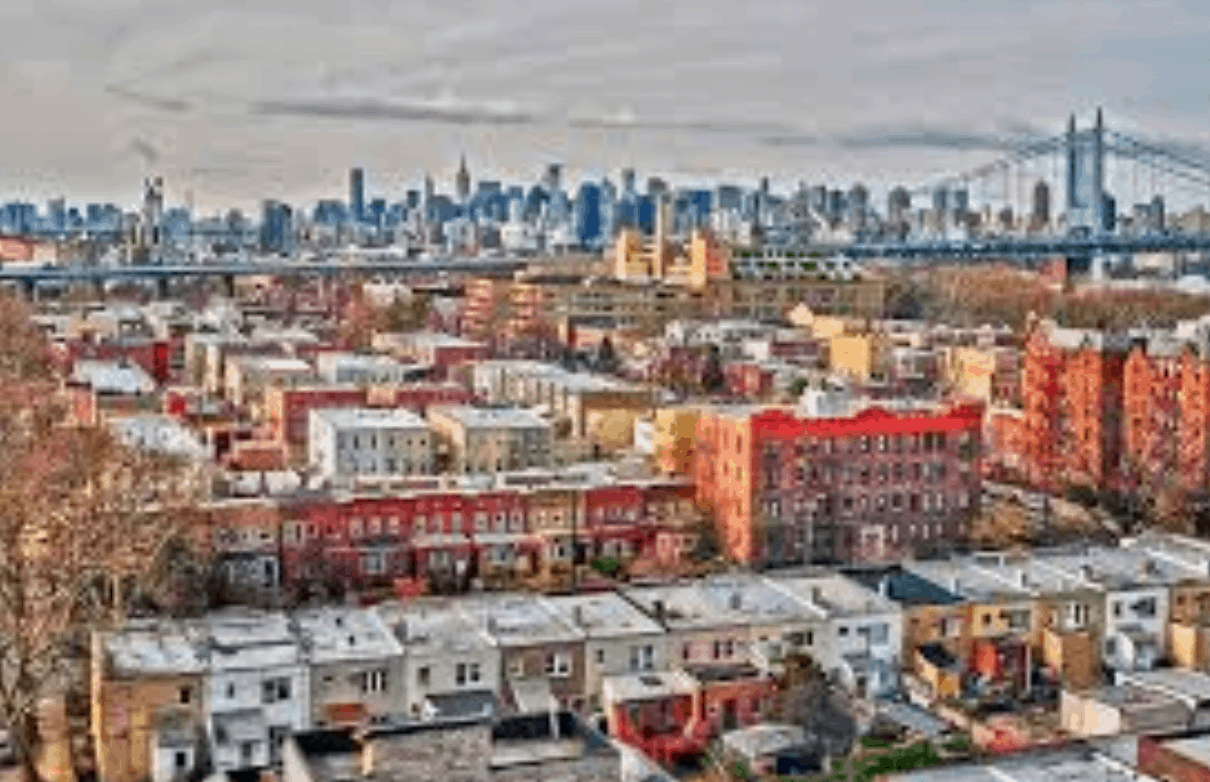
Evaluating urban safety and local neighborhood dynamics requires more than surface-level impressions, especially in vibrant New York City enclaves like Astoria, Queens. The search query "astoria nyc safe fr0g" combines a hyper-local geographical identifier with a curious colloquialism or community shorthand. In this context, understanding urban safety in Astoria for 2026 involves looking closely at pedestrian safety, neighborhood crime statistics, community engagement networks, and how residents navigate the intersection of a bustling cityscape and local urban wildlife preservation.
Evaluating Neighborhood Security in Astoria, Queens
Astoria remains one of the most desirable residential neighborhoods in New York City, characterized by a unique blend of historic brownstones, modern multi-family developments, and a thriving commercial corridor centered around 30th Avenue and Ditmars Boulevard. Analyzing safety metrics provided by the New York City Police Department (NYPD) 114th Precinct, which patrols Astoria and parts of Long Island City, reveals a generally favorable safety profile compared to broader municipal averages.
Property crimes and package thefts remain the most frequently reported incidents, a standard challenge for densely populated urban centers in 2026. Violent crime rates continue to track below citywide medians, making the neighborhood attractive to families, young professionals, and long-term residents alike.
Community Policing Initiative: The NYPD 114th Precinct actively partners with local civic associations, business improvement districts, and tenant patrols. Neighborhood Coordination Officers (NCOs) hold regular build-the-block meetings to address localized concerns, ranging from nighttime noise ordinances to traffic calming measures near high-density school zones.
Pedestrian Infrastructure and Traffic Safety Protocols
Navigating Astoria safely on foot, bicycle, or via micro-mobility devices depends heavily on ongoing municipal infrastructure projects. The New York City Department of Transportation (NYC DOT) has implemented several enhancements across western Queens to protect vulnerable road users.
- Protected Bike Lanes: Expanded bike infrastructure along major arteries like 21st Street and Crescent Street separates commuter cyclists from heavy vehicular traffic.
- Leading Pedestrian Intervals (LPI): Intersection signal timings give pedestrians a head start before turning vehicles receive a green light, significantly reducing pedestrian-vehicle conflicts near commercial hubs.
- Neighborhood Slow Zones: Speed limits remain capped at 25 mph across residential side streets, supported by automated speed camera enforcement networks operational 24/7.
Urban Wildlife and Environmental Health in Western Queens
When neighborhood safety discussions incorporate unusual terms or wildlife references, it highlights the growing intersection between urban development and local ecosystems. Astoria features significant green spaces, most notably Astoria Park, which runs along the East River and offers expansive recreational facilities alongside natural shoreline habitats.
The local ecosystem supports various urban wildlife species, including migratory birds, pollinators, and occasional aquatic or amphibian life near the waterfront and shoreline restoration zones. City agencies such as the Department of Parks and Recreation manage these habitats to balance public access with ecological preservation. Residents walking pets near the waterfront or park paths should remain mindful of local wildlife guidelines, leash laws, and vector control protocols managed by the NYC Department of Health and Mental Hygiene.
Comparative Safety Analysis: Astoria vs. Neighboring Queens Districts
To provide a comprehensive perspective on safety, living conditions, and infrastructure, the following comparison highlights how Astoria stacks up against neighboring Queens communities based on recent 2026 municipal data and demographic trends.
| Neighborhood | Primary Safety Focus | Average Transit Commute Time | Noteworthy Infrastructure Feature | General Risk Profile |
|---|---|---|---|---|
| Astoria | Pedestrian lighting, retail corridor security | 25-35 minutes to Midtown Manhattan | Protected bike corridors, extensive LPI signalization | Low violent crime; moderate property crime vigilance required |
| Long Island City | High-rise residential security, waterfront safety | 15-25 minutes to Midtown Manhattan | Modern esplanades, private security integration | Very low crime density in newly developed high-rise zones |
| Sunnyside | Residential block watches, traffic calming | 30-40 minutes to Midtown Manhattan | Narrow residential streets, community-led speed reductions | Stable, low-crime suburban feel within an urban grid |
| Woodside | Transit hub security (7 train/LIRR connections) | 30-45 minutes to Midtown Manhattan | Commercial avenue crosswalk upgrades | Moderate foot traffic density requiring standard pickpocket awareness |
Step-by-Step Guide to Enhancing Personal and Home Security in Astoria
Implementing proactive security measures ensures peace of mind whether renting an older apartment or owning a multi-family home in Astoria.
- Conduct a Physical Security Audit: Check all entry points, including fire escape windows and ground-floor entry doors, ensuring deadbolt locks meet NYC housing maintenance code requirements.
- Optimize Smart Home Technology: Install high-definition video doorbells and motion-activated exterior lighting, remaining compliant with local privacy laws regarding public sidewalk recording.
- Engage with Local Precinct Resources: Attend monthly 114th Precinct community council meetings to stay informed about localized crime trends, scam alerts, and seasonal safety advisories.
- Secure Deliveries: Utilize local pickup lockers or package reception services to mitigate porch piracy and package theft common in multi-unit walk-up buildings.
- Prepare for Severe Weather: Monitor emergency alerts from NYC Emergency Management, keeping flood mitigation plans ready if residing in low-lying zones near the East River waterfront.
Frequently Asked Questions
Is Astoria, NYC considered a safe neighborhood for families and solo residents?
Astoria is widely regarded as one of the safest and most desirable neighborhoods in Queens, boasting active community policing and low violent crime rates. Residents enjoy a vibrant street life, though standard urban precautions regarding property security and late-night travel remain recommended.
What police precinct covers the Astoria area?
The NYPD 114th Precinct holds jurisdictional responsibility for Astoria, Dutch Kills, Steinway, and parts of Long Island City. They maintain an active community affairs bureau and hold regular public coordination meetings.
How does the NYC DOT protect pedestrians on busy Astoria corridors?
The NYC DOT utilizes leading pedestrian intervals, expanded sidewalk extensions, high-visibility crosswalks, and 24/7 automated speed cameras along major avenues like Broadway, 30th Avenue, and Ditmars Boulevard.
Where can residents report neighborhood safety hazards or non-emergency issues?
Residents can utilize the official 311 service via phone, mobile app, or online portal to report non-emergency municipal issues such as broken streetlights, illegal dumping, or traffic signal malfunctions.
Are there environmental safety guidelines for visiting Astoria Park?
Visitors should adhere to posted park rules, respect wildlife protection zones along the East River shoreline, and follow designated paths after dark when park lighting is active.
Securing Your Astoria Experience
Navigating life in Astoria requires balancing the energetic pace of New York City living with practical awareness of neighborhood infrastructure, safety protocols, and community resources. By staying informed through local precinct updates, utilizing municipal safety systems, and engaging with neighborhood civic networks, residents can fully enjoy everything this historic Queens community has to offer.