CHI OneCare is a comprehensive clinically integrated network and value-based care initiative managed by CommonSpirit Health. It prioritizes patient outcomes through coordinated healthcare delivery, connecting primary care physicians, specialists, and hospitals to streamline treatment. By 2026, it serves as a primary model for reducing costs while improving the quality of chronic disease management and preventative health.
What is CHI OneCare?
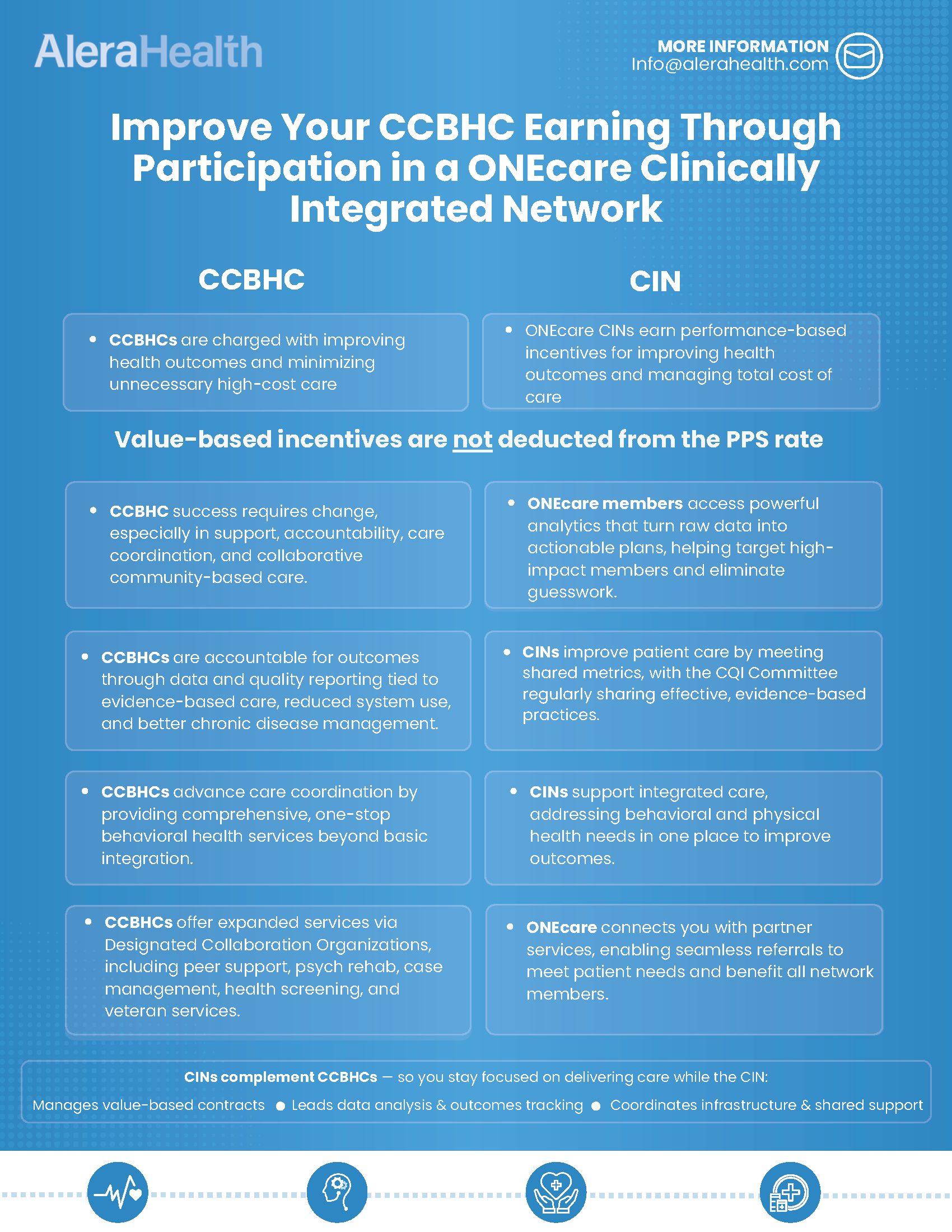
CHI OneCare represents the evolution of healthcare delivery within the CommonSpirit Health ecosystem (the organization formed by the merger of Catholic Health Initiatives and Dignity Health). At its core, CHI OneCare is a Clinically Integrated Network (CIN) and, in many regions, functions as an Accountable Care Organization (ACO). The primary objective of this entity is to shift the healthcare paradigm from a "volume-based" model—where providers are paid for every test or procedure—to a "value-based" model, where providers are rewarded for keeping patients healthy and managing costs effectively.
In 2026, the CHI OneCare network encompasses thousands of providers across several states, with a particularly strong presence in Nebraska, southwest Iowa, and parts of the Southeast. The network serves various populations, including those on Medicare, participants in commercial employer-sponsored plans, and individuals in Medicaid managed care programs. By utilizing a shared data infrastructure, the network ensures that a patient's medical history, lab results, and imaging are accessible to all authorized providers within the system, reducing redundant testing and preventing dangerous drug interactions.
The Foundations of Value-Based Care in 2026
To understand CHI OneCare, one must understand the mechanics of Value-Based Care (VBC). As we operate in 2026, VBC has become the gold standard for healthcare sustainability. Unlike traditional fee-for-service models, CHI OneCare operates under a set of "Quality Metrics" established by the Centers for Medicare & Medicaid Services (CMS) and private insurers.
Key Pillars of the OneCare Model:
- Care Coordination: This involves "care navigators" or "care managers" (often registered nurses or social workers) who help patients navigate the complex healthcare system. They are especially vital for patients with multiple chronic conditions like diabetes, COPD, or heart failure.
- Data Analytics: OneCare utilizes sophisticated population health management tools. These platforms identify "rising risk" patients—those whose data suggests they may be headed for an emergency room visit or a hospital readmission—allowing providers to intervene early.
- Standardized Evidence-Based Protocols: Physicians within the CHI OneCare network agree to follow clinical pathways that are proven to be the most effective for specific diagnoses. This reduces "clinical variation," which is a major driver of unnecessary healthcare spending.
Eligibility and Enrollment Guidelines
Eligibility for CHI OneCare depends largely on your primary insurance provider and your geographic location. Because OneCare is a network rather than an independent insurance company, you typically "join" OneCare by selecting a primary care provider (PCP) who is a member of the network.
Medicare Beneficiaries
For those on Original Medicare, you may be "attributed" to CHI OneCare if your primary care doctor participates in the CHI OneCare ACO. In this scenario, you do not lose any Medicare benefits; rather, you gain the additional layer of care coordination that the ACO provides. For those in Medicare Advantage (Part C) plans, CHI OneCare often serves as the preferred provider network for specific plans offered by insurers like UnitedHealthcare, Humana, or Aetna.
Employer-Sponsored and Individual Plans
Many large employers in regions where CHI (CommonSpirit) operates have "narrow network" or "tiered network" options. In these plans, choosing a CHI OneCare provider usually results in lower out-of-pocket costs, such as reduced copays or lower deductibles.
Requirements for Participation in 2026:
- Geographic Residency: You must reside within the service area of a participating CommonSpirit Health facility.
- PCP Selection: In most managed care iterations of OneCare, you must formally designate a network physician as your primary care lead.
- Data Sharing Consent: While patients can often opt-out of data sharing, the full benefits of the OneCare coordination model are only realized when patients allow their health records to be shared across the network’s secure platforms.
Key Benefits and Services Provided
The value proposition of CHI OneCare extends beyond simple medical visits. The network is designed to wrap around the patient with multiple layers of support.
Preventative Health and Wellness
In 2026, OneCare places a heavy emphasis on proactive wellness. This includes automated reminders for screenings (mammograms, colonoscopies, A1C checks) and annual wellness visits. Under the value-based model, these preventative services are often covered at 100% with no cost-sharing for the patient, as they are the primary tool for avoiding expensive acute care later.
Chronic Disease Management
For patients with long-term illnesses, OneCare provides specialized clinics and remote monitoring tools. A patient with hypertension might receive a cellular-connected blood pressure cuff that sends daily readings directly to their OneCare care manager. If the readings spike, the manager can adjust medications or schedule a telehealth visit before a stroke or heart attack occurs.
Behavioral Health Integration
Recognizing the link between physical and mental health, CHI OneCare has integrated behavioral health specialists directly into primary care offices. This "collaborative care model" allows patients to receive mental health screenings and brief interventions during their regular physical exams, removing the stigma and logistical hurdles often associated with psychiatric care.
Comparing CHI OneCare to Traditional Models
It is helpful to visualize how CHI OneCare differs from the traditional healthcare experience. The following table highlights the operational differences as of 2026.
| Feature | Traditional Fee-for-Service | CHI OneCare (Value-Based) |
|---|---|---|
| Primary Goal | Volume of services provided | Quality of patient outcomes |
| Data Sharing | Fragmented; patient often carries records | Integrated; electronic health records (EHR) shared |
| Care Transitions | Patient manages their own referrals | Care managers assist with transitions |
| Cost Incentives | Providers paid per visit/procedure | Providers rewarded for efficiency and health |
| Preventative Care | Often reactive (treating symptoms) | Proactive (preventing illness) |
| Technology | Minimal remote monitoring | Heavy use of telehealth and wearables |
The Role of Technology: MyChart and Beyond
A critical component of the CHI OneCare experience in 2026 is the digital interface. Most patients interact with the network through the CommonSpirit MyChart portal. This platform serves as the central hub for:
- Scheduling: Real-time booking for in-person and virtual visits.
- Results: Instant access to lab and imaging results, often with AI-generated summaries to help patients understand the data.
- Communication: Secure messaging with the entire care team, including nurses and pharmacists.
- Prescriptions: One-click refills and integration with mail-order pharmacy services that offer lower costs for OneCare members.
Furthermore, CHI OneCare has expanded its use of Artificial Intelligence (AI) for predictive modeling. The system analyzes thousands of data points to predict which patients are at the highest risk for falls or medication non-compliance. This allows the care team to reach out with social services or home health checks before an incident occurs.
Navigating the Provider Network
One of the most common questions regarding CHI OneCare is who "counts" as a network provider. The network is comprised of several tiers:
- Employed Physicians: Doctors directly employed by CommonSpirit Health/CHI.
- Affiliated Independent Physicians: Independent practices that have signed "Participation Agreements" to follow OneCare’s quality standards and use their data-sharing tools.
- Facilities: This includes acute care hospitals, urgent care centers, outpatient surgery centers, and skilled nursing facilities (SNFs).
When a patient needs a specialist, the OneCare system defaults to "Internal Referrals." While patients generally have the legal right to see any provider their insurance allows, staying within the OneCare network ensures that the specialist will have immediate access to the patient's primary care records, and the primary doctor will receive an immediate report of the specialist's findings.
Financial Implications and Costs
Participating in CHI OneCare can lead to significant cost savings, but it requires an understanding of how insurance contracts work in 2026.
- Premiums: If you are in an employer-sponsored plan that utilizes CHI OneCare as a "Preferred" or "Tier 1" network, your monthly premiums are often lower than "Open" plans.
- Out-of-Pocket Maximums: Many OneCare-aligned insurance products feature lower annual out-of-pocket maximums to encourage patients to stay within the coordinated system.
- Value-Based Adjustments: For Medicare beneficiaries, there is no "extra cost" to be part of the ACO. In fact, by receiving better-coordinated care, many patients find they spend less on "gap" costs and co-insurance because they avoid unnecessary hospitalizations.
It is important to note that if a patient chooses to see a provider outside the CHI OneCare network without a specific "Out-of-Network" authorization, they may face significantly higher coinsurance (e.g., 50% vs. 20%) or the service may not be covered at all, depending on the specific plan design.
Common Obstacles and Troubleshooting
While the model is designed to be seamless, patients may occasionally encounter issues.
- Referral Delays: Because the system emphasizes "the right care at the right time," some high-cost procedures or out-of-network referrals may require more rigorous "Prior Authorization" than in the old fee-for-service days.
- Provider Transitions: Occasionally, a doctor may leave the OneCare network. Patients are typically notified 30 to 60 days in advance and are assisted in transitioning to a new network provider to ensure continuity of care.
- Digital Divide: For elderly patients or those without reliable internet, the reliance on MyChart can be a barrier. CHI OneCare addresses this in 2026 through "Tele-assist" programs, where local community centers or visiting nurses help patients utilize digital health tools.
Frequently Asked Questions
Does CHI OneCare replace my current health insurance?
No. CHI OneCare is not an insurance company; it is a network of healthcare providers. You still need an insurance policy (like Medicare, a Cigna plan, or a Blue Cross plan). OneCare is the "system" of doctors and hospitals that your insurance pays to look after you.
Can I still see a specialist who is not part of CHI?
Yes, in most cases you can, but it depends on your specific insurance plan. If you have Original Medicare, you can see any provider that accepts Medicare. However, if you are in a "HMO" or "Narrow Network" plan that uses CHI OneCare, seeing an outside specialist may require a referral and could cost you more out-of-pocket.
How does CHI OneCare improve my health?
The primary mechanism for health improvement is Care Coordination. By having a team that monitors your labs, reminds you of screenings, and manages your transitions between the hospital and home, the network reduces the chance of medical errors and ensures that chronic conditions are managed before they become emergencies.
Is my medical data safe within the OneCare network?
CHI OneCare uses encrypted, HIPAA-compliant Electronic Health Record (EHR) systems. Access to your data is restricted to members of your "Care Team" who have a clinical need to see it. In 2026, these systems also utilize multi-factor authentication and advanced cybersecurity monitoring to protect patient privacy.
What happens if my doctor leaves the CHI OneCare network?
If your primary care physician leaves the network, you will receive a notification. You can choose to follow that doctor (which may result in higher costs if they are now "out-of-network") or the OneCare team can help you select a new network physician who will have access to your existing medical history.
Are there extra fees for the "Care Management" services?
Generally, no. For Medicare ACO participants and most commercial "Value-Based" plans, the services of care navigators and chronic disease managers are included as part of the program's goal to reduce total healthcare spending. These services are funded by the savings generated when the network successfully keeps patients out of the hospital.
Practical Recommendations for Patients
To maximize the benefits of CHI OneCare in 2026, patients should take several proactive steps. First, ensure you have formally designated your Primary Care Provider within the MyChart portal; this "locks in" your attribution to the network and ensures your care manager is assigned. Second, always check the "Network Status" of any specialist or facility before an appointment by using the provider search tool on the CHI Health or CommonSpirit website.
Third, be an active participant in your Annual Wellness Visit (AWV). Unlike a standard physical, the AWV is specifically designed for the value-based model to create a "Personalized Prevention Plan." Finally, if you are managing a chronic condition, ask your doctor about Remote Patient Monitoring options. Utilizing these technological tools can provide a safety net that traditional healthcare simply cannot offer, ensuring that your medical team is looking out for you even when you aren't in the doctor's office.