To receive a booster shot at CVS in 2026, you must first verify your eligibility based on current CDC guidelines for the 2025-2026 seasonal formulas. Most individuals can schedule an appointment online via the CVS website or mobile app, which allows for the selection of specific vaccine types, such as COVID-19, influenza, or RSV. While walk-ins are sometimes accepted, pre-scheduling ensures dose availability and minimizes wait times. Most insurance plans cover these boosters as preventive care with no out-of-pocket cost.
Understanding the Landscape of Booster Shots in 2026
By 2026, the administration of "booster" shots has transitioned from an emergency response to a standardized component of routine seasonal wellness. CVS Pharmacy has solidified its role as a primary point of access for these immunizations, leveraging its massive infrastructure of retail locations and MinuteClinic clinics. The term "booster" now generally refers to the updated annual formulations designed to combat the most recent circulating variants of respiratory viruses.
The 2025-2026 vaccine season features updated compositions for three major viruses: COVID-19, Influenza (flu), and Respiratory Syncytial Virus (RSV). Unlike the early years of the pandemic, these vaccines are often administered concurrently, a practice supported by clinical data suggesting that co-administration is both safe and effective. CVS has adapted its scheduling interface to allow patients to "stack" these appointments, making it possible to receive multiple boosters in a single visit.
The primary subject of interest for most consumers is the COVID-19 annual booster. In 2026, the FDA’s Vaccines and Related Biological Products Advisory Committee (VRBPAC) continues to meet annually to select the viral strains that mRNA and protein-subunit vaccines should target. This process mirrors the long-standing tradition used for the flu shot, ensuring that the antibodies generated by the vaccine are as closely matched as possible to the variants currently in the community.
Eligibility and CDC Guidelines for the 2025-2026 Season
Eligibility for boosters at CVS is dictated by the Centers for Disease Control and Prevention (CDC) Advisory Committee on Immunization Practices (ACIP). While general recommendations apply to the broad population, specific sub-groups have unique requirements regarding timing and dosage.
General Population (Ages 5 and Older)
For most healthy individuals, a single annual dose of the updated COVID-19 and flu vaccines is recommended. In 2026, the standard is to receive these shots in the late summer or early autumn to ensure peak immunity during the winter surge months. CVS provides both the mRNA options from Pfizer-BioNTech and Moderna, as well as the protein-based alternative from Novavax for those who prefer a more traditional vaccine technology.
Seniors and High-Risk Individuals
Adults aged 65 and older, as well as those with significant immunocompromising conditions, may be eligible for additional doses. Clinical evidence has shown that immunity wanes faster in older populations, leading the CDC to maintain a "flexible" booster schedule for this group. At CVS, seniors can also access high-dose flu vaccines, which are specifically engineered to provoke a stronger immune response than standard shots.
Pediatric Eligibility
CVS immunizes children as young as 18 months at MinuteClinic locations, though the pharmacy counter typically focuses on children aged 3 or 5 and older, depending on state regulations. The 2026 pediatric boosters are formulated with lower dosages to maximize safety while providing robust protection against the prevailing strains.
How to Schedule a CVS Booster Appointment
CVS has optimized its digital platforms to handle high volumes of vaccine scheduling. While some rural or low-traffic locations may accommodate walk-ins, scheduling is highly recommended to ensure the specific vaccine brand (e.g., Pfizer vs. Moderna) is in stock.
Online Scheduling via CVS.com
- Navigate to the Immunization Portal: Visit the CVS Vaccine Scheduler.
- Select Vaccine Type: You will be prompted to choose which vaccines you need. You can select COVID-19, Flu, RSV, or other routine shots like Tdap or Shingles.
- Enter Personal Details: You must provide your date of birth and zip code. This helps the system determine eligibility and find the nearest location with available stock.
- Health Screening: A brief questionnaire will ask about current symptoms, previous allergic reactions to vaccines, and your last vaccination date.
- Choose Time and Location: The system will display a map of nearby CVS stores with available time slots. You can filter by "mRNA Only" or "Novavax" if you have a preference.
Using the CVS Pharmacy Mobile App
The mobile app offers the most streamlined experience, especially for those who have an ExtraCare account. The app stores your previous immunization records at CVS, allowing the system to automatically calculate when you are due for your next booster. After booking, the app provides a QR code for "Express Check-In" upon arrival at the pharmacy.
MinuteClinic vs. Pharmacy Counter
It is important to distinguish where your appointment takes place. Standard boosters are typically administered by a pharmacist or a trained pharmacy technician at the pharmacy counter. However, if you require a more comprehensive wellness exam or are seeking vaccines for very young children, you may need to book through MinuteClinic, which is staffed by nurse practitioners and physician assistants.
Insurance Coverage and Out-of-Pocket Costs
In 2026, the "Bridge Access Program" and other temporary federal subsidies from the pandemic era have largely concluded. However, vaccination remains a cornerstone of preventive health under the Affordable Care Act (ACA).
| Vaccine Type | Typical Insurance Coverage | Out-of-Pocket Cost (Uninsured) |
|---|---|---|
| COVID-19 Booster | $0 (Preventive) | $120 - $190 |
| Annual Flu Shot | $0 (Preventive) | $50 - $95 |
| RSV Vaccine | $0 (Age 60+ / Risk groups) | $280 - $350 |
| Pneumonia | $0 (Age 65+ / Risk groups) | $200 - $250 |
Private Insurance and Medicare
Most private health plans (Blue Cross, Aetna, UnitedHealthcare, etc.) cover the cost of boosters 100% when received at an in-network provider like CVS. Medicare Part B also covers the COVID-19 and flu vaccines with no deductible or co-payment. For RSV, coverage usually falls under Medicare Part D, which might involve a small co-pay depending on the specific plan's formulary in 2026.
Options for the Uninsured
For individuals without insurance, CVS occasionally partners with local health departments or non-profit organizations to provide discounted clinics. Additionally, checking for state-specific programs is advised, as many states have maintained "Vaccines for Adults" (VFA) programs to ensure public health stability post-2024.
Technical Specifications of the 2026 Boosters
The technology behind the boosters available at CVS continues to evolve. In 2026, the focus is on "multivalent" or "variant-adapted" designs.
- mRNA Technology (Pfizer/Moderna): These vaccines use messenger RNA to instruct cells to produce a harmless piece of the spike protein found on the current 2026 variants. This technology allows for rapid updates—manufacturers can pivot the vaccine's "code" within weeks of a new variant's emergence.
- Protein Subunit (Novavax): For those hesitant about mRNA, Novavax remains a critical option. It uses a more traditional approach by delivering the spike protein directly, combined with an adjuvant to boost the immune response.
- Adjuvanted and High-Dose (Flu): For the 2025-2026 flu season, CVS carries Fluzone High-Dose and Fluad, which are specifically indicated for those over 65 to overcome immunosenescence (the natural weakening of the immune system with age).
What to Expect During and After Your Appointment
The actual administration of a booster at CVS is a quick process, typically taking less than 15 minutes from check-in to completion.
Preparation
Wear a short-sleeved shirt to allow easy access to the deltoid muscle. It is generally advised to stay hydrated but avoid taking preventative painkillers (like ibuprofen) before the shot, as some studies suggest it could slightly dampen the initial immune response.
The Injection
The pharmacist will verify your identity, confirm the vaccine you are receiving, and provide a Vaccine Information Statement (VIS). This document outlines the benefits and risks of the specific immunization. The injection itself is a "quick prick" in the upper arm.
Observation Period
Following the injection, you will be asked to wait in the pharmacy area for 15 minutes. This is a standard safety protocol to monitor for rare immediate allergic reactions (anaphylaxis). CVS staff are trained in emergency response and maintain epinephrine (EpiPens) on-site.
Post-Vaccine Care
Common side effects in 2026 remain consistent with earlier versions of the vaccines:
- Local Reactions: Soreness, redness, or swelling at the injection site.
- Systemic Reactions: Low-grade fever, fatigue, headache, or muscle aches. These symptoms typically resolve within 24 to 48 hours. If symptoms persist beyond three days or if you experience severe chest pain or shortness of breath, you should seek medical attention immediately.
Frequently Asked Questions
Can I get my COVID-19 booster and flu shot at the same time at CVS?
Yes, you can receive both vaccines during the same visit. In 2026, clinical guidelines from the CDC continue to confirm that co-administration does not decrease the effectiveness of either vaccine or significantly increase the severity of side effects. Most people choose to have one shot in each arm for comfort.
How do I access my digital vaccine record from CVS?
CVS provides a digital vaccination card through the CVS Pharmacy app and website. After your appointment, the record is typically updated within 24 hours. This record is compatible with most "SMART Health Card" readers, which may be required for certain international travel or healthcare settings in 2026.
Does CVS offer the Novavax booster in 2026?
CVS carries the Novavax protein-based vaccine at select locations. Because Novavax has a different storage and shelf-life profile than mRNA vaccines, it is highly recommended to use the "Filter by Vaccine Type" tool on the CVS website when scheduling to ensure your chosen store has it in stock.
Is the 2026 booster effective against new variants?
The 2025-2026 formulas were specifically selected based on genomic surveillance from the previous year. While no vaccine offers 100% protection against infection, these boosters are highly effective at preventing severe disease, hospitalization, and death caused by the currently circulating strains.
What should I do if I lost my physical CDC vaccination card?
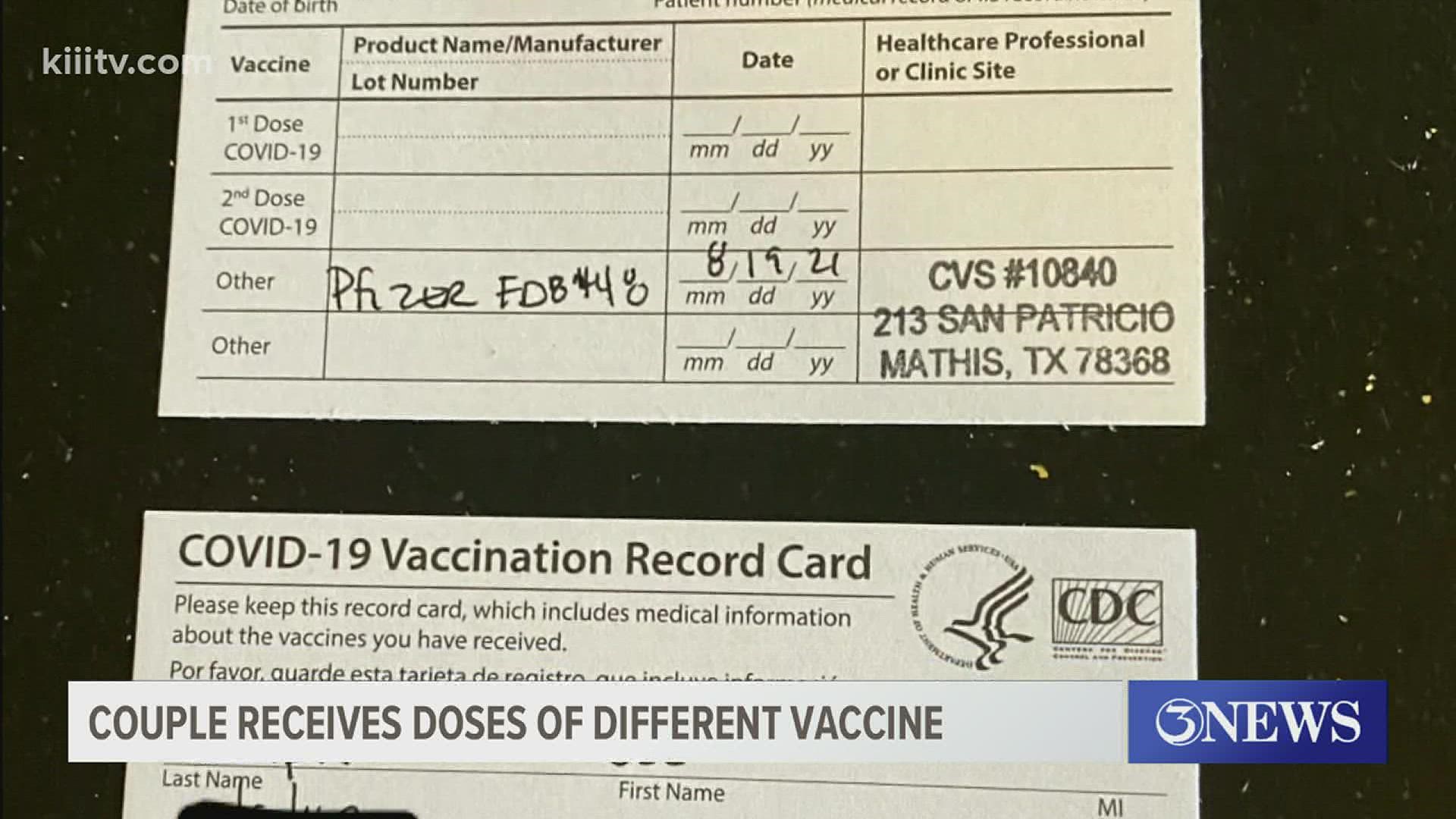
By 2026, physical cards have largely been replaced by digital records. However, if you need a paper copy, a CVS pharmacist can print a record of any immunization you received at their locations. For a complete history involving multiple providers, you should contact your state's Immunization Information System (IIS).
Final Recommendation for 2026
To ensure the best protection for the 2025-2026 viral season, schedule your CVS booster in late September or early October. This timing allows your immune system to reach peak antibody levels just as indoor gatherings and holiday travel increase the risk of transmission. Always use the CVS mobile app to check for "ExtraCare" rewards, as the pharmacy frequently offers shopping discounts or coupons as an incentive for staying up-to-date with your vaccinations.