Analyzing regional weather patterns across the Front Range requires a deep understanding of Denver’s unique microclimates, high-altitude atmospheric dynamics, and shifting seasonal transitions. This comprehensive meteorological breakdown delivers the definitive ten-day forecast for Denver, equipping residents, travelers, and outdoor enthusiasts with actionable meteorological intelligence for the 2026 season.
Understanding Denver’s High-Altitude Meteorological Environment
Denver sits at an elevation of exactly 5,280 feet above sea level, earning its moniker as the Mile High City. This unique geographic placement at the base of the Rocky Mountain foothills introduces severe atmospheric volatility. Lower atmospheric pressure and thinner air mean solar radiation is significantly more intense, leading to rapid daytime heating followed by dramatic temperature drops after sunset.
When evaluating any ten-day forecast for Denver, meteorologists factor in several core geographical drivers:
- The Chinook Wind Effect: Warm, dry winds descending from the Rocky Mountains can elevate temperatures by 20 to 30 degrees Fahrenheit within a matter of hours, rapidly melting snowpack.
- Upslope Flow Dynamics: Easterly winds push moisture against the face of the Front Range, forcing air upward to condense into heavy, localized snowfall or persistent drizzle.
- Diurnal Mountain-Valley Circulations: Daytime heating pulls air up mountain slopes, while nighttime cooling drains dense, cold air down into the urban basin.
Extended Ten-Day Weather Outlook for Denver
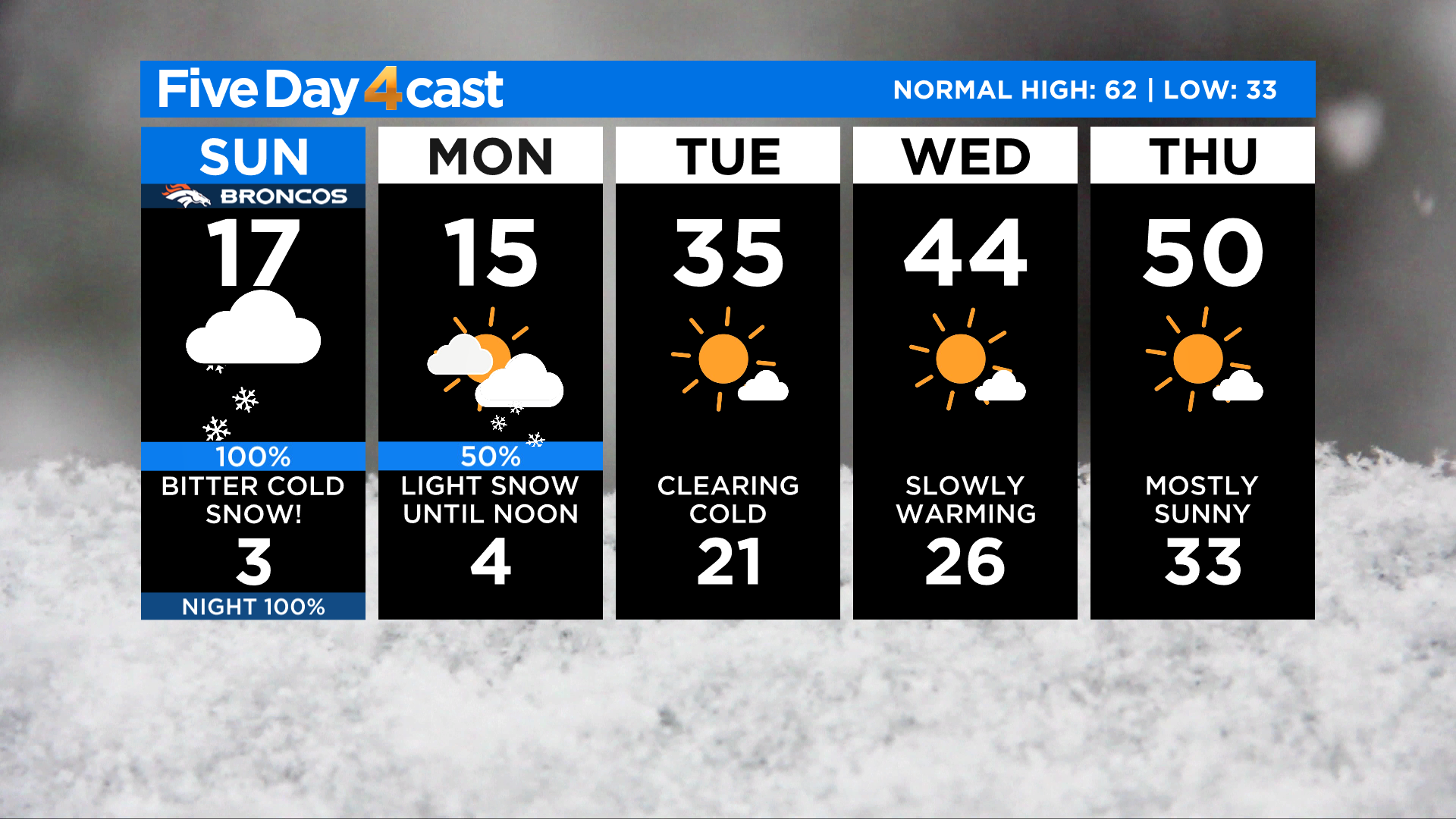
The following meteorological model projects atmospheric conditions, precipitation probabilities, and temperature ranges for the upcoming ten-day operational cycle in Denver for 2026.
| Day / Date | Forecast Condition | High (°F) | Low (°F) | Wind Dynamics | Precipitation Probability |
|---|---|---|---|---|---|
| Day 1 | Partly Sunny & Mild | 62 | 34 | WSW at 8-12 mph | 10% |
| Day 2 | Increasing Clouds | 58 | 38 | S at 10-15 mph | 20% |
| Day 3 | Rain/Snow Mix Transition | 45 | 28 | E/NE at 15-25 mph | 70% |
| Day 4 | Clearing & Cool | 50 | 26 | W at 10-14 mph | 15% |
| Day 5 | Sunny & Warming | 65 | 37 | SSW at 12-18 mph | 0% |
| Day 6 | Breezy & Dry | 71 | 42 | WSW at 20-30 mph | 5% |
| Day 7 | High Clouds & Mild | 68 | 40 | S at 8-15 mph | 10% |
| Day 8 | Afternoon Thunderstorms | 59 | 35 | Variable at 10-20 mph | 55% |
| Day 9 | Crisp & Clear | 56 | 31 | NW at 10-15 mph | 10% |
| Day 10 | Beautiful & Sunny | 64 | 36 | W at 8-12 mph | 0% |
Meteorological Factors Impacting Daily Forecasting Accuracy
Predicting weather ten days out in Denver involves balancing deterministic computer models with probabilistic ensemble forecasting. Forecasters utilize the Global Forecast System (GFS) and the European Centre for Medium-Range Weather Forecasts (ECMWF) to track pressure ridges and troughs moving across the Western United States.
Expert Meteorological Advisory: Due to the complex interplay between the Continental Divide and the high plains, forecast accuracy decreases past Day 5. Sudden shifts in jet stream positioning can turn a projected sunny weekend into a major upslope snow event within a 24-hour window. Always cross-reference long-range outlooks with local radar updates before embarking on high-altitude excursions.
The Role of Atmospheric Pressure Systems
High-pressure systems typically bring clear, stable skies and calm winds to the Denver metro area, allowing maximum solar heating. Conversely, passing low-pressure troughs draw moisture-laden air masses from the Gulf of Mexico or Pacific Northwest, creating favorable conditions for severe convective storms in the spring and heavy snowfall in the late autumn and winter months.
Comparative Analysis of Denver Weather Seasons
Denver experiences four distinct seasons, each presenting unique forecasting challenges and extreme meteorological swings. Understanding these seasonal baselines helps contextualize short- and long-term forecasts.
- Spring (March - May): Characterized by extreme volatility. Denver can experience 70-degree sunny days followed immediately by historic blizzards (such as the classic April upslope storms).
- Summer (June - August): Warm and predominantly dry with afternoon high temperatures regularly exceeding 90°F. Monsoonal moisture from the Southwest frequently triggers rapid-onset afternoon thunderstorms featuring gusty winds and brief hail.
- Autumn (September - November): Rapid cooling trends accompanied by some of the most stable, clear-sky periods of the year. The first freeze typically occurs in mid-October.
- Winter (December - February): Cold with moderate snowfall. Thanks to intense high-altitude sunshine, snow cover in the city center often melts quickly within days of a storm, even when ambient air temperatures remain chilly.
Step-by-Step Guide to Interpreting Long-Range Forecasts
Navigating complex weather data requires a structured approach to ensure personal safety, property protection, and efficient daily scheduling.
- Monitor Trend Lines Rather Than Absolute Numbers: Look at the overarching temperature trajectory (warming vs. cooling trends) rather than focusing on the exact projected high temperature ten days out.
- Evaluate Precipitation Types: Distinguish between liquid precipitation, mixed precipitation, and heavy snow alerts. Pay close attention to freezing levels relative to Denver's 5,280-foot baseline.
- Track Wind Advisories: High wind warnings along the foothills and urban corridor can impact highway travel for high-profile vehicles and elevate local wildfire risks during dry spells.
- Check Barometric Pressure Trends: A falling barometric pressure reading indicates an approaching storm system, signaling the need to secure outdoor items and check vehicle readiness.
Frequently Asked Questions
How reliable is a ten-day forecast for Denver?
A ten-day forecast offers a reliable generalized trend of upcoming atmospheric patterns, but exact temperatures and precipitation timing carry a higher margin of error beyond five days. Because Denver's weather is heavily influenced by the nearby Rocky Mountains, microscale changes can alter outcomes rapidly.
Why do Denver temperatures fluctuate so dramatically in a single day?
Denver's high elevation of 5,280 feet places the city beneath a thinner layer of the atmosphere, allowing intense solar radiation to heat the ground quickly during the day. Once the sun sets, that same thin air allows heat to escape rapidly into space, causing sharp, immediate drops in nighttime temperature.
How do Chinook winds impact local weather conditions?
Chinook winds are warm, dry air masses that descend the eastern slopes of the Rocky Mountains, compressing and warming as they drop in altitude. These winds frequently cause temperatures in Denver to spike by 20 to 30 degrees within hours and can rapidly evaporate existing snow cover.
What is an upslope snowstorm in Denver?
An upslope snowstorm occurs when low-pressure systems push moist air from the east directly against the higher terrain of the Front Range. This forced upward motion cools the air, producing heavy, prolonged snowfall and reduced visibility across the Denver metropolitan area.
How should I prepare for sudden weather shifts in Denver?
Always practice the layer-clothing approach when traveling or exploring outdoors in the Denver area, and keep an emergency kit in your vehicle during transitional seasons. Monitoring real-time radar and local meteorological alerts ensures you remain prepared for unexpected mountain weather anomalies.
Strategic Action Plan for Weather Preparedness
Staying ahead of Denver's unpredictable atmospheric shifts demands proactive preparation. Maintain a well-stocked home emergency kit, monitor verified meteorological services for active weather advisories, and ensure your vehicle is equipped for rapid winter weather transitions. By leveraging accurate, up-to-date forecasting data, you can navigate Denver's dynamic climate safely and efficiently throughout 2026.