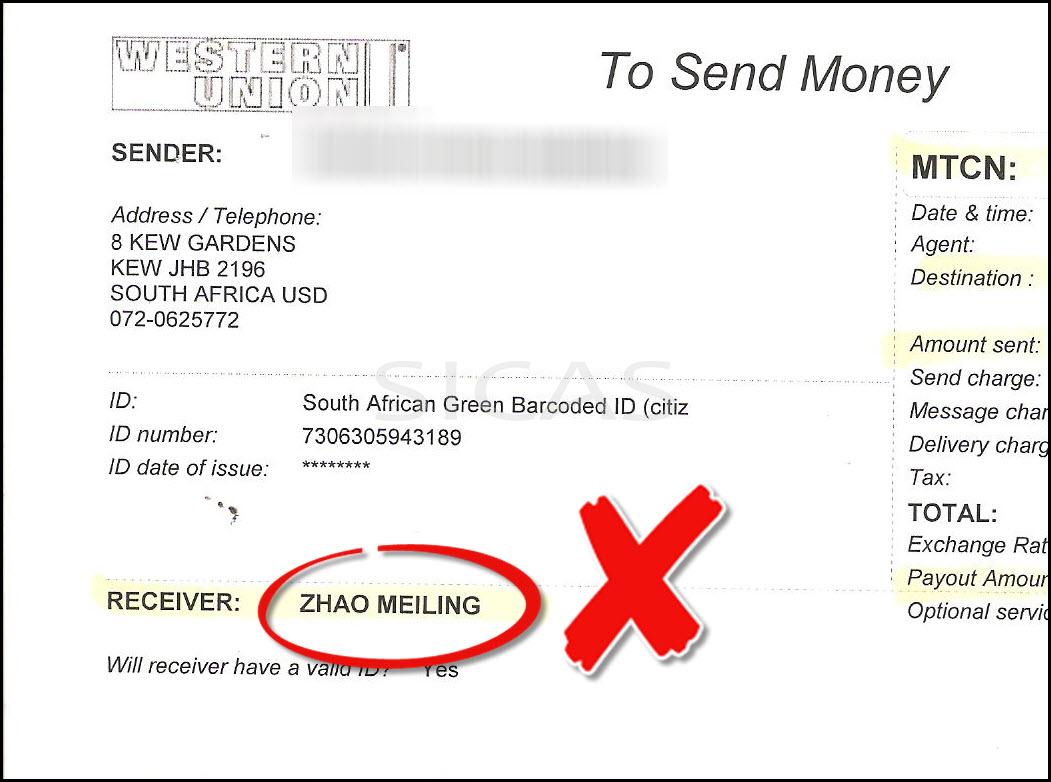
Decoding a specific Money Transfer Control Number format like the query string "mtcn number zq8i" requires an understanding of global remittance protocols, payment security standards, and transaction tracking frameworks used by major financial institutions in 2026. A Money Transfer Control Number functions as a unique digital identifier assigned to every financial wire, acting as a cryptographic or sequential tracking index to ensure funds move securely between originators and beneficiaries. While alphanumeric strings like zq8i might appear in partial user queries, support tickets, or masked receipt logs, proper handling requires adherence to strict financial compliance, fraud prevention protocols, and platform-specific verification workflows.
Understanding Money Transfer Control Number Architecture
Financial networks utilize structured identification strings to trace cross-border and domestic remittances through complex clearinghouse networks. Every valid transaction identifier follows specific formatting rules governed by regulatory bodies such as the Financial Action Network, regional central banks, and global payment processors.
When analyzing alphanumeric strings within transaction logs, operational systems evaluate several key parameters to determine validity, processing status, and compliance clearance:
- Length and Checksum Validation: Standard tracking numbers typically adhere to strict character count minimums and mathematical validation algorithms to prevent processing errors.
- Network Issuer Identification: Prefixes and specific digit combinations identify the originating financial institution or remittance service provider.
- Timestamp Association: Encoded data segments map directly to database entries containing precise transaction timestamps down to the second.
- Lifecycle State: Indicators determine whether funds are currently pending, available for pickup, deposited, or reversed due to compliance holds.
Operational Workflows for Tracking Remittances in 2026
Navigating modern financial tracking systems requires adherence to secure, authorized verification channels. Unauthorized lookup tools pose severe cybersecurity risks, including credential harvesting and financial fraud.
To verify a transfer status safely, users and financial administrators must utilize official portals, authenticated mobile applications, or secure API endpoints provided by the issuing institution. Below is the standard protocol for investigating transfer statuses using tracking indicators:
- Access the Official Gateway: Navigate exclusively to the verified domain or mobile application of the remittance provider associated with the transaction.
- Authenticate Secure Session: Log in using multi-factor authentication credentials, biometric verifications, or secure agent portal tokens.
- Input Transaction Identifiers: Enter the complete tracking string into the designated lookup field, ensuring no trailing or leading whitespace corrupts the query.
- Review Compliance Status: Analyze the returned status codes to verify if additional identification, sender verification, or tax documentation is required to release the funds.
- Archive Audit Logs: Export or record the electronic receipt and transaction reference data for internal accounting and compliance record-keeping.
Security Advisory: Never transmit complete tracking numbers or sensitive personal identification data via unsecured communication channels, public chat forums, or unverified email threads. Financial institutions will never request full verification details through social media platforms.
Comparative Overview of Remittance Verification Methods
Evaluating the efficiency and security of various tracking mechanisms helps organizations and individuals choose the most reliable path for resolving delayed or disputed transfers.
| Verification Method | Processing Speed | Security Level | Primary Use Case |
|---|---|---|---|
| Official Mobile App | Instant | High (Biometric/MFA) | Consumer tracking and instant receipt retrieval |
| Agent Portal Lookup | Real-Time | Very High (Role-Based) | Authorized retail cash pickup validation |
| Automated Phone IVR | Moderate | Moderate (PIN Required) | Basic status checks without internet access |
| Customer Support Ticket | 24 - 48 Hours | High (Identity Verified) | Fraud investigation and fund recovery |
Common Failure Points and Troubleshooting Protocols
Remittance processing interruptions frequently occur due to data mismatches, regulatory reviews, or network maintenance windows. Understanding these bottlenecks allows administrators and senders to resolve issues without unnecessary escalation.
- Name Mismatch Errors: The beneficiary name on the transfer order must match government-issued identification documents exactly. Even minor spelling variations trigger automated compliance holds.
- Regulatory Compliance Holds: Anti-money laundering and counter-terrorist financing algorithms flag transactions crossing specific monetary thresholds or originating from high-risk jurisdictions.
- System Timeouts: High-volume processing periods can cause temporary delays in database synchronization between international partner banks.
- Expired Transfer Allocations: Unclaimed cash pickups usually expire after a defined operational window, requiring the sender to request a reissue or fund reversal.
Expert Insight: When dealing with delayed transfers, always request the internal transaction trace ID alongside the public tracking number. This internal identifier allows corporate compliance teams to query the specific clearinghouse node where the transaction is currently stalled.
Frequently Asked Questions
What is an MTCN number and how is it used?
An MTCN (Money Transfer Control Number) is a unique tracking code assigned to a financial remittance to monitor its movement and secure its delivery. It acts as the primary key used by both senders and receivers to verify transaction status and execute cash payouts or account deposits.
Can a partial string like zq8i be used to track a money transfer?
No, partial strings, truncated receipt codes, or masked identifiers cannot access live financial databases due to strict data privacy and security protocols. A complete, unmasked tracking code and secondary verification parameters are required to retrieve transfer details.
Why is a money transfer marked as pending even with a valid tracking number?
Transfers often remain pending due to automated compliance screening, required identity verification from the recipient, or standard processing delays between international banking networks. Senders should check their registered email for urgent requests from the financial institution's compliance department.
How can I report a fraudulent transfer or incorrect tracking entry?
Report suspected fraud immediately by contacting the official fraud department of the issuing remittance provider and filing a formal dispute through your bank or payment card issuer. Immediate reporting increases the likelihood of freezing the transaction before funds are disbursed.
What should I do if the recipient cannot collect funds using the tracking details?
Verify that the receiver's government-issued identification matches the name on the transfer order down to the exact spelling. If the details are correct, contact customer support to confirm that the transfer destination is fully operational and that no local regulatory holds apply.
Conclusion and Next Steps
Securing and verifying financial transactions demands strict adherence to institutional protocols and cybersecurity best practices. Whether managing cross-border commercial payments or familial support remittances, relying on verified channels ensures transparency and protects against financial fraud. Always maintain secure records of your transaction receipts and consult official support frameworks whenever processing anomalies arise.