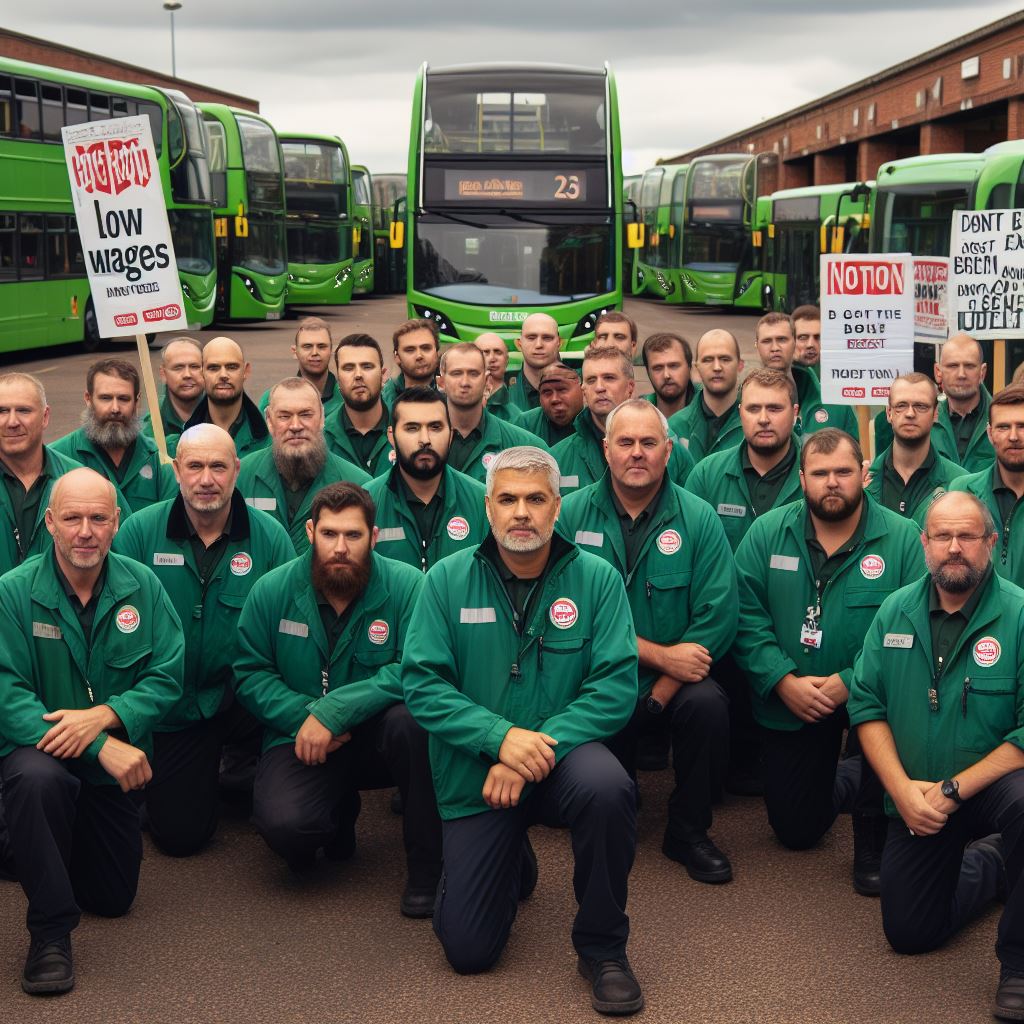
The Manhattan and Bronx Surface Transit Operating Authority (MABSTOA) functions as a subsidiary of the New York City Transit Authority (NYCTA). When individuals inquire about a "Bus Operator" role within this entity, they are looking for information regarding the frontline professionals responsible for the safe and efficient operation of NYC’s vast surface transit fleet.
Defining the MABSTOA Bus Operator Role
A MABSTOA Bus Operator is a specialized public service role tasked with navigating transit buses through the high-density urban environments of Manhattan and the Bronx. Unlike operators in other transit sectors, MABSTOA employees operate within a unique organizational structure that traces its history back to the transition of private bus lines into public ownership in the early 1960s.
As of 2026, the position is far more than driving a heavy vehicle. It is a safety-critical role governed by rigorous Department of Transportation (DOT) regulations and internal MTA policies. Operators are responsible for:
- Maintaining strict adherence to published transit schedules across complex, high-traffic corridors.
- Ensuring the safety of diverse passenger populations, including accessibility requirements for those using mobility devices.
- Managing fare collection systems, which have fully transitioned to the OMNY (One Metro New York) contactless payment standard.
- Communicating with the Bus Command Center regarding route diversions, emergency incidents, or mechanical issues.
Structural Differences Between MABSTOA and NYCTA
While MABSTOA operates under the umbrella of the MTA, potential applicants often confuse MABSTOA with the New York City Transit Authority (NYCTA). While they function as a unified operational unit for passengers, they maintain distinct legal and administrative boundaries regarding labor relations and pension structures.
Operational Framework Differences
Pension and Benefits Alignment MABSTOA employees traditionally fall under a separate collective bargaining structure compared to NYCTA employees. While both organizations provide city-funded benefits, the specific retirement systems and disciplinary procedures may vary based on the specific union contract currently in effect as of 2026.
Unified Service Delivery For the commuter, there is no difference in the service provided. Buses operated by MABSTOA staff and those operated by NYCTA staff move through the same streets, share the same bus lanes, and utilize the same OMNY payment infrastructure.
Eligibility and 2026 Certification Requirements
Securing a position as a MABSTOA Bus Operator requires meeting strict criteria set by the MTA and New York State. Candidates must navigate a multi-stage process that prioritizes safety and professional conduct.
- CDL Requirements: Candidates must possess a Class B Commercial Driver License (CDL) with a Passenger (P) endorsement and no airbrake restrictions.
- Background Screening: A comprehensive background check is mandatory, including a review of the candidate's driving abstract for the past five years. Excessive points or major moving violations typically lead to automatic disqualification.
- Medical Fitness: All applicants must pass a physical examination meeting federal DOT standards, including vision and hearing benchmarks, as well as a mandatory drug and alcohol screening.
- Civil Service Examination: As of 2026, candidates must successfully pass the relevant Civil Service exam to be placed on the hiring list, reflecting the public sector nature of this career path.
The Operational Reality of the Job
The day-to-day life of a MABSTOA operator involves navigating the most congested transit network in North America. By 2026, MABSTOA has implemented advanced telematics that monitor idle time, sudden braking, and adherence to signal priority lanes.
Comparison of Key Operational Metrics
The following table outlines the operational expectations for MABSTOA operators in 2026 compared to private sector transit roles.
| Metric | MABSTOA Bus Operator | Private Transit Operator |
|---|---|---|
| Licensing | NYS Class B w/ P Endorsement | NYS Class B w/ P Endorsement |
| Pension System | NYC Employees' Retirement System | Typically 401(k) / Private |
| Shift Scheduling | Seniority-based Bidding | Management-assigned |
| Union Coverage | TWU Local 100 | Varies / Often Non-Union |
| Safety Oversight | MTA Safety / Federal DOT | State DOT / Internal |
Professional Development and Career Advancement
The MABSTOA role serves as a primary gateway for many into the MTA leadership structure. In 2026, the MTA provides a structured pathway for professional growth. Operators may transition into roles such as Dispatcher, Superintendent, or Training Instructor. The key to advancement is maintaining a clean performance record and demonstrating proficiency in incident management and administrative reporting.
Essential Skills for Success
- Conflict De-escalation: Operators are trained in de-escalation techniques to handle passenger disputes without physical intervention, prioritizing the safety of the cabin environment.
- Technical Proficiency: Mastering the new generation of electric bus (e-bus) fleets, which now make up a significant portion of the MABSTOA fleet in 2026.
- Spatial Awareness: Navigating 40-foot and 60-foot articulated buses through narrow Manhattan streets requires a high degree of precision and anticipation of urban hazards.
Frequently Asked Questions
Is MABSTOA considered a government job? Yes, MABSTOA is a subsidiary of the MTA, and employees are considered public servants under the New York City civil service framework. This grants access to standardized municipal health benefits and pension structures.
Do MABSTOA operators need to join a union? Most MABSTOA Bus Operators are represented by the Transport Workers Union (TWU) Local 100. Membership is highly recommended as the union negotiates critical wages, safety protections, and workplace rules.
What is the training timeline for a new MABSTOA operator in 2026? The training program is intensive, typically spanning 8 to 12 weeks. It covers vehicle mechanics, defensive driving, ADA compliance, and mandatory classroom safety instruction before an operator is cleared for revenue service.
Can I transfer from a private transit company to MABSTOA? You cannot "transfer" in the traditional sense; you must apply through the official NYC Transit hiring portal. However, your experience with a Class B CDL and passenger endorsements will be highly relevant during the evaluation phase.
Are MABSTOA buses equipped with real-time tracking? Yes, all MABSTOA vehicles are integrated into the MTA’s Bus Time system, which provides real-time GPS data for both the dispatch center and the public, requiring operators to adhere to digital route monitoring.
Initiating Your Career Path
To pursue a career as a MABSTOA Bus Operator, you should monitor the MTA’s official careers portal frequently, as hiring cycles for civil service positions open periodically based on attrition and service expansion needs. Ensure your CDL is current and your driving record is clean before applying, as the MTA performs an exhaustive audit of all applicant backgrounds. If you are serious about public service and navigating the heart of New York City, the MABSTOA role provides a stable, union-backed career with significant long-term growth potential.