When homeowners research their property's financial standing, the term "Zillow appraised value" is frequently used as a shorthand for the Zestimate. To clarify: Zillow does not provide formal appraisals performed by licensed, human professionals. Instead, Zillow provides an automated valuation model (AVM) known as the Zestimate, which serves as a starting point for market analysis rather than a binding legal or financial valuation.
The Technical Mechanics of Automated Valuation in 2026
As of 2026, Zillow’s AVM has evolved to incorporate advanced machine learning protocols that process millions of data points across public records and user-submitted inputs. The platform utilizes a proprietary algorithm that aggregates data from county assessor records, recent sales in the immediate vicinity, and physical property attributes like square footage, lot size, and year of construction.
Unlike a bank-ordered appraisal required for mortgage underwriting, the Zestimate operates on a statistical probability model. It assesses property value by analyzing "comparables" within a specific radius, adjusted for current local market volatility. By 2026, Zillow has integrated more granular data regarding energy efficiency upgrades and solar installations, which now play a more significant role in the algorithm's output compared to previous years.
Comparative Analysis: Zestimate vs. Professional Appraisal
Distinguishing between an automated estimate and a professional appraisal is essential for homeowners, particularly when considering refinancing or listing a property for sale. The following table illustrates the core differences in methodology and application during the current 2026 housing cycle.
| Feature | Zestimate (Automated) | Professional Appraisal |
|---|---|---|
| Primary User | Homeowners & Investors | Mortgage Lenders & Underwriters |
| Methodology | Algorithmic Data Aggregation | Physical Inspection & Market Analysis |
| Human Oversight | None (Purely Computational) | Licensed Certified Appraiser |
| Legal Status | Non-Binding Information | Official Financial Document |
| Cost to Obtain | Free (Publicly Available) | $500 - $1,200 (Out of Pocket) |
| Data Scope | Market Trends & Public Records | Interior Condition & Quality Analysis |
Why Your Zestimate Might Misrepresent Current Value
The accuracy of an automated valuation is entirely dependent on the quality and recency of the underlying data. Several factors can cause a significant discrepancy between the displayed Zestimate and the actual market value of a home in 2026:
- Lagging Public Records: If the local county tax assessor has not updated property records to reflect recent renovations or new additions, the algorithm will not account for that increased value.
- Unique Property Features: Automation struggles with subjective value. High-end custom finishes, architectural prestige, or premium view corridors are often undervalued by models that rely primarily on statistical averages.
- Market Velocity: In rapidly shifting markets, AVMs often lag behind real-time buyer sentiment. If a neighborhood experiences a sudden surge in demand, the Zestimate may report figures based on sales that occurred three to six months prior.
- Interior Condition: Because the model cannot physically enter a home, it assumes the interior is in "average" condition. A home with severe deferred maintenance will likely be overvalued, while a home with high-end designer upgrades may be undervalued.
Guidelines for Increasing Your Property’s Estimated Value
While you cannot manually change the math behind the Zestimate, you can ensure that the data the algorithm feeds upon is accurate. In 2026, Zillow places a high priority on verified owner-provided information.
- Claim Your Home: Use your Zillow owner dashboard to verify the property profile. Ensure that the number of bedrooms, bathrooms, and total square footage matches the official building permit records.
- Report Recent Renovations: If you have replaced the HVAC system, installed a new roof, or completed a major kitchen remodel, ensure these are recorded in your property history. Zillow’s 2026 interface allows owners to highlight specific upgrades that contribute to a home's overall utility.
- Monitor Local Comparables: Regularly observe the sale prices of similar homes in your ZIP code. If the Zestimate remains stagnant while your neighbors’ homes are selling for significantly higher prices, you may need to submit a formal request for a data update through the Zillow support portal.
Professional Valuation Options for 2026 Financial Needs
If you are planning to sell your home, refinance, or settle an estate, the Zestimate should never be the sole basis for your financial decisions. Professional valuation methods serve different needs:
- Broker Price Opinion (BPO): A real estate agent or broker provides a valuation based on their active knowledge of the local market. This is often free and provides a more nuanced human perspective than an algorithm.
- Comparative Market Analysis (CMA): An agent compares your home to similar active, pending, and recently sold properties in your immediate neighborhood. This is the industry standard for determining a strategic listing price.
- Licensed Residential Appraisal: If you are obtaining a mortgage or a Home Equity Line of Credit (HELOC), the lender will require a formal appraisal. This report is legally defensible and prepared by a licensed appraiser who follows the Uniform Standards of Professional Appraisal Practice (USPAP).
Frequently Asked Questions
Is the Zestimate considered an official appraisal? No, a Zestimate is not an appraisal and holds no legal weight in real estate transactions or lending. It is a computer-generated estimate based on public data and market trends, whereas an official appraisal requires a physical inspection by a licensed professional.
How often does Zillow update its valuation data? Zillow typically refreshes the Zestimate for most homes several times a week. However, the frequency depends on how often new public data, such as tax records or new sales, is reported to their database by local government agencies and multiple listing services.
Can I challenge an inaccurate Zestimate? You cannot directly force a change to the algorithm, but you can improve your Zestimate by ensuring your property profile is accurate. By updating your home’s facts—such as square footage, number of rooms, and renovation history—you provide the system with the precise data needed to recalculate your estimate.
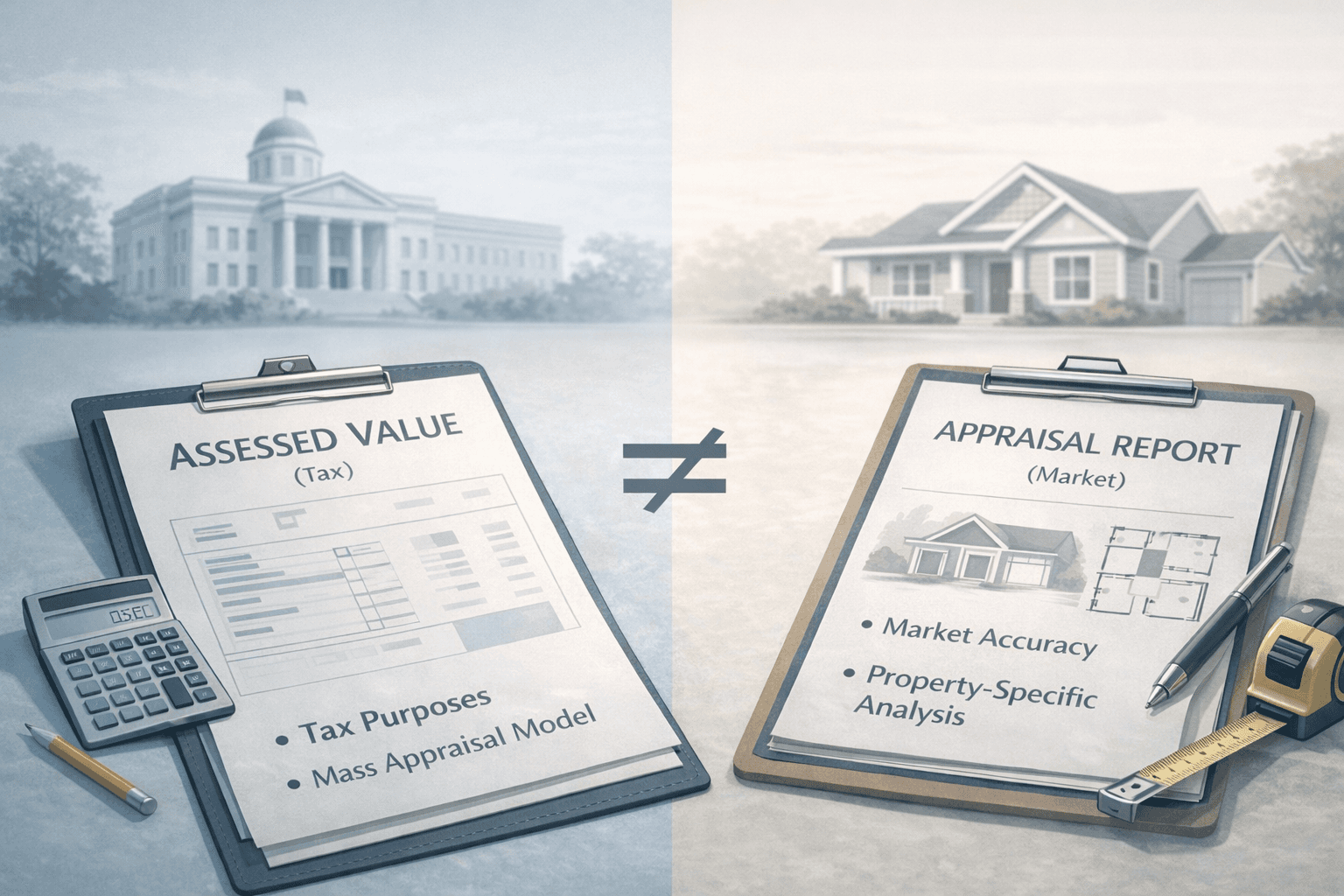
Why is my home’s Zestimate different from my tax assessment? Tax assessments are calculated by local government offices for the purpose of property taxation and often rely on older, mass-appraisal data. The Zestimate aims to predict current market value, which is often higher than a tax-assessed value, especially in regions with restrictive property tax growth caps.
Should I rely on the Zestimate to set my home’s listing price? Relying solely on an automated estimate for pricing can lead to overpricing or underpricing your home. Always supplement the Zestimate with a professional Comparative Market Analysis from a local Realtor to ensure your pricing strategy is aligned with current buyer demand and neighborhood competition.
For those looking to move forward with a definitive property valuation, the most reliable path remains consulting with a local real estate professional. Contact a reputable broker in your area to schedule a comprehensive market analysis, ensuring your financial decisions are backed by 2026 market data rather than broad-scale automation.