(Note: This article focuses on Adam Petty, the pioneering fourth-generation racing driver representing the renowned Petty family dynasty, whose enduring legacy continues to influence American stock car racing.)
The history of American stock car racing is deeply intertwined with the Petty family name, and the trajectory of the sport bears the profound marks of its most promising young talents. As the racing world reflects on the evolution of NASCAR safety, driver development, and family legacies, the memory of Adam Petty remains a cornerstone of motorsport history. Representing the fourth generation of a legendary racing lineage, Adam Petty captured the hearts of fans and industry veterans alike with his charisma, natural driving ability, and fierce competitive spirit. Examining his career, the structural changes his passing catalyzed, and his lasting imprint on modern racing provides vital context for how the sport operates today in 2026.
The Petty Family Dynasty and Early Life of a Racing Prodigy
Born into royalty within the world of stock car racing, Adam Petty was the son of Kyle Petty, grandson of the legendary seven-time NASCAR Cup Series champion Richard Petty, and great-grandson of racing pioneer Lee Petty. Growing up in Level Cross, North Carolina, Adam was immersed in the sights, sounds, and relentless work ethic of the family race shop from infancy. Rather than being pushed into the sport, his natural affinity for speed and mechanical operations manifested early.
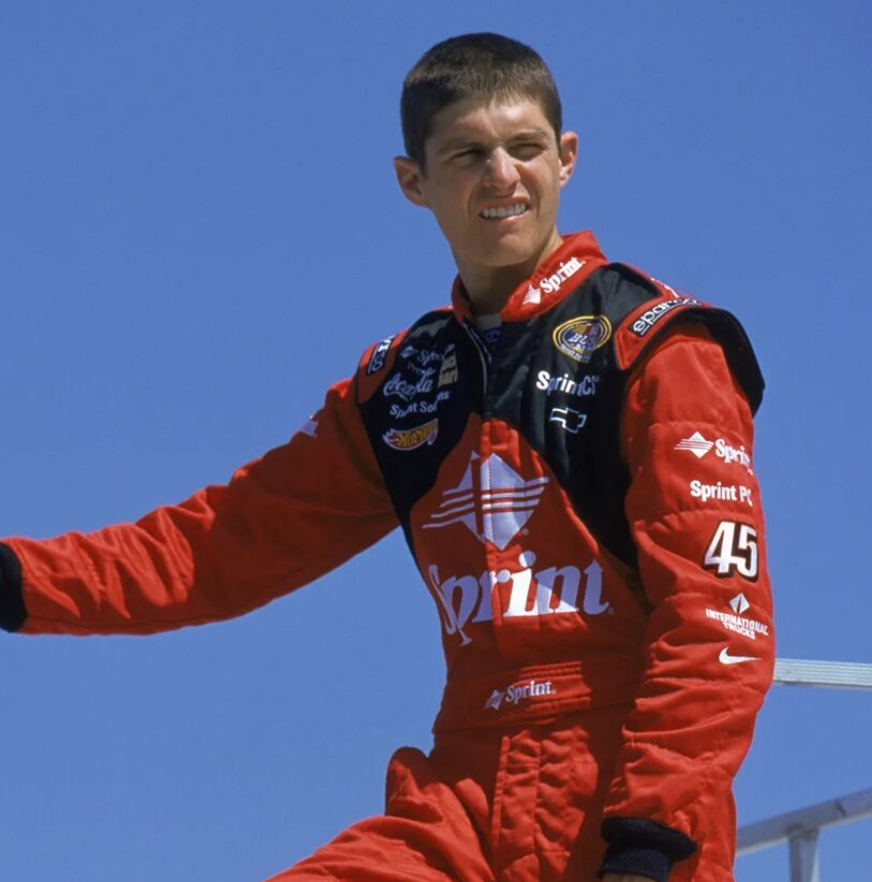
Entering competitive racing as a teenager, Adam demonstrated a maturity and racecraft that drew comparisons to his grandfather and father. He understood that carrying the Petty blue colors meant bearing immense public expectation. Instead of buckling under pressure, he embraced the heritage, famously adopting the iconic number 45 and setting his sights on breaking new ground in national touring divisions. His journey through local short tracks, Late Model divisions, and eventually NASCAR's developmental ladders served as a masterclass in professional preparation.
Ascending the Ranks: The Milestone Achievement in Charlotte
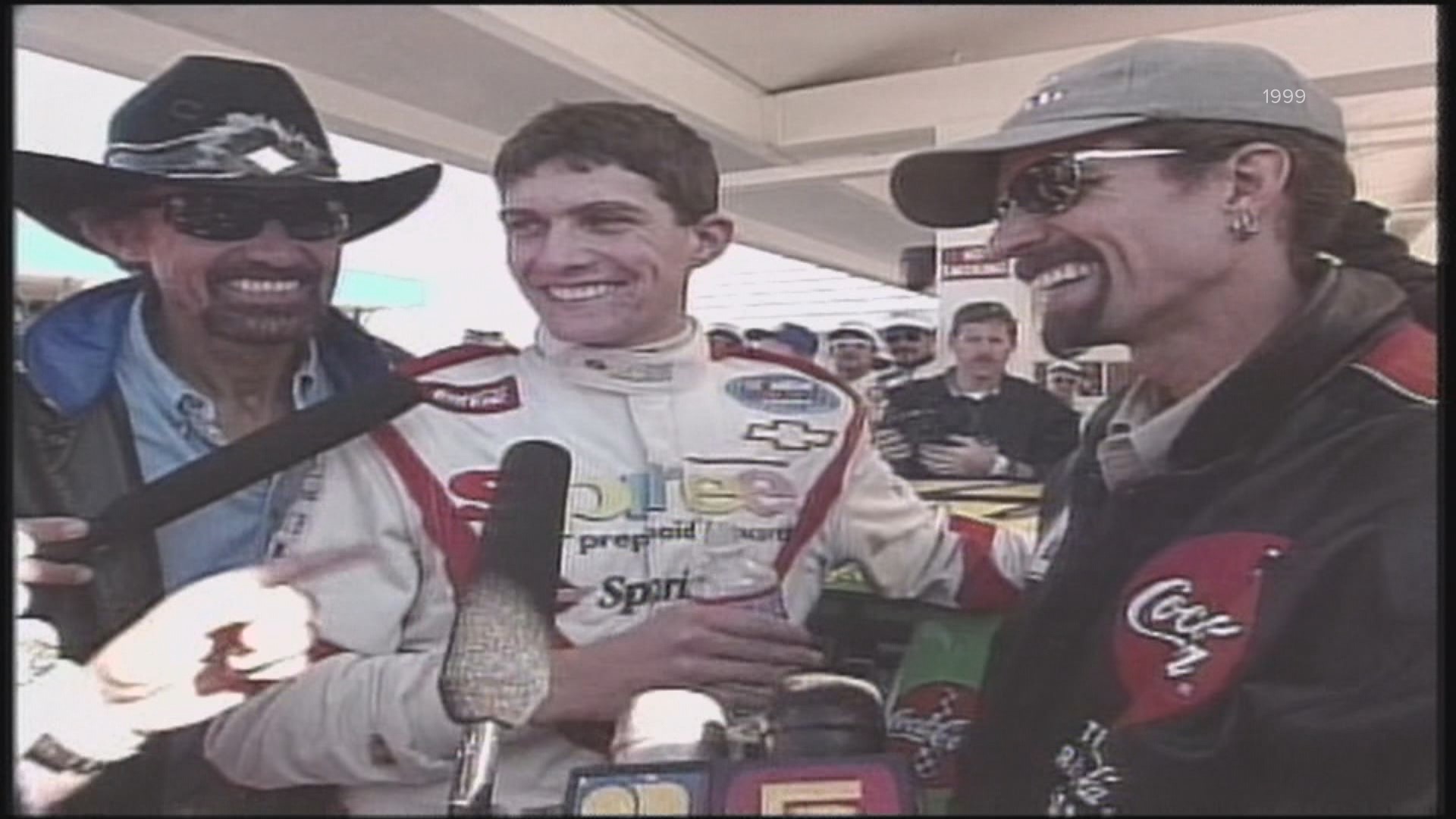
The defining athletic achievement of Adam Petty's professional career occurred on May 12, 1998, at the Lowe's Motor Speedway (now known as Charlotte Motor Speedway). Driving in the ARCA Re/Max Series event, Adam secured a historic victory that etched his name permanently into the record books.
By winning that race, the Petty family achieved an unprecedented milestone: four generations of drivers (Lee, Richard, Kyle, and Adam) had now won professional stock car racing events. This accomplishment underscored not only the genetic predisposition for high-speed car control within the family but also Adam's distinct capability to perform on intermediate, high-speed speedways under intense media scrutiny.
Following his ARCA success, Adam transitioned to the NASCAR Busch Series (now Xfinity Series) and prepared for an inevitable full-time assault on the premier NASCAR Cup Series. His driving style was characterized by smooth throttle control, exceptional tire management, and an uncanny ability to read developing race dynamics. Industry scouts recognized him as a future franchise driver for Petty Enterprises, poised to bridge the gap between the golden era of traditional stock car racing and the modern corporate landscape of NASCAR.
The Tragic Turning Point and Industry-Wide Safety Evolution
The promising trajectory of Adam Petty's career was cut tragically short on May 12, 2000, during a practice session at New Hampshire International Speedway. A throttle linkage failure caused his race car to impact the turn-three wall at high speed, resulting in fatal basilar skull fractures. Just three weeks earlier, the racing community had suffered the loss of veteran driver Kenny Irwin Jr. under strikingly similar circumstances at the same track.
The loss of a nineteen-year-old rising star sent shockwaves through the motorsports industry, prompting an unprecedented re-evaluation of driver safety protocols. While devastating for the Petty family and fans worldwide, Adam's passing served as the primary catalyst for mandatory safety reforms that have saved countless lives over the subsequent two decades.
Key Safety Milestones Triggered by 2000 Era Incidents
- Mandatory HANS Devices: The Head and Neck Support (HANS) device transitioned from an optional piece of safety equipment to a strict requirement across all major NASCAR national series following subsequent testing and advocacy.
- SAFER Barrier Implementation: Track owners and sanctioning bodies accelerated the research, development, and installation of Steel and Foam Energy Reduction (SAFER) walls at turns and straightaways across all professional ovals.
- Throttle Mechanism Redundancies: NASCAR enforced strict technological mandates regarding dual-return throttle springs and positive mechanical stops to eliminate unintended acceleration events.
- Event Data Recorders (EDRs): Standardized crash-data collection units were integrated into race vehicles to provide engineers with precise deceleration metrics during impacts.
Comparative Overview: Motorsport Safety Eras
To understand the profound impact of Adam Petty's legacy on contemporary racing, it is essential to examine the evolution of safety standards from the era of his career to the modern technological landscape.
| Safety Parameter | Era of 2000 (Adam Petty) | Modern Era (2026 Standards) |
|---|---|---|
| Head and Neck Restraints | Optional / Rare usage among drivers | Mandatory HANS or equivalent certified restraints |
| Wall Construction | Concrete retaining walls with basic foam padding | Engineering-grade SAFER barriers on all oval tracks |
| Chassis Energy Absorption | Traditional steel cage with minimal crush zones | Finite-element analysis (FEA) optimized crumple zones |
| Data Telemetry | Basic timing and scoring loops | Real-time biometric and structural impact telemetry |
| Medical Response Times | Standard infield care center protocols | Dedicated trackside trauma teams with advanced life support |
Philanthropic Legacy: The Victory Junction Gang Camp
True to the family's deep-rooted commitment to community and compassion, Kyle and Pattie Petty, alongside the entire Petty family, channeled their grief into a transformative philanthropic endeavor in Adam's memory. They founded the Victory Junction Gang Camp, located in Randleman, North Carolina.
Affiliated with the SeriousFun Children's Network, Victory Junction is a specialized, year-round medical camp designed specifically for children with chronic and life-threatening illnesses. The facility provides a safe, medically sound environment where campers can experience traditional camp activities—such as swimming, horseback riding, and arts and crafts—completely free of charge.
Core Pillars of the Victory Junction Mission
Medical Excellence: The camp features a state-of-the-art medical center, known as the Roundhouse, staffed by pediatric doctors, nurses, and specialists capable of administering complex treatments, dialysis, and respiratory care.
Inclusivity and Joy: Every building, activity, and path on the property is fully ADA-compliant and engineered to accommodate wheelchairs, medical equipment, and physical limitations without isolating the camper.
Family Respite: Beyond serving the children directly, the camp offers programs that allow entire families to bond, find community support, and share joyful experiences away from hospital walls.
Frequently Asked Questions About Adam Petty
Who was Adam Petty and what was his significance to racing?
Adam Petty was a fourth-generation professional stock car racing driver and the son of Kyle Petty, known for becoming part of the first four-generation winning lineage in motorsports history. His career and subsequent passing profoundly shaped modern NASCAR safety standards.
When and where did Adam Petty secure his historic ARCA victory?
He secured his milestone ARCA Re/Max Series victory on May 12, 1998, at Lowe's Motor Speedway (now Charlotte Motor Speedway) in Concord, North Carolina.
What safety changes resulted from the racing incidents in the year 2000?
His passing, alongside concurrent safety concerns at the turn of the millennium, directly accelerated the mandatory adoption of the HANS neck restraint device and the widespread installation of SAFER walls at major oval tracks.
What is the Victory Junction camp?
Founded in memory of Adam Petty, Victory Junction is a specialized, medically safe camp in North Carolina that provides free, life-changing camping experiences for children with serious illnesses.
What car number did Adam Petty traditionally drive?
Adam Petty predominantly drove the iconic number 45, which later saw competition in the NASCAR Cup Series driven by his father, Kyle Petty, and subsequent team drivers.
Preserving a Timeless Motorsport Heritage
The story of Adam Petty transcends statistics, race wins, and championship aspirations. While his professional career was tragically brief, his footprint on the sport remains indelible. Through the universal adoption of life-saving racing technologies and the ongoing mission of Victory Junction, his spirit continues to protect drivers and uplift children and families across the nation. For enthusiasts, historians, and modern competitors alike, remembering Adam Petty is an acknowledgment of the courage required in motorsports and a celebration of a legacy built on resilience, family dedication, and enduring compassion.