Navigating the Michigan vehicle registration process requires understanding current state laws, fee schedules, and documentation prerequisites managed by the Michigan Department of State (MDOS). Whether you are registering a newly purchased vehicle from a dealership, completing a private party transfer, or moving to the Great Lakes State from out of state, adhering to compliance standards ensures you avoid late penalties and maintain legal driving status.
Essential Prerequisites and Required Documentation
Before initiating your transaction at an MDOS branch office, through a self-service station, or via online portals, gathering the correct paperwork eliminates processing delays. The state of Michigan mandates specific compliance documents to establish ownership, secure proper classification, and verify tax obligations.
- Vehicle Title: The properly signed-over title from the previous owner or manufacturer's certificate of origin (MSO) for brand-new purchases. If a lien exists, accurate lienholder information must be provided.
- Proof of Michigan No-Fault Insurance: Michigan maintains mandatory automobile insurance requirements. Your insurance carrier must be authorized to write policies in Michigan, and you must present a valid electronic or paper certificate of insurance showing personal injury protection (PIP), property protection, and residual liability coverage.
- Identification: A valid driver's license or state-issued photo ID for all registered owners listed on the title.
- Odometer Disclosure Statement: Required for vehicles less than 20 years old, usually completed on the back of the title or via a secure separate form.
- Payment for Fees: Acceptable payment methods include cash, checks, debit cards, and credit cards (subject to a small processing fee).
Step-by-Step Walkthrough for New Residents and Vehicle Buyers
Securing your 2026 Michigan vehicle registration follows a structured workflow designed to verify vehicle safety standards and tax compliance. New residents face a strict timeline upon establishing residency, while purchasers must act promptly after signing a bill of sale.
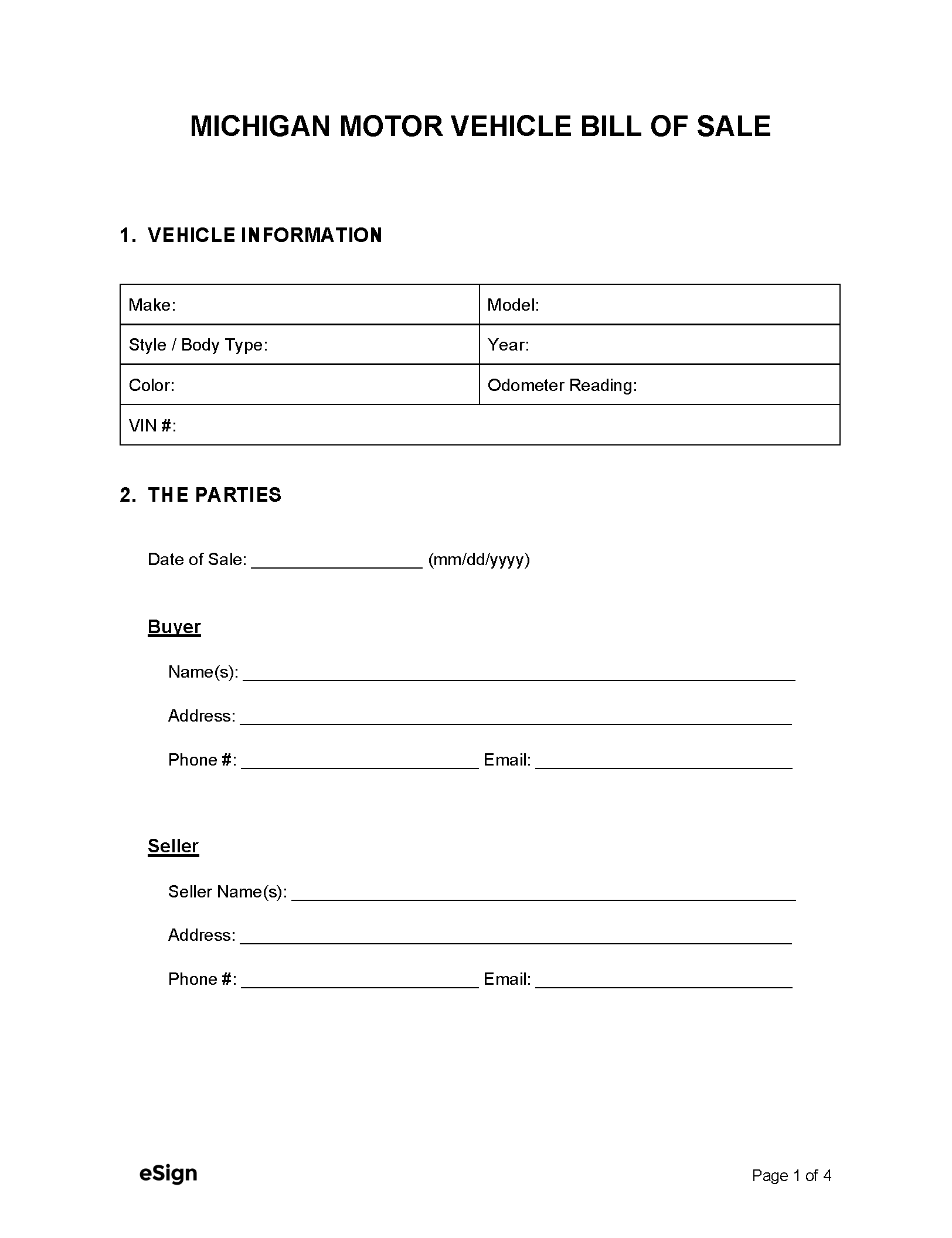
- Establish Michigan Auto Insurance: Purchase a compliant Michigan no-fault insurance policy. Ensure the vehicle's Vehicle Identification Number (VIN) matches your insurance binder perfectly.
- Complete Title Transfer and Registration Application: Fill out Form TR-11L (Application for Michigan Title and Registration) if the transaction is not handled directly through an electronic dealer network (EDN).
- Submit Taxes and Fees: Pay the 6% state sales tax on vehicle purchases (unless an exemption applies, such as a direct transfer between immediate family members) alongside standard registration plate fees.
- Affix the Registration Plate and Decal: Once issued, mount the license plate securely to the rear of the vehicle and apply the expiration month and year decals to the designated corners of the plate.
Important Operational Note: New residents relocating to Michigan must title and register their vehicles within 30 days of establishing residency. Operating an out-of-state registered vehicle beyond this statutory window can result in civil infractions and fine assessments by law enforcement.
Comparative Breakdown of Registration Types and Fee Schedules
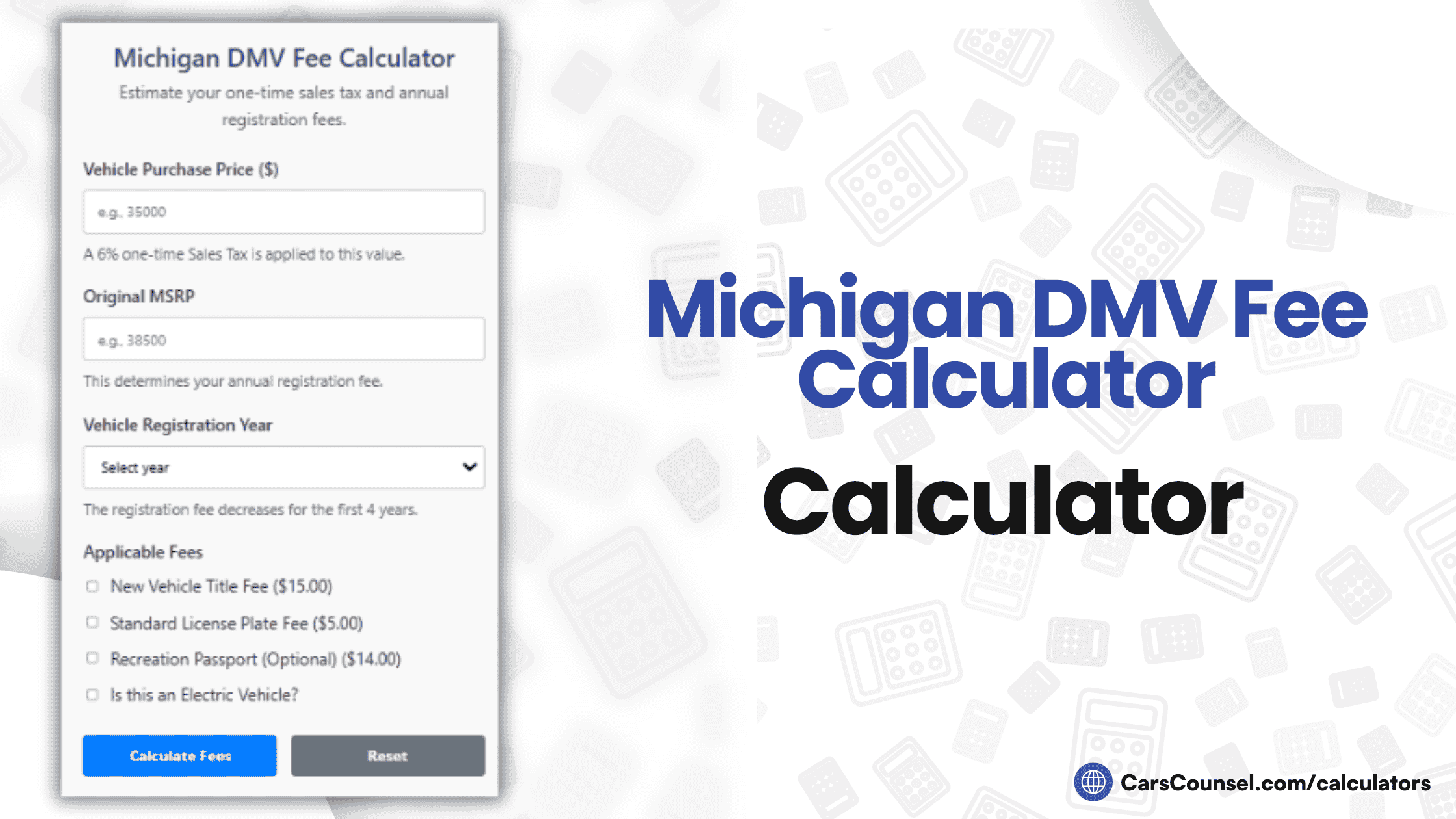
Vehicle registration costs in Michigan are calculated based on various factors, including vehicle type, model year, and original purchase price or weight. The following table outlines the comparative structure for standard registration categories in 2026.
| Vehicle Classification | Registration Basis | Average Cost / Fee Structure | Renewal Frequency |
|---|---|---|---|
| Passenger Cars (Post-2017) | Manufacturer's Suggested Retail Price (MSRP) | Sliding scale based on original MSRP brackets | Annual (expires on owner's birthday) |
| Light Trucks and Vans | Empty vehicle weight | Scale based on total pounds | Annual (expires on the last day of February) |
| Motorcycles | Flat state fee plus safety fund surcharge | Standardized flat rate | Annual (expires on March 31) |
| Electric Vehicles (EVs) | Additional surcharge in lieu of gas tax | Base registration fee plus statutory EV surcharge | Annual |
| Historic / Collector Vehicles | One-time registration for vehicles 26+ years old | Flat fee for non-standard use | Permanent (no annual renewal required) |
Pros and Cons of MDOS Renewal Methods
The Michigan Department of State offers multiple avenues to complete your vehicle registration renewal. Evaluating the advantages and disadvantages of each channel helps drivers select the most efficient option.
- Online via Michigan.gov/SOS:
- Pros: Available 24/7, instantaneous processing, eliminates travel time, and provides immediate digital receipt and temporary proof of renewal.
- Cons: Requires a credit/debit card with associated processing fees; cannot process transactions if insurance verification fails automated state database checks.
- Self-Service Stations (Kiosks):
- Pros: Located in grocery stores and retail hubs across the state, prints physical tabs immediately, and operates on extended retail hours.
- Cons: Limited to standard renewals; cannot handle complex title corrections or out-of-state transfers.
- In-Person Branch Visits:
- Pros: Direct assistance from MDOS staff for complex title transfers, lien additions, and administrative disputes.
- Cons: Often requires scheduling an appointment weeks in advance due to high demand and potential wait times for walk-ins.
Expert Strategies to Avoid Common Registration Pitfalls
Over years of processing vehicle documentation, recurring administrative errors often result in rejected applications or delayed plates. Implementing these tactical recommendations ensures a seamless registration cycle.
- Verify Insurance Data Early: The state database cross-references your insurance policy via the National Insurance Crime Bureau (NICB) or direct carrier feeds. Ensure your policy is active for at least 30 days prior to renewal to prevent automated flagging.
- Double-Check Odometer Readings: Transcription errors on the odometer reading during private party sales are a primary cause of title rejection. Always match the physical dashboard reading to the signed title document.
- Track Expiration Dates: Michigan passenger vehicles expire on the primary owner's birthday. Setting a digital reminder 45 days prior avoids late penalties and driving with expired tabs.
- Utilize Renewal Reminders: Sign up for the MDOS digital notification system to receive email or text alerts when your registration window opens.
Frequently Asked Questions
How soon do I need to register a vehicle after buying it privately in Michigan?
You have 15 days from the date of purchase to transfer the title and register a newly acquired vehicle in your name to avoid late penalty fees. Prompt submission ensures compliance with state tax and titling statutes.
Can I register my vehicle in Michigan without a physical title?
No, a valid, properly assigned title or manufacturer's certificate of origin is legally required to establish ownership. If the title is lost, the previous owner must apply for a duplicate title before the transfer can be completed.
How are Michigan vehicle registration fees calculated for passenger cars?
Passenger vehicle fees initiated after 2017 are determined by the vehicle's original Manufacturer's Suggested Retail Price (MSRP). The registration cost scales downward across specific age brackets as the vehicle depreciates.
What should I do if my registration tabs are lost or stolen in the mail?
You must apply for duplicate registration tabs immediately through an MDOS branch office or online portal. Driving with missing or expired tabs can lead to traffic stops and citations by local law enforcement.
Are electric vehicle owners subject to additional fees in Michigan?
Yes, owners of fully electric vehicles pay an additional annual registration surcharge alongside their standard plate fees. This statutory surcharge offsets the motor fuel taxes that EV owners do not pay through traditional gas station purchases.
How do I update my address for my vehicle registration?
You can update your address online through the Michigan Secretary of State digital services portal or in person. Note that updating your address for your driver's license automatically updates your vehicle registration database profile.
Ready to complete your paperwork? Visit the official Michigan Department of State website to schedule an appointment, check insurance compliance, or renew your tabs online today.