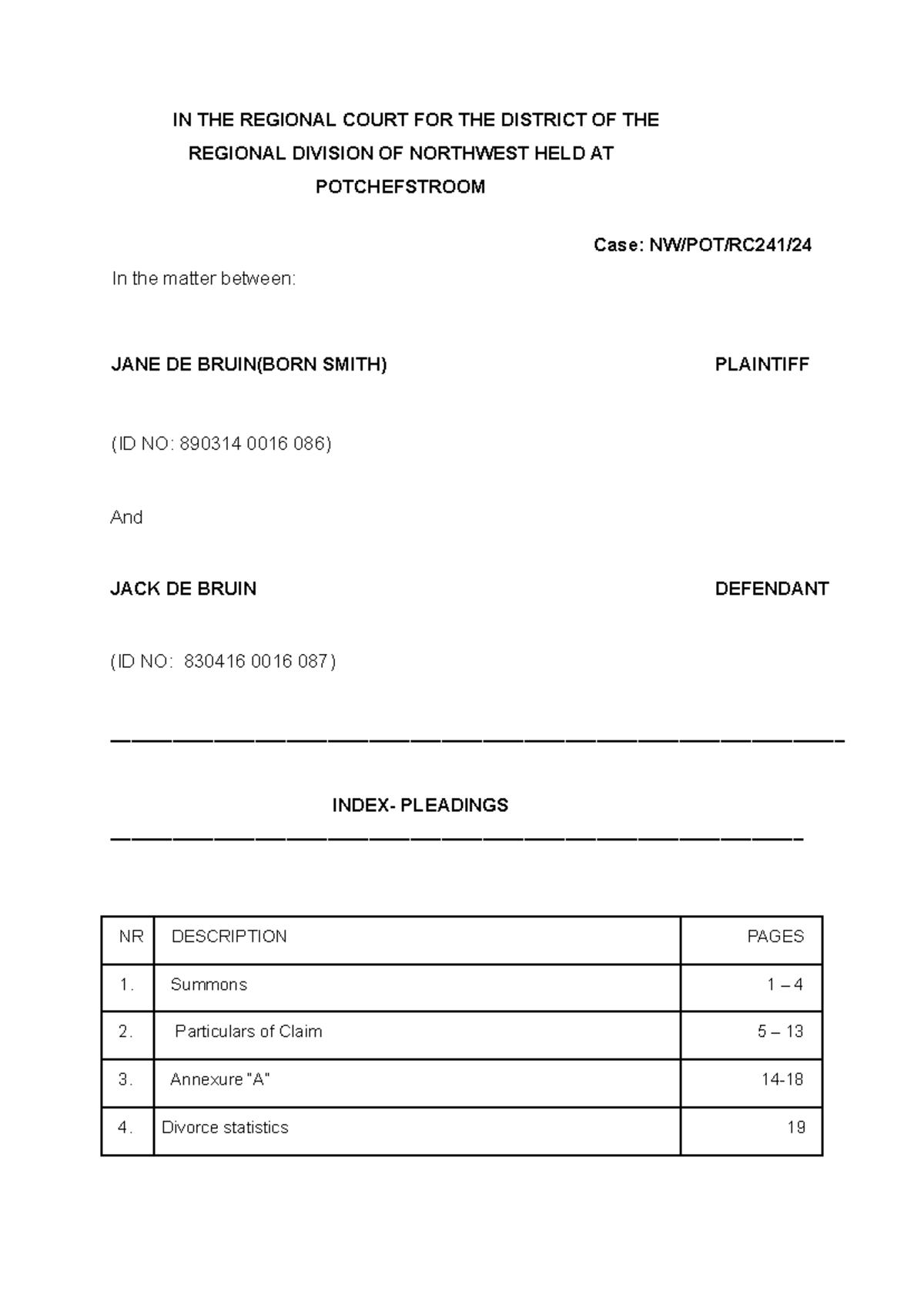
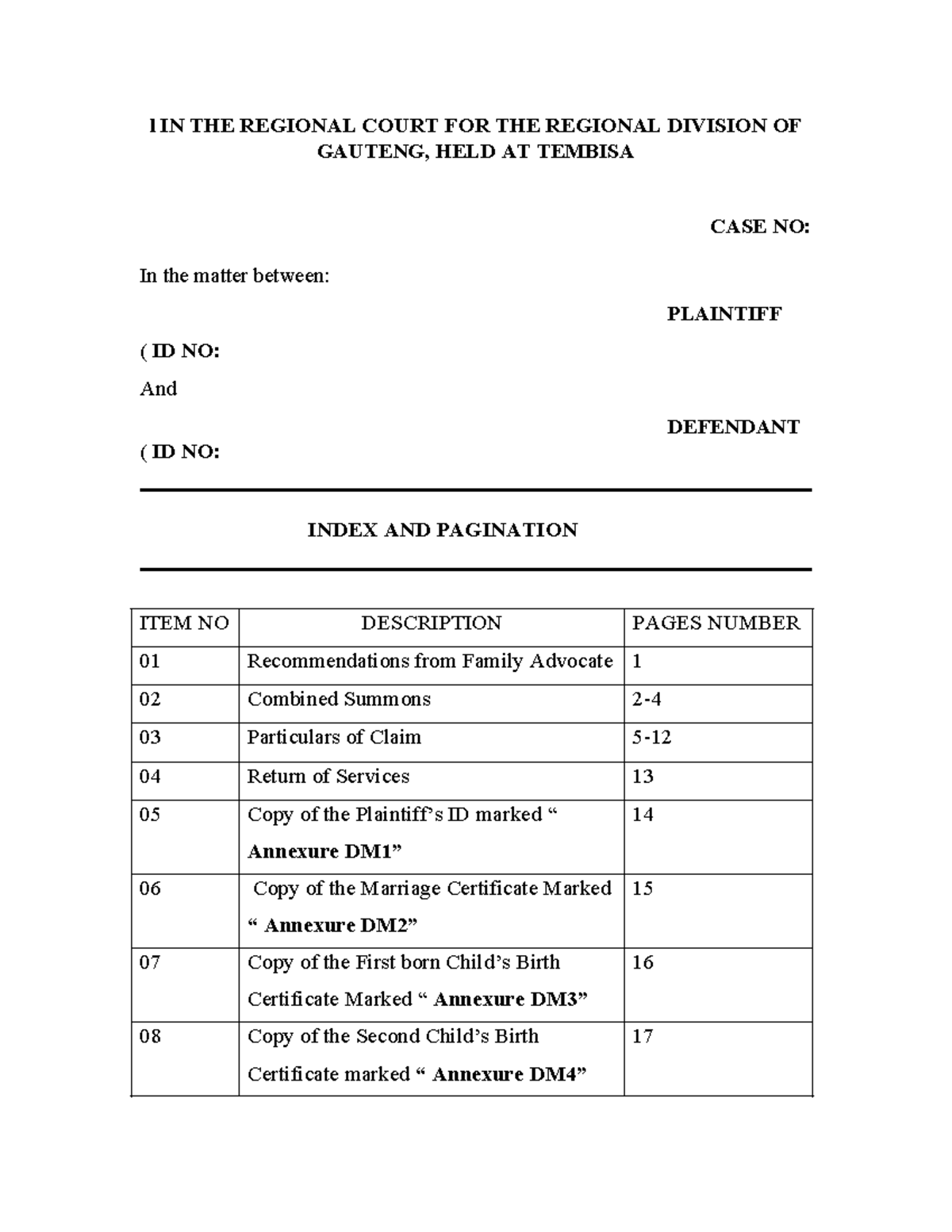
A court index is a centralized, searchable database or ledger maintained by a court clerk that catalogs every case filed within a specific jurisdiction. It serves as the primary gateway for locating legal records, allowing users to find case numbers, party names, filing dates, and current case statuses through organized metadata.
In the legal system of 2026, the court index remains the foundational tool for transparency, due diligence, and historical research. Whether you are a legal professional conducting a conflict check, a journalist investigating a story, or a citizen performing a background search, understanding how to navigate these indices is essential. While the technology behind these systems has evolved from physical ledgers to sophisticated, AI-enhanced digital portals, the core purpose remains the same: providing an orderly map of the court’s vast archives.
The Anatomy of a Court Index
A court index is more than just a list of names. It is a structured repository of data points that uniquely identify a legal proceeding. Every entry in the index is designed to lead the researcher to the "record" or "case file," which contains the actual motions, orders, and evidence.
Primary Data Points
When you access a court index, you will typically encounter the following fields:
- Case Number: Also known as a docket number or index number. This is a unique alphanumeric identifier. In many jurisdictions, the case number follows a standard format (e.g., 2026-CV-12345), where the first digits represent the year, the letters represent the case type (CV for Civil, CR for Criminal), and the final digits represent the sequence of filing.
- Party Names: The names of the plaintiffs (those bringing the suit) and defendants (those being sued). In criminal cases, the plaintiff is usually the state or the government (e.g., "People of the State of New York" or "United States of America").
- Filing Date: The exact date the initial complaint or indictment was recorded by the clerk.
- Case Type: A categorization of the matter, such as Personal Injury, Probate, Dissolution of Marriage, or Felony.
- Judge Assignment: The specific jurist or magistrate overseeing the proceedings.
- Status: An indicator of whether the case is "Active," "Disposed" (closed), or "On Appeal."
The Significance of Indexing Standards
The reliability of a court index depends heavily on indexing standards. If a clerk misspells a defendant’s name during the intake process, that case may become "invisible" to standard searches. Modern systems in 2026 utilize "fuzzy logic" and phonetic search capabilities to mitigate these human errors, but the fundamental reliance on accurate initial indexing remains a cornerstone of judicial administration.
Categorization of Court Indices by Jurisdiction
Not all court indices are created equal. Depending on the nature of the legal matter, you may need to search different systems. Information is rarely centralized in a single national database; instead, it is siloed by jurisdiction.
Federal Court Index (PACER)
For federal matters—including bankruptcy, federal crimes, and civil suits involving federal law or diverse citizenship—the primary tool is PACER (Public Access to Court Electronic Records). As of 2026, PACER provides a unified search platform for all U.S. District, Appellate, and Bankruptcy courts.
- Scope: National, covering all 50 states and U.S. territories.
- Access: Requires an account; often involves small per-page or per-search fees, though many fees are waived if usage stays below a certain quarterly threshold.
- Direct Link: PACER Official Site
State and County Indices
Most legal activity occurs at the state level. Each state maintains its own hierarchy of indices, usually divided by county or district.
- Superior/Circuit Courts: These handle general civil and felony criminal matters. Their indices are often the most searched for background checks and litigation history.
- Municipal/Justice Courts: These handle smaller claims, traffic violations, and misdemeanors.
- Specialty Courts: Many jurisdictions maintain separate indices for Probate (wills and estates), Family Law (divorce and custody), and Housing/Landlord-Tenant disputes.
Appellate Indices
When a case is appealed, it receives a new index entry in the appellate court system. Searching a trial court index may show a case as "disposed," but a corresponding search in the appellate index might reveal that the judgment is currently being challenged.
How to Access a Court Index in 2026
Accessing a court index has become significantly more streamlined, but the process varies based on the "digital maturity" of the specific court.
1. Online Public Access Portals
Most modern courts provide a web-based interface for their index. To use these, you generally do not need a law license. You simply navigate to the court clerk's website and look for links labeled "Case Search," "Online Records," or "Smart Search."
- Prerequisites: A stable internet connection and, in some cases, a registered user account.
- Costs: While many indices are free to search, some courts charge a fee to view or download the actual documents linked within the index.
2. Courthouse Kiosks
For jurisdictions that have not fully migrated to public web portals due to privacy concerns or budget constraints, physical access remains the standard. Most courthouses provide public terminals (kiosks) in the Clerk of Court’s office.
- Benefit: Kiosks often provide access to records that are restricted from the general internet for privacy reasons but are still considered public records.
- Requirement: Physical presence during business hours.
3. Third-Party Aggregators
Companies like LexisNexis, Westlaw, and various background check services scrape and aggregate data from thousands of individual court indices. These are powerful tools for searching across multiple jurisdictions simultaneously, though they often require expensive subscriptions.
| Feature | Federal (PACER) | State/County Portal | Physical Kiosk |
|---|---|---|---|
| Geographic Scope | National | Local/Statewide | County-specific |
| Cost to Search | Fee-based (with waivers) | Usually Free | Free |
| Real-time Updates | High (Immediate) | Varies by County | High |
| Document Access | Full digital downloads | Partial/Limited | Full (Print fees apply) |
| Search Complexity | High (Technical) | User-friendly | Variable |
Using the Court Index for Due Diligence
The court index is a vital tool for verifying information and assessing risk. In 2026, its use extends far beyond the courtroom.
Professional Background Checks
Employers and licensing boards use criminal court indices to verify an applicant’s history. A search of the criminal index will reveal not just convictions, but also pending charges that have not yet reached a verdict. It is important to distinguish between "arrest records" (police data) and "court index records" (judicial data), as the latter represents formal legal proceedings.
Real Estate and Liens
A "Judgment Index" is a specific type of court index used to record monetary judgments against individuals. In many jurisdictions, a judgment recorded in the court index automatically creates a lien on any real property owned by the debtor in that county. Real estate attorneys and title companies search these indices to ensure a property has a "clear title" before a sale.
Litigation Research
For businesses, searching a civil court index can reveal a pattern of litigation. If a potential partner has been sued twenty times for breach of contract in the last five years, the court index serves as a significant red flag that would not be apparent through a simple credit check.
Privacy, Redaction, and Restricted Records
Not every case filed in a court is visible in the public index. Public access is balanced against privacy rights and sensitive information.
Sealed Cases
Certain cases are "sealed" by court order and removed from the public index. This is common in cases involving trade secrets, national security, or the protection of victims in sensitive criminal matters. When a case is sealed, it will not appear in a general search, or it may appear with "Parties Withheld" or "Restricted" labels.
Redaction Protocols
In 2026, automated redaction software is standard. Even if a case is public in the index, sensitive data within the linked documents—such as Social Security numbers, bank account details, and the names of minors—are typically "blacked out" or redacted before being made available for public download.
Expungements
When a criminal record is expunged, the court clerk is legally required to remove the entry from the court index. For the researcher, this means the case effectively "never happened" in the eyes of the law. However, third-party aggregators may still hold "stale" data if they haven't updated their private databases, which can lead to legal complications for those data providers under the Fair Credit Reporting Act (FCRA).
Common Challenges and Troubleshooting
Searching a court index can be frustrating if the initial search parameters are too narrow or too broad.
- Common Name Confusion: Searching for "John Smith" in a Los Angeles County index might return thousands of results. To narrow this down, researchers should use "identifiers" like a middle name, date of birth, or the specific year the case was filed.
- Jurisdictional Errors: A common mistake is searching a state court index for a federal crime. If someone was charged with "Wire Fraud" in federal court, they will not appear in the county-level criminal index.
- "No Records Found": This does not always mean a person has a clean record. It could mean the records are too old (pre-digitization), the case was filed in a different county, or the person was sued under a business entity name (DBA) rather than their personal name.
The Future of Court Indexing: 2026 and Beyond
As we move through 2026, the integration of Artificial Intelligence into court indices is transforming how we interact with legal data. Natural Language Processing (NLP) allows users to search for "cases involving property disputes in the rainy season" rather than relying on strict legal codes.
Furthermore, the move toward Unified Judicial Portals is gaining momentum. Several states have moved away from disparate county-level databases in favor of a single statewide index. This reduces the "fragmentation" of legal data and makes it significantly harder for individuals to hide legal histories by moving across county lines.
Professional Advice Limitation
This article provides general information regarding the nature and access of court records. It does not constitute legal advice. Court indexing rules and public access laws vary significantly by jurisdiction and are subject to change. For specific legal inquiries or assistance with a particular case, consult with a qualified attorney or the clerk of the relevant court.
Frequently Asked Questions
1. Is a court index entry the same as a case file?
No. The court index entry is a summary or a "metadata" record that tells you the case exists and provides basic details. The case file is the actual collection of documents (complaints, motions, orders) that provide the full narrative of the legal matter. Think of the index as a library catalog and the case file as the book itself.
2. Can I have my name removed from a court index?
Generally, no. Court indices are public records. Unless you can obtain a court order for expungement (in criminal cases) or a sealing order (in civil cases), the record of the litigation is permanent. Merely winning a case or having it dismissed does not remove the entry from the index; it simply changes the status to "Dismissed."
3. Why can't I find a case if I have the case number?
There are several reasons for this. You might be searching in the wrong jurisdiction (e.g., searching state records for a federal case). Alternatively, the case may have been filed so recently that the clerk has not yet validated the entry, or the case may have been sealed or moved to a restricted archive due to its age.
4. Are there fees for searching a court index?
In many state and local jurisdictions, searching the index is free. However, there are often fees for obtaining certified copies of documents or for performing extensive "name searches" that require clerk assistance. The federal PACER system charges per search, though these fees are often waived for low-volume users.
5. How far back do digital court indices go?
This depends entirely on the specific court's digitization project. Most major metropolitan courts have digital indices going back to the late 1980s or early 1990s. For records older than that, you may need to consult physical "index books" or microfilm located at the courthouse.
Practical Next Actions
If you need to find information in a court index, start by identifying the county and state where the action likely occurred. Visit the official website of that county’s Clerk of Court. Use the "Smart Search" or "Civil/Criminal Case Search" feature. If you have a common name to search, try to find a Middle Initial or Date of Birth to filter results. For federal matters, create a PACER account at uscourts.gov.