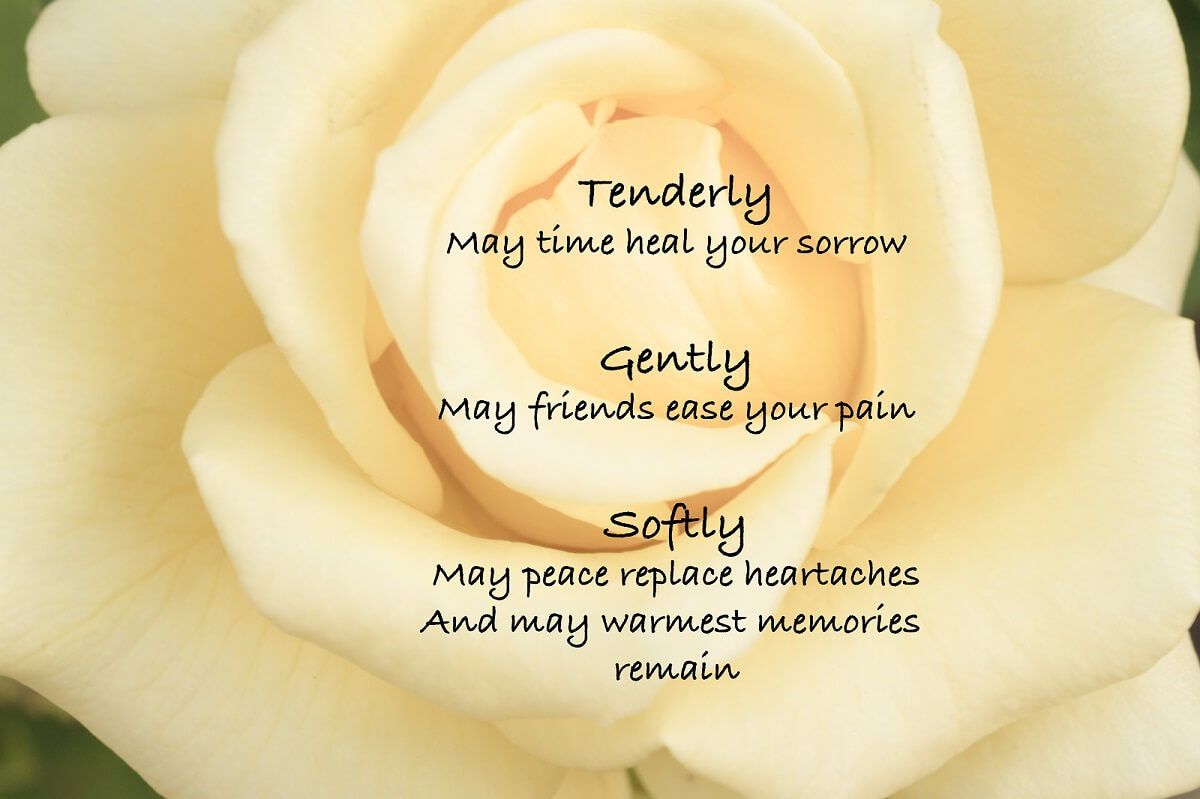
Expressing sympathy when someone experiences profound loss is among the most delicate forms of written communication. When navigating the raw pain of bereavement, brevity coupled with genuine compassion carries significant emotional weight. A brief, well-constructed message provides comfort without burdening the recipient with the obligation of drafting an extensive reply.
Whether writing inside a sympathy card, sending a bouquet note, texting a close friend, or writing a professional note to a colleague, choosing the correct language demands intentionality, emotional awareness, and an understanding of modern bereavement etiquette.
The Psychology of Brevity in Grief Communication
During the acute phase of grief, cognitive bandwidth drops significantly. Grieving individuals experience "grief brain"—a recognized state of executive dysfunction driven by trauma and emotional shock. When someone is sorting through logistical arrangements, fielding phone calls, and managing acute sorrow, long essays of support often go unread or become overwhelming.
A concise condolence note succeeds because it achieves three core objectives:
- Validation of Loss: It names the reality of the passing without avoiding the truth.
- Emotional Proximity: It reassures the bereaved that they are supported and remembered.
- Zero Cognitive Tax: It clearly demands nothing in return, freeing the recipient from social obligations.
Structural Anatomy of an Effective Short Condolence Message
Crafting a strong, brief message requires a simple three-tier formula. Following this structure prevents awkward phrasing while keeping the message under forty words.
- Acknowledge the Loss Directly: Mention the deceased by name if known, and state your sorrow clearly without euphemistic ambiguity.
- Affirm Support or Memory: Add a singular, grounded sentiment, acknowledging their character or your presence for the family.
- Low-Pressure Closing: Close with warmth and an explicit or implicit removal of reply expectations.
Example Framework:"I am heartbroken to hear about the passing of Sarah. Her generosity made a permanent mark on everyone who worked alongside her. Holding you and your family close in my thoughts during this painful time."
Categorized Collections of Short Condolence Messages
Different relationships dictate distinct boundaries of tone, formality, and emotional vulnerability. Below are tailored examples calibrated for immediate use across various social and professional situations.
Short Messages for Close Friends and Chosen Family
Close relationships allow for vulnerability, informal intimacy, and open expressions of unconditional love.
- "My heart aches for you right now. I loved David deeply, and I am right beside you in this grief."
- "There are no words that take away this pain, but please know I am holding your hand every step of the way."
- "Thinking of you every minute today. I am sending you gentle thoughts and holding you in my heart."
- "I am so sorry for your profound loss. Your mom was extraordinary, and her light remains in you."
- "I love you. Take this one breath at a time; I am here whenever you need a shoulder or quiet company."
Professional and Workplace Sympathy Notes
Professional messages require warmth without crossing personal boundaries or making assumptions about religious beliefs.
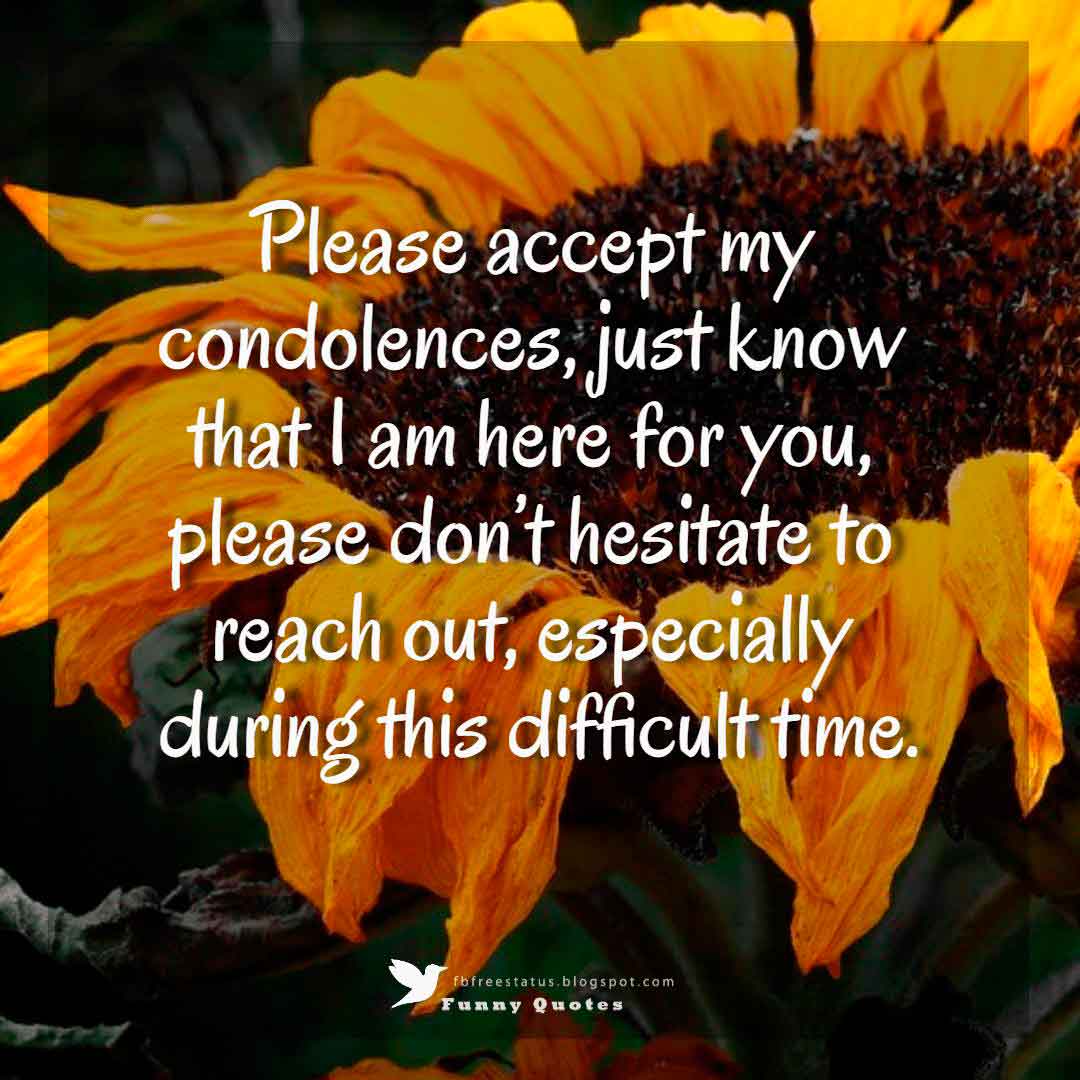
- "Please accept my deepest condolences on your loss. Wishing you comfort and peace during this difficult season."
- "Our entire team is thinking of you. We are keeping your family in our thoughts and offer our sincere support."
- "I was deeply saddened to hear about your father's passing. Please know we are here to support your workload while you take time with family."
- "Sending my sincere sympathies to you and your family. May the days ahead bring you strength and comfort."
- "With deepest sympathy on the loss of your partner. The company community stands ready to support you in whatever you need."
Messages for the Loss of a Parent, Spouse, or Child
Specific types of grief require deep sensitivity. Avoid comparing the loss to others, and acknowledge the distinct magnitude of the void left behind.
- For the Loss of a Parent: "Your mother’s legacy of kindness lives on through you. Holding your family close in my heart."
- For the Loss of a Spouse: "Words fail to express the sorrow I feel for you. Michael was an incredible partner, and his love will never leave you."
- For the Loss of a Child: "Holding you through this unimaginable heartbreak. We love you, we remember Emma, and we grieve beside you."
- For the Loss of a Sibling: "Losing a brother leaves a void nothing can fill. Thinking of you as you navigate this devastating loss."
Brief Notes for Floral Arrangements and Cards
Enclosure cards attached to flowers, plants, or memorial gifts require absolute brevity due to physical space limitations.
- "With heartfelt sympathy and fond memories."
- "May these blooms bring a small moment of comfort to your home."
- "Remembering a wonderful life and holding you in our thoughts."
- "With all our love and deepest condolences during this sorrowful time."
- "In loving memory of a life beautifully lived."
Evaluating Condolence Mediums: Delivery, Tone, and Etiquette
Choosing the proper communication medium is as critical as selecting the words themselves. The choice depends upon social proximity, urgency, and relational dynamics.
| Delivery Channel | Appropriate Relationship Tier | Etiquette Standard (2026 Guidelines) | Primary Benefit |
|---|---|---|---|
| Handwritten Card | Friends, extended family, colleagues, mentors | Mail within two weeks of notification; use black or blue archival ink | Tangible, keepsake-level comfort |
| Direct SMS / Text | Close friends, immediate family, trusted peers | Send immediately upon hearing; explicitly state "No response needed" | Immediate, friction-free personal comfort |
| Floral Enclosure Card | Colleagues, community acquaintances, close family | Limit to 10–18 words maximum; clearly state the sender’s full name | Elegant, visual accompaniment to gifts |
| Email Message | Professional clients, distant business associates | Keep subject line clear (e.g., Thinking of you); avoid commercial requests | Respects professional boundaries |
| Online Memorial / Tribute | General public, community members, mutual friends | Avoid private jokes or controversial memories; focus on outward respect | Public support seen by extended circle |
Modern Bereavement Etiquette: Shifts in Grief Communication
Bereavement communication standards have matured. Modern trauma-informed communication recognizes that generic clichés often cause more harm than comfort.
Expressions to Eliminate
Outdated, well-meaning phrases often invalidate pain or impose uninvited perspectives:
- "Everything happens for a reason." This minimizes acute agony and invalidates the suddenness of traumatic loss.
- "They are in a better place now." This imposes spiritual assumptions on families who may be processing severe existential pain.
- "I understand exactly what you are going through." Every grief journey is physiologically and emotionally unique; comparing losses diminishes the individual experience.
- "Call me if you need anything." This forces the grieving individual to identify tasks, delegate, and reach out, shifting executive burdens back onto the survivor.
The Power of the "No Need to Reply" Clause
One of the most compassionate developments in modern sympathy correspondence is the inclusion of a non-response disclaimer. Adding this simple boundary removes guilt for the grieving individual who is already overwhelmed by administrative paperwork and physical arrangements.
Modern Standard Closing:"Please do not worry about replying to this note. Simply wanted you to know that you are deeply cared for, today and in the weeks ahead."
Step-by-Step Guide: Selecting and Sending the Right Message
When news of a loss arrives, follow this deliberate sequence to ensure your response is timely, sincere, and contextually appropriate.
Assess the Degree of Separation: Determine whether your relationship is primarily personal, shared-interest, or purely professional. If you have never texted the person socially, do not send a text message for a bereavement event; send a handwritten card or a professional email instead.
Select the Primary Tone: Choose between formal respect (for mentors, clients, and distant contacts) and intimate vulnerability (for close friends and direct family).
Check for Specific Cultural or Religious Instructions: Review obituary materials or family notices for specific requests (such as "In lieu of flowers, donations may be directed to..."). Ensure your phrasing aligns with the family’s traditions rather than your own personal worldviews.
Incorporate a Concrete, Proactive Offer of Help (Optional): If you wish to provide practical support, suggest specific tasks rather than broad invitations. Instead of writing "Let me know what you need," suggest a precise, actionable gesture:
- "I am dropping off a meal on Tuesday that freezes well; zero interaction needed."
- "I would love to help walk your dog or handle your lawn care next week if that takes an item off your mind."
Send Promptly, but Understand Grief Has No Expiration Date: While early outreach is appreciated, sending a card three to six weeks after the service is equally impactful. During that window, the initial influx of community support fades, leaving the bereaved in silence. A brief note saying, "Still holding you in my thoughts as you navigate these quiet days," provides meaningful long-term validation.
Frequently Asked Questions
What is the most appropriate short condolence message for a text?
"I am so deeply sorry for your loss. Holding you in my heart—please do not feel any need to reply to this."
Text messages should prioritize brevity and immediate reassurance while actively removing any obligation for the recipient to reply. This approach honors their privacy while confirming your presence and support during the most difficult moments.
How do I sign a short condolence card if I do not know the family well?
"With deepest sympathy for your loss, [Your Name]."
When writing to an acquaintance, colleague, or the family of a deceased associate whom you did not know personally, simple and dignified language is best. Avoid overly familiar terms, clearly print your full name, and briefly mention your connection to the deceased (e.g., "A former colleague of Robert at the engineering firm").
Is it acceptable to use the word "death" or "died" in a sympathy note?
Yes, using direct terms like "died" or "death" is psychologically healthy, clear, and increasingly preferred over ambiguous phrases.
While terms like "passed away" or "loss" remain common and polite, addressing the reality directly avoids minimizing the event. However, do not describe graphic details surrounding the death; focus your words on comfort, memory, and presence.
What should I write when I did not like the person who passed away?
"Thinking of you and your family as you navigate this difficult time. Wishing you peace and strength in the days ahead."
Focus your sympathy entirely on the living survivor rather than offering false praise about the deceased. Acknowledging that the transition is emotionally complex and challenging allows you to support the bereaved person with honesty and compassion.
How long after someone passes is it too late to send a condolence message?
It is never too late to send a condolence note, even if months or an entire year have elapsed since the passing.
Late notes often provide immense solace because they arrive long after initial public support has waned. Acknowledge the passage of time simply and sincerely: "I recently learned of your sister's passing, and I wanted to ensure you knew that her memory remains vivid and that you are in my thoughts."
Offering comfort during grief does not require eloquent prose or elaborate gestures. By choosing concise, authentic language that centers the needs of the grieving individual, your message will deliver genuine reassurance when it is needed most. Take a moment today to send your card, text, or note, knowing that sincere, unselfish support is always welcomed.