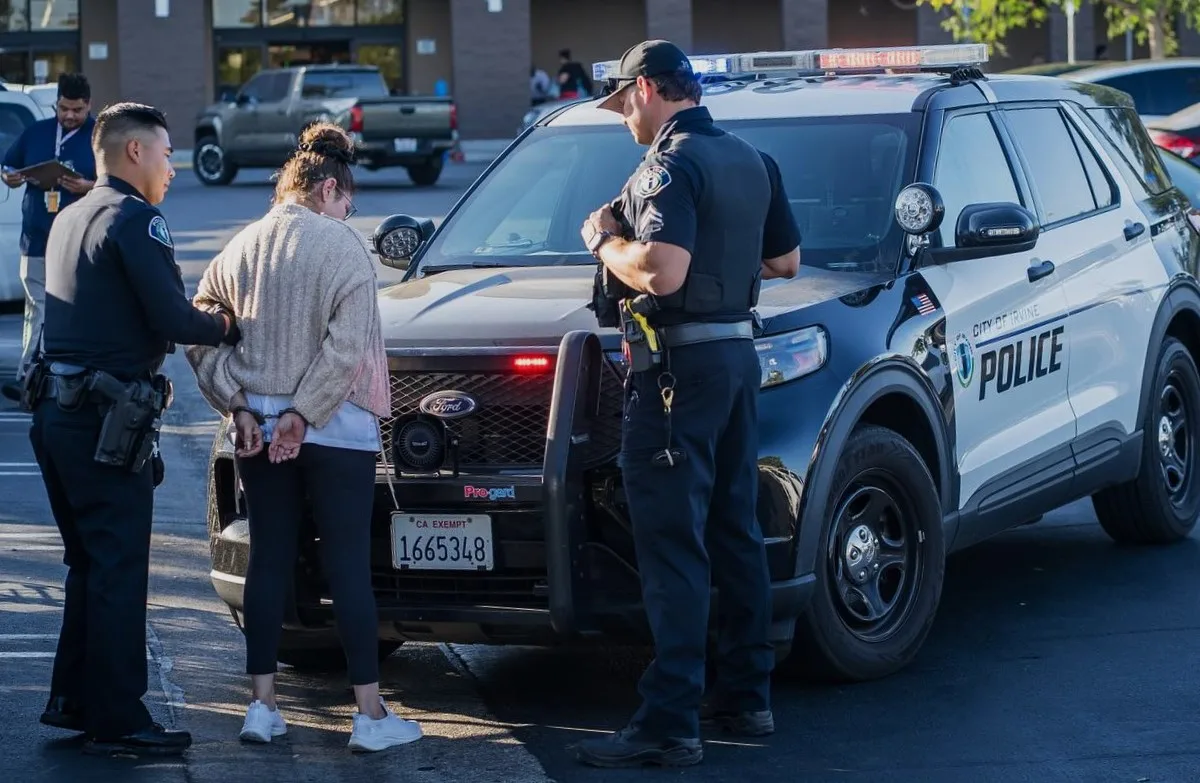
Retail asset protection has shifted significantly across major big-box retailers, and navigating the nuances of the Walmart shoplifting policy requires a precise look at modern security protocols. As retail crime evolves through 2026, Walmart continues to refine its approach to loss prevention, balancing employee safety with aggressive asset protection measures. Understanding how these policies operate on the ground helps clarify what happens when individuals interact with loss prevention associates, local law enforcement, and store management.
The Evolution of Asset Protection at Walmart
Loss prevention strategies have transitioned from reactive apprehension methods to integrated, technology-driven asset protection ecosystems. Walmart employs a multi-layered approach to deter retail theft, utilizing advanced camera arrays, artificial intelligence-driven computer vision systems at self-checkout registers, and dedicated Asset Protection (AP) teams.
Modern retail environments experience complex logistical challenges, making internal standard operating procedures vital. The core philosophy centers on deterrence, observation, and safe recovery of merchandise without escalating physical risks to staff or customers.
- Advanced Surveillance Integration: High-definition PTZ (Pan-Tilt-Zoom) cameras monitor sales floors, while analytical software tracks abnormal behavioral patterns.
- Smart Self-Checkout Monitoring: Automated systems flag skipped scans, un-scanned items left in shopping carts, and weight discrepancies at bagging stations.
- Plainclothes Asset Protection Associates (APAs): Specially trained personnel operate on the sales floor to observe, document, and intercept suspected theft under strict corporate guidelines.
Core Operational Steps of the Walmart Shoplifting Policy
When loss prevention associates suspect that retail theft is occurring, they must adhere to a strict protocol often referred to in the industry as the "seclusion" or "observation" rules. Unlike popular media depictions of chaotic pursuits, Walmart's corporate policy heavily restricts physical intervention to minimize liability and prevent workplace violence.
To establish probable cause and initiate a formal stop, APAs typically must meet several observational criteria. Skipping any single step in this sequence usually results in the termination of the observation to avoid false accusations or unlawful detention claims.
- Uninterrupted Observation: The APA must visually witness the individual select merchandise from a shelf, display, or rack.
- Concealment or Separation: The suspect must conceal the item (in a bag, pocket, under clothing) or demonstrate clear intent to permanently deprive the store of the property by bypassing all points of sale without paying.
- Continuous Line of Sight: The APA must maintain an unbroken visual of the suspect at all times to ensure the merchandise has not been abandoned or returned to a shelf.
- Passing the Last Point of Sale: The individual must pass all operational cash registers and exit doors (or the designated threshold) without making an attempt to pay.
- Safe Approach and Identification: The APA must identify themselves as store security, request the return of the merchandise, and escort the suspect back to the asset protection office without using excessive force.
Corporate Safety Mandate Zero Tolerance for Unauthorized Apprehensions: Regular sales associates and department managers are strictly prohibited from attempting to stop, chase, or detain suspected shoplifters. Only certified Asset Protection Associates who have completed specialized de-escalation and safety training are authorized to engage suspects, and even then, physical restraint is strictly a last resort reserved for active physical self-defense.
Legal Outcomes, Trespassing, and Civil Demands
Once an individual is detained under Walmart's shoplifting policy, the situation transitions from a corporate procedure to a legal matter. Depending on the monetary value of the merchandise involved, local jurisdictions classify the offense as either a misdemeanor or a felony.
Furthermore, retail establishments frequently utilize civil demand letters. These are financial demands sent to accused shoplifters under state civil recovery statutes, requiring payment to cover administrative costs and security expenses, independent of any criminal charges filed by local law enforcement.
| Offense Classification | Merchandise Value Threshold | Typical Legal and Operational Consequence |
|---|---|---|
| Petty Larceny / Misdemeanor | Under $500 - $1,000 (varies by state) | Issuance of a formal criminal citation, mandatory court appearance, and an immediate indefinite store trespass warning. |
| Grand Larceny / Felony | Over $500 - $1,000+ (varies by state) | Immediate physical arrest by local police, transport to county jail, formal felony indictment, and potential prison time. |
| Civil Recovery Demand | Any value involving detained merchandise | Receipt of a civil demand letter requesting financial compensation under state civil statutes, separate from criminal restitution. |
Comparative Analysis: Walmart vs. Standard Retail Loss Prevention
Examining how Walmart's asset protection framework compares to typical industry standards highlights the unique operational scale of the world's largest retailer.
| Feature | Walmart Asset Protection Protocol | Traditional Small-Box Retail Protocol |
|---|---|---|
| Technology Usage | Heavy deployment of AI self-checkout tracking, computer vision, and enterprise-wide digital surveillance. | Basic closed-circuit television (CCTV) and manual employee observation. |
| Staffing Structure | Dedicated, specialized Asset Protection Teams (APAs) operating independently from floor sales staff. | General store associates cross-trained in basic customer service and light observation. |
| Engagement Rules | Strictly mandated observational steps with severe disciplinary actions for non-compliant employee interventions. | Varied policies; smaller stores often rely entirely on calling local police rather than internal detentions. |
| Trespass Enforcement | Systematic logging of offenders into digital facial recognition and local trespass databases. | Manual paper logging or reliance on verbal warnings without digital tracking. |
Frequently Asked Questions About the Walmart Shoplifting Policy
Can Walmart employees search bags at the exit?
Receipt checks at exit doors are voluntary for customers, except in specific jurisdictions where club-style membership terms apply. However, if loss prevention has probable cause that a crime was committed, standard detention laws apply independently of receipt checks.
What happens if you accidentally forget to scan an item at self-checkout?
Accidental omissions are generally handled as customer service errors rather than criminal shoplifting once explained and corrected at the register. Asset protection looks for patterns of intent, meaning a truly accidental skipped scan is typically resolved by paying for the item or returning it.
Do Walmart asset prevention associates carry handcuffs or weapons?
No. Corporate policy strictly prohibits standard APAs from carrying firearms, tasers, or handcuffs while on duty within retail locations.
Will Walmart call the police for a minor theft?
Store management and asset protection maintain discretion, but corporate standard operating procedures generally dictate calling local law enforcement for any confirmed theft to establish an official police report and issue a formal trespass notice.
How long does a Walmart trespass warning last?
A trespass warning issued by Walmart management or local law enforcement on behalf of the company is typically indefinite, meaning returning to any Walmart location after receiving the notice constitutes criminal trespassing.
Ensuring Compliance and Safety
Navigating modern retail environments requires absolute adherence to operational guidelines and legal frameworks. Whether analyzing asset protection procedures from a loss prevention management perspective or seeking clarity on corporate liability, understanding that safety supersedes merchandise recovery remains the foundational rule of Walmart's security infrastructure.