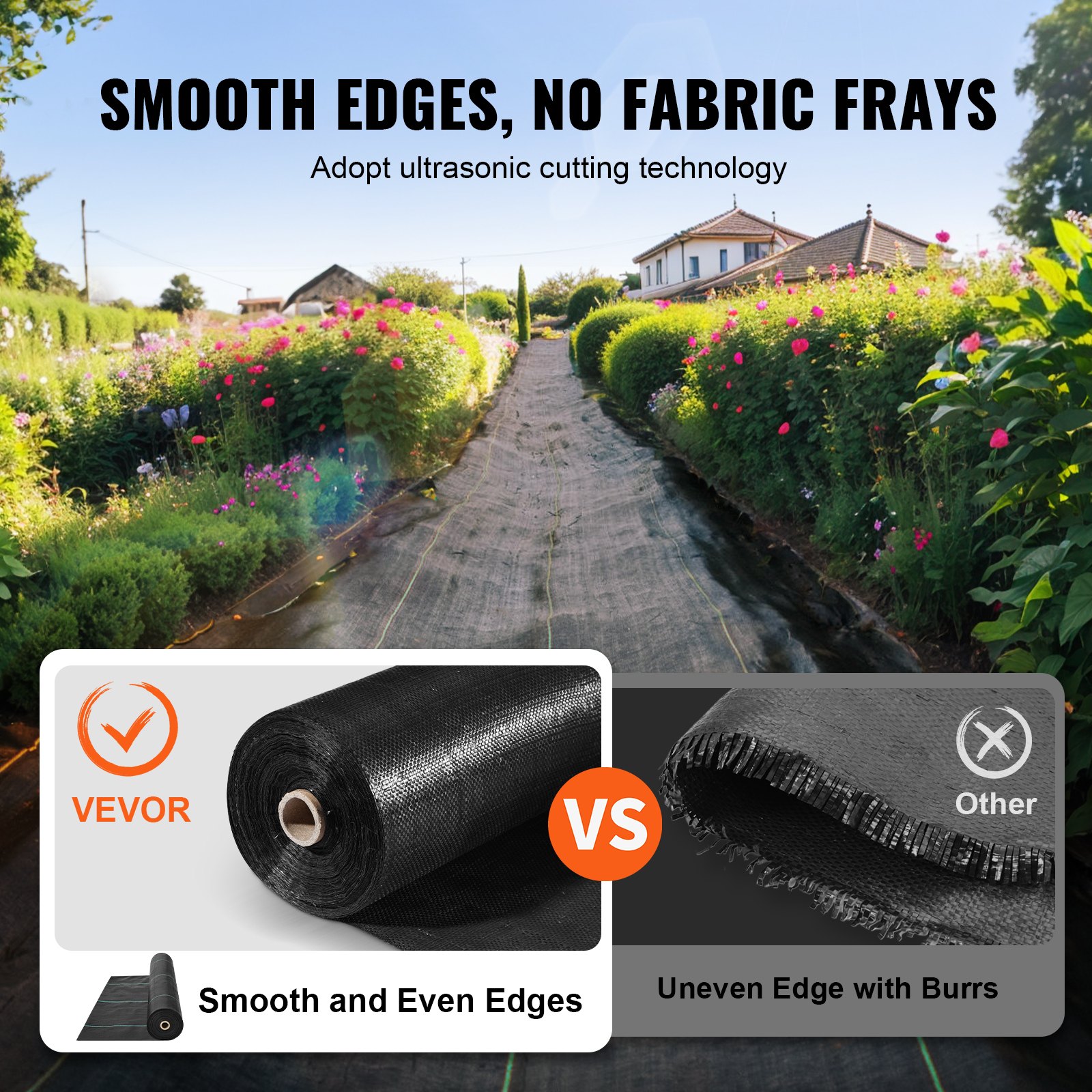
Menards landscape fabric remains a cornerstone material for homeowners, professional landscapers, and contractors aiming to suppress weeds, stabilize soil, and maintain moisture retention in garden beds. Navigating the inventory at Menards requires an understanding of the specific material weights, permeability ratings, and fiber technologies available for the 2026 season. Choosing the correct geotextile fabric prevents premature weed breakthrough, ensures proper water and nutrient infiltration, and extends the lifespan of your hardscape or softscape investment.
Understanding Landscape Fabric Types Available at Menards
Selecting the appropriate fabric depends heavily on your project goals, whether you are laying down mulch in a decorative flower bed or installing a heavy-duty paver patio base. Menards carries several distinct categories of landscape fabrics, each engineered with specific material compositions and weight classes measured in ounces per square yard (oz/sq yd).
- Woven Polypropylene Fabrics: These materials feature tightly interlaced plastic tapes that offer exceptional tensile strength. They are primarily engineered for soil stabilization under heavy aggregate, gravel paths, and interlocking pavers, though they generally provide lower water permeability compared to non-woven alternatives.
- Non-Woven Needle-Punched Fabrics: Composed of random synthetic fibers bonded together mechanically, non-woven fabrics excel at water drainage and air permeability. These are the preferred choice for standard garden beds, shrub lines, and French drain wraps because they allow maximum moisture and nutrient transfer to plant roots while blocking weed germination.
- Spunbond and Perforated Plastic Films: Lightweight and cost-effective, these options are designed for short-term residential flower beds. However, they degrade rapidly under ultraviolet (UV) radiation and often tear under heavy foot traffic or aggressive perennial weed pressure.
- Heavy-Duty Commercial Grade Options: Built for high-traffic or extreme weed environments, these textiles feature enhanced UV inhibitors and thick cross-sections that resist punctures from sharp gravel edges and aggressive root systems like thistle or quackgrass.
Technical Specifications and Material Performance Matrix
To evaluate which Menards landscape fabric matches your specific application, review the technical parameters outlined below. Proper weight selection dictates whether the material will function as a short-term weed barrier or a permanent sub-grade stabilization layer.
| Fabric Classification | Typical Weight (oz/sq yd) | Primary Application | Water Permeability | UV Resistance Rating |
|---|---|---|---|---|
| Economy Spunbond | 1.5 - 2.5 oz | Annual flower beds, lightweight mulch cover | Moderate | Low (1-2 Seasons) |
| Standard Non-Woven | 3.0 - 4.5 oz | Perennial gardens, shrub beds, residential paths | High | Moderate (3-5 Seasons) |
| Heavy-Duty Woven | 5.0 - 8.0 oz | Paver bases, retaining wall drainage, gravel driveways | Low to Moderate | High (10+ Seasons) |
| Professional Pro-Grade | 6.0 - 10.0 oz | Commercial landscapes, heavy aggregate stabilization | High | Maximum (15+ Years) |
Step-by-Step Installation Guide for Optimal Weed Suppression
Improper installation remains the single largest cause of landscape fabric failure. Even commercial-grade material from Menards will fail if weeds are allowed to germinate on top of the fabric or if sunlight penetrates through gaps. Follow this rigorous installation workflow to ensure long-term performance.
- Site Preparation and Vegetation Removal: Clear the designated area of all existing perennial weeds, grass, roots, and debris. Rake the soil smooth and remove any sharp rocks or sticks that could puncture the fabric during compaction or walking.
- Soil Treatment and Nutrients: Test your soil and apply necessary amendments, compost, or slow-release fertilizers directly to the earth before laying the fabric. Once the fabric is installed, root systems and soil biology will have limited direct access to top-dressed amendments until they break down through the material.
- Laying and Aligning the Fabric: Roll out the Menards landscape fabric across the prepared surface, pulling it taut to eliminate wrinkles. If your project requires multiple rows, overlap the edges by a minimum of 6 to 12 inches to prevent weeds from exploiting seams.
- Securing the Material: Drive landscape staples or anchor pins into the ground every 3 to 4 feet along the perimeter and across all overlap seams. Use a rubber mallet to drive the pins flush with the soil so they do not catch on rakes or shoes.
- Cutting Planting Openings: Use a sharp utility knife or razor to cut an "X" or a small circle where existing plants or new shrubs will go. Fold the cut flaps back, insert the plant into the soil, and press the flaps snugly around the base of the plant stem.
- Applying Surface Protection: Never leave landscape fabric exposed to direct sunlight. Cover the entire installation with a 2-to-3-inch layer of organic mulch, wood chips, or decorative stone. Sunlight degrades synthetic polymers rapidly, and exposed fabric attracts windblown weed seeds that germinate in dust layers accumulating on top.
Pros and Cons of Using Menards Landscape Fabric
Weighing the advantages against the limitations helps determine if fabric is the correct solution for your landscaping project or if alternative methods (such as deep organic mulch layering or sheet mulching) are more appropriate.
Advantages of Menards Landscape Fabrics Effective Weed Suppression: Significantly reduces the germination of dormant weed seeds buried in the soil profile. Soil Stabilization: Prevents expensive decorative gravel and rock from sinking into soft clay or loam sub-grades. Moisture Retention: Non-woven varieties slow down surface evaporation, keeping root zones hydrated during peak summer heat. Accessibility: Readily available at local Menards stores with diverse weight tiers for every budget.
Disadvantages and Limitations Organic Buildup: Over time, decomposing mulch resting on top of the fabric creates a new layer of topsoil where weed seeds can root independently of the fabric below. Earthworm and Soil Impact: Heavy woven plastics can restrict heavy earthworm migration and gas exchange if not properly selected for permeability. Maintenance Requirements: Fabrics do not eliminate maintenance entirely; surface weeds sprouting in top-dressing mulch must still be hand-pulled.
Frequently Asked Questions
How long does Menards landscape fabric typically last before breaking down?
Standard residential fabrics last between 3 to 5 years under mulch, while heavy-duty commercial grades last 10 to 15 years or more when fully protected from UV light. Longevity depends directly on fabric weight, fiber composition, and whether the material is completely covered by mulch or stone.
Can water and liquid fertilizers pass through Menards landscape fabric?
Yes, non-woven and standard perforated landscape fabrics are designed to allow high volumes of water, air, and liquid nutrients to pass freely into the soil. However, heavy woven stabilization fabrics have much lower permeability rates and are intended primarily for hardscape sub-bases rather than dense planting beds.
Do I need to remove existing weeds before installing the fabric?
Yes, you must completely remove all existing weeds and root systems, especially aggressive perennials like dandelions or thistle, before laying fabric. If left underneath, persistent weeds will push upward through lightweight fabrics and disrupt the surface dressing.
What is the difference between woven and non-woven fabric at Menards?
Woven fabrics are made from interlocking plastic tapes that provide high tear resistance and are ideal for stabilizing gravel paths and paver bases. Non-woven fabrics are needle-punched fiber matrices optimized for high water permeability, making them superior for flower beds and shrub plantings.
How do I prevent weeds from growing on top of the landscape fabric?
Weeds grow on top of fabric when windblown dust, dirt, and organic debris accumulate within the mulch layer, creating a germination bed. Applying a fresh 2-to-3-inch layer of clean mulch annually and removing surface debris promptly prevents this organic buildup.
Conclusion and Next Steps
Investing in the correct grade of landscape fabric from Menards ensures your garden beds and hardscapes remain pristine, low-maintenance, and structurally sound throughout 2026 and beyond. Assess your project parameters—determining whether you need soil stabilization for a walkway or maximum permeability for a perennial garden—and choose the appropriate weight tier. Visit your local Menards store or browse their inventory online to select your fabric, staples, and mulch cover today to begin your installation project.