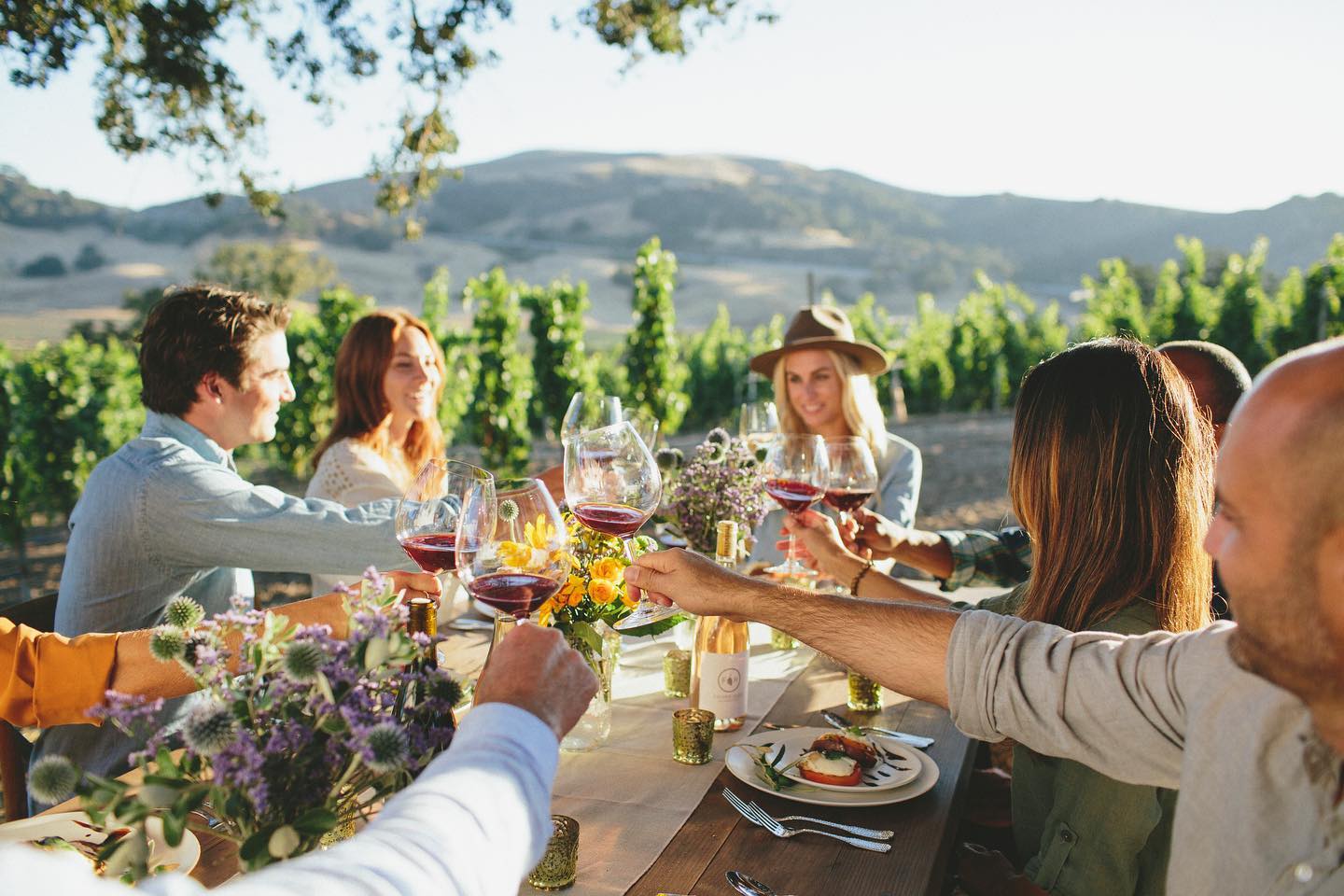
The Santa Ynez Valley stands as the epicenter of viticulture in Santa Barbara County. As of 2026, the region has matured into a sophisticated landscape of American Viticultural Areas (AVAs), balancing legacy estate wineries with boutique, high-altitude production experiments. This guide provides the tactical framework for navigating the trail, optimizing your logistics, and understanding the current technical standards of regional wine production.
Understanding the Geographic and Climatic Framework of Santa Ynez Valley
The Santa Ynez Valley AVA, established in 1983, serves as the primary corridor for this wine trail. It is defined by its unique transverse orientation—the mountains run east-west rather than north-south—which allows cool maritime air from the Pacific to funnel inland, creating a distinct temperature gradient.
When planning your 2026 itinerary, you must account for the following climatic zones:
- The Western Sector: Closer to Lompoc and the Sta. Rita Hills, this area is defined by maritime influence, perfect for cool-climate varietals like Pinot Noir and Chardonnay.
- The Central Valley: The mid-valley floor experiences higher thermal accumulation, making it the primary theater for Bordeaux varietals, including Cabernet Sauvignon and Merlot.
- The Eastern Highlands: Areas such as Happy Canyon are defined by higher elevations and warmer days, ideal for late-ripening grapes that require sustained heat to reach peak phenolic maturity.
Logistics and Operational Standards for the 2026 Wine Trail
Navigating the trail requires a strategic approach to time management. Most tasting rooms operate between 11:00 AM and 5:00 PM, though exclusive estate appointments often require booking 14 days in advance as of the 2026 tourism standards.
Optimal Transit and Scheduling Strategy
Do not attempt to visit more than three wineries in a single day if you intend to conduct technical tastings. Rapid rotation between venues leads to palate fatigue and diminishes the educational value of the visit.
Operational Logistics Recommendations
Transportation Security For groups of four or more, professional chauffeur services are strongly recommended. Local law enforcement maintains strict DUI enforcement patrols along State Route 154 and U.S. Highway 101, with zero-tolerance policies for impaired operation.
Hydration and Nutrition Cycles Palate cleansing is a critical component of professional tasting. Plan for a substantial midday meal in Los Olivos or Solvang to mitigate the effects of ethanol absorption. Consuming high-protein meals mid-day will stabilize blood sugar and improve sensory perception for afternoon sessions.
Comparative Analysis of Major Sub-Regions
The following table outlines the technical profile and target varietals for the primary sub-regions you will encounter along the Santa Ynez Wine Trail in 2026.
| Sub-Region | Primary Varietals | Soil Composition | Tasting Experience Type |
|---|---|---|---|
| Sta. Rita Hills | Pinot Noir, Chardonnay | Diatomaceous Earth | Deeply Educational / Estate-Focused |
| Happy Canyon | Cabernet, Sauvignon Blanc | Loam, Clay, Alluvial | Ultra-Premium / Appointments Only |
| Ballard Canyon | Syrah, Grenache | Limestone, Sandy Loam | Intimate / Small-Scale Production |
| Los Olivos District | Bordeaux & Rhône Blends | Alluvial Fan Deposits | Walkable / High-Volume Hospitality |
Technical Tasting Etiquette and Sensory Evaluation
Engaging with the Santa Ynez wine scene requires a fundamental understanding of viticultural assessment. When visiting, move beyond simple flavor identification and look for technical markers that signify high-quality production standards.
Sensory Evaluation Protocol
- Appearance: Observe the viscosity and color extraction. In 2026, premium Pinot Noirs from the region should demonstrate moderate transparency, whereas high-end Syrahs should exhibit deep, opaque saturation.
- Aromatics: Agitate the glass to release esters. Identify primary fruit, secondary fermentation notes (such as brioche or yeast), and tertiary aging characteristics like leather or forest floor.
- Structural Balance: Assess the acidity, tannin profile, and alcohol integration. A well-constructed Santa Ynez wine will show a harmonious balance between the "acid backbone" provided by the cool Pacific influence and the concentrated sugar levels developed during the long, sunny growing season.
Economic and Membership Realities in 2026
As of the 2026 calendar year, wine clubs have shifted toward flexible, data-driven subscription models. Gone are the days of rigid, forced-buy shipments. Most estates now utilize personalized preference engines that allow members to curate their shipments based on specific varietal output.
If you are a frequent visitor, inquire about "local-resident" or "industry-partner" rates, which are often not publicized on public-facing websites. Additionally, note that many premium boutique wineries now charge a "tasting fee waiver" threshold rather than a flat membership discount, requiring a minimum purchase to offset the costs of a private, expert-led tasting session.
Frequently Asked Questions
Which time of year offers the best weather for the Santa Ynez Wine Trail? The peak window for optimal weather and viticultural observation is typically May through October. Late spring offers verdant landscapes, while the harvest season (late August to early October) provides a firsthand look at the most intensive phase of the winemaking cycle.
Do I need an appointment for every winery in the valley? While many tasting rooms in downtown Los Olivos accept walk-ins, the most exclusive estate wineries and those in the Sta. Rita Hills require advance reservations. Always check the official 2026 booking portal for each specific estate at least two weeks before your arrival to ensure availability.
Are children and pets permitted on the trail? Most wineries in the region are strictly 21-and-over facilities due to California liquor licensing and safety regulations. While some estates offer designated outdoor pet-friendly areas, you should verify individual "pet and child policies" on their website before arriving to avoid being turned away at the gate.
How does the Santa Ynez climate impact the aging potential of the wine? The significant diurnal temperature shift—the difference between daytime highs and nighttime lows—promotes high acidity retention in grapes. This natural acidity serves as a preservative, meaning that many of the 2026 releases from the region possess substantial aging potential if stored in climate-controlled environments (55 degrees Fahrenheit, 70% humidity).
What is the best way to handle palate fatigue during a full day of tasting? Limit your intake to small "pours" (typically 1.5 to 2 ounces) and utilize dump buckets. Between each venue, consume at least 8 ounces of water and avoid high-sugar snacks that can alter your perception of wine sweetness and acidity.
Strategy for Your 2026 Visit
To maximize your experience, focus on one sub-region per day. By narrowing your geographical scope, you reduce transit time and allow for a deeper engagement with the terroir-specific nuances of the local producers. Begin your day at 10:30 AM to beat the mid-day crowds, reserve a private session for your primary interest, and conclude your afternoon with a casual tasting in a high-density area like the Los Olivos plaza. Always verify your transport arrangements in advance to ensure a responsible and enjoyable experience in the heart of California wine country.