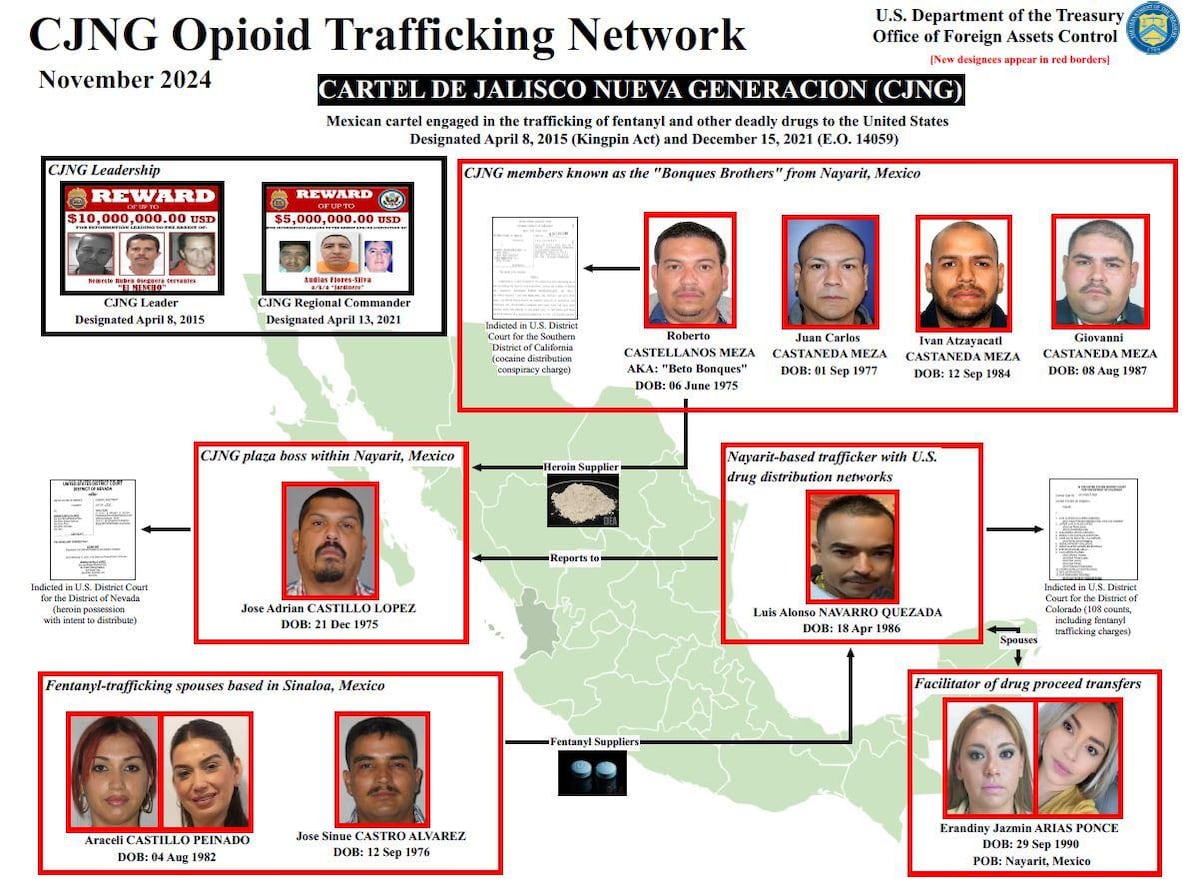
CJNG videos are a sophisticated form of digital psychological warfare used by the Jalisco New Generation Cartel to intimidate rivals, recruit members, and influence public perception. These videos range from high-definition displays of military-grade equipment to recorded interrogations, serving as a primary tool for territorial control and brand-building in 2026.
The digital landscape of organized crime has shifted dramatically over the last decade. What began as low-quality, shaky camera footage has evolved into professional-grade productions that utilize drones, high-definition (HD) cameras, and sophisticated editing software. For the Cártel de Jalisco Nueva Generación (CJNG), led by Nemesio Oseguera Cervantes (known as "El Mencho"), these videos are not merely vanity projects; they are essential components of their operational strategy. As we navigate the security environment of 2026, understanding the nuances of this "narco-propaganda" is vital for researchers, policy analysts, and the general public.
The Evolution of CJNG Digital Propaganda
The CJNG has distinguished itself from other Mexican criminal organizations by its aggressive and tech-savvy approach to media. In the early 2010s, cartel media was primarily focused on gruesome displays intended to shock the public. However, by 2026, the strategy has diversified. The group now employs a multi-tiered media approach that mimics the branding of legitimate military or corporate entities.
The evolution of these videos reflects the cartel's growth. When the CJNG first broke away from the Milenio Cartel, their videos were amateurish. As they consolidated power and expanded their "Elite Group" (Grupo Élite), the production value skyrocketed. Today, their content often features synchronized uniforms, tactical vehicles (monstruos), and scripted speeches that aim to project an image of an "alternative state" capable of providing security or justice where the official government is perceived to fail.
The Rise of the "Elite Group" Videos
The most recognized CJNG videos feature the "Grupo Élite." These videos typically show dozens, sometimes hundreds, of armed men in tactical gear standing in front of armored vehicles. The primary goal is a demonstration of force (demonstración de fuerza). These are not meant to show a specific battle but to signal to the Mexican government and rival cartels—such as the Sinaloa Cartel or the remnants of the Gulf Cartel—that the CJNG possesses the manpower and weaponry to defend or seize territory.
In 2026, these tactical displays have become more frequent during territorial disputes. By releasing a video showing control over a specific highway or town square, the CJNG effectively "claims" the area in the digital space, which often precedes or reinforces physical occupation.
Categorization of CJNG Video Content
To understand the impact of CJNG videos, one must categorize them based on their intended audience and strategic goal. The cartel does not produce a single "type" of video; rather, they tailor their content to specific psychological outcomes.
1. Tactical Demonstrations and Parades
These are the most "professional" videos. They often feature drone shots of long convoys of armored trucks. The audio usually consists of the men shouting loyalty to "El Mencho." These videos are designed to demoralize rival organizations and project an image of invincibility.
2. Interrogations and Executions
This is the most "dark" aspect of their media strategy. These videos often involve captured rivals being questioned on camera. The goal is twofold: to extract intelligence (often forced and unreliable) and to serve as a gruesome warning to anyone who opposes the cartel. In the digital ecosystem of 2026, these videos are frequently censored on mainstream platforms like X or Facebook but continue to circulate on encrypted messaging apps.
3. "Social Work" and Community Outreach
During holidays or natural disasters, the CJNG frequently releases videos of members distributing food, toys, or medical supplies. These videos are captioned with messages claiming the cartel "cares for the people" more than the government does. This "hearts and minds" strategy is a classic insurgent tactic used to gain local support and make it harder for federal forces to operate in certain regions.
4. Direct Threats to Officials
The CJNG has used video messages to directly threaten governors, police chiefs, and even federal ministers. These videos often feature a spokesperson surrounded by armed guards reading a prepared statement. This bypasses traditional media channels and allows the cartel to speak directly to the public and the state.
Analysis of CJNG Media Categories and Impact
| Video Type | Primary Audience | Strategic Goal | Production Level |
|---|---|---|---|
| Tactical Parades | Rivals & Government | Deterrence & Intimidation | High (HD, Drones) |
| Social Aid | Local Populace | Legitimacy & Recruitment | Medium (Phone/Gopro) |
| Interrogations | Rivals & Traitors | Internal Discipline/Terror | Low to Medium |
| Direct Threats | State Officials | Political Leverage | Medium (Scripted) |
| Music Videos | Youth/General Public | Cultural Normalization | Professional (Studio) |
The Role of Social Media Platforms in 2026
The distribution of CJNG videos remains a significant challenge for tech companies. Despite advanced AI-driven moderation tools available in 2026, the CJNG has found ways to circumvent bans. They often use "burner" accounts, coded language, and decentralized platforms to ensure their message reaches the masses.
The TikTok and Short-Form Influence
In recent years, the cartel has shifted toward short-form content. TikTok-style videos, often set to "corridos bélicos" (war ballads), show the daily life of cartel members—luxury cars, exotic animals, and expensive weapons. This "lifestyle" content is particularly dangerous as it targets a younger demographic, romanticizing the narco-culture and making recruitment easier.
Encrypted Channels (Telegram and Signal)
While mainstream platforms like YouTube and Meta have become more efficient at removing violent content, encrypted apps serve as the primary archive for CJNG videos. Communities on Telegram often act as hubs where these videos are shared without censorship. This creates a "dark" information stream that is difficult for authorities to regulate without infringing on broader privacy rights.
Psychological Operations (PSYOPS) and Strategic Objectives
The CJNG's use of video is a textbook example of psychological operations. By controlling the narrative, they manage the perception of their strength. In many cases, the videos may exaggerate the cartel's actual capabilities. A single group of fifty men can appear like an army if filmed correctly with drones and tactical editing.
Creating a "State Within a State"
The primary psychological objective is to convince the public that the cartel is the "real" authority in their region. When a video shows the CJNG providing security against "extortionists" or "thieves," it creates a narrative where the cartel is the protector. This undermines the legitimacy of the Mexican state and creates a vacuum that the cartel fills.
Weaponizing Fear
Fear is a tool for territorial expansion. If a rival group sees a CJNG video showing superior firepower and the brutal treatment of captives, they may be more likely to defect or abandon their posts before a shot is even fired. This digital "softening" of the target is a standard part of CJNG's offensive maneuvers in 2026.
Legal and Ethical Considerations for Viewing and Research
It is important to address the risks associated with searching for or viewing CJNG videos. Beyond the obvious psychological trauma associated with viewing violent content, there are significant legal and security risks.
- Digital Footprints: Accessing sites that host cartel content often exposes users to malware or tracking by both criminal organizations and law enforcement agencies.
- Legal Implications: In some jurisdictions, sharing or downloading cartel propaganda can be classified as supporting a terrorist or criminal organization.
- Psychological Impact: Exposure to extreme violence in "snuff" or interrogation videos can lead to secondary trauma and desensitization.
For researchers and journalists, it is highly recommended to access this information through secondary, verified sources such as security think tanks (e.g., InSight Crime) or government reports rather than seeking out the raw footage on the "dark web" or unmoderated forums.
The Government Counter-Narrative
In response to the CJNG's digital dominance, the Mexican government and international partners have attempted to launch their own digital campaigns. However, these efforts often struggle to match the "viral" nature of cartel content. Government videos tend to be formal and lack the high-stakes drama that drives social media algorithms.
The focus in 2026 has shifted toward "digital interdiction." This involves working with tech companies to take down accounts associated with the CJNG's financial and logistical wings, rather than just the accounts posting the videos. By cutting off the "lifestyle" propaganda, authorities hope to reduce the cartel's recruitment appeal.
Technical Specifications of CJNG Propaganda
An analysis of the metadata and visual quality of CJNG videos reveals a high level of technical proficiency. Many videos released in 2025 and 2026 show:
- 4K Resolution: Indicating the use of professional cinematography equipment.
- Stabilized Footage: Use of gimbals and high-end drones (DJI or similar tactical models).
- Multicam Editing: Some videos use multiple angles during "speeches," suggesting a dedicated media team.
- Watermarking: The CJNG often uses digital watermarks (e.g., "CJNG - Grupo Élite") to prevent other cartels from claiming their actions or to ensure their "brand" is recognized even when the video is re-shared.
FAQs about CJNG Videos
Why does the CJNG release so many videos?
The CJNG uses videos as a primary tool for brand-building and psychological warfare. They aim to intimidate rivals, recruit new members by romanticizing the narco-lifestyle, and project an image of power to the government. It is a cost-effective way to claim territory and influence public opinion without always resorting to physical combat.
Are these videos real or staged?
While some tactical "parades" are carefully staged to make the cartel look more organized and powerful than they might be in a fluid combat situation, the violence depicted in interrogation and execution videos is almost always real. The "social aid" videos are also real but are highly curated to serve as propaganda.
Is it illegal to watch CJNG videos?
In most democratic countries, simply watching a video is not a crime. However, sharing, hosting, or using the videos to promote the cartel can lead to legal issues under anti-terrorism or organized crime laws. Furthermore, many sites that host this content are high-risk for cybersecurity threats.
How do social media companies stop these videos?
Platforms use a combination of AI hashing (which recognizes known violent videos) and manual moderation. However, cartel members often use "coded" accounts or slightly alter the video to bypass AI detection. In 2026, the battle between cartel "uploaders" and platform "moderators" remains a constant cat-and-mouse game.
What should I do if I encounter this content?
If you stumble upon violent cartel content on a platform like X, TikTok, or YouTube, the best course of action is to report the video using the platform's "violent content" or "terrorism" reporting tools and then block the account. Avoid sharing the link, as this only increases the video's reach and serves the cartel's propaganda goals.
Do these videos affect Mexican politics?
Yes. By releasing videos that show the government's inability to control certain regions, the CJNG influences political discourse. These videos are often used by opposition parties to criticize current security policies or by the cartel itself to pressure local officials into cooperation.
Practical Recommendation for Information Security
When researching topics related to Mexican organized crime and CJNG digital activities, prioritize safety and verification. Use reputable databases such as the U.S. Department of Justice (DOJ) news releases or the Global Initiative Against Transnational Organized Crime. Avoid searching for raw video files on unverified forums. For those in academia or journalism, utilize VPNs and dedicated research environments to maintain digital hygiene and avoid being tracked by malicious actors who monitor these digital spaces.