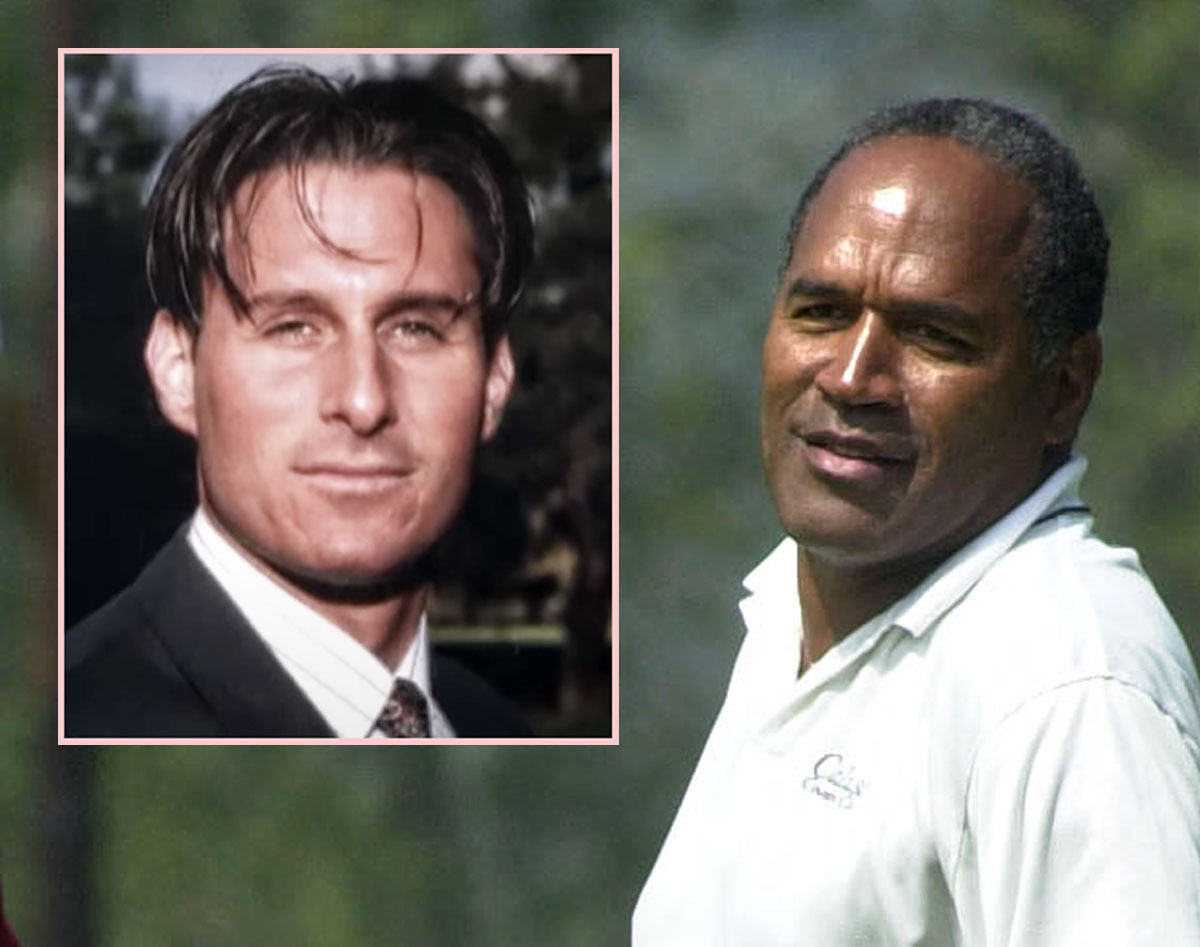
Note: This article focuses on Ronald Goldman, widely known as Ron Goldman, whose life and tragic murder in 1994 remain a pivotal point in American legal history, cultural discourse, and media evolution.
More than three decades after the watershed events of June 1994, the name Ronald Goldman continues to evoke profound reflections on the American justice system, media sensationalism, and the enduring resilience of a grieving family. As society reviews historical legal precedents and the evolution of true crime media in 2026, understanding the life of Ron Goldman beyond the sensationalized headlines of the "Trial of the Century" remains vital. This profile explores his background, the structural failures of the 1995 criminal trial, the subsequent civil trial victory, and his family's tireless advocacy for accountability.
Early Life, Personal Ambitions, and Community Ties
Born on July 2, 1968, in Illinois, Ronald Goldman moved to Southern California following his parents' divorce. He attended suburban high schools before briefly studying psychology at Pierce College in Woodland Hills, California. Prior to his tragic death at age 25, Goldman was focused on carving out a professional future in the hospitality and fitness industries.
Known among his peers as outgoing, athletic, and deeply dedicated to his friends and family, Goldman worked multiple jobs to support his ambitions. He harbored long-term aspirations of opening his own restaurant and bar. At the time of his passing, he was employed as a waiter at Mezzaluna Italian Restaurant in Brentwood, Los Angeles. His life was abruptly ended on the night of June 12, 1994, when he returned a pair of eyeglasses left behind at the restaurant by Nicole Brown Simpson, leading to a fateful encounter outside her condominium.
The 1995 Criminal Trial: Structural Deficiencies and Verdict Analysis
The legal proceedings that followed the murders of Ronald Goldman and Nicole Brown Simpson tested the limits of the American criminal justice system. Presiding Judge Lance Ito managed a televised spectacle that lasted for months, drawing global scrutiny. The defense team, famously dubbed the "Dream Team," successfully dismantled the prosecution's forensic timeline and highlighted mishandling of physical evidence by law enforcement personnel.
Legal analysts and forensic historians examining the trial identify several key factors that contributed to the controversial 1995 not-guilty verdict for O.J. Simpson:
- Chain of Custody Vulnerabilities: Defense attorneys effectively challenged the handling of blood evidence and DNA samples by the Los Angeles Police Department (LAPD), raising reasonable doubt regarding contamination.
- Racial and Institutional Tensions: The trial occurred against the backdrop of strained relations between the LAPD and minority communities in Los Angeles, heavily influencing jury perception and witness credibility.
- Prosecutorial Strategy Shifts: Key missteps, such as the infamous glove demonstration where the defendant struggled to fit the blood-stained leather gloves over latex barriers, severely damaged the prosecution's narrative.
The Pursuit of Accountability Through Civil Litigation
Recognizing the limitations of the criminal verdict, the Goldman family pursued a civil lawsuit for wrongful death and battery. Unlike criminal court, which requires a burden of proof "beyond a reasonable doubt," civil court operates on a "preponderance of the evidence" standard—meaning it is more likely than not that the defendant caused the deaths.
In February 1997, a unanimous civil jury found the defendant liable for the deaths of Ronald Goldman and Nicole Brown Simpson, awarding the Goldman and Brown families $33.5 million in damages. This verdict validated the family's relentless pursuit of truth, establishing legal responsibility despite the earlier criminal acquittal.
| Legal Proceeding | Year | Standard of Proof | Outcome / Verdict | Financial / Legal Impact |
|---|---|---|---|---|
| Criminal Trial | 1995 | Beyond a Reasonable Doubt | Not Guilty | Significant public debate regarding forensic handling and media influence. |
| Civil Trial | 1997 | Preponderance of the Evidence | Liable for Wrongful Death | Awarded $33.5 million to victims' families; established legal accountability. |
| Enforcement Actions | Ongoing | Civil Asset Recovery | Partial Asset Seizure & Rights Assignment | Families secured rights to books, memorabilia, and future earnings to satisfy the judgment. |
Fred Goldman and the Ongoing Advocacy Legacy
In the decades following the tragedy, Ronald Goldman’s father, Fred Goldman, emerged as a tireless advocate for victims of violent crime. Alongside Kim Goldman, Ron's sister, the Goldman family transformed their private grief into public action. They established foundations focused on victim support, legislative reform regarding stalker laws, and the systemic enforcement of civil judgments against wrongdoers who attempt to profit from illegal acts.
The family's legal battles extended into the digital and publishing arenas. When the defendant attempted to release a speculative, hypothetical confession manuscript titled If I Did It, the Goldman family utilized intellectual property rights awarded through the civil judgment to seize control of the book. They re-released the publication with commentary, ensuring that all proceeds directly benefited the economic funds established in Ron’s memory, while altering the title to highlight the perpetrator's confession.
Cultural Evolution and Media Representation in 2026
As true crime programming expanded exponentially into streaming documentaries, docuseries, and investigative podcasts, the cultural framing of the 1994 murders underwent a significant transformation. Modern media analyses consistently push back against the tabloid sensationalism of the 1990s, centering the narrative on the human cost of the crimes and restoring dignity to Ronald Goldman and Nicole Brown Simpson.
Contemporary legal education frequently utilizes the trials as a case study in evidence preservation, cross-examination techniques, and the ethical dilemmas of televised judicial proceedings. The focus has decisively shifted from celebrity obsession to systemic reform, victim advocacy, and the permanent preservation of Ron Goldman's true identity as a young man with a promising future cut short.
The Shift in Public Memory
Modern retrospectives place primary emphasis on restoring Ronald Goldman to the forefront of historical awareness. Rather than viewing the case solely through the lens of celebrity culture, contemporary analysis honors his ambitions, values the dignity of working people, and acknowledges the profound, enduring strength of families impacted by violent crime.
Frequently Asked Questions
Who was Ronald Goldman and what happened to him?
Ronald Goldman was a 25-year-old aspiring restaurant owner who was tragically murdered alongside Nicole Brown Simpson outside her Brentwood home on June 12, 1994. He had gone to her residence simply to return a pair of eyeglasses left behind at Mezzaluna Italian Restaurant where he worked.
What was the outcome of the 1995 criminal trial?
The criminal trial resulted in a not-guilty verdict for O.J. Simpson in October 1995, following months of intense legal battles, intense media coverage, and intense scrutiny of forensic evidence collection by law enforcement.
How did the civil trial differ from the criminal verdict?
In 1997, a civil court jury found the defendant liable for wrongful death and battery under the lower "preponderance of the evidence" standard, awarding the Goldman and Brown families a $33.5 million judgment.
What is the significance of the book If I Did It?
After the defendant attempted to publish a hypothetical confession, the Goldman family successfully acquired the publishing rights through the civil court judgment, re-releasing the book to ensure proceeds directly served the memory and financial judgments tied to Ron Goldman.
How has public perception of the case changed over time?
Public and media focus has evolved away from 1990s celebrity sensationalism toward honoring the victims, analyzing systemic legal failures, and supporting victims' rights through ongoing advocacy.
Conclusion
The enduring legacy of Ronald Goldman serves as a solemn reminder of the human cost behind historical legal milestones. By shifting focus toward victim advocacy, rigorous legal accountability, and the preservation of his memory, society ensures that Ron Goldman is remembered not merely as a footnote in a sensationalized trial, but as a vibrant young man whose life continues to inspire meaningful legal and cultural reforms.