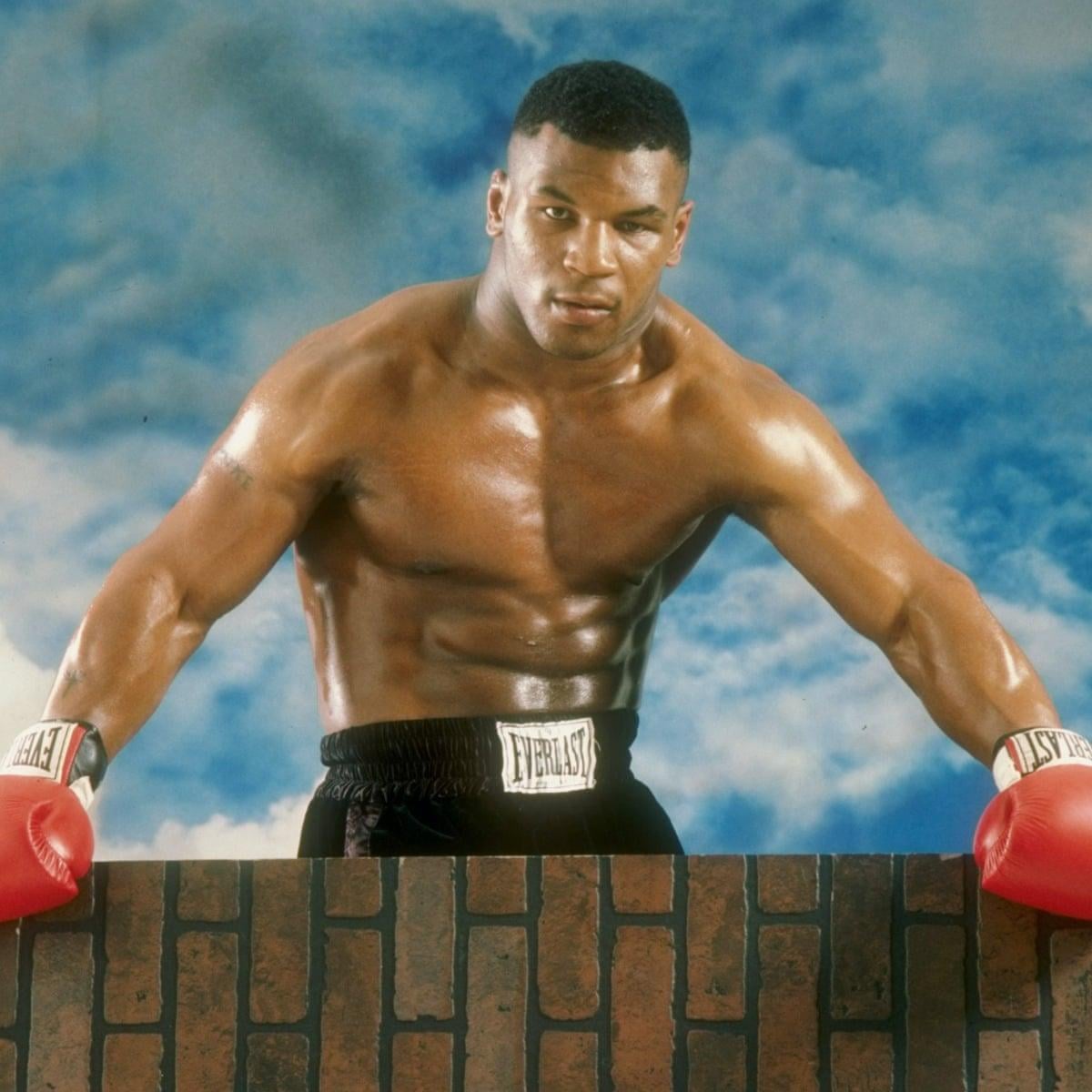
In 2026, Mike Tyson is 59 years old, approaching his 60th birthday on June 30. Born in 1966, the former undisputed heavyweight champion remains a global icon, balancing a legacy of unprecedented athletic dominance with a modern career defined by fitness advocacy, high-profile exhibition matches, and successful business ventures in the wellness industry.
Understanding the "Age of Mike": Why it Matters in 2026
The phrase "age of mike" has become a significant search trend as the world observes one of the most remarkable physical second acts in sports history. While the name "Mike" is common, it is Mike Tyson whose age has sparked international debate regarding athletic longevity, the ethics of combat sports for seniors, and the biological possibilities of high-level performance in one’s late 50s.
As of 2026, Tyson stands as a testament to modern sports science. His ability to maintain explosive power and speed nearly four decades after his professional debut has shifted the conversation from "when should an athlete retire?" to "how can an athlete sustain themselves?" This article explores the various eras of Mike Tyson's life, the physiological realities of his current age, and his impact on the cultural perception of aging.
The Chronological Journey: From 1966 to 2026
To understand the current "age of Mike," one must examine the timeline that shaped the man. Tyson’s life is typically divided into distinct chronological eras, each marked by specific psychological and physical characteristics.
The Youngest Champion (Ages 18–20)
Mike Tyson’s most famous age-related milestone occurred on November 22, 1986. At 20 years, 4 months, and 22 days, he became the youngest heavyweight champion in history by defeating Trevor Berbick. This record remains unbroken in 2026. During this period, his "age" was synonymous with raw, terrifying potential and a level of physical maturity that defied his youth.
The Undisputed Era (Ages 21–24)
By his early 20s, Tyson had unified the belts. This era represented the absolute peak of his physiological "prime." Sports scientists often point to this period as the benchmark for human explosive power, characterized by his unique "peek-a-boo" style which required immense lateral movement and fast-twitch muscle fiber activation—attributes that typically decline rapidly after age 30.
The Turbulent Middle Years (Ages 25–40)
This period saw Tyson navigate legal challenges, a hiatus from the ring, and an eventual return that culminated in his retirement from professional boxing in 2005 at age 38. At that time, many believed he was "physically spent," a common narrative for heavyweights who rely on speed rather than size.
The Transformation and Wellness Era (Ages 50–60)
The most surprising chapter began when Tyson entered his 50s. Rather than following the traditional path of decline, he underwent a physical transformation, losing weight and returning to a rigorous training schedule. His exhibition match against Roy Jones Jr. in 2020 (at age 54) and his highly publicized bout against Jake Paul in late 2024 (at age 58) redefined the "Age of Mike" as an era of defiance against the standard aging curve.
The Science of Longevity: How Mike Tyson Stays Fit at 59
In 2026, Tyson’s physical condition is frequently cited in discussions about longevity science. Maintaining a professional athlete's physique at nearly 60 requires more than just "good genetics." It involves a sophisticated intersection of nutrition, recovery technology, and hormonal management.
Biological Age vs. Chronological Age
While Mike Tyson is chronologically 59, his biological markers suggest a younger profile in terms of muscle density and cardiovascular capacity.
- Stem Cell Therapy: Tyson has publicly discussed the use of stem cell treatments to manage inflammation and repair tissue damage accumulated over decades of impact.
- Dietary Precision: Moving away from the heavy-protein diets of his youth, Tyson's later years have been characterized by a focus on anti-inflammatory foods and plant-based supplementation, which assist in joint health and cognitive function.
- Neuro-Protective Focus: Given the risks associated with boxing and age, Tyson's team in 2026 prioritizes brain health, utilizing hyperbaric oxygen therapy (HBOT) and specific nootropic protocols to mitigate the long-term effects of concussive impact.
Training Adaptation for the Older Athlete
Tyson’s training in 2026 is no longer about the grueling 10-hour days of the Cus D'Amato era. Instead, it focuses on High-Intensity Interval Training (HIIT) and "explosive maintenance."
- Low-Impact Cardio: To preserve his knees and lower back, Tyson utilizes swimming and specialized cycling equipment.
- Shadow Boxing for Cognitive Function: The complex movement patterns of boxing serve as a form of cognitive exercise, maintaining the mind-muscle connection.
- Resistance Training: Focused on functional strength rather than bulk to keep the metabolism high and prevent sarcopenia (age-related muscle loss).
Comparative Age Analysis: Heavyweight Legends
To provide context to Tyson's current status in 2026, it is helpful to compare his activity level and age with other historical heavyweight icons at the time of their final significant public performances or retirements.
| Athlete | Age at Last Major Fight | Physical Status at 60 | Legacy Impact |
|---|---|---|---|
| Mike Tyson | 58 (vs. Jake Paul) | Active / Fitness Icon | Redefined senior athleticism |
| George Foreman | 48 (vs. Shannon Briggs) | Retired / Entrepreneur | Proved power is the last to go |
| Muhammad Ali | 39 (vs. Trevor Berbick) | Health Challenges | Global humanitarian icon |
| Larry Holmes | 52 (vs. Butterbean) | Retired | Known for sustained technical skill |
| Evander Holyfield | 58 (vs. Vitor Belfort) | Retired | Example of the limits of age |
Legal and Ethical Considerations of Boxing at Age 59
The "age of Mike" has forced athletic commissions to rethink their protocols. In 2026, the licensing of fighters over the age of 50 is subject to much more stringent requirements than in previous decades.
Mandatory Health Screenings
For an athlete of Tyson's age to participate in even an exhibition match, several "Evidence-Based Clearances" are typically required:
- Electroencephalogram (EEG) and Brain MRI: To ensure no progressive neurological decline.
- Stress EKG: To verify that the heart can handle the extreme spikes in heart rate associated with combat.
- Blood Panels: Checking for kidney and liver function, which can be stressed by the dehydration inherent in weight-cutting or intense training.
The "Tyson Rule" in Combat Sports
Many regional commissions have adopted what insiders call the "Tyson Rule," which mandates that fighters over 50 must have a specific "longevity history" and a clean bill of health from a neurologist specializing in sports-related trauma. This has made Tyson the "gold standard" for how an older athlete must present themselves to remain sanctioned.
Business and Cultural Influence in 2026
Beyond the ring, the "Age of Mike" represents a massive business empire. In 2026, Tyson’s age is a marketing asset rather than a liability. He has successfully pivoted into several high-growth sectors.
- Cannabis and Wellness (Tyson 2.0): Leveraging his personal journey with plant medicine, Tyson’s brand is a leader in the global market, specifically targeting the "active senior" demographic looking for natural pain management.
- The "Iron Mike" Podcast and Media: At 59, his wisdom and life experience have made him a sought-after interviewer. His age provides a perspective that resonates with both Gen Z (who view him as a legendary figure) and Boomers (who grew up with him).
- Fitness Franchises: Tyson-branded gyms focus on the "Tyson Method," which blends boxing fundamentals with the longevity science he uses to stay fit in his late 50s.
Common Challenges Faced by Aging Public Figures
Despite the successes of the "age of Mike," there are inherent challenges that Tyson faces, which are common to many high-profile individuals in their 60th year.
- Public Perception and Skepticism: There is a constant battle against critics who believe that "senior" athletes are a spectacle rather than a legitimate sporting endeavor.
- Physical Volatility: At 59, the recovery time from a minor injury (like a strained calf or a sore shoulder) is significantly longer than it was at 20.
- Maintaining Relevancy: In a digital-first world, staying relevant to a 20-year-old audience while being 59 requires a sophisticated social media strategy—something Tyson has mastered through his presence on platforms like TikTok and Instagram.
Frequently Asked Questions (FAQs)
Exactly how old is Mike Tyson today?
In 2026, Mike Tyson is 59 years old. He will reach the milestone age of 60 on June 30, 2026. This age makes him one of the oldest former heavyweight champions to remain physically active in the public eye through fitness and exhibition sports.
What is the "Age of Mike" referring to in sports science?
It refers to the study of Tyson’s physical longevity. Specifically, researchers look at how he maintained his "fast-twitch" muscle capabilities well into his late 50s, a period where most humans experience a 30-50% decline in explosive power.
Can Mike Tyson still fight professionally at 59?
While he can participate in sanctioned exhibition matches under strict medical supervision, fighting for a professional world title at 59 is practically impossible due to the ranking systems and the extreme physical demands of 12-round championship bouts. However, he remains a "special attraction" fighter.
How does Mike Tyson's age affect his daily routine?
His routine in 2026 is centered on recovery. For every hour of training, he typically spends two hours on recovery protocols, including massage, cold plunges, and infrared therapy. His sleep schedule is also strictly monitored to ensure maximum hormonal balance.
Is Mike Tyson the oldest heavyweight champion ever?
No. George Foreman holds the record for the oldest man to win a major heavyweight world title (at age 45). However, Tyson holds the record for the youngest man to win one (at age 20), creating a unique bookend to his legacy as he remains fit at 60.
What is Mike Tyson's net worth in 2026 at age 59?
While exact figures vary, his net worth in 2026 is estimated to be in the tens of millions, largely driven by his Tyson 2.0 cannabis brand, media appearances, and historical royalties, marking a significant financial recovery from his bankruptcy in 2003.
Final Recommendation for Fans and Fitness Enthusiasts
If you are following the "age of Mike" as a blueprint for your own life or fitness journey, the most important takeaway is the priority of recovery. Mike Tyson’s ability to remain "Iron Mike" at 59 is not just about the intensity of his workouts, but the discipline of his lifestyle. For those in their 40s, 50s, or 60s, the "Tyson Model" suggests that you should focus on low-impact explosive movements, anti-inflammatory nutrition, and consistent mental health practices. As Mike Tyson enters his 60s in 2026, he remains the ultimate example that age is a variable that can be managed with the right combination of science, soul, and sweat.