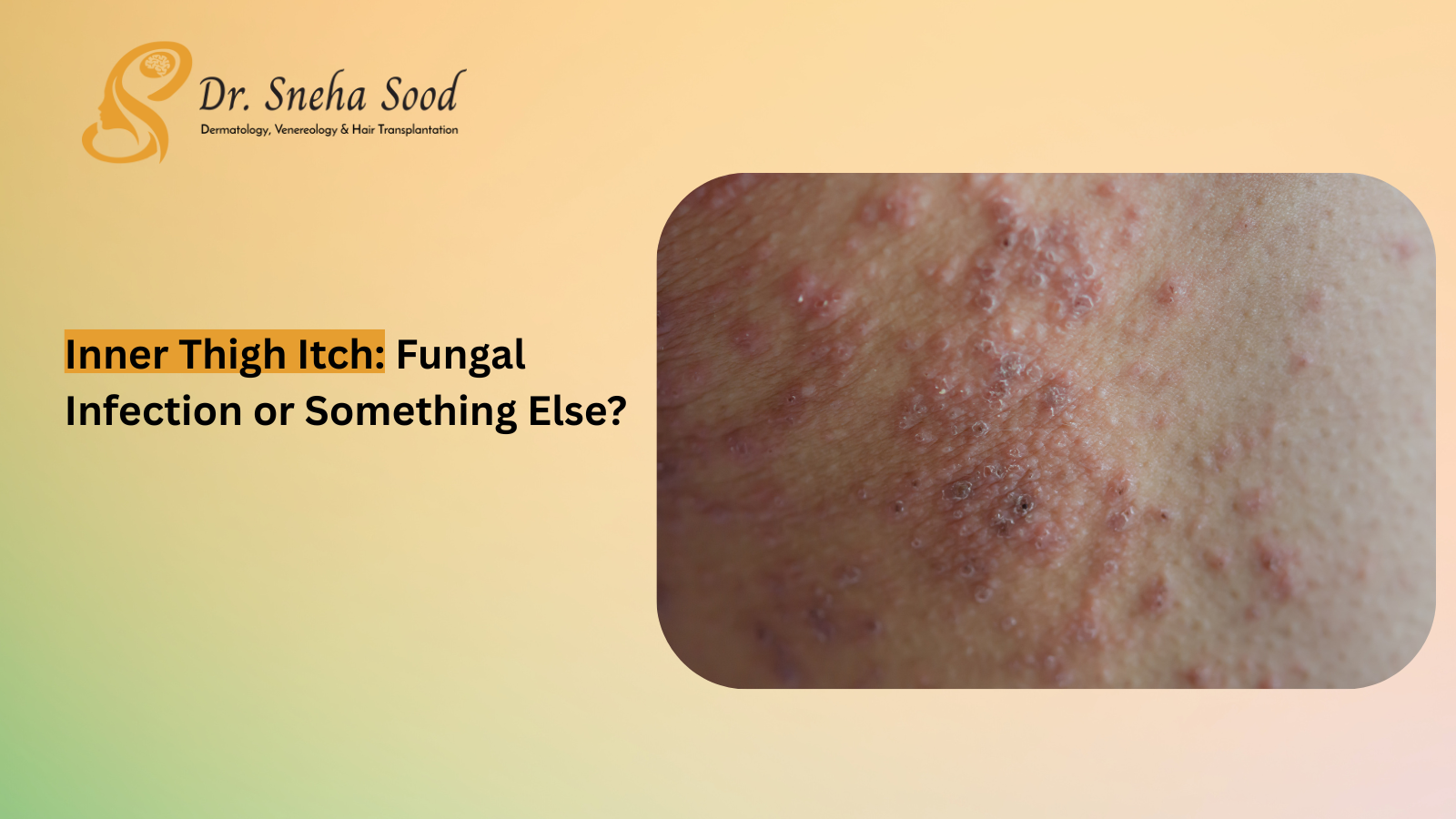
Discovering large, prominent bumps on the inner thigh can cause immediate concern, prompting questions about potential underlying causes, necessary medical interventions, and effective self-care management. Because the inner thigh is an area prone to friction, moisture retention, and dense concentrations of hair follicles and sweat glands, it frequently develops various dermatological lesions. Navigating these skin changes requires clinical clarity to differentiate between benign, self-limiting conditions and infections or systemic issues requiring professional medical evaluation.
Clinical Anatomy and Common Etiologies of Inner Thigh Lesions
The anatomical structure of the inner thigh creates a unique environment for dermatological manifestations. Continuous skin-to-skin friction during ambulation, combined with occlusion from clothing and sweat accumulation, makes this region a hotspot for inflammatory and infectious processes.
Medical professionals evaluate these lesions based on size, texture, depth, presence of pain, and fluid contents. While many bumps resolve independently, understanding the primary diagnostic categories helps patients recognize when to seek specialized care.
- Hidradenitis Suppurativa (HS): A chronic inflammatory skin condition characterized by painful, deep-seated nodules, abscesses, and scarring in areas where skin friction occurs, including the inner thighs and groin.
- Boils (Furuncles) and Carbuncles: Deep bacterial infections of hair follicles, typically caused by Staphylococcus aureus, resulting in large, pus-filled, tender bumps that require drainage or antibiotics.
- Cysts (Epidermoid or Pilar): Benign sacs beneath the skin surface containing keratin. While generally slow-growing and painless, they can become inflamed, tender, and rupture, mimicking an acute infection.
- Contact Dermatitis and Folliculitis: Superficial reactions or bacterial infections of individual hair follicles resulting from shaving, chafing, or allergic reactions to fabrics and detergents.
- Ingrown Hairs: Curled hairs that grow back into the skin, frequently complicated by secondary inflammation and localized nodule formation.
Comparative Breakdown of Inner Thigh Bumps
Differentiating between various types of inner thigh lesions involves analyzing their physical characteristics and clinical presentation. The following structured comparison outlines key features of the most prevalent conditions encountered in clinical practice.
| Condition | Primary Physical Appearance | Pain Level | Common Underlying Cause | Standard Management Approach |
|---|---|---|---|---|
| Boil (Furuncle) | Red, raised, firm nodule with central pus collection | Moderate to Severe | Bacterial infection (Staphylococcus aureus) | Warm compresses, professional incision and drainage |
| Hidradenitis Suppurativa | Deep, painful nodules, recurrent abscesses, sinus tracts | Severe | Immune-mediated follicular occlusion and inflammation | Dermatological management, biologics, surgical unroofing |
| Epidermoid Cyst | Mobile, firm subcutaneous lump with a central punctum | None to Mild (Painful if inflamed) | Trapped epidermal cells beneath the skin surface | Observation, surgical excision if recurrently infected |
| Inflamed Ingrown Hair | Small, localized red papule or pustule around a hair shaft | Mild to Moderate | Hair curving backward into the follicle after shaving | Gentle exfoliation, warm soaks, topical antimicrobials |
| Lipoma | Soft, doughy, movable subcutaneous mass | Painless | Benign overgrowth of fat cells | Observation or elective surgical removal if bothersome |
Clinical Observation Notice
Evaluation of Deep Nodules: Any mass that rapidly increases in size, exhibits signs of secondary bacterial infection, or fails to resolve with conservative measures within two weeks warrants professional dermatological assessment to rule out deeper soft tissue pathology or systemic inflammatory diseases.
Step-by-Step Self-Assessment and Home Care Protocols
When managing minor skin irritations or early-stage bumps on the inner thigh at home, adhering to evidence-based hygiene and care practices prevents complications such as secondary cellulitis or scarring.
- Perform Visual and Tactile Inspection: Wash your hands thoroughly, then examine the area in a well-lit room. Note whether the bump is warm to the touch, hard or soft, fluid-filled, or accompanied by surrounding skin redness (erythema).
- Avoid Manual Manipulation: Refrain from squeezing, picking, or attempting to lance any boil, cyst, or nodule. Manual pressure often forces infectious material deeper into the surrounding tissue, exacerbating inflammation and increasing the risk of permanent scarring.
- Apply Controlled Warm Compresses: Soak a clean cloth in warm water and apply it gently to the affected area for 10 to 15 minutes, three to four times daily. This encourages natural drainage if the lesion is a superficial boil or infected hair follicle.
- Maintain Skin Hygiene and Reduce Friction: Clean the region daily with a mild, fragrance-free cleanser and pat dry thoroughly. Wear loose-fitting, breathable cotton clothing to minimize friction and moisture trapping during daily activities.
- Monitor for Progression Signs: Keep a daily log of the lesion's size and pain levels. If symptoms worsen after 48 hours of home care, transition to professional medical evaluation.
Red Flag Symptoms Requiring Immediate Medical Attention
While many inner thigh bumps resolve without intervention, certain clinical presentations demand prompt medical evaluation by a primary care physician, dermatologist, or urgent care specialist.
- Systemic Manifestations: The presence of a fever, chills, body aches, or unexplained fatigue accompanying a large, painful inner thigh bump suggests a spreading infection or systemic immune response.
- Rapid Expansion and Cellulitis: Rapidly enlarging redness, expanding swelling, or red streaks extending away from the bump indicate advancing cellulitis or lymphangitis requiring systemic antibiotic therapy.
- Recurrent Drainage: Chronic, recurring abscesses or interconnected nodules in the groin and inner thigh folds strongly point toward Hidradenitis Suppurativa, which benefits from specialized dermatological care pathways.
- Hard, Immovable Masses: Subcutaneous lumps that feel hard, fixed to underlying tissues, or persist for more than four weeks without change require diagnostic imaging or a tissue biopsy to exclude rare malignancies or soft tissue sarcomas.
Frequently Asked Questions
What causes a large, painful bump on the inner thigh?
A large, painful bump on the inner thigh is frequently caused by a bacterial skin infection such as a boil (furuncle), an inflamed epidermoid cyst, or a severe flare of hidradenitis suppurativa. These conditions involve localized inflammation and pus accumulation due to friction and follicular occlusion.
Should I try to pop or squeeze a large bump on my inner thigh?
No, you should never attempt to pop, squeeze, or lance any bump on your inner thigh. Doing so can drive bacteria deeper into the tissue, worsen the infection, cause severe pain, and lead to permanent scarring.
When should I see a doctor for a skin bump in the groin area?
You should consult a healthcare professional if the bump is intensely painful, rapidly growing, accompanied by a fever or red streaks, or if it does not improve after a few days of warm compresses. Chronic, recurring bumps also require professional diagnosis.
Can tight clothing cause bumps on the inner thigh?
Yes, tight clothing increases friction, traps sweat, and irritates hair follicles, which frequently leads to friction-induced chafing, folliculitis, ingrown hairs, and painful boils in the inner thigh region.
How do dermatologists treat recurrent inner thigh boils and cysts?
Dermatologists treat recurrent lesions through a combination of professional incision and drainage, targeted topical or oral antibiotics, prescription anti-inflammatory medications, intralesional steroid injections, or minor surgical excision of problematic cysts.
Is there a link between hair removal and inner thigh bumps?
Shaving, waxing, and other hair removal methods frequently cause trauma to hair follicles, leading to inflammation, ingrown hairs, and secondary bacterial infections that present as red, tender bumps.
Professional Care and Clinical Consultation
Addressing persistent, painful, or recurring big bumps on the inner thigh begins with accurate identification and proper hygiene. When home management fails to provide relief or when warning signs of infection appear, scheduling a consultation with a qualified healthcare provider ensures access to definitive diagnostic tools, prescription-strength therapies, and specialized care tailored to your specific dermatological needs.