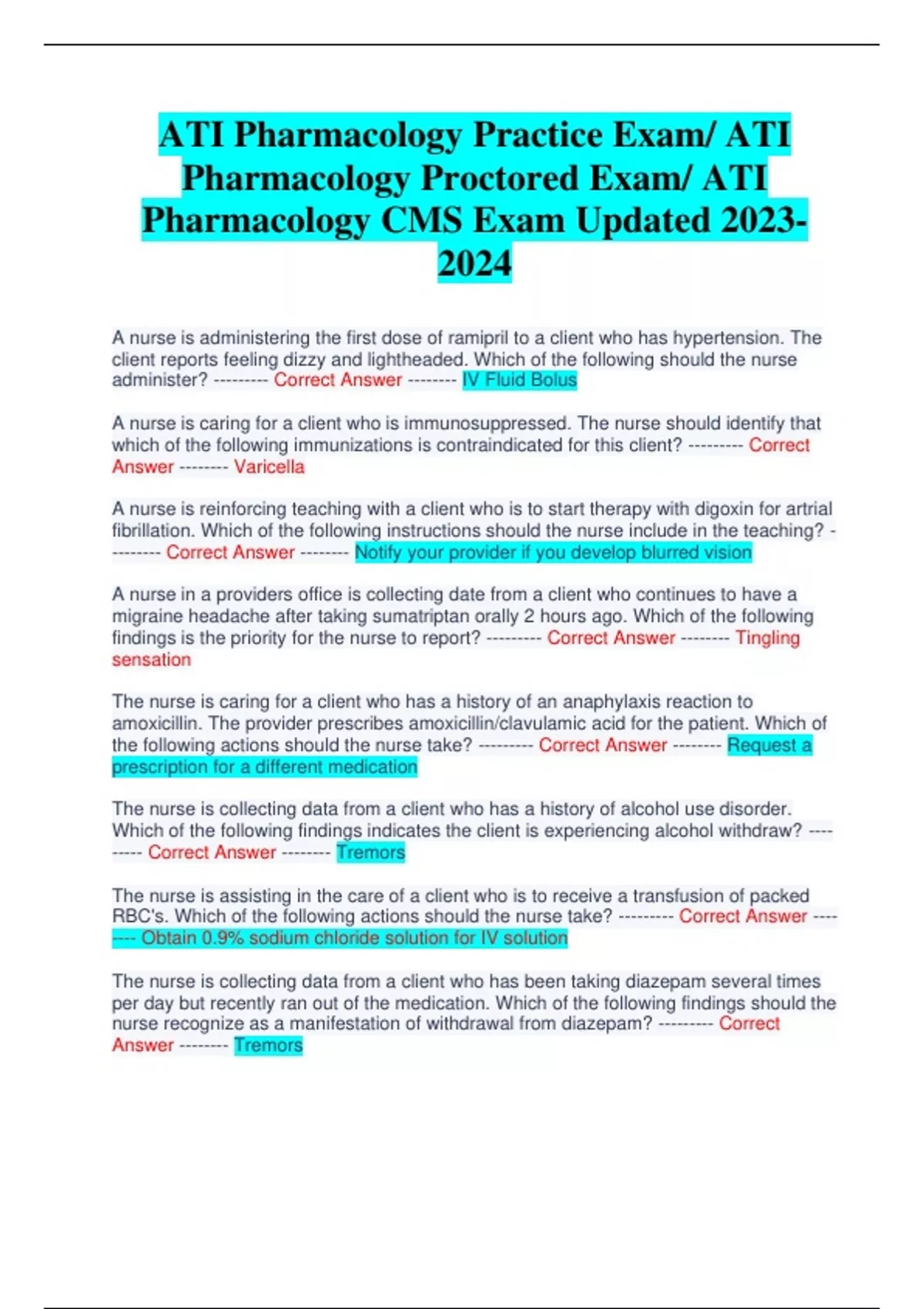
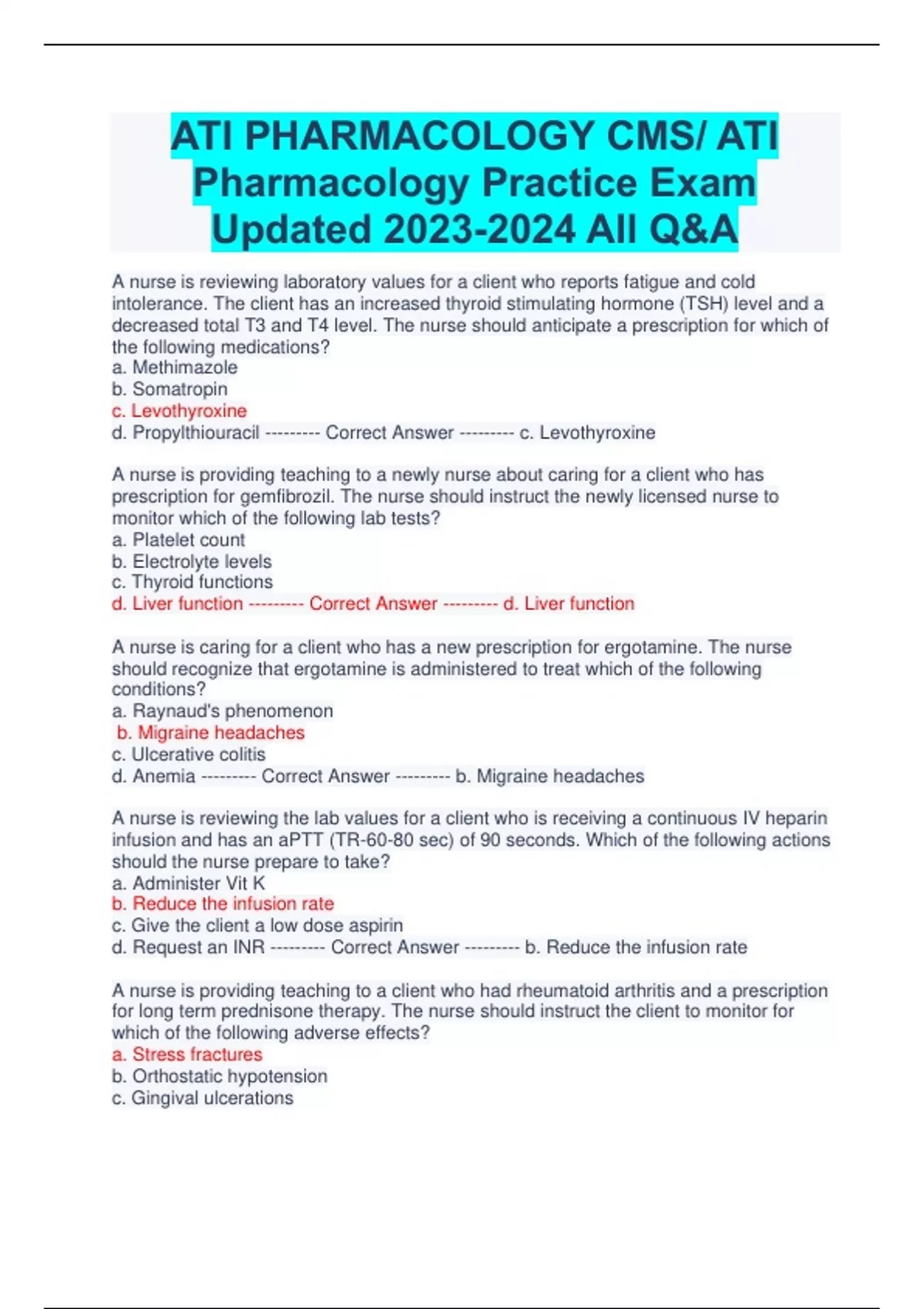
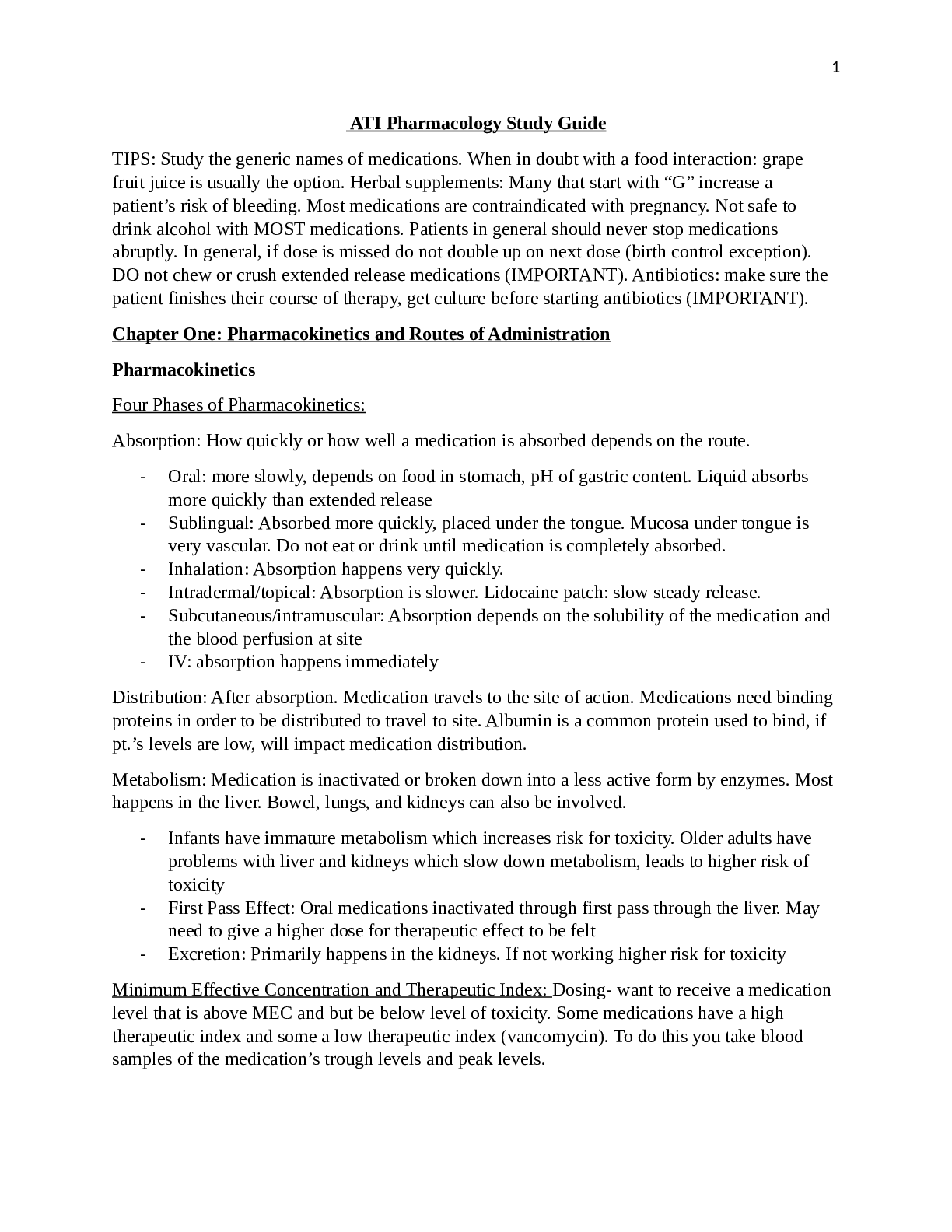
Navigating nursing school requires mastery of complex clinical competencies, with medication administration standing out as one of the most critical safety pillars. The Assessment Technologies Institute (ATI) Pharmacology Proctored Exam remains a formidable benchmark for nursing students across the United States. Preparing for this rigorous assessment in 2026 demands more than passive memorization; it requires a systematic approach to pharmacokinetics, prototype drug classifications, safe dosage calculations, and targeted clinical judgment.
Understanding the Structure and Weight of the 2026 ATI Pharmacology Exam
The ATI Pharmacology Proctored Assessment evaluates a student's comprehension of core nursing pharmacology concepts before entering senior-level clinical practice or preparing for the Next Generation NCLEX (NGN). The exam typically consists of multiple-choice and alternate-format questions designed to test application rather than simple recall.
Modern nursing curricula emphasize patient safety, adverse effects, contraindications, and nursing interventions. The assessment framework aligns closely with current Institute for Safe Medication Practices (ISMP) guidelines and FDA safety warnings, ensuring that graduating nurses can safely manage high-alert medications, titration drips, and complex drug-drug interactions.
Core Content Categories Assessed by ATI
- Central and Peripheral Nervous System Medications: Focuses on analgesics, sedatives, anesthetics, and neuromuscular blockers, emphasizing respiratory depression monitoring and reversal agents.
- Cardiovascular and Renal Systems: Covers antihypertensives, diuretics, antiarrhythmics, and heart failure medications, requiring deep knowledge of electrolyte imbalances and vital sign parameters.
- Endocrine and Reproductive Systems: Highlights insulin management, oral hypoglycemics, thyroid replacements, and hormone therapies with strict attention to hypoglycemia protocols.
- Gastrointestinal and Respiratory Systems: Assesses antiulcer agents, antiemetics, bronchodilators, and anti-inflammatory respiratory drugs.
- Immune and Hematological Systems: Evaluates anticoagulants, antiplatelets, vaccines, immunosuppressants, and chemotherapeutic agents.
Core Pharmacological Principles Every Student Must Master
Success on the exam depends on mastering foundational pharmacological concepts. Rather than memorizing hundreds of individual brand and generic names, top-performing nursing students focus on drug prototypes, mechanism of action classes, and predictable adverse effect profiles.
Pharmacokinetics and Pharmacodynamics
Students must clearly differentiate between what the body does to a drug and what the drug does to the body. Key parameters include:
- Half-life ($t_{1/2}$): Understanding how long it takes for plasma concentration to drop by half, which dictates dosing intervals and steady-state attainment.
- First-Pass Effect: Recognizing that oral medications undergo hepatic metabolism before reaching systemic circulation, often requiring significantly higher oral doses compared to intravenous routes.
- Protein Binding: Knowing that drugs bound to albumin are inactive until released, and concurrent administration of two highly protein-bound medications can lead to toxicity due to displacement.
High-Alert Medications and Safety Protocols
Patient safety questions frequently target high-alert medications that carry a heightened risk of causing significant patient harm when used in error.
Critical Safety Rule: Anticoagulants such as heparin and warfarin require rigorous laboratory monitoring. For heparin, the nurse must monitor the activated partial thromboplastin time (aPTT) and keep the antidote protamine sulfate readily available. For warfarin, the target International Normalized Ratio (INR) must be monitored, and vitamin K serves as the reversal agent.
Comparative Analysis of Major Drug Classes
Mastering drug families by their suffixes and primary clinical indications streamlines studying. The following matrix outlines essential prototype classes heavily emphasized on the assessment.
| Drug Class | Common Suffix / Prototype | Primary Indication | Critical Nursing Intervention & Monitoring |
|---|---|---|---|
| ACE Inhibitors | "-pril" (Lisinopril) | Hypertension, Heart Failure | Monitor for persistent dry cough, hyperkalemia, and first-dose orthostatic hypotension. |
| Beta Blockers | "-olol" (Metoprolol) | Hypertension, Angina, Tachydysrhythmias | Hold medication and notify provider if apical pulse is below 60 bpm or systolic BP is under 100 mmHg. |
| Opioid Analgesics | Morphine, Fentanyl | Moderate to Severe Pain | Assess respiratory rate prior to administration; keep naloxone bedside for acute overdose. |
| Loop Diuretics | "-semide" (Furosemide) | Fluid Overload, Edema, Hypertension | Monitor serum potassium levels closely for hypokalemia; administer slowly IV push to prevent ototoxicity. |
| Benzodiazepines | "-pam" or "-lam" (Lorazepam) | Anxiety, Seizures, Sedation | Monitor for central nervous system depression; flumazenil is the specific reversal agent. |
Proven Study Strategies and Preparation Frameworks
Achieving a Level 2 or Level 3 proficiency score on the ATI Pharmacology Proctored Exam requires a structured, multi-week preparation strategy. Relying solely on textbook reading is rarely sufficient for application-level questions.
Step-by-Step Preparation Plan
- Diagnostic Baseline Assessment: Take a targeted practice assessment on the ATI portal to identify weak body systems and conceptual gaps.
- Prototype Mapping: Create comparative flashcards focusing on drug families rather than isolated agents, grouping medications by suffix, primary mechanism, and major toxicities.
- Active Practice Question Integration: Complete a minimum of 50 to 75 rationalized practice questions daily, focusing intensely on the rationale for both correct and incorrect answer choices.
- Targeted Remediation: For every missed practice question, write out a manual remediation card detailing the pathophysiology, adverse effects, and priority nursing assessments.
- Simulated Timed Testing: Complete a full-length timed practice exam under strict testing conditions to build stamina and time-management skills.
Pros and Cons of ATI Learning Systems for Pharmacology
Evaluating the study tools available helps students optimize their preparation time and financial investment.
- Pros:
- Aligns directly with NCLEX test-plan blueprints and clinical judgment models.
- Provides detailed rationales that explain why incorrect options are unsafe.
- Offers dynamic practice assessments that adapt to student performance trends.
- Establishes reliable proficiency benchmarks (Level 1, 2, and 3) to predict board success.
- Cons:
- Question wording can occasionally feel overly rigid or abstract.
- Requires supplemental textbook reading to fully grasp underlying pathophysiology.
- Subscription costs can be a financial burden if not bundled directly through nursing program tuition.
Frequently Asked Questions
What score is required to pass the ATI Pharmacology Proctored Exam?
Most nursing programs require a Level 2 proficiency score, which indicates that the student is adequately prepared and meets standard benchmarks for course progression and NCLEX success. Programs may mandate remediation and retesting for students who score at Level 1 or below.
How can I improve my pharmacology test scores if I struggle with memorization?
Stop trying to memorize individual drug names and instead focus on learning pharmacological suffixes, drug classes, and prototype mechanisms. Understanding that all drugs ending in "-sartan" are angiotensin II receptor blockers (ARBs) instantly unlocks your ability to predict their side effects and nursing interventions.
Are dosage calculation questions included on the ATI Pharmacology exam?
Yes, basic and intermediate safe dosage calculation, metric conversion, and IV flow-rate calculation questions are integrated directly into the assessment. Practicing dimensional analysis regularly ensures you secure these vital points.
What are the most heavily tested drug categories on the exam?
Cardiovascular agents, endocrine medications (specifically insulins), central nervous system depressants, and anticoagulants consistently appear in high volumes on the proctored assessment. Prioritize these categories during your final review weeks.
How should I use the ATI remediation templates effectively?
Complete the official targeted remediation templates by writing out detailed clinical explanations in your own words rather than copying text directly from the book. This active-learning synthesis solidifies memory retention before exam day.
Secure Your Nursing Success Today
Mastering pharmacology is a lifelong professional requirement that begins with conquering the ATI proctored assessment. Approach your study plan with discipline, leverage evidence-based practice questions, and focus relentlessly on patient safety principles. Begin your structured practice drills today, review your personalized remediation reports, and step into your testing center with absolute clinical confidence.