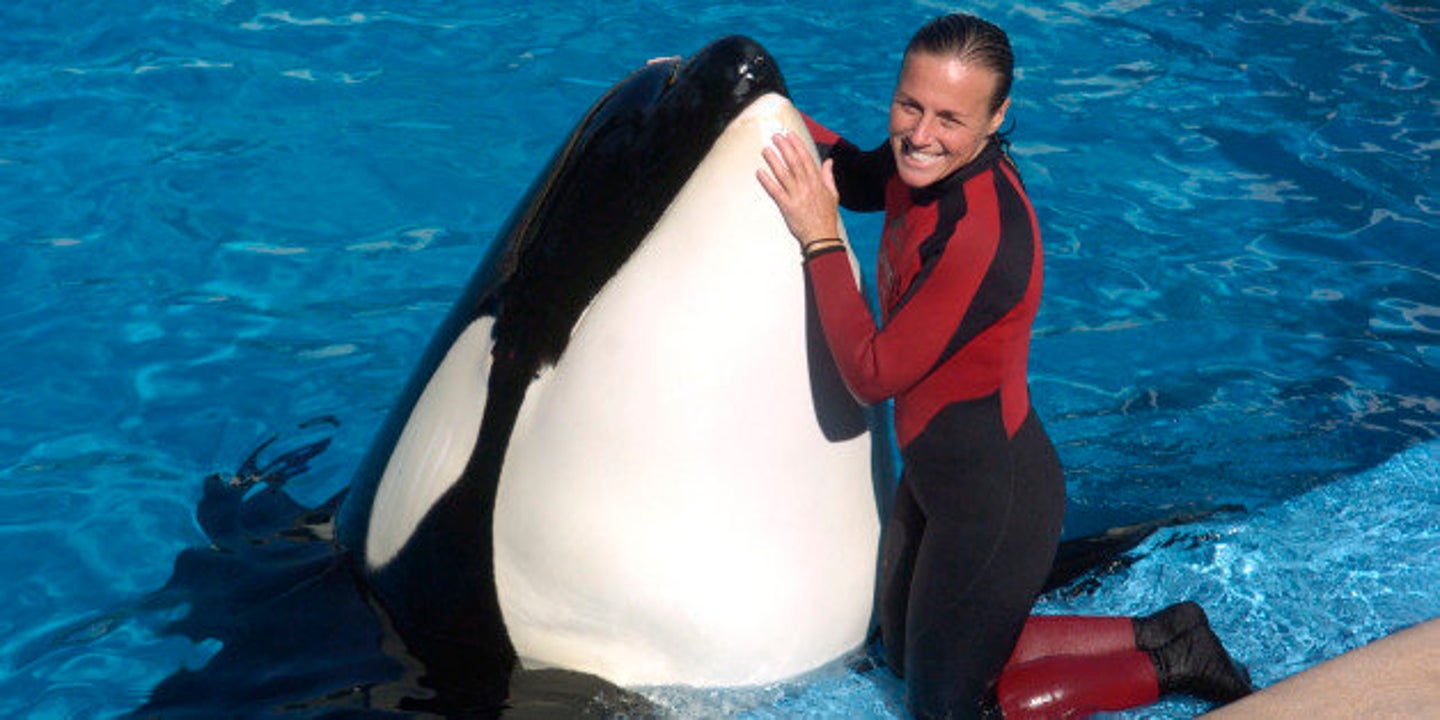
Dawn Brancheau, a senior animal trainer at SeaWorld Orlando, was killed by an orca named Tilikum on February 24, 2010. While snippets of the "Dine with Shamu" show leading up to the attack exist in the public domain, the graphic security footage of the actual death remains sealed by court order to protect the privacy of the Brancheau family.
The death of Dawn Brancheau remains one of the most significant turning points in the history of marine mammal captivity. It was not merely a tragic accident; it was a catalyst for federal safety investigations, landmark legal battles, and a global shift in public perception regarding the ethics of keeping orcas (killer whales) in theme parks. In 2026, the repercussions of this event continue to define how marine parks operate, the safety protocols governing animal husbandry, and the legislative landscape of wildlife entertainment.
The Events of February 24, 2010
The incident occurred at SeaWorld Orlando’s Shamu Stadium during a "Dine with Shamu" session. Dawn Brancheau, a 40-year-old trainer with over 15 years of experience, was performing a "relationship session" with Tilikum, a 12,000-pound bull orca. Brancheau was widely considered one of the most skilled and safety-conscious trainers at the park, making the severity of the incident even more shocking to her peers.
Witnesses and official reports indicate that the session was nearing its end. Brancheau was lying on a shelf in approximately knee-deep water, interacting with Tilikum in what appeared to be a calm, routine manner. The specific trigger for the attack remains a subject of debate. The initial report from SeaWorld suggested that Tilikum grabbed Brancheau’s ponytail, which had swung in front of him. However, subsequent eyewitness accounts and investigative findings suggested that Tilikum may have grabbed her by the arm or shoulder.
Once Tilikum pulled Brancheau into the water, the situation became fatal within minutes. The orca dragged her into the deep end of the tank, thrashing her violently. The autopsy report later detailed the horrific extent of the injuries, including blunt force trauma, fractured ribs, a severed spinal cord, and the scalping of her hair and skin. Despite the rapid response of other trainers and the use of "netting" to move Tilikum to a medical pool where he could be isolated, Brancheau was pronounced dead at the scene.
The Status of the Video Footage
One of the most persistent searches related to this tragedy involves the "Dawn Brancheau video death." It is essential to clarify what exists and what is accessible to the public. There are two primary categories of footage associated with the event:
1. Publicly Available Tourist Footage
Several guests attending the "Dine with Shamu" lunch were filming the performance on personal cameras and mobile devices. Some of this footage was sold to news outlets or uploaded to social media platforms. These videos typically show the minutes leading up to the attack—Brancheau interacting with Tilikum, feeding him, and the calm before the tragedy. None of the publicly available tourist videos show the actual killing, as most guests stopped filming or were ushered away by staff as soon as the emergency became apparent.
2. SeaWorld Security and Forensic Footage
SeaWorld’s facility was equipped with a sophisticated network of security cameras that captured the entire event from multiple angles. This footage was seized by the Orange County Sheriff’s Office as part of the death investigation and was later reviewed by the Occupational Safety and Health Administration (OSHA).
The Brancheau family filed a lawsuit to prevent the public release of this footage. Under the Florida Public Records Act, such materials are generally considered public. However, the family argued that the release of the video would cause irreparable harm to their privacy and the dignity of the deceased. In 2011, a judge ruled in favor of the family, permanently sealing the most graphic portions of the video. In 2026, this legal precedent—often referred to in Florida as part of a broader movement to protect the privacy of victims' families—remains in place. The actual "death video" has never been legally released to the public, and most online claims to possess it are fraudulent or link to unrelated footage.
Tilikum’s Troubled History: A Pattern of Aggression
To understand why the attack occurred, it is necessary to examine the history of Tilikum. Tilikum was not a "typical" captive orca; he was a whale with a documented history of involvement in human fatalities. Before the Brancheau incident, Tilikum had been linked to two other deaths.
| Date | Location | Description of Incident |
|---|---|---|
| Feb 21, 1991 | Sealand of the Pacific (BC, Canada) | Tilikum and two female orcas submerged trainer Keltie Byrne, leading to her drowning. |
| July 6, 1999 | SeaWorld Orlando | Daniel Dukes, a man who stayed in the park after hours, was found dead on Tilikum's back. |
| Feb 24, 2010 | SeaWorld Orlando | Tilikum attacked and killed trainer Dawn Brancheau during a public session. |
The 1991 incident resulted in the closure of Sealand of the Pacific, after which Tilikum was moved to SeaWorld Orlando. The 1999 incident was ruled an accidental drowning with hypothermia, although the autopsy revealed significant post-mortem trauma caused by the whale. These events collectively raised questions about Tilikum's psychological state. Marine biologists and critics of captivity argued that the stresses of confined living, lack of social structure, and sensory deprivation contributed to a form of "captivity-induced psychosis" or extreme frustration in the 22-foot-long predator.
OSHA vs. SeaWorld: The Legal and Regulatory Battle
Following the death of Dawn Brancheau, the Occupational Safety and Health Administration (OSHA) launched an intensive investigation into SeaWorld’s safety practices. This resulted in a "willful" citation—the most serious level of violation—and a fine. OSHA’s primary argument was that SeaWorld was aware of the dangers posed by Tilikum but continued to allow trainers to work in close proximity to the water without adequate protection.
SeaWorld appealed the citation, leading to a protracted legal battle (SeaWorld of Florida, LLC v. Perez). The park argued that their safety protocols were sufficient and that "water work" (trainers being in the water with the whales) was an essential part of the business. However, the court ultimately upheld OSHA’s findings.
The ruling effectively ended the era of "water work" with orcas at SeaWorld. Trainers were no longer permitted to swim with the animals or be within certain distances of the tank edges without physical barriers. This shifted the entire performance dynamic from high-energy acrobatic shows to "natural encounter" presentations, where trainers remain on dry land.
The Cultural Impact: "Blackfish" and the Shifting Tide
In 2013, the documentary Blackfish was released, focusing specifically on Tilikum and the death of Dawn Brancheau. The film used the incident as a lens to critique the entire marine park industry. It featured interviews with former SeaWorld trainers who questioned the company’s transparency regarding the risks associated with Tilikum.
The "Blackfish Effect" was profound. SeaWorld experienced a significant decline in attendance, a drop in stock value, and a loss of corporate sponsorships. The public discourse moved away from the spectacle of whale performances and toward a focus on animal welfare and conservation. In response, SeaWorld announced in 2016 that it would end its orca breeding program. By 2026, the current orcas at SeaWorld parks represent the last generation of these animals in the company's care, as they have shifted their focus toward rescue operations and educational exhibits.
Safety Protocols and Training Requirements in 2026
As of 2026, the safety standards for marine mammal trainers have been entirely restructured based on the lessons learned from the Brancheau tragedy. These standards focus on "protected contact" and behavioral reinforcement that does not require physical proximity in the water.
Modern Safety Measures Include:
- Physical Barriers: Removable and permanent barriers are now standard in all interaction areas to prevent a whale from easily grabbing a trainer.
- Emergency Fast-Drain Systems: Many modern tanks are equipped with floors that can rise or systems that can drain water rapidly, although these are complex to implement and serve primarily as secondary safety measures.
- Psychological Monitoring: Trainers and veterinarians use advanced telemetry and behavioral tracking to monitor the stress levels and health of the animals, adjusting interactions based on the whale's daily "mood" or health status.
- Certification Rigor: In 2026, the certification for animal husbandry involves significant coursework in marine biology, ethology, and risk management, moving beyond the "performer" model of the early 2000s.
The Ethical Debate: Captivity vs. Conservation
The death of Dawn Brancheau remains a central point in the ethical debate over cetacean captivity. Proponents of marine parks argue that these facilities provide essential education and inspire conservation efforts that protect wild populations. They point to SeaWorld’s extensive rescue and rehabilitation programs for manatees, sea turtles, and other marine life.
Conversely, animal rights advocates argue that the Brancheau incident is proof that large, highly intelligent, and social predators like orcas cannot thrive in captivity. They advocate for sea sanctuaries—cordoned-off coastal areas where captive whales can live out their lives in a more natural environment while still receiving human care. By 2026, several sea sanctuary projects have moved from the conceptual phase to reality, though moving long-term captive orcas remains a logistical and biological challenge.
Frequently Asked Questions
Is the Dawn Brancheau death video available on the internet?
No. The graphic security footage showing the actual attack and death of Dawn Brancheau is sealed by a court order. While various "tribute" videos or news segments showing the moments before the attack exist, the actual event is not public. Any website claiming to show the full video is likely hosting a fake or malicious content.
Why did Tilikum attack Dawn Brancheau?
There is no single consensus on the motive. Hypotheses include Tilikum being frustrated by a perceived lack of rewards, a predatory response triggered by her ponytail or movement, or the cumulative psychological stress of long-term captivity. Unlike wild orcas, which have no recorded history of killing humans, captive orcas have shown several instances of aggression.
What happened to Tilikum after the incident?
Tilikum remained at SeaWorld Orlando after the attack. He was kept mostly out of public shows for a period but eventually returned to perform in a limited, "protected contact" capacity. Tilikum died on January 6, 2017, at the age of approximately 35, due to a persistent bacterial lung infection.
Can trainers still swim with orcas in 2026?
At SeaWorld and most major Western marine parks, trainers are strictly prohibited from entering the water with orcas for performance purposes. Safety regulations established by OSHA and subsequent industry standards require "protected contact," where a physical distance or barrier is maintained at all times.
How did the Brancheau family react to the video's potential release?
The family fought a long legal battle to keep the footage private. They argued that its release would serve no public good and would only cause the family further trauma. Their successful legal effort helped strengthen privacy laws regarding death scene imagery and videos in the state of Florida.
Recommendation for Further Research
For those seeking to understand the technical and legal complexities of this case beyond the sensationalized aspects of the "death video," it is recommended to review the official OSHA Investigation Report and the court documents from SeaWorld of Florida, LLC v. Perez. These documents provide a factual, evidence-based look at the safety failures and the subsequent regulatory changes that have made the industry safer for both humans and animals. Additionally, the 2013 documentary Blackfish and the book Death at SeaWorld by David Kirby offer extensive context on the history of Tilikum and the broader implications of marine mammal captivity.