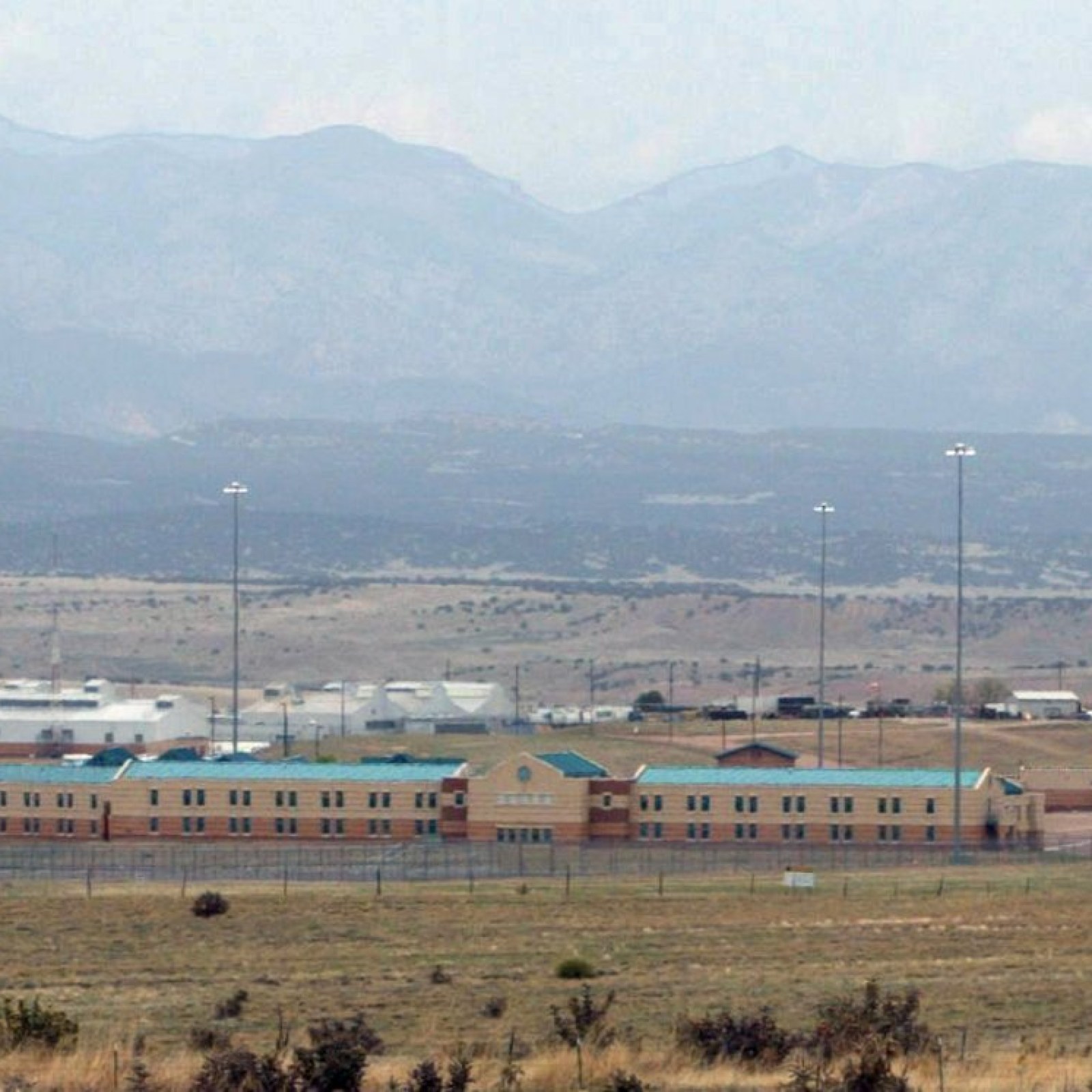
The United States Penitentiary, Administrative Maximum Facility—commonly known as ADX Florence or the Florence Colorado Penitentiary—remains the most secure maximum-security prison in the federal correctional system. Nestled in the high desert of Fremont County, Colorado, this facility houses individuals who pose the highest threat to national security, correctional staff, and institutional safety. Understanding ADX Florence requires examining its physical infrastructure, the operational constraints of its supermax design, and the complex legal and human rights considerations governing isolation within the American federal penal landscape as of 2026.
Structural Geography and Regional Context
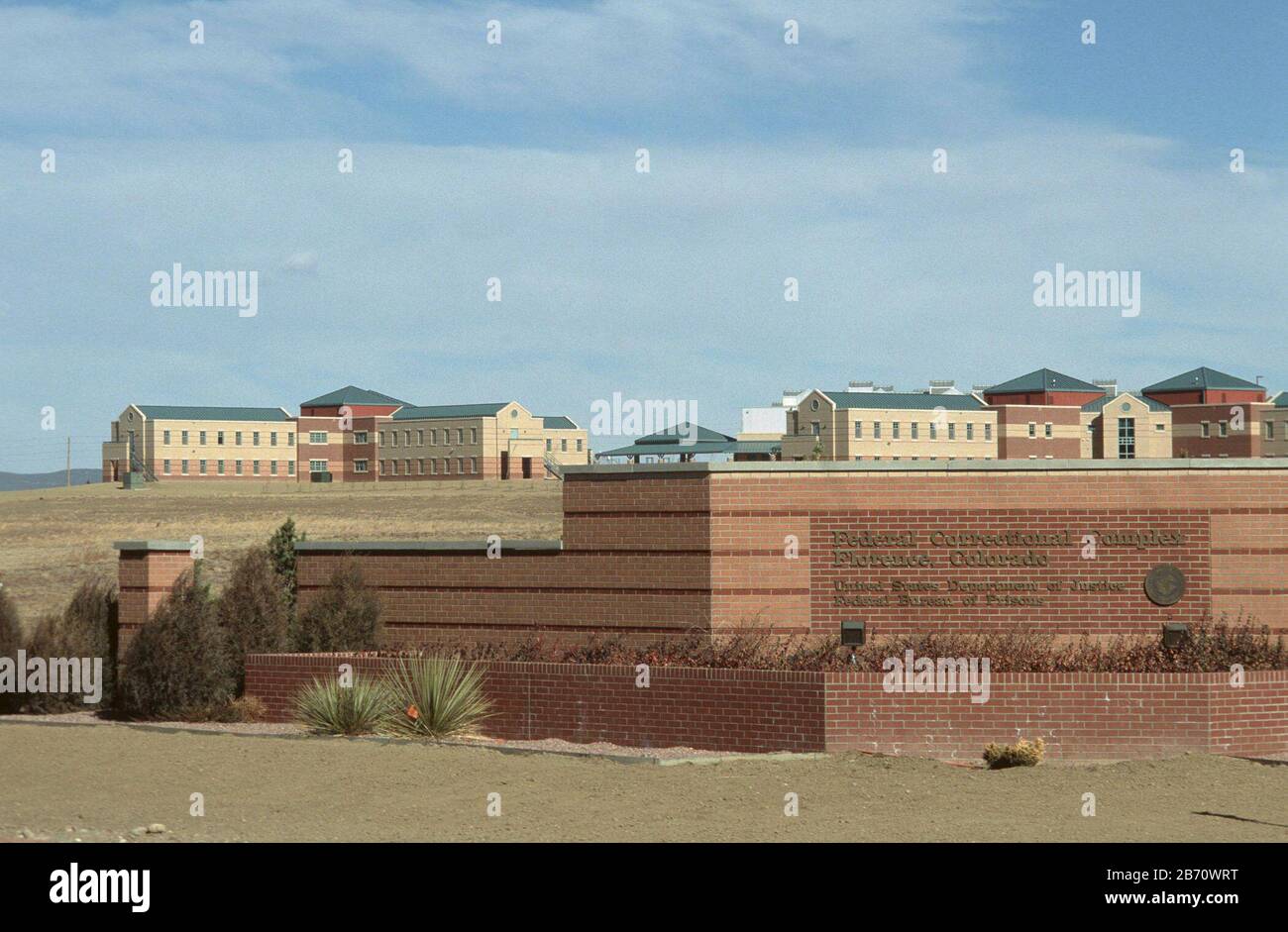
Located near the town of Florence, Colorado, the United States Penitentiary Administrative Maximum Facility operates as part of the broader Federal Correctional Complex (FCC) Florence. This larger federal complex comprises multiple security tiers, ranging from a minimum-security camp to high-security and administrative units, but ADX Florence stands apart as the apex of federal confinement severity.
The facility's geographic isolation in Fremont County is a deliberate tactical choice. Surrounded by the rugged terrain of the Rocky Mountain foothills, the location creates natural barriers that complement advanced electronic surveillance and perimeter security. The local economy and community have historically intertwined with the operations of the prison complex, providing a steady workforce of correctional officers, administrators, and support personnel who manage the facility under stringent federal protocols.
Architectural Engineering and Security Infrastructure
The physical design of the Florence Colorado Penitentiary eliminates traditional human contact and minimizes movement. Constructed in the mid-1990s and operational since 1994, the engineering blueprint prioritizes total control, preventing any possibility of compromise, assault, or escape.
- Cell Construction: Inmates are housed in single-person cells constructed from poured, reinforced concrete. This material prevents tunneling, structural tampering, and direct communication through walls.
- Door Mechanics: Doors feature solid steel construction with small, slit-like windows that prevent inmates from observing more than a narrow corridor view. Meals and legal materials pass through secure slots in the heavy doors.
- Immovable Fixtures: Showers, sinks, toilets, and bed frames are cast directly into the concrete and steel framework. Plumbing fixtures are electronically controlled from outside the cell to prevent flooding or tampering.
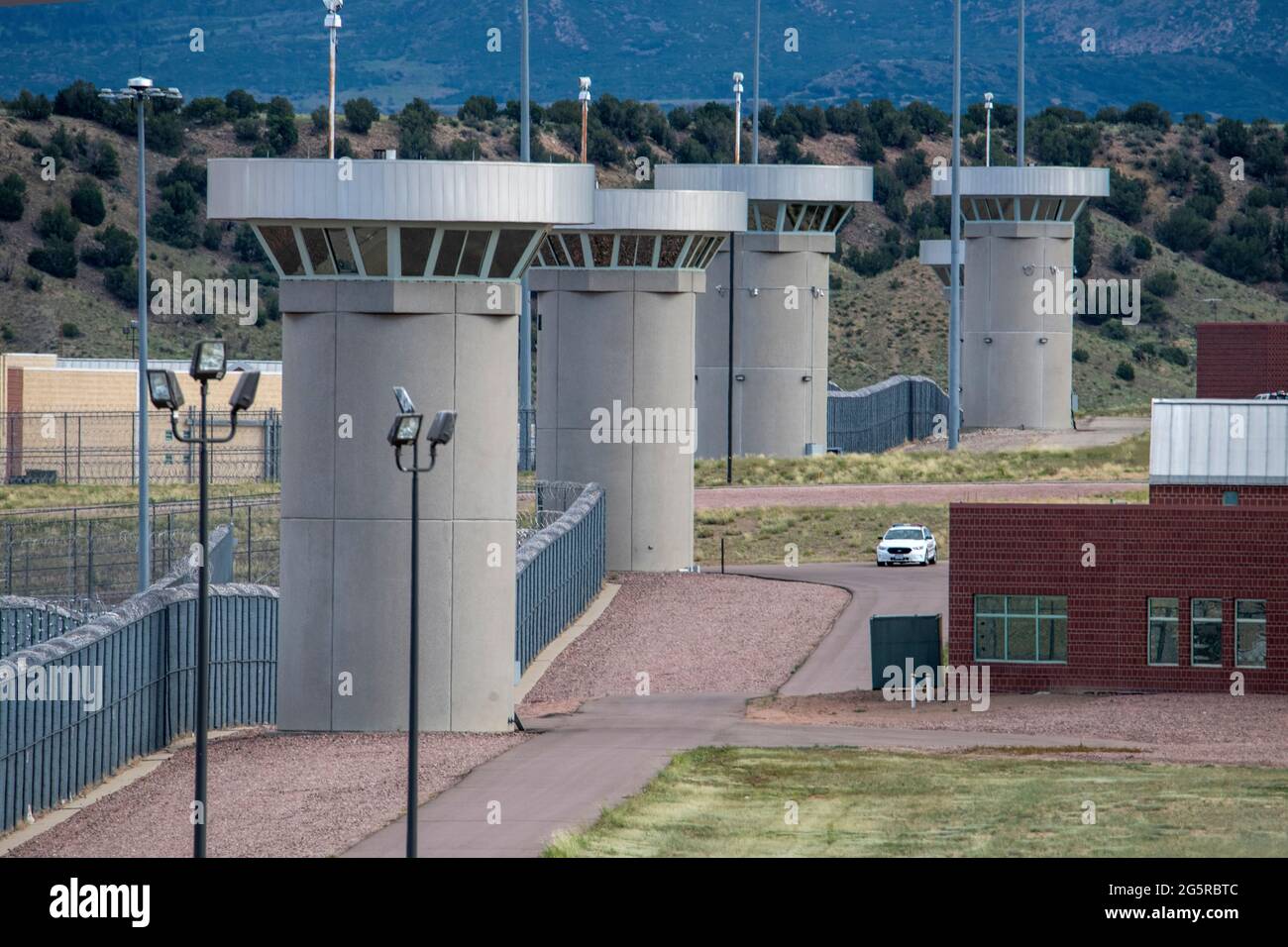
- Technology Integration: Motion detectors, laser beams, pressure pads, and continuous closed-circuit television (CCTV) monitoring cover every square foot of the housing units. Exterior perimeters feature multiple layers of razor wire, high-voltage detection fences, and armed patrol towers.
Daily Operational Regimes and Isolation Protocols
Life inside the Florence Colorado Penitentiary is defined by extreme sensory deprivation and strict confinement schedules. The Federal Bureau of Prisons (BOP) classifies these protocols under Special Administrative Measures (SAMs) or general administrative maximum management, depending on the individual's legal status and threat assessment.
Confinement Realities: Individuals assigned to ADX Florence spend an average of 23 hours a day locked inside their concrete cells. The remaining hour is typically reserved for independent recreation inside a heavily reinforced indoor enclosure, often referred to as an empty concrete pool, where the inmate remains alone with no physical interaction with other prisoners or staff beyond restraints.
Human interaction is restricted exclusively to correctional staff, who wear protective gear and utilize strict escort procedures during any necessary movement. Communication with the outside world—including phone calls and correspondence—is heavily monitored, restricted, or entirely barred under judicial order, depending on the specific security mandates tied to each inmate.
Comparative Security Matrix of FCC Florence Units
The Federal Correctional Complex in Florence features distinct security levels. Understanding where ADX Florence fits within this continuum highlights the stark differences between standard federal facilities and administrative maximum confinement.
| Facility Unit | Security Classification | Primary Inmate Population | Confinement Style |
|---|---|---|---|
| FPC Florence | Minimum Security | White-collar offenders, non-violent drug offenses | Dormitory housing, open campus movement, work programs |
| USP Florence | High Security | General population high-risk offenders, gang members | Double-fence security, cell blocks, structured group recreation |
| ADX Florence | Administrative Maximum | Terrorists, cartel leaders, high-threat escape risks | Total isolation, 23-hour lockup, single-person concrete cells |
Clinical Care and Mental Health Management
Managing mental health within a supermax environment presents profound operational and ethical challenges. The intense isolation of the Florence Colorado Penitentiary has historically drawn scrutiny from civil rights organizations, legal scholars, and medical professionals regarding its psychological impact.
In response, the facility incorporates specialized psychological evaluation units and medical observation areas. Clinical staff monitor inmates for signs of acute psychological deterioration, sensory adaptation issues, and self-harm risks. While acute psychiatric care is limited by the strict security parameters required for high-risk offenders, multidisciplinary treatment teams coordinate interventions to maintain baseline health standards while upholding uncompromising institutional security.
Frequently Asked Questions
What types of inmates are housed at ADX Florence?
ADX Florence houses federal inmates who have demonstrated extreme violence, leadership in transnational criminal organizations, or involvement in high-profile acts of domestic and international terrorism. These individuals require permanent maximum-security isolation to prevent escapes, hostage-taking, or the direction of criminal enterprises from behind bars.
Can inmates at the Florence Colorado Penitentiary communicate with family?
Communication privileges are severely restricted and often entirely prohibited based on individual court orders, Special Administrative Measures (SAMs), or disciplinary status. When permitted, phone calls and letters are subject to real-time translation, audio recording, and comprehensive federal review.
How many hours a day do inmates spend outside their cells?
Inmates typically spend 23 hours a day confined to their single-person concrete cells. They are permitted one hour out of cell per day, which is spent alone in an indoor recreation cage or walking area without contact with other prisoners.
Does ADX Florence offer rehabilitation or educational programs?
Traditional group-based educational, vocational, and religious group services are not available at ADX Florence due to the absolute separation mandates. Inmates may receive individual reading materials, educational correspondence courses, or religious texts vetted by institutional chaplains and security staff.
How has security evolved at the facility over recent years?
Security protocols have continually integrated advanced digital surveillance, biometric access controls, and enhanced intelligence-sharing networks with federal law enforcement agencies. These upgrades ensure that monitoring capabilities adapt to emerging technological threats and communications methodologies.
Strategic Institutional Engagement
Operating within or studying the ecosystem of high-security federal corrections demands precise adherence to institutional regulations, legal transparency, and rigorous safety standards. For legal professionals, researchers, and policy analysts navigating the complexities of federal administrative maximum facilities, maintaining authorized channels of communication and understanding the strict legal frameworks governing confinement remains essential. To learn more about federal correctional classifications, official visitation guidelines, or public records requests regarding the Federal Bureau of Prisons, consult official Department of Justice resources or authorized legal compliance channels.