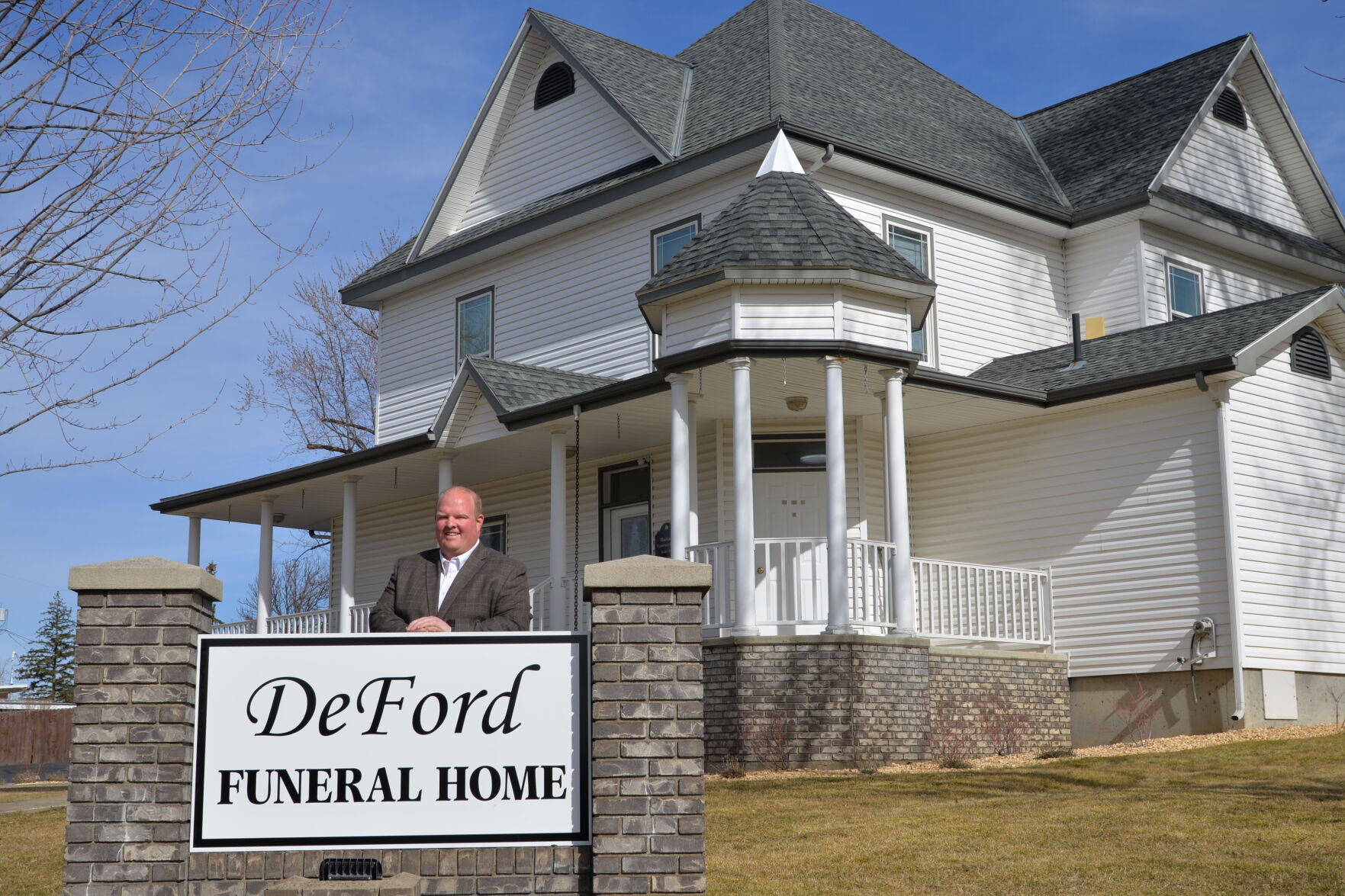
Navigating the complexities of end-of-life planning requires reliable guidance, transparent communication, and experienced local professionals. When families search for trusted funeral and cremation care in Arkansas, understanding facility options, service offerings, and regulatory requirements is essential. This guide provides an exhaustive analysis of funeral services associated with the Frazer name in Arkansas, detailing what families must evaluate during their time of need in 2026.
Understanding Funeral and Cremation Services in Arkansas
The state of Arkansas maintains specific legal statutes governing death registration, embalming mandates, and disposition methods. Families engaging with local funeral establishments must navigate both emotional decisions and technical logistics. Professional mortuary services typically span several core operational pillars:
- Immediate Need Services: Rapid coordination following a passing, including secure transportation, refrigeration or embalming, death certificate filing with the Arkansas Department of Health, and obituary notices.
- Traditional Burial Arrangements: Comprehensive packages involving public viewings, visitation hours, religious or secular funeral ceremonies, and coordination with local cemeteries for earth burial or entombment.
- Cremation Options: Direct cremation, memorial services with urn placement, and scattering assistance compliant with local municipal codes and environmental guidelines.
- Pre-Planning and Pre-Funding: Legally binding pre-need insurance contracts and trusts regulated by the Arkansas Insurance Department to lock in current service costs against future inflation.
Operational Standards and Regulatory Compliance for Arkansas Mortuaries
Operating a licensed funeral establishment in Arkansas involves strict adherence to state board regulations administered by the Arkansas State Board of Embalmers and Funeral Directors. These standards protect consumers by ensuring financial transparency, sanitary handling of remains, and ethical conduct.
Consumer Protection and Pricing Transparency: Under the Federal Trade Commission (FTC) Funeral Rule, which applies fully across Arkansas, funeral providers must supply a General Price List (GPL) upon request before discussing specific service options. Consumers have the legal right to itemize goods and services, select only what they require, and provide their own caskets or urns without incurring handling penalties from the provider.
When evaluating funeral homes, families should verify active state licensure, inspect facility cleanliness, and request a detailed, itemized cost estimate. Professional establishments must display clear pricing and provide written contracts outlining every fee associated with professional services, automotive equipment, and third-party cash advances such as death certificates, clergy honorariums, and newspaper notices.
Comparative Overview of Disposition Methods and Service Tiers
Choosing the right type of service depends on cultural traditions, personal preferences, and financial planning. The following comparison table outlines the primary disposition pathways available through licensed Arkansas funeral providers in 2026, highlighting service inclusions and approximate timeframes.
| Service Type | Primary Inclusions | Typical Timeline | Regulatory Requirements |
|---|---|---|---|
| Traditional Burial | Professional staff, embalming, casketing, viewing, funeral ceremony, hearse transportation. | 3 to 7 days post-passing | Burial transit permit, cemetery plot purchase, outer burial container (if required by cemetery). |
| Traditional Cremation | Professional staff, alternative container, cremation process, memorial service with urn present. | 5 to 10 days post-passing | Cremation authorization signed by legal next-of-kin, medical examiner/coroner permit. |
| Direct Cremation | Basic professional services, secure transport, shelter of remains, standard crematory fee. | 7 to 14 days post-passing | Death certificate registration, cremation permit, signed authorization forms. |
| Celebration of Life | Event planning, custom multimedia presentations, reception coordination, urn or memorial display. | Flexible (days to weeks) | Varies depending on whether disposition occurs prior to or following the gathering. |
Step-by-Step Action Plan for Families in 2026
When a death occurs, managing administrative duties while experiencing grief can feel overwhelming. Following a structured sequence helps ensure that all legal, financial, and ceremonial obligations are met efficiently.
- Secure Immediate Medical Pronunciation: If the death occurs at home under hospice care, contact the hospice nurse. If it occurs unexpectedly at home without medical oversight, dial 911 to engage local emergency services and the county coroner.
- Contact the Chosen Funeral Establishment: Notify the licensed funeral home to arrange the transfer of the deceased into their care. Funeral directors are available 24 hours a day, 7 days a week to initiate this process.
- Gather Vital Statistics for the Death Certificate: Prepare accurate information regarding the deceased's full legal name, Social Security number, date of birth, place of birth, parents' names (including mother's maiden name), highest level of education, and occupation.
- Locate Pre-Need Documents or Insurance Policies: Check personal files for pre-arranged funeral plans, trusts, life insurance policies, or explicit written instructions left by the deceased.
- Meet with the Funeral Director: Schedule an arrangement conference—either in person or via secure digital channels—to select merchandise, determine service times, and finalize financial agreements.
- Obtain Certified Copies of Death Certificates: Order multiple certified copies through the funeral home or the Arkansas Department of Health Vital Records office, as banks, insurance companies, and government agencies will require them to settle estates.
Pros and Cons of Pre-Planning Funeral Arrangements
Securing funeral arrangements in advance is becoming increasingly common across Arkansas. Evaluating the advantages and disadvantages helps individuals decide whether pre-funding is the right financial strategy.
Advantages (Pros):
- Price Protection: Locking in current 2026 service rates protects loved ones from future inflationary cost increases.
- Emotional Relief: Relieving surviving family members from high-stress decision-making during a period of acute grief.
- Personalization: Ensuring that exact personal wishes regarding religious rites, music, and disposition are clearly documented and legally protected.
- Asset Protection: Certain pre-need insurance contracts can be structured as irrevocable trusts to help individuals qualify for Medicaid long-term care benefits.
Disadvantages (Cons):
- Financial Liquidity: Capital paid into pre-need trusts or insurance policies is tied up and cannot be easily accessed for other emergencies.
- Relocation Complications: If an individual moves out of state before passing, transferring pre-need contracts can sometimes involve administrative hurdles or fees.
- Inflation Risk on Unfunded Plans: Plans that are documented without being fully funded may still leave surviving relatives responsible for price differentials over time.
Frequently Asked Questions
What should I do immediately after a loved one passes away in Arkansas?
Contact the attending hospice nurse or emergency services depending on the location of passing, then reach out to a licensed funeral home to coordinate the transfer of the deceased. The funeral director will guide you through the next administrative steps.
Are funeral homes in Arkansas legally required to provide a price list over the phone?
Yes. Under the Federal Trade Commission Funeral Rule, funeral homes must provide accurate pricing information over the phone and hand out printed General Price Lists (GPLs) when discussing arrangements in person.
Can I purchase a casket or urn from a third-party retailer?
Yes. Federal regulations allow consumers to purchase caskets, urns, and memorial markers from third-party online or brick-and-mortar retailers without paying any handling fees or surcharges to the funeral home.
How many certified copies of the death certificate will I need?
Most families require between three and six certified copies to properly close bank accounts, file life insurance claims, transfer property deeds, and notify government agencies like the Social Security Administration.
What is the difference between a traditional funeral and a memorial service?
A traditional funeral features the body present in a casket, often accompanied by a public visitation or viewing. A memorial service honors the deceased with an urn or photograph present, and the disposition (burial or cremation) typically takes place prior to the gathering.
How are pre-paid funeral funds protected in Arkansas?
Pre-need funeral funds in Arkansas are strictly regulated by state law and must be placed into secure trust accounts or dedicated insurance policies supervised by the Arkansas Insurance Department to ensure complete consumer protection.
Conclusion and Next Steps
Navigating final arrangements requires a delicate balance of emotional resilience and practical decision-making. By partnering with established, licensed professionals in Arkansas, families can ensure dignified care that honors their loved ones while adhering strictly to state and federal legal standards. To begin planning immediate arrangements or to explore secure pre-planning options for 2026, contact a trusted local funeral director today to review your personalized service choices and request an itemized General Price List.