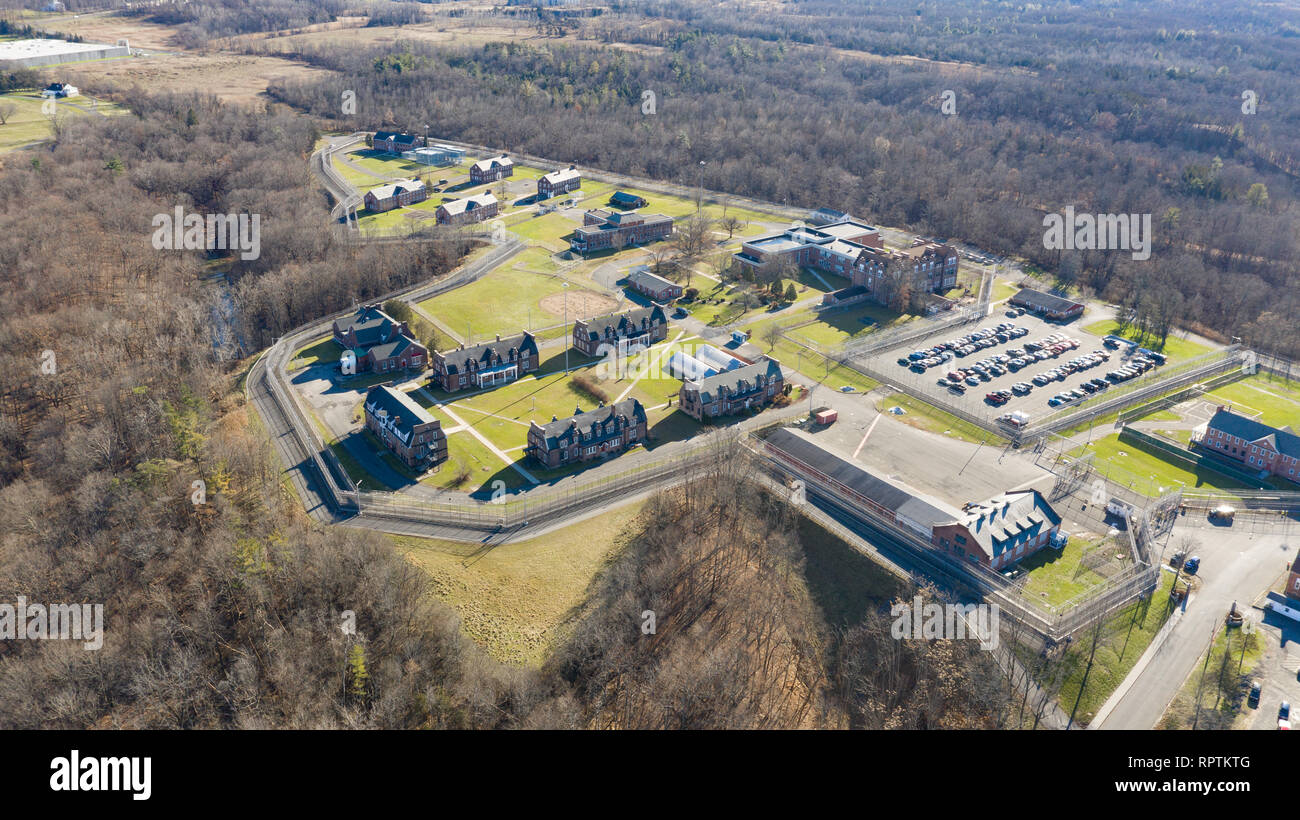
Note: This article focuses specifically on the correctional facilities located in the northern and western regions of New York State—commonly referred to as upstate prisons—managed by the New York State Department of Corrections and Community Supervision (DOCCS).
The correctional landscape in Upstate New York plays a critical role in the state's criminal justice system. Families, legal representatives, and researchers often find themselves navigating complex administrative frameworks when attempting to understand facility operations, visitation protocols, and inmate support systems. As of 2026, modernization initiatives, updated communication technologies, and shifting regional facility consolidations require an updated approach to managing interactions with these institutions.
Understanding the Upstate New York Correctional Infrastructure
The New York State Department of Corrections and Community Supervision oversees dozens of correctional facilities spread across upstate regions, ranging from maximum-security institutions to medium- and minimum-security camps. Unlike localized county jails designed for short-term pre-trial detention or short sentences, upstate prisons are state-run facilities housing individuals serving longer felony sentences.
Geographically, these facilities are often situated in rural counties such as Oneida, Cayuga, Chemung, and Clinton. This geographic distribution presents distinct logistical challenges for visitors traveling from metropolitan areas like New York City. Understanding the security classification of a facility is the first step in determining visitation rights, mail protocols, and permissible package contents.
Facility Classification Overview Maximum-security facilities feature heightened perimeter security, restricted movement, and specific single-cell housing units. Medium-security facilities offer more vocational and educational programming with dorm-style or multi-occupancy housing, while minimum-security work release facilities focus on reintegration and community labor programs.
Operational Standards and Visitation Guidelines in 2026
Visiting an incarcerated individual in an upstate New York facility requires strict adherence to institutional protocols. DOCCS has streamlined several digital processes, but physical security checks remain rigorous. All visitors must be on the approved visitor list before scheduling or arriving for a visit.
Key Requirements for Facility Visitors
- Background Check and Approval: Prospective visitors must submit a completed visitor application form and pass a criminal history background check.
- Identification Protocols: Adults must present government-issued photo identification, such as a valid driver's license, passport, or non-driver state ID card.
- Dress Code Enforcement: Facilities enforce strict dress codes prohibiting clothing that resembles inmate uniforms, revealing attire, or clothing with offensive graphics.
- Electronic Device Restrictions: Cellular phones, smartwatches, and recording devices are strictly prohibited inside secure visiting areas and must be stored in designated lockers or vehicles.
Communication Channels: Mail, Phone, and Digital Messaging
Maintaining contact with individuals inside upstate correctional facilities involves navigating a blend of traditional mail systems and modern digital platforms. Policies regarding what can be sent and how communication occurs are strictly enforced to maintain facility safety.
Mail and Package Regulations
All incoming personal mail must be sent to designated processing centers rather than directly to the facility address in many cases, depending on recent DOCCS updates. Photographs, letters, and approved publications must adhere to strict content guidelines. Hardcover books are generally prohibited unless shipped directly from an authorized publisher or vendor like Amazon or Barnes & Noble.
Telecommunication and Video Visitation
The expansion of digital communication tools allows for regular contact through monitored phone systems and electronic messaging services. Inmates utilize prepaid accounts to place calls to approved numbers. Video visitation options, introduced to supplement physical visits, must be scheduled in advance through approved third-party vendor portals contracted by the state.
Comparative Analysis of Facility Security Levels
Navigating the system requires knowing how different security levels impact daily life, privileges, and operational constraints. The following table outlines the operational differences across facility tiers in New York State.
| Security Level | Housing Structure | Typical Programs Available | Visitation Frequency & Rules |
|---|---|---|---|
| Maximum Security | Single cells; strict lock-in schedules | Basic education, limited industrial work | Restricted hours; physical barriers or non-contact booths in specific units |
| Medium Security | Cubicles, dormitories, or cells | Vocational training, substance abuse treatment, college courses | Regular weekend and holiday visitation; contact visits standard |
| Minimum / Work Release | Open dormitories | Community work crews, external job placement, transitional counseling | Expanded visitation windows; potential furlough opportunities |
Step-by-Step Guide for Families and Legal Representatives
Interacting with the state correctional system requires a structured, methodical approach. Whether arranging legal counsel visits or coordinating family support, following established administrative pathways prevents unnecessary delays.
- Verify Facility Placement: Use the DOCCS Inmate Lookup tool online or call the central office to confirm the exact facility where the individual is currently housed, as transfers occur frequently.
- Confirm Visitation Status: Check whether the individual is in general population, administrative segregation, or undergoing medical evaluation, as this directly impacts visitation eligibility.
- Submit Documentation: Ensure all legal paperwork, visitor applications, or special accommodation requests are submitted well in advance of planned interactions.
- Review Transport and Lodging: Plan travel logistics ahead of time, accounting for weather conditions in upstate regions during winter months and rural transit limitations.
- Comply with On-Site Instructions: Arrive at least 30 to 45 minutes prior to the scheduled visiting session to complete processing, metal detector screening, and document verification.
Frequently Asked Questions
How can I locate an inmate transferred to an Upstate New York prison?
You can locate an inmate by using the official DOCCS Inmate Lookup online database using their DIN (Department Identification Number) or identifying details. This database updates regularly to reflect inter-facility transfers across the state.
Are children allowed to visit family members in upstate correctional facilities?
Yes, minor children are permitted to visit provided they are accompanied by a parent or legal guardian who is on the approved visitor list. Guardians must bring a certified copy of the child's birth certificate and any necessary legal custody documentation.
What items are strictly prohibited during a prison visit?
Prohibited items include all electronic devices, currency exceeding allowed vending machine limits, weapons, narcotics, tobacco products, and unauthorized medications. Bringing contraband into a correctional facility is a felony offense under New York State law.
How do I send money to an incarcerated individual for commissary purchases?
Funds can be deposited into an inmate's account using approved electronic payment processors, postal money orders sent to the designated lockbox address, or through automated kiosks located at select facility visitor centers.
What steps should be taken if an inmate experiences a medical emergency?
Upstate prisons maintain on-site medical units staffed by DOCCS health personnel to handle routine and emergency care. In severe cases requiring specialized intervention, individuals are transferred to regional civilian hospitals under correctional guard supervision. Families can contact the facility health services director for status inquiries within privacy law limitations.
Conclusion and Strategic Support
Navigating the administrative and operational realities of Upstate New York correctional facilities demands patience, organization, and a clear understanding of DOCCS guidelines. By staying informed on current policies, security protocols, and communication channels, families and legal advocates can better support their loved ones throughout their term of incarceration. For ongoing updates and official forms, consult the primary New York State Department of Corrections and Community Supervision web portal.