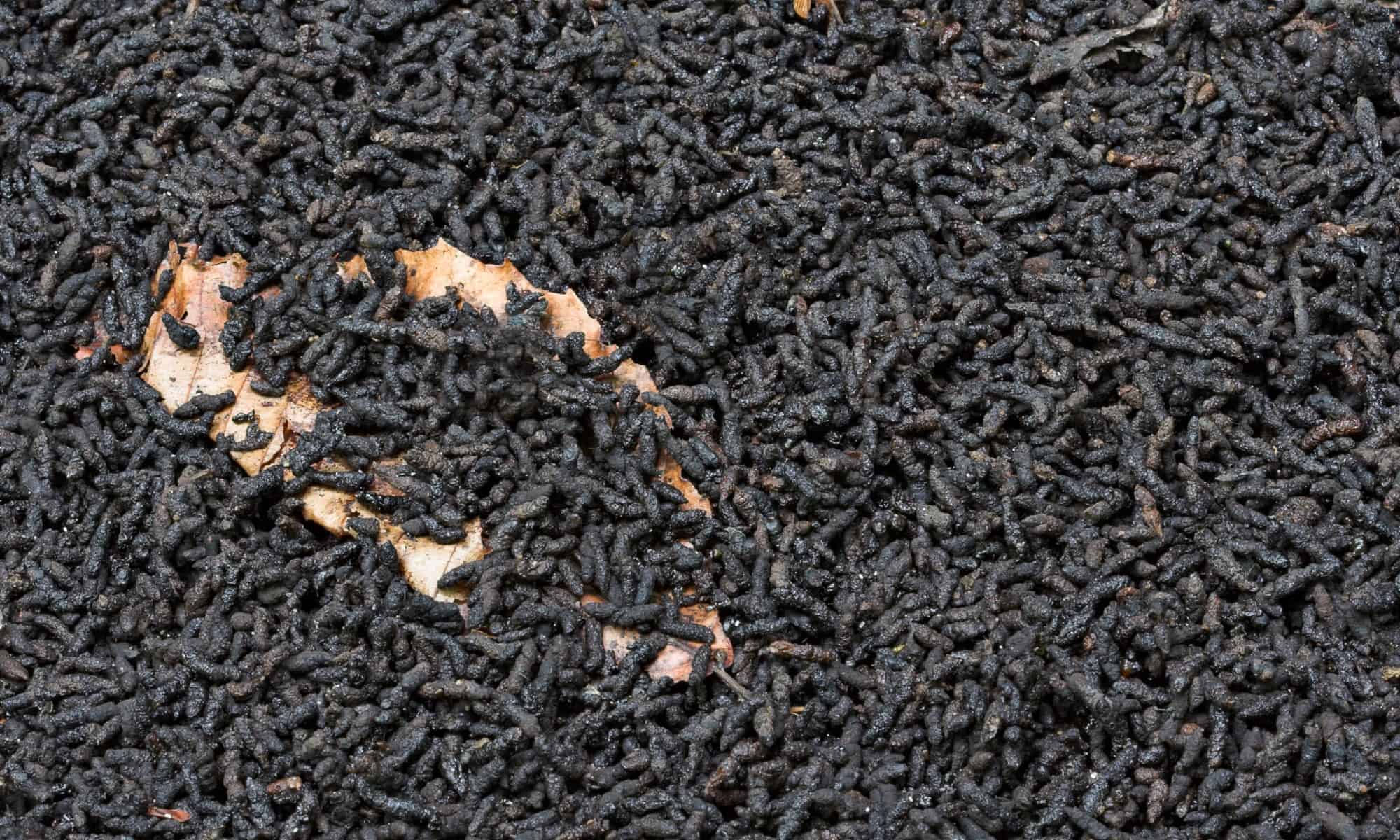
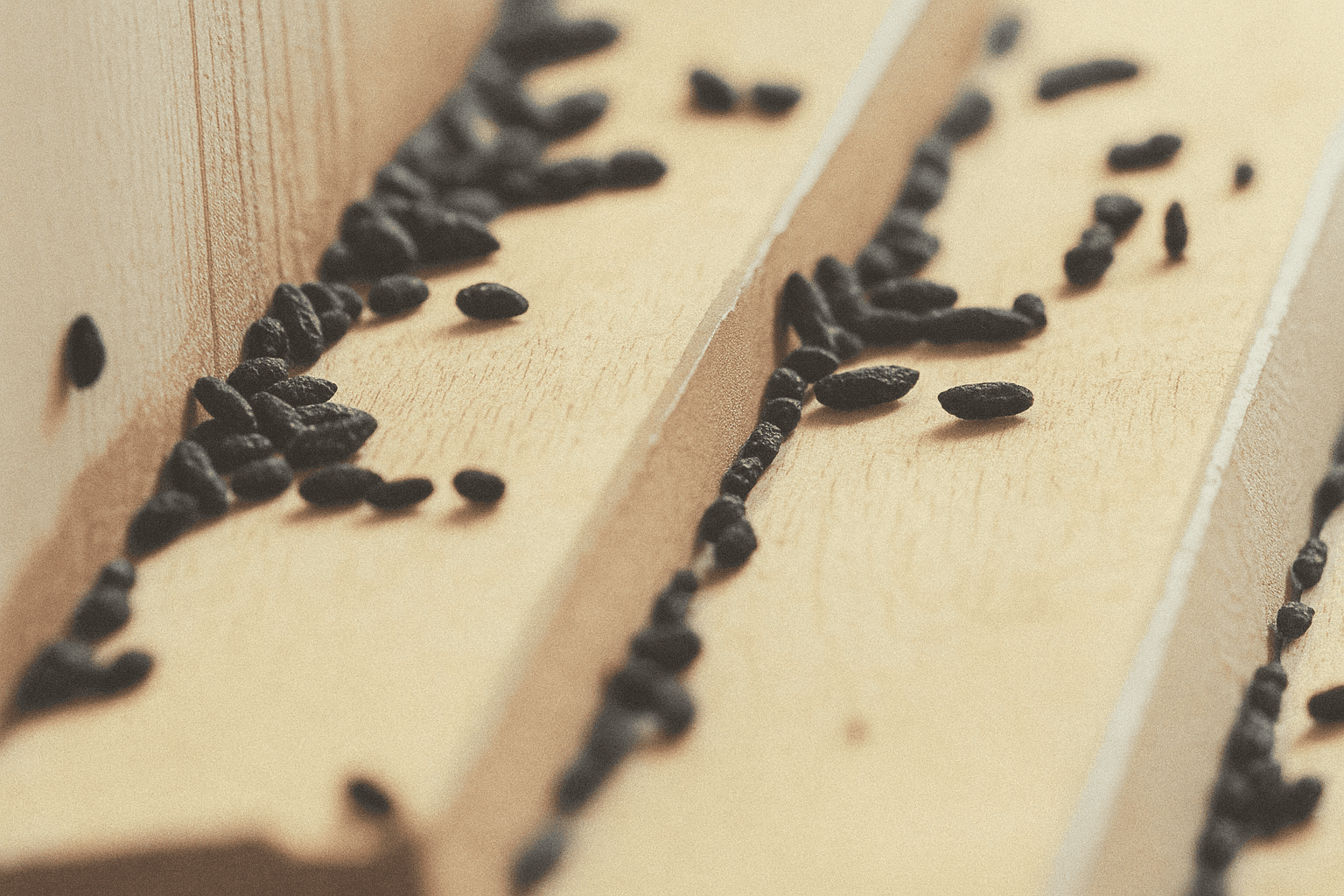
Discovering small, dark pellets in your pantry, garage, or utility room instantly triggers concern. The short answer is yes, mouse droppings are genuinely dangerous. They carry a variety of zoonotic pathogens, allergens, and respiratory irritants that pose significant risks to human health. Whether you are dealing with a minor household intrusion or managing a commercial property, understanding the true nature of these hazards is critical for proper remediation. As public health and pest management standards evolve through 2026, maintaining rigorous sanitation and exclusion protocols remains the cornerstone of indoor safety.
Understanding the True Health Risks Associated with Rodent Excreta
Rodents are prolific vectors for disease. Their droppings, urine, and saliva dry out, crumble into fine dust, and become airborne, allowing pathogens to enter the respiratory system. Furthermore, direct contact through cleaning without proper personal protective equipment (PPE) can lead to accidental ingestion or transcutaneous transmission.
The biological threat profile of mouse waste extends beyond simple contamination. Pathogens shed by rodents adapt well to indoor environments, surviving in dark, undisturbed areas for extended periods. When evaluating an infestation, property owners must look past the aesthetic nuisance and recognize the genuine epidemiological threat.
Major Pathogens Transmitted by Mice
The medical community categorizes rodent-borne illnesses into direct and indirect transmission vectors. While vector-borne diseases like plague are primarily associated with fleas, droppings and nesting materials are the primary vehicles for hantaviruses and bacterial infections.
- Hantavirus Pulmonary Syndrome (HPS): A severe, sometimes fatal respiratory disease caused by inhaling dust contaminated with rodent urine, saliva, or droppings.
- Lymphocytic Choriomeningitis (LCMV): A viral infectious disease that can cause neurological complications, particularly dangerous for pregnant individuals.
- Salmonellosis: Bacterial food poisoning contracted when mice contaminate food preparation surfaces or stored goods with infected feces.
- Leptospirosis: A bacterial infection spread through urine and feces that can lead to kidney damage, meningitis, and liver failure if left untreated.
Pathogen Transmission Comparison and Clinical Profiles
To understand the scope of the danger, it helps to analyze the primary illnesses linked to mouse droppings, their transmission mechanisms, and typical symptom profiles.
| Disease / Pathogen | Primary Transmission Vector | Incubation Period | Common Symptoms | Clinical Severity |
|---|---|---|---|---|
| Hantavirus (HPS) | Inhalation of airborne dust from dried droppings/urine | 1 to 8 weeks | Fatigue, fever, muscle aches, coughing, severe respiratory distress | High (Potentially fatal) |
| Salmonellosis | Ingestion of contaminated food or touching face after contact | 6 hours to 6 days | Diarrhea, abdominal cramps, fever, nausea | Moderate to High |
| Leptospirosis | Contact of broken skin or mucous membranes with contaminated waste | 2 to 30 days | High fever, headache, chills, muscle aches, jaundice | Moderate |
| LCMV (Arenavirus) | Inhalation of aerosolized particles or contact with broken skin | 8 to 13 days | Fever, malaise, lack of appetite, headache, aseptic meningitis | Moderate (High risk for fetuses) |
Crucial Safety Warning: Never sweep or vacuum dry mouse droppings. Sweeping aerosolizes microscopic virus particles and bacteria, dramatically increasing the risk of inhalation and subsequent infection. Always use a wet-cleaning method with a disinfectant solution.
Allergens and Secondary Health Concerns
Beyond infectious diseases, mouse droppings and urine contain specific proteins that act as potent indoor allergens. Continuous exposure to these proteins can trigger chronic respiratory conditions.
- Asthma Exacerbation: Children and adults with pre-existing asthma frequently experience heightened attack frequencies when exposed to dried rodent waste proteins circulating through forced-air heating and cooling systems.
- Allergic Rhinitis: Constant sneezing, nasal congestion, and itchy eyes can often be traced back to hidden rodent activity inside wall voids or ductwork.
- Dermatitis: Direct contact with contaminated insulation or surfaces can cause skin rashes and localized irritation.
Step-by-Step Safe Cleanup and Decontamination Protocol
When remediation becomes necessary, standard cleaning practices will not suffice. Following a strict, methodical decontamination procedure protects you and your household from airborne exposure.
- Air Out the Space: Open all doors and windows to the infested area for at least 30 minutes before beginning any cleaning tasks to clear stagnant air.
- Don Proper PPE: Put on heavy-duty rubber or nitrile gloves, protective eyewear, and a properly fitted N95 or P100 respirator mask to filter out microscopic dust and viral particles.
- Apply Disinfectant Spray: Prepare a solution of household chlorine bleach (one part bleach to nine parts water) or a commercial disinfectant with virucidal efficacy. Thoroughly saturate the droppings, urine, and surrounding nesting materials. Let it sit for 5 to 10 minutes.
- Collect Waste Safely: Pick up the saturated droppings and debris using paper towels or disposable cloths. Place all contaminated materials directly into heavy-duty plastic garbage bags.
- Sanitize Surfaces: Clean and disinfect all hard surfaces, floors, countertops, and baseboards in the surrounding area. Wash any exposed clothing or bedding in hot water immediately after completion.
- Dispose and Wash: Seal the garbage bags tightly, place them in an outdoor waste receptacle, remove your PPE, and wash your hands thoroughly with soap and warm water.
Preventing Future Infestations: The Integrated Pest Management (IPM) Approach
Cleaning up after mice is only a temporary fix if the underlying vulnerability remains. Long-term safety relies on Integrated Pest Management (IPM), which focuses on exclusion, sanitation, and habitat reduction.
- Structural Sealing: Inspect the building perimeter for gaps, utility penetrations, and vents. Seal any opening larger than a dime using steel wool combined with exterior-grade caulk, expanding foam, or hardware cloth.
- Food Security: Store all pantry items, pet food, and grains in heavy glass, metal, or thick plastic containers with tight-fitting lids. Never leave food out overnight.
- Moisture Control: Fix leaky plumbing, clean out clogged gutters, and use dehumidifiers in damp basements and crawlspaces to make the environment less hospitable to rodents.
- Professional Monitoring: For persistent or large-scale issues, engage licensed pest control professionals who utilize non-toxic monitoring stations, snap traps, and targeted exclusion barriers rather than relying solely on hazardous rodenticides.
Frequently Asked Questions
Are all mouse droppings equally dangerous?
Most mouse droppings carry potential pathogens, but the level of danger depends on the specific mouse species and the viral load present in the local rodent population. However, all rodent waste should be treated as a biohazard regardless of its appearance.
How can I tell the difference between mouse and rat droppings?
Mouse droppings are typically small (about 1/8 to 1/4 inch long) with pointed ends, resembling dark grains of rice. Rat droppings are significantly larger (ranging from 1/2 inch to over 3/4 inch) with blunt, rounded ends.
Can I use my standard household vacuum cleaner to clean up mouse droppings?
No. Standard vacuum cleaners exhaust fine air particles and exhaust fans directly into the room air, which will aerosolize dried hantavirus particles and spread them throughout your living space.
How long do viruses like hantavirus survive in droppings?
Viable viruses can persist in dried rodent urine and droppings for several days to weeks depending on temperature, humidity, and exposure to direct sunlight. Prompt, properly executed cleanup minimizes this window of vulnerability.
Do professional exterminators handle the biological cleanup as well?
Many comprehensive pest management companies offer full sanitation, decontamination, and insulation removal services alongside structural exclusion, ensuring the entire property is restored to a safe, hygienic state.
Securing Your Indoor Environment
Addressing mouse droppings promptly and methodically safeguards your living space against severe health complications. By prioritizing wet-cleaning techniques, utilizing appropriate protective gear, and implementing rigorous exclusion strategies, you can eliminate both the pests and the invisible pathogens they leave behind. Take proactive steps today to inspect vulnerable areas, seal structural entry points, and consult qualified pest control professionals to maintain a clean, healthy, and secure environment for your household.