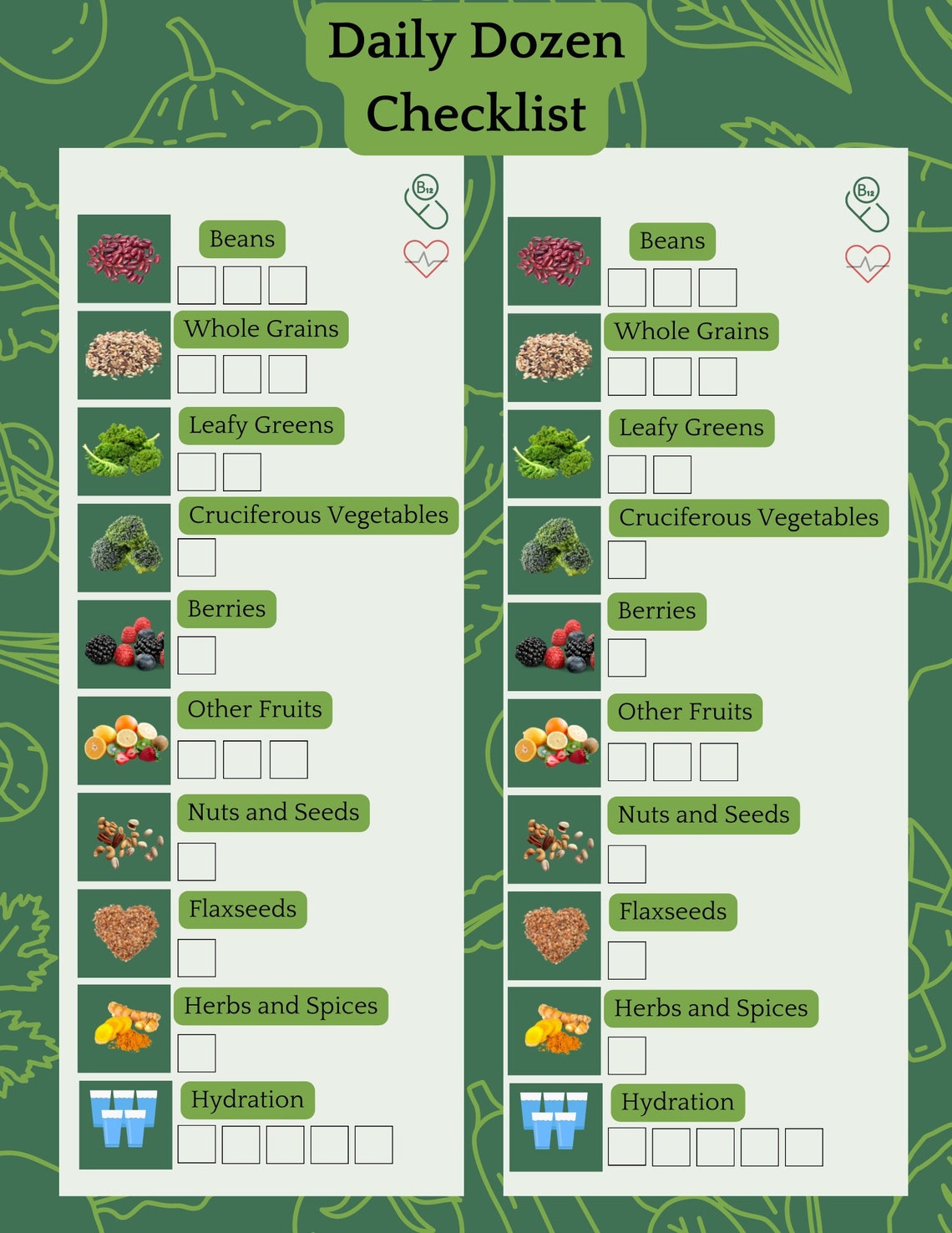
The Daily Dozen is a nutritional framework developed by Dr. Michael Greger that identifies eleven specific food groups and one lifestyle habit—physical exercise—to incorporate into your routine daily for disease prevention and longevity. Grounded in peer-reviewed clinical research, this checklist serves as a practical guide for implementing a health-promoting, whole-food, plant-based diet.
The Foundations of the Daily Dozen
As we navigate the nutritional landscape of 2026, the principles of the Daily Dozen remain as relevant as when they were first popularized in the 2015 bestseller How Not to Die. Created by Dr. Michael Greger, M.D., FACLM, the founder of NutritionFacts.org, the checklist was designed to simplify the overwhelming amount of nutritional data into an actionable daily "to-do" list.
The philosophy behind the Daily Dozen is rooted in the concept of "pre-hab" rather than "rehab." Instead of focusing on calorie counting or restrictive macros, the framework emphasizes the inclusion of health-promoting foods. By crowding out processed foods with nutrient-dense, whole plant foods, individuals can naturally align their intake with the highest standards of preventative medicine.
The checklist does not merely suggest "eating more vegetables"; it specifies categories like cruciferous vegetables and greens, which offer unique physiological benefits. This level of specificity is what distinguishes the Daily Dozen from generic dietary guidelines. It is intended to be a ceiling, not a floor—meaning it represents the ideal variety of nutrients one should strive for to maximize protection against the 15 leading causes of premature death.
Breaking Down the Daily Dozen: Categories and Science
To understand the Daily Dozen, one must examine the specific nutritional requirements of each category. Each item was selected based on its ability to lower the risk of chronic conditions such as heart disease, type 2 diabetes, and certain cancers.
1. Beans and Legumes
Beans are the hallmark of longevity diets across the globe. Dr. Greger recommends three servings per day. This category includes lentils, chickpeas, black beans, soy (edamame, tempeh, or tofu), and peas.
- The Benefit: Beans are high in fiber and resistant starch, which serve as prebiotics for the gut microbiome. They have a low glycemic index, helping to stabilize blood sugar levels throughout the day.
- Technical Detail: Legumes are rich in saponins and phytates, compounds that have shown potential in laboratory settings for their anti-cancer properties.
2. Berries
Berries are designated as a separate category from other fruits due to their exceptionally high antioxidant content. One serving daily is the requirement.
- The Benefit: Berries are rich in anthocyanins, the pigments responsible for their vibrant colors. These compounds support cardiovascular health and cognitive function.
- Technical Detail: Studies have indicated that berries can improve arterial function and may help cross the blood-brain barrier to protect neurons from oxidative stress.
3. Other Fruits
Beyond berries, the checklist requires three servings of other fruits. Whether it’s an apple, orange, or banana, variety is key.
- The Benefit: Fruits provide essential vitamins, minerals, and vitamin C, which aids in the absorption of iron from plant sources.
- Technical Detail: Pectin, a soluble fiber found in many fruits, can help lower LDL cholesterol levels by binding to bile acids in the digestive tract.
4. Cruciferous Vegetables
Cruciferous vegetables, such as broccoli, kale, cauliflower, and Brussels sprouts, require one serving daily.
- The Benefit: These vegetables contain glucosinolates, which are converted into sulforaphane when the plant cells are damaged (by chopping or chewing).
- Technical Detail: Sulforaphane is a potent inducer of Phase 2 detoxification enzymes and has been extensively studied for its ability to protect against DNA damage and inhibit cancer cell proliferation.
5. Greens
Greens include spinach, Swiss chard, and collards. The checklist calls for two servings daily.
- The Benefit: Leafy greens are the most nutrient-dense foods on the planet per calorie. They are vital for bone health due to their vitamin K content.
- Technical Detail: Greens are a primary source of dietary nitrates, which the body converts into nitric oxide. Nitric oxide relaxes blood vessels, improving blood flow and lowering blood pressure.
6. Other Vegetables
This category covers everything from carrots and mushrooms to sweet potatoes and onions. Two servings are recommended.
- The Benefit: This ensures a wide spectrum of phytonutrients not found in the specific categories of greens or cruciferous vegetables.
- Technical Detail: Alliums (onions and garlic) contain organosulfur compounds, while orange vegetables provide beta-carotene, a precursor to vitamin A.
7. Flaxseeds
The requirement is one tablespoon of ground flaxseeds daily.
- The Benefit: Flaxseeds are the richest source of lignans, which have anti-estrogenic effects that may protect against hormone-sensitive cancers.
- Technical Detail: They also provide alpha-linolenic acid (ALA), an essential omega-3 fatty acid. It is crucial that they are consumed ground, as whole seeds often pass through the digestive system undigested.
8. Nuts and Seeds
One serving (roughly a quarter-cup) of nuts or two tablespoons of nut/seed butter is required.
- The Benefit: Nuts are associated with a reduced risk of heart disease and improved longevity.
- Technical Detail: Walnuts are particularly high in omega-3s, while Brazil nuts (consumed in moderation) provide a significant amount of selenium.
9. Herbs and Spices
The focus here is specifically on 1/4 teaspoon of turmeric daily, along with any other salt-free herbs.
- The Benefit: Turmeric contains curcumin, a powerful anti-inflammatory agent.
- Technical Detail: Curcumin absorption is significantly enhanced (by up to 2,000%) when consumed with a pinch of black pepper, which contains piperine.
10. Whole Grains
Three servings of whole grains like oats, brown rice, quinoa, or wild rice are recommended.
- The Benefit: Whole grains provide the outer bran and germ, which are stripped away in refined grains. These layers contain fiber, B vitamins, and minerals.
- Technical Detail: High intake of whole grains is consistently linked to lower rates of type 2 diabetes and colorectal cancer.
11. Beverages
The goal is five large glasses (12 ounces each) of water, green tea, or hibiscus tea.
- The Benefit: Hydration is essential for every metabolic process. Green tea provides EGCG, a catechin with metabolism-boosting and neuroprotective properties.
- Technical Detail: Hibiscus tea has been shown in some studies to be as effective as certain medications for lowering blood pressure.
12. Exercise
The only non-food item is 90 minutes of moderate activity (like brisk walking) or 40 minutes of vigorous activity (like running) daily.
- The Benefit: Exercise works synergistically with nutrition to maintain a healthy weight, improve mood, and strengthen the cardiovascular system.
Daily Dozen Serving Sizes and Examples
Navigating serving sizes is the most common hurdle for beginners. The following table provides a clear breakdown of what constitutes a single serving for each category according to the official guidelines.
| Category | Serving Size (1 Serving) | Examples |
|---|---|---|
| Beans | 1/2 cup cooked; 1/4 cup hummus | Chickpeas, Lentils, Tempeh, Miso |
| Berries | 1/2 cup fresh or frozen; 1/4 cup dried | Blueberries, Raspberries, Goji Berries |
| Other Fruits | 1 medium fruit; 1 cup cut-up fruit | Apples, Mangoes, Bananas, Oranges |
| Cruciferous Veggies | 1/2 cup chopped; 1 tbsp Horseradish | Broccoli, Kale, Cauliflower, Arugula |
| Greens | 1 cup raw; 1/2 cup cooked | Spinach, Swiss Chard, Collard Greens |
| Other Veggies | 1/2 cup non-leafy veg; 1/2 cup veg juice | Carrots, Mushrooms, Onions, Peppers |
| Flaxseeds | 1 tablespoon ground | Ground Flaxseed (must be ground) |
| Nuts & Seeds | 1/4 cup nuts; 2 tbsp nut butter | Walnuts, Pumpkin Seeds, Almond Butter |
| Herbs & Spices | 1/4 tsp Turmeric + others | Turmeric, Oregano, Black Pepper, Cinnamon |
| Whole Grains | 1/2 cup cooked grain/pasta; 1 cup cereal | Steel-cut Oats, Quinoa, Brown Rice, Barley |
| Beverages | 12 ounces (340ml) | Water, Green Tea, Hibiscus Tea, Coffee |
| Exercise | 90 min moderate / 40 min vigorous | Walking, Cycling, Swimming, Running |
Practical Implementation and Strategies
Adopting the Daily Dozen does not require a complete lifestyle overhaul overnight. In fact, a phased approach is often more sustainable. By 2026, many digital tools and apps, such as the official "Dr. Greger’s Daily Dozen" app, have made tracking these requirements significantly easier.
Meal Prepping for Success
The "bowl" method is often the easiest way to check off multiple items at once. A single grain bowl can easily include three servings of whole grains (quinoa), two servings of beans (black beans), two servings of greens (spinach), one serving of cruciferous vegetables (steamed broccoli), and a serving of nuts/seeds (pumpkin seeds). By adding a dressing with turmeric and black pepper, you have fulfilled nearly half of the checklist in one meal.
Managing Fiber Intake
One of the primary challenges for those transitioning from a standard Western diet to the Daily Dozen is the significant increase in fiber. The average American consumes about 15 grams of fiber daily, while a full Daily Dozen day can easily exceed 60 grams. To avoid digestive discomfort, it is recommended to increase fiber intake gradually over several weeks and ensure adequate hydration to help the fiber move through the digestive system.
The "Hack" for Herbs and Cruciferous Veggies
To maximize the benefits of cruciferous vegetables, use the "chop and wait" technique. Sulforaphane is created when an enzyme called myrosinase reacts with glucosinolates. If you chop your broccoli or kale and wait 40 minutes before cooking, the sulforaphane is created and remains heat-stable. Alternatively, adding a pinch of mustard seed powder (which contains active myrosinase) to cooked cruciferous vegetables provides the same benefit.
Common Mistakes and How to Avoid Them
Even with a checklist, there are pitfalls to be aware of to ensure you are truly optimizing your health.
- Whole vs. Refined: Not all grains are created equal. Avoid "multigrain" breads that are primarily white flour. Look for "100% whole grain" or "100% whole wheat."
- The Flaxseed Trap: Do not buy whole flaxseeds unless you plan to grind them yourself. The human body cannot break down the outer shell of the flaxseed, meaning you will miss out on the omega-3s and lignans.
- Overlooking the "Other" Categories: Many people focus on the big items like beans and grains but forget the turmeric or the flaxseeds. These small additions provide some of the most potent medicinal properties of the diet.
- Ignoring Salt and Sugar: While the Daily Dozen tells you what to add, it is still important to minimize added sodium and refined sugars. Use herbs and spices to flavor food instead of heavy salt.
Frequently Asked Questions
Do I have to eat all twelve items every single day?
The Daily Dozen is a goal, not a mandate. If you miss a few items, do not be discouraged. The objective is to use the checklist as a tool to improve the quality of your diet over time. Consistently hitting 8 or 9 out of 12 is significantly better for your health than hitting 0.
Is the Daily Dozen suitable for people with gluten sensitivities?
Yes. The whole grains category includes many gluten-free options such as quinoa, brown rice, wild rice, buckwheat, millet, and certified gluten-free oats. The other 11 categories are naturally gluten-free.
Can I follow the Daily Dozen if I am not a vegan?
While the Daily Dozen is designed around a whole-food, plant-based diet, anyone can use it. Even if you still consume meat or dairy, adding the Daily Dozen items to your routine will increase your intake of protective phytonutrients and fiber, which are often lacking in animal-based diets.
Are frozen fruits and vegetables allowed?
Absolutely. In many cases, frozen produce is flash-frozen at the peak of ripeness, preserving its nutritional value. Frozen berries and greens are often more affordable and convenient for daily use than fresh varieties.
Why is turmeric specifically mentioned instead of other spices?
Turmeric is singled out because of the massive body of evidence supporting its anti-inflammatory and potential anti-cancer properties. While other spices like ginger, cinnamon, and oregano are also highly beneficial, Dr. Greger emphasizes turmeric due to the specific potency of curcumin.
Moving Toward a Healthier Routine
The Daily Dozen provides a structured, evidence-based roadmap for anyone looking to take control of their health through nutrition. It moves the focus away from "dieting" and toward "nourishing," emphasizing the abundance of what you can eat rather than the restrictions of what you cannot.
To begin, download a tracking app or print a physical checklist and spend the next week simply observing your current habits. Identify which categories you already consume and which ones are entirely missing. Gradually introduce one new category every few days—starting perhaps with a daily serving of ground flaxseeds in your morning oatmeal or a handful of berries as a snack. Over time, these small additions compound into a powerful defense against chronic disease, fostering a body that is resilient, energized, and optimized for longevity.