Choosing between Comenity Bank (now Bread Financial) and Synchrony Bank often comes down to which retail brands you frequent most. Synchrony generally offers a broader portfolio of major national brands and more robust mobile technology, while Bread Financial (Comenity) remains a dominant force in fashion, beauty, and specialty retail, often with slightly more accessible approval odds for those building credit.
In the landscape of retail finance, two names have historically dominated the "private-label credit card" (PLCC) market: Comenity Bank and Synchrony Bank. As of 2026, Comenity has fully integrated into its parent identity, Bread Financial, though many long-term cardholders still recognize the Comenity branding on their monthly statements. These two institutions manage the cards found at the checkout counters of the world’s most famous retailers, from Amazon and Lowe’s to Ulta and Victoria’s Secret.
While both banks serve a similar purpose—providing credit lines that are often easier to obtain than those from "Big Four" banks like Chase or American Express—they differ significantly in their digital ecosystems, brand partnerships, and historical approach to customer service. Understanding these nuances is essential for any consumer looking to optimize their rewards or rebuild their credit profile through retail-specific lending.
The Evolution of Comenity and Synchrony
To understand the current "Comenity vs. Synchrony" dynamic, one must look at their structural shifts over the last few years. Synchrony Financial, a spin-off from GE Capital, has grown into a massive diversified financial services company. It doesn't just do store cards; it handles high-yield savings, CDs, and even general-purpose credit cards.
Bread Financial (formerly Comenity) underwent a massive rebranding and technological overhaul leading into 2024 and 2025. The shift was more than cosmetic; it represented a move toward "Bread Pay" (Buy Now, Pay Later) and a unified digital experience. In 2026, the distinction remains clear: Synchrony is the "heavyweight" with massive corporate contracts, while Bread Financial is the "specialist" in lifestyle and boutique retail experiences.
Credit Score Requirements and Approval Odds
One of the primary reasons consumers seek cards from these two banks is their reputation for being "rebuilder friendly." If your credit score is in the "Fair" range (580–660), you are far more likely to get an approval here than for a premium travel card.
Bread Financial (Comenity) Approval Trends
Bread Financial has historically been associated with the "Shopping Cart Trick"—a phenomenon where users receive "pop-up" credit offers while browsing a retailer’s website without a hard credit inquiry. While the bank has tightened security measures on this by 2026, it remains one of the more accessible issuers for those with limited credit history. They frequently approve applicants who have recently recovered from bankruptcy or are just starting their credit journey.
Synchrony Bank Approval Trends
Synchrony is slightly more varied. Because they manage high-stakes cards like the Amazon Store Card and the Lowe’s Advantage Card, their underwriting can be stricter for certain "top-tier" retail partners. However, for their standard clothing and jewelry cards, they remain very accessible. Synchrony is often praised for offering higher initial credit limits than Bread Financial, provided the applicant has at least a 640-650 FICO score.
Brand Portfolios: Where Can You Use Them?
The "winner" in the Comenity vs. Synchrony debate is often determined simply by where you shop. Both banks have exclusive contracts with specific retailers, meaning if you want a card for a specific store, you have no choice but to use that bank.
Major Synchrony Partners
Synchrony’s portfolio is massive and tends toward home improvement, electronics, and major e-commerce. Key partners include:
- Amazon (The Amazon Store Card)
- Lowe’s (Lowe’s Advantage Card)
- Verizon (Verizon Visa Card)
- PayPal (PayPal Extras MasterCard and Cashback MasterCard)
- TJX Companies (T.J. Maxx, Marshalls, HomeGoods)
- Sam’s Club
Major Bread Financial (Comenity) Partners
Bread Financial dominates the "mall" experience and lifestyle brands. Key partners include:
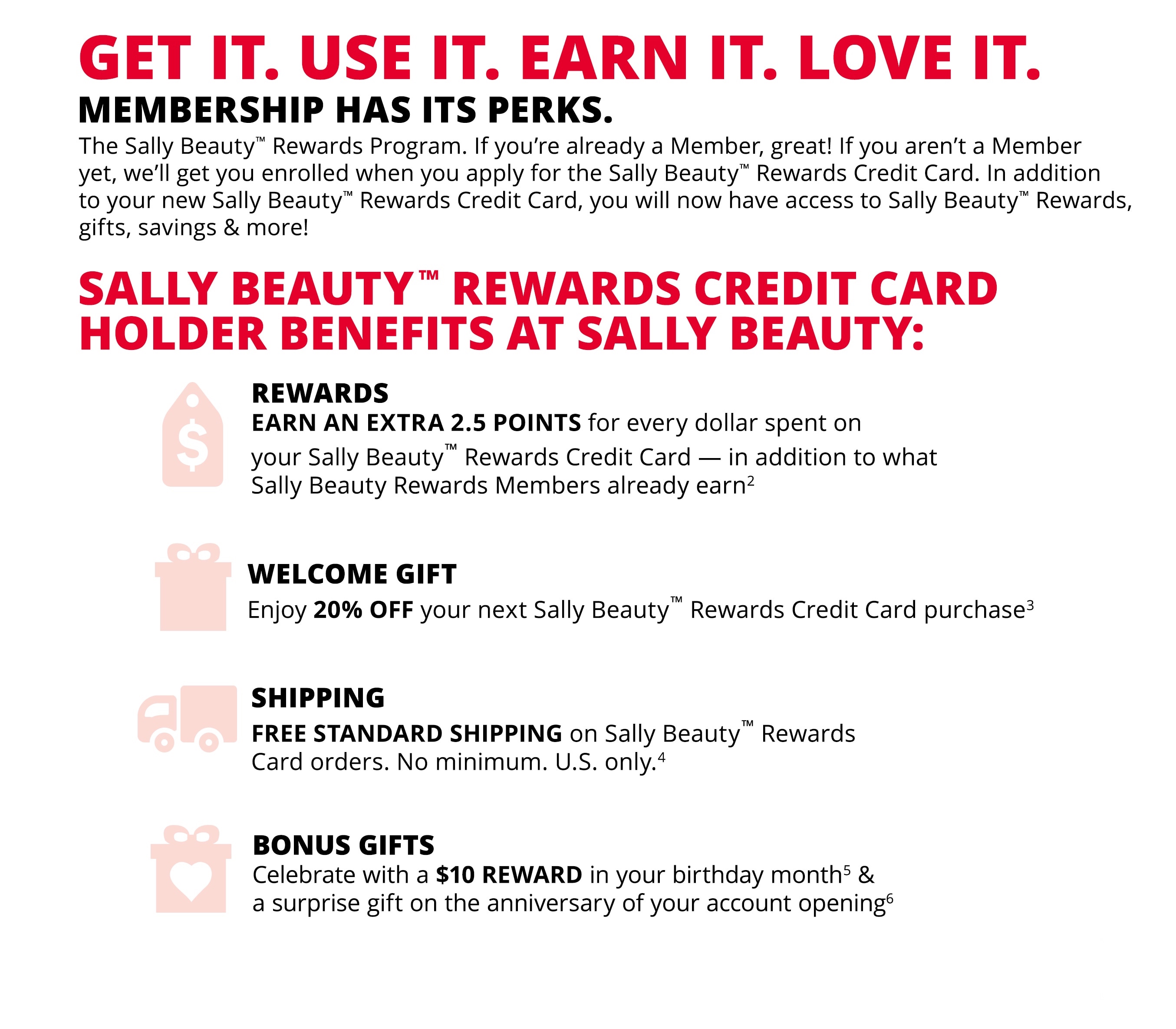
- Ulta Beauty (Ultamate Rewards)
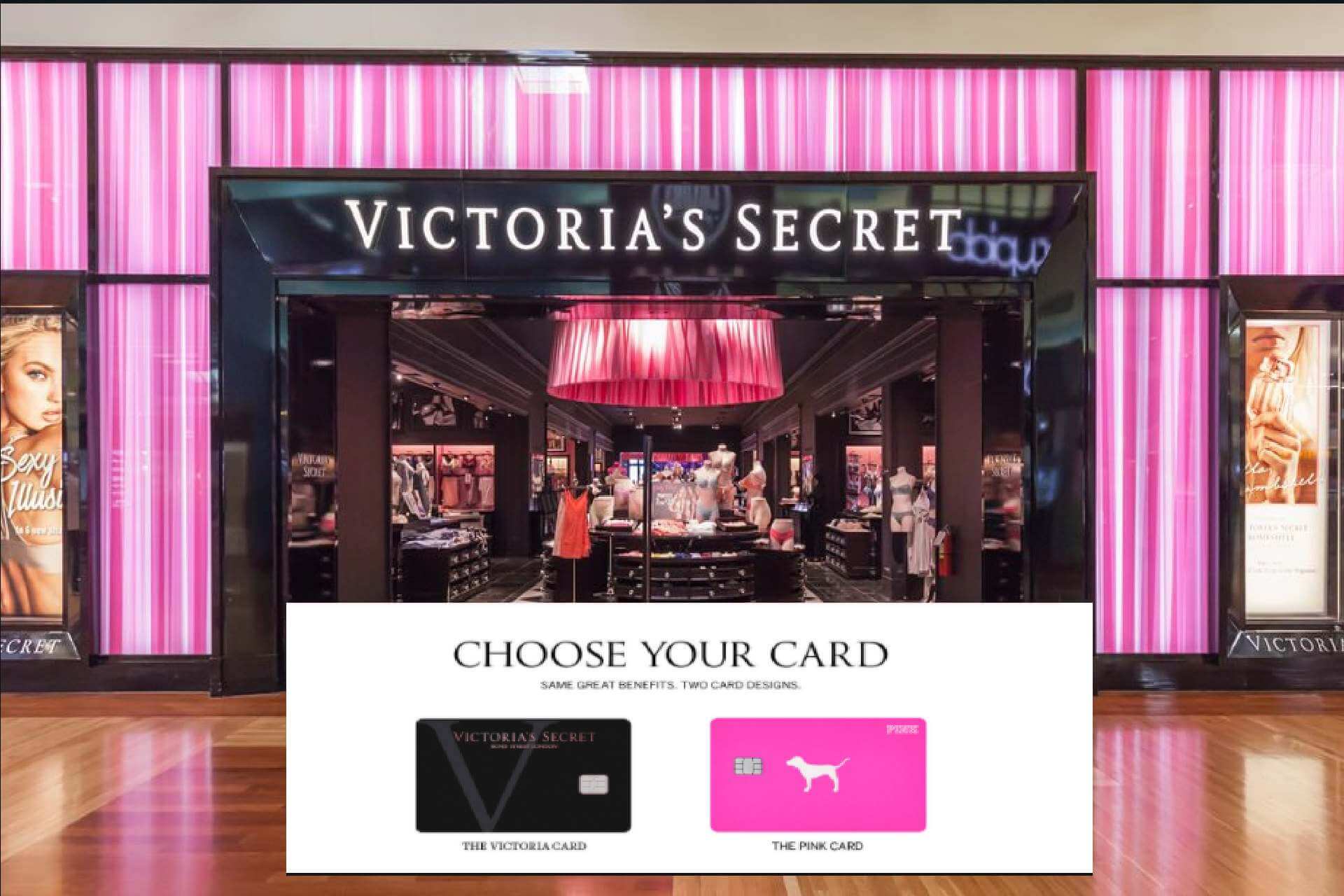
- Victoria’s Secret & PINK
- Wayfair
- Sephora (Note: Sephora has used both, but currently leans toward Bread for certain segments)
- Ann Taylor / LOFT
- Academy Sports + Outdoors
Interest Rates and Fees: The High Cost of Convenience
Regardless of which issuer you choose, both Bread Financial and Synchrony are notorious for high Interest rates (APR). In the 2026 economic climate, it is not uncommon to see APRs ranging from 29.99% to 34.99%.
These cards are designed for consumers who pay their balances in full every month to earn rewards. If you carry a balance, the interest charges will almost certainly outpace any rewards or discounts you earned at the register. Both banks are also aggressive with late fees, usually charging the maximum allowed by the Consumer Financial Protection Bureau (CFPB).
| Feature | Bread Financial (Comenity) | Synchrony Bank |
|---|---|---|
| Primary Focus | Apparel, Beauty, Specialty Retail | E-commerce, Home Improvement, Tech |
| Typical APR Range | 28.99% – 35.24% | 27.99% – 34.99% |
| Ease of Approval | Very High (Fair Credit friendly) | High (Fair to Good Credit) |
| Mobile App Quality | Improved (Unified Bread App) | High (Individual apps per card) |
| Credit Limit Increases | Often automatic after 6-12 months | Usually requires user request (soft pull) |
| Common Redemption | In-store discounts & certificates | Cashback, Statement credits, Points |
Digital Experience and Technology Integration
In 2026, how you manage your money is just as important as the credit limit itself.
Synchrony's Approach: Synchrony has invested heavily in a "per-brand" experience. If you have a Lowe’s card, you use the Lowe’s app, which is powered by Synchrony. This creates a very seamless shopping experience. You can see your rewards and pay your bill without ever leaving the retailer’s digital ecosystem. Synchrony also has a very high compatibility rate with Apple Pay, Google Pay, and Samsung Pay across almost its entire portfolio.
Bread Financial’s (Comenity) Approach: Bread Financial has moved toward a more centralized "Bread" identity. Their goal is to make the cardholder feel like a customer of Bread, rather than just a customer of the store. Their mobile interface has seen significant upgrades, moving away from the clunky, browser-based "Account Center" of the early 2020s to a sleek, biometric-enabled app. They have also integrated their "Bread Pay" (Installment loans) into the same dashboard, allowing users to manage both revolving credit and fixed-term loans in one place.
Customer Service and Problem Resolution
This is the area where both banks frequently receive criticism. Because they manage millions of accounts with relatively low balances, their customer service models are heavily automated.
- Bread Financial: Historically, users complained about "phantom" late fees or difficulty closing accounts. However, since the 2022-2024 infrastructure overhaul, reportings of technical glitches have decreased. Their customer service is primarily US-based for higher-tier cards but uses offshore centers for basic retail accounts.
- Synchrony: Synchrony is generally considered slightly better for dispute resolution. Because they handle larger accounts (like Amazon and Lowe's), their fraud detection systems are more robust. However, they are known for being quick to close inactive accounts, which can lead to a sudden drop in a user's credit score due to the loss of available credit.
Strategic Comparison: BNPL vs. Revolving Credit
A major point of divergence in 2026 is how these banks handle "Buy Now, Pay Later" (BNPL).
Bread Financial has leaned into BNPL as a core part of its business. When you shop at a Bread-affiliated store, you are often presented with a choice: a revolving credit card or a 4-payment installment plan. This makes Bread a "one-stop shop" for retail financing.
Synchrony has been more cautious with BNPL, preferring to stick to "promotional financing." For example, if you buy a large appliance at Lowe’s, you aren't using a separate BNPL service; you are using a 0% APR promotional window on your existing revolving card. This is a subtle but important distinction for consumers who want to avoid opening multiple new lines of credit for single purchases.
Impact on Credit Scores
Both banks report to all three major credit bureaus: Equifax, Experian, and TransUnion. Because store cards typically have lower credit limits (often starting at $300 to $1,000), they can negatively impact your "credit utilization" ratio if you max them out.
For example, a $400 balance on a $500 Victoria’s Secret card (Bread Financial) represents 80% utilization, which can damage your score. Conversely, Synchrony is more generous with credit limit increases (CLIs). If you manage a Synchrony card well for six months, it is not uncommon to see a $1,000 limit jump to $5,000, which provides a significant boost to your overall credit profile.
Common Pitfalls to Avoid
When dealing with either Comenity or Synchrony, consumers should be aware of these recurring issues:
- Deferred Interest Traps: Both banks offer "0% interest for 12 months" deals. However, this is often deferred interest. If you do not pay the balance in full by the last day of the promotion, they will charge you interest on the original purchase amount, dating back to the day you bought it.
- Inactivity Closures: These banks are notorious for closing cards that haven't been used in 6 to 12 months. To keep these accounts open and maintain your credit age, make a small purchase once or twice a year.
- Multiple Hard Inquiries: If you apply for three different cards at three different stores, and all three are managed by Synchrony, you will likely end up with three separate "Hard Pulls" on your credit report, which can temporarily lower your score.
Frequently Asked Questions
Does Comenity Bank (Bread Financial) do a hard pull for credit limit increases?
In 2026, Bread Financial typically performs a "soft pull" for credit limit increases requested through their online portal or app. This means it will not affect your credit score. However, if you speak to a representative on the phone, they are legally required to ask for your consent if a hard pull is necessary. Always clarify "Is this a soft pull?" before proceeding.
Which bank is easier to get an Amazon card from?
The Amazon Store Card is exclusively issued by Synchrony Bank. There is no Comenity/Bread version of this card. Synchrony generally looks for a credit score of 640 or higher for the store-only version, while the Amazon Prime Rewards Visa (which is general use) is issued by Chase and requires a much higher score.
Can I use my Comenity card at any store?
Most Bread Financial (Comenity) cards are "closed-loop," meaning they can only be used at the specific retailer listed on the card. However, some partners offer a "Visa" or "MasterCard" version (like the Ulta Beauty Rewards Mastercard). If your card has a Visa/MasterCard logo, it can be used anywhere. If not, it is restricted to that specific store and its affiliates.
Is Synchrony better than Bread Financial for rebuilding credit?
Both are excellent for rebuilding credit, but Synchrony is often viewed as the "next step" after Bread. Many people start with a Bread Financial card (like Victoria's Secret or Wayfair) to establish a 6-month history, then move to a Synchrony card (like Lowe's or Amazon) to get higher credit limits and more diverse reporting.
How do I contact Comenity Bank if I can't find their website?
Since the rebranding, most Comenity services are found under the Bread Financial Account Center. You can still find specific login portals by searching for "[Store Name] credit card login." The physical address for correspondence is typically in Columbus, Ohio.
Final Recommendation: Which Should You Choose?
If you are a frequent shopper at high-end boutiques, specialty fashion outlets, or beauty stores, Bread Financial (Comenity) is likely where you will find your best rewards. Their systems are tailored for the "lifestyle" shopper who values coupons, birthday rewards, and early access to sales.
If you are looking for "utility" credit—money to help you upgrade your home, buy electronics, or manage daily expenses via e-commerce—Synchrony Bank is the superior choice. Their cards generally offer higher limits, better integration with digital wallets, and partnerships with the world's largest retailers.
Regardless of your choice, the golden rule of retail credit remains: Pay the balance in full. With interest rates hovering near 35% in 2026, the cost of carrying a balance will quickly negate any 5% or 10% discount you received at the checkout counter.