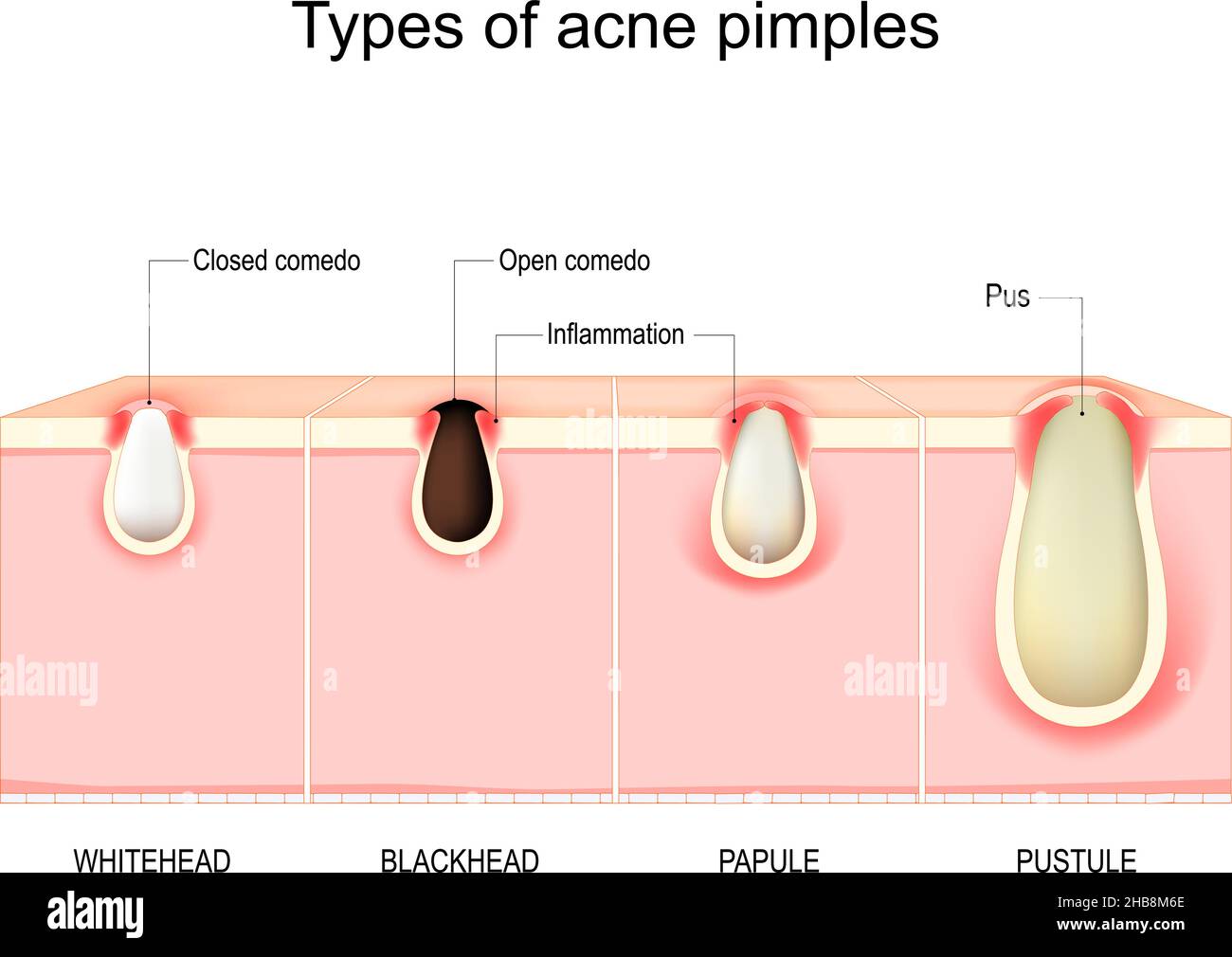
The "core" of a pimple is a solid or semi-solid plug of oxidized sebum (skin oil) and trapped keratin (dead skin cells) medically known as a comedo. This hardened mass acts as the primary blockage within the pilosebaceous unit, and its presence distinguishes obstructive acne from simple skin irritation or localized infections.
In the world of dermatology, the "seed" or "core" you see when a blemish is expressed is the physical manifestation of a clogged pore. While it may feel satisfying to remove, the lifecycle of this plug is complex, involving hormonal triggers, bacterial colonization, and the body's inflammatory response. Understanding the biological makeup of a pimple core is the first step toward managing breakouts without causing permanent tissue damage or scarring.
The Biological Anatomy of a Pimple Core
To understand what a pimple core is, one must understand the function of the pore. Every pore is the opening of a hair follicle, which is attached to a sebaceous gland. Under normal circumstances, the gland produces sebum to lubricate the skin and hair. However, when the process of desquamation—the shedding of dead skin cells—malfunctions, these cells do not exit the pore. Instead, they clump together.
The Role of Sebum and Keratin
The core is primarily composed of two substances: sebum and keratin. Sebum is a complex mixture of triglycerides, wax esters, squalene, and metabolites of fat-producing cells. Keratin is a structural protein that makes up the outer layer of the human skin. When the body produces excess sebum, often due to androgenic hormonal shifts, the sticky oil acts as a "glue" for the dead keratinocytes.
As this mixture becomes trapped deeper in the follicle, it dehydrates and undergoes a chemical change. In the case of open comedones (blackheads), the surface of the plug is exposed to air and oxidizes, turning dark. In closed comedones (whiteheads), the plug remains beneath a thin layer of skin, staying white or yellowish and often remaining more pliable.
Why the Core Becomes Hard
The hardness of a pimple core is determined by the ratio of lipids to proteins and the duration the blockage has been present. Over time, the body’s natural inflammatory response sends white blood cells to the area. If the blockage persists, the surrounding tissue may undergo "liquefactive necrosis," where the center of the inflammation softens while the plug itself remains a solid, stubborn mass. This is why many people find a "hard seed" inside a soft, fluid-filled pustule.
Types of Pimple Cores and Their Characteristics
Not all "cores" are created equal. Identifying the specific type of blockage is essential for choosing the correct treatment protocol. Treating a sebaceous filament as if it were a cystic core, for example, can lead to unnecessary skin trauma.
1. Open Comedones (Blackheads)
The core of a blackhead is typically the easiest to identify but often the most stubborn to remove. Because the pore is open, the top of the plug is hard and waxy. The "seed" is usually wider at the top and tapers off into a softer, cream-colored tail of unoxidized sebum.
2. Closed Comedones (Whiteheads)
These cores are completely encased by the epidermis. They appear as small, flesh-colored or white bumps. The core is usually a spherical, soft-to-firm mass of white keratin. Because there is no opening, the core cannot "breathe," making it a prime target for Cutibacterium acnes (formerly P. acnes) bacteria to flourish.
3. Inflammatory Pustules
When a comedo becomes infected, the body creates a pocket of pus (white blood cells and cellular debris) around the core. In these cases, the core often floats within a liquid medium. When the pimple "pops," the liquid exits first, followed by the solid "seed."
4. Milia (Often Confused with Pimple Cores)
Milia are small, hard, white cysts that often appear around the eyes and cheeks. Unlike a pimple core, which is trapped in a pore, milia are keratin-filled cysts trapped just under the skin's surface in a miniature pocket. They do not have a natural opening and cannot be squeezed out like a standard pimple core.
5. Sebaceous Filaments
These are not actually pimples, though they are frequently mistaken for them. Sebaceous filaments are natural structures that help channel oil to the surface of the skin. They appear as tiny grey or tan dots on the nose and chin. If squeezed, they produce a thin, hair-like strand of sebum. Unlike a pimple core, these will always return because they are a functional part of the skin’s anatomy.
Comparative Overview of Skin Blockages
| Feature | Blackhead Core | Whitehead Core | Milia Seed | Sebaceous Filament |
|---|---|---|---|---|
| Primary Material | Oxidized Sebum/Keratin | Trapped Sebum/Keratin | Hardened Keratin | Liquid Sebum |
| Texture | Waxy and Firm | Soft to Semi-Solid | Extremely Hard/Bead-like | Soft/Oily |
| Visibility | Dark/Open to Air | White/Covered by Skin | Bright White/Pearly | Tan/Greyish |
| Ease of Removal | Moderate | Difficult (No opening) | Professional Only | Should not be removed |
| Risk of Scarring | Low to Moderate | High | High (if DIY) | Low |
The Science of Removal: To Squeeze or Not to Squeeze?
The primary question most people have regarding a "core pimple" is whether the core must come out for the pimple to heal. The answer is nuanced. While the body can eventually break down and reabsorb some components of a comedo, a large, hardened plug often acts as a foreign body that sustains inflammation.
The Dangers of DIY Extraction
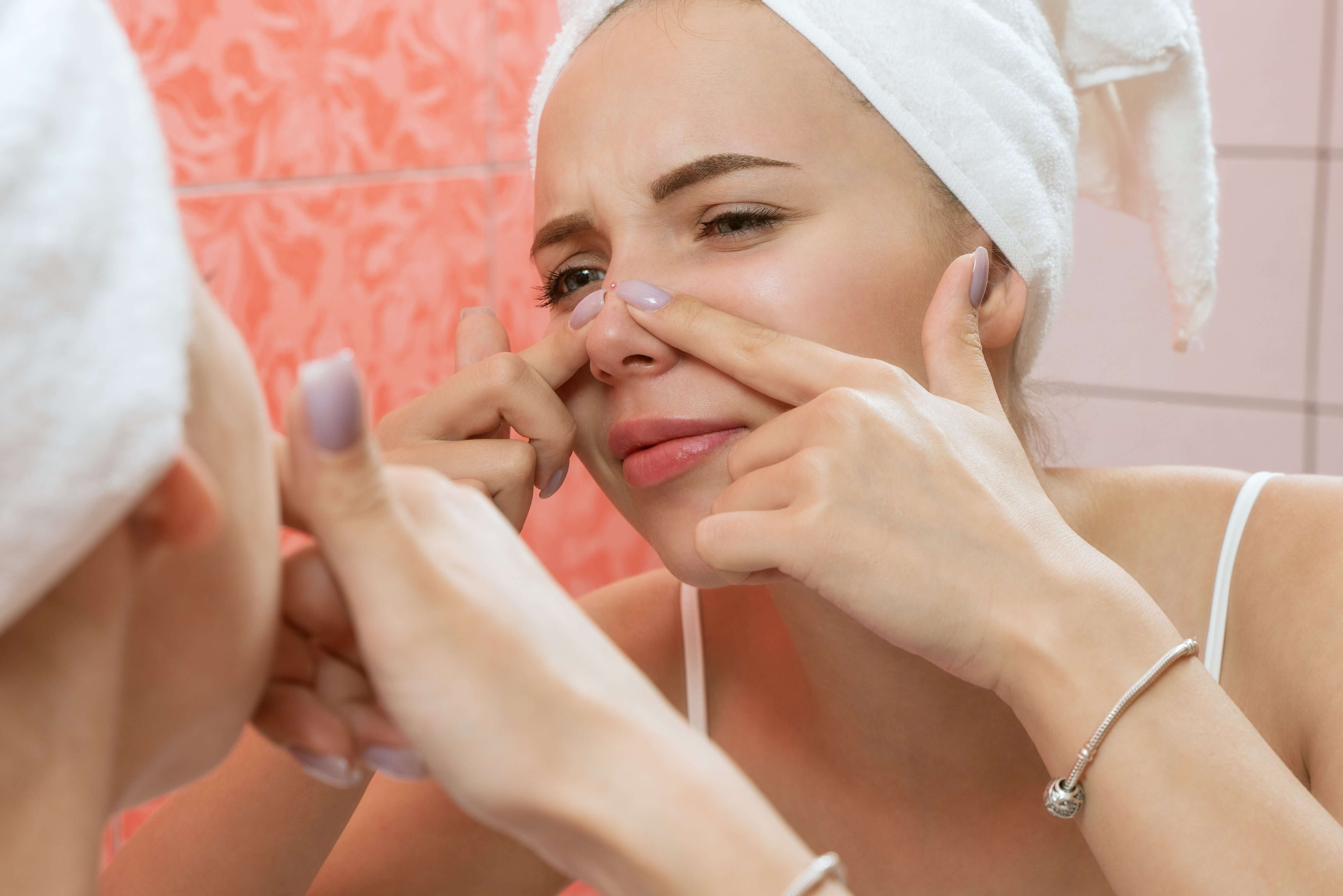
When you squeeze a pimple to force the core out, you apply lateral pressure that doesn't just go "up and out." Much of that pressure goes "down and in." This can cause the follicular wall to rupture deep beneath the skin.
If the follicle ruptures, the bacteria, sebum, and keratin core are pushed into the dermis—the deeper layer of skin. This results in:
- Cystic Acne: A simple whitehead can turn into a deep, painful cyst.
- Hyperpigmentation: The trauma triggers melanocytes, leaving a dark spot (PIH) that can last for months.
- Atrophic Scarring: The destruction of collagen in the dermis can lead to "ice pick" or "boxcar" scars, which are permanent indentations in the skin.
Professional Extractions
Licensed estheticians and dermatologists use specialized tools, such as a Schamberg extractor or a sterile lancet, to create a controlled path of least resistance for the core. By using downward pressure rather than pinching pressure, they can remove the core without rupturing the follicle wall.
Chemical Solutions for Dissolving the Core
If you want to remove a pimple core without the risks of physical extraction, chemical exfoliation is the gold standard. Certain active ingredients are lipophilic (oil-loving), meaning they can penetrate the sebum and break down the "glue" holding the core together.
Salicylic Acid (BHA)
Salicylic acid is the most effective over-the-counter treatment for pimple cores. As a Beta Hydroxy Acid, it is oil-soluble. It travels into the pore and dissolves the bonds between dead skin cells. Over several days of use, it can soften a hardened core until it either dissolves or naturally works its way to the surface.
Retinoids (Adapalene and Tretinoin)
Retinoids do not "dissolve" the core directly. Instead, they communicate with skin cells to normalize the shedding process. By speeding up cell turnover, retinoids push existing cores to the surface and prevent new ones from forming. In 2026, Adapalene remains the most common over-the-counter retinoid recommended for comedonal acne.
Benzoyl Peroxide
While Benzoyl Peroxide is primarily an antibacterial agent, it also has mild keratolytic properties. It helps peel away the top layer of the skin, making it easier for a trapped core to find an exit. It is best used for inflammatory pimples where a core is surrounded by pus.
Azelaic Acid
This is an excellent option for those with sensitive skin. Azelaic acid reduces the production of keratin (the protein that hardens the core) and has significant anti-inflammatory properties, reducing the redness around a core pimple.
Step-by-Step Guidance: Managing a Pimple with a Core
If you have a visible core and wish to treat it safely at home, follow this evidence-based protocol to minimize damage.
- Warm Compress: Apply a warm (not hot) compress to the area for 5–10 minutes. This softens the keratin and dilates the pore opening, reducing the force required for the core to exit.
- Hydrocolloid Patches: These are "miracle" tools for core pimples. A hydrocolloid bandage creates a moist environment that draws out fluid. While it rarely pulls a hard core out on its own, it flattens the surrounding inflammation and protects the area from picking. Some modern patches are infused with "micro-darts" containing salicylic acid to treat the core directly.
- Topical Treatment: Apply a 2% salicylic acid gel and leave it on overnight. This begins the chemical breakdown of the plug.
- Hands-Off Policy: If the core does not come out with a gentle washcloth rub after a warm compress, it is not ready. Forcing it will only lead to a larger, more painful lesion.
Long-Term Prevention Strategies
The only way to stop "core pimples" is to address the three pillars of acne formation: excess oil, irregular cell shedding, and bacteria.
- Double Cleansing: Using an oil-based cleanser followed by a water-based cleanser is highly effective. The oil cleanser dissolves the surface sebum that contributes to the core, while the second cleanser removes debris.
- Non-Comedogenic Products: Always check labels for "non-comedogenic" or "non-acnegenic." This ensures the product has been tested and is unlikely to contain ingredients like cocoa butter or isopropyl myristate, which are known to contribute to pore blockages.
- Dietary Awareness: While the link between diet and acne varies by individual, high-glycemic foods can trigger insulin spikes that increase androgen production, leading to thicker, stickier sebum.
- Consistent Exfoliation: Using a chemical exfoliant 2–3 times a week prevents the "glue" from forming in the first place.
FAQ: Common Concerns About Pimple Cores
Why is the core of my pimple so hard? The core becomes hard because it is a dehydrated mixture of keratin and sebum. The longer it stays in the pore, the more moisture is lost, and the more "packed" the cellular debris becomes due to the constant production of new oil behind the blockage.
Does a pimple always have a core? Not necessarily. Simple inflammatory papules (red bumps) may just be a result of localized irritation or bacteria without a solid plug. However, "true" acne—comedonal acne—almost always involves a central core.
What happens if I don't remove the core? In most cases, your body’s enzymes will eventually break down the keratin and sebum. The core may eventually soften and be expelled during your normal cleansing routine, or it may be reabsorbed by the body. Leaving it alone is almost always safer than forcing it out.
Why is there a hole in my skin after the core comes out? The "hole" is simply the dilated pore that was stretched out by the solid mass of the core. Once the pressure is removed, the pore will eventually shrink back to its normal size, provided the tissue wasn't torn during extraction. Using a toner with niacinamide can help improve the appearance of the skin texture during this recovery phase.
Can a pimple core be a parasite? No. This is a common misconception often fueled by "pimple popping" videos. Pimple cores are purely biological products of your own skin (sebum and skin cells). While microscopic mites called Demodex live in human pores, they are not visible to the naked eye and are not what constitutes a pimple core.
Final Recommendation
When dealing with a "core pimple," the most effective strategy is patience over pressure. If a core is stubborn, prioritize chemical dissolution using salicylic acid or a retinoid rather than physical force. For persistent, deep cores that cause pain or distress, consult a board-certified dermatologist. They can provide professional extractions or corticosteroid injections that resolve the inflammation without the risk of permanent scarring.
Disclaimer: This information is for educational purposes and does not constitute medical advice. Always consult with a healthcare professional for persistent skin conditions or signs of infection.