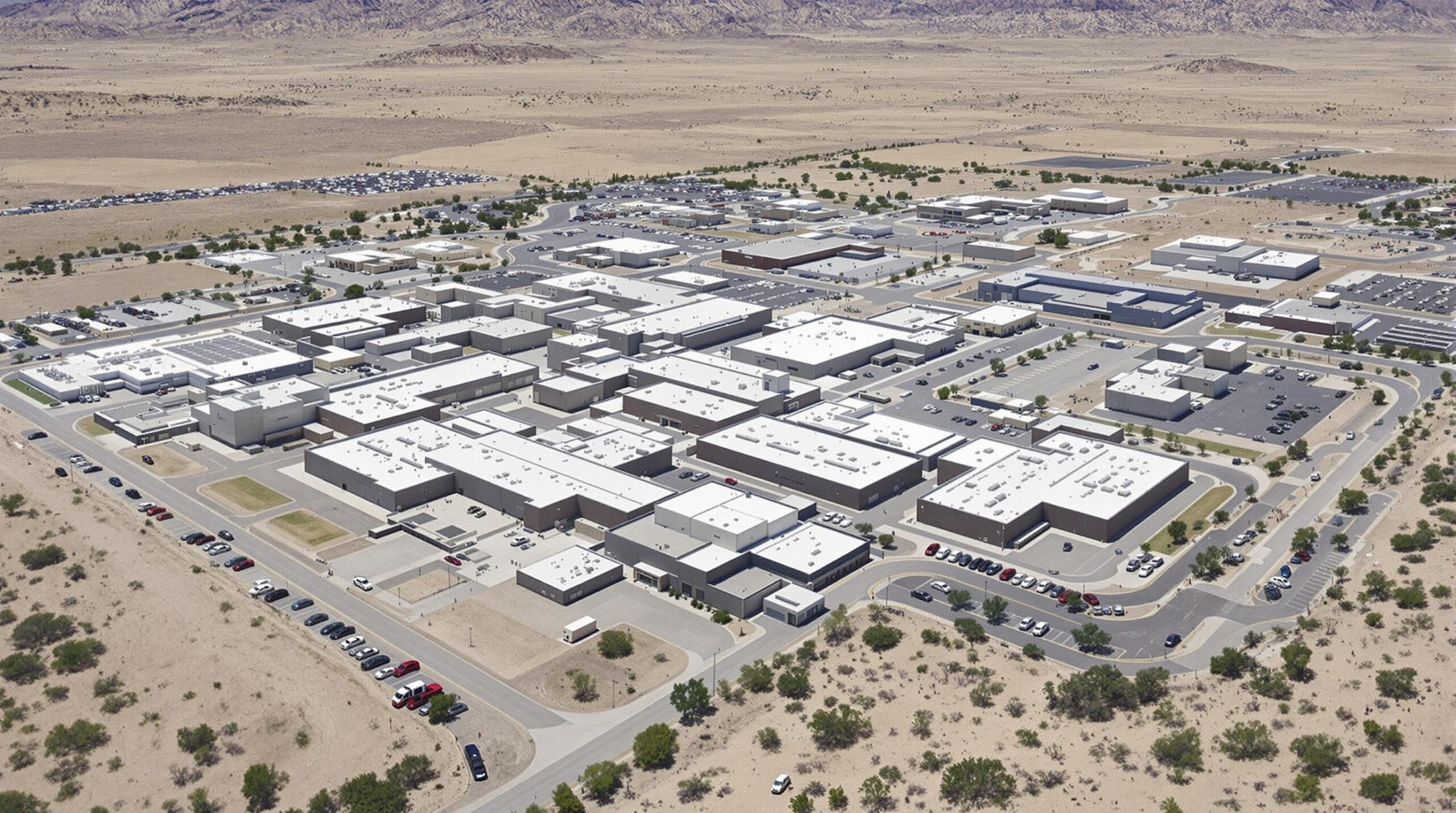
This guide focuses specifically on the High Desert State Prison (HDSP) located in Indian Springs, Nevada, the largest facility within the Nevada Department of Corrections (NDOC). While other "desert" designated facilities exist, HDSP remains the primary intake and high-security hub for the state as of 2026.
The High Desert State Prison (HDSP) represents the cornerstone of the Nevada Department of Corrections infrastructure. Located approximately 30 miles northwest of Las Vegas, this facility has undergone significant technological and structural evolution leading into 2026. As a complex designed to house over 4,000 inmates across varying security levels, understanding its operational nuances is critical for legal professionals, family members, and policy analysts. This technical analysis explores the current security frameworks, visitation mandates, and inmate management protocols defining the facility this year.
Strategic Role of HDSP in the Nevada Correctional System 2026
By 2026, High Desert State Prison has solidified its role as the primary intake and classification center for Southern Nevada. Every male offender sentenced within Clark County and surrounding municipalities typically passes through HDSP for initial assessment. This process determines the inmate’s "custody point" total, which dictates their eventual permanent housing assignment based on crime severity, escape risk, and behavioral history.
The facility operates as a "complex" rather than a singular building, utilizing a radial design that allows for maximum visibility and controlled movement. In 2026, the integration of AI-augmented peripheral surveillance and biometric tracking for internal movement has enhanced the facility's safety rating. These upgrades were part of the 2024-2025 Nevada Capital Improvement Projects, aimed at reducing staff-to-inmate incidents and streamlining administrative processing.
The economic impact of the prison on the Indian Springs area remains substantial. As one of the largest employers in the region, HDSP maintains a rigorous recruitment and training program for Correctional Officers (COs), focusing on de-escalation techniques and the management of specialized populations, including those with chronic mental health conditions.
Inmate Classification and Housing Security Tiers
HDSP is unique due to its multi-tier security capability. Unlike smaller facilities that focus on a single custody level, HDSP manages everything from medium-security populations to maximum-security administrative segregation.
- Medium Security Housing: The majority of the population resides in these units. Inmates have access to work programs, educational opportunities, and communal dining, provided they maintain a clear disciplinary record.
- Close Custody Units: These are designed for inmates who require more direct supervision than medium security but do not meet the criteria for maximum-security isolation. Movement is more restricted, and many services are brought to the unit rather than the inmate traveling to a central hub.
- Maximum Security and Administrative Segregation: Reserved for the most high-risk individuals or those whose presence in the general population poses a threat to institutional safety. In 2026, these units utilize enhanced "non-contact" service portals to ensure staff safety during food delivery and medication administration.
Navigating the 2026 Visitation and Communication Framework
Visitation at High Desert State Prison underwent a major digital transformation in late 2025. The "Smart-Visit 2026" initiative requires all visitors to utilize a centralized NDOC portal for background clearance and scheduling.
Mandatory Visitation Requirements 2026
Pre-Approval Process All prospective visitors must complete the NDOC Background Clearance form online. As of 2026, the processing time is approximately 14 to 21 business days. Paper applications are no longer accepted at the front gate.
Scheduling Protocols Visits must be scheduled at least 72 hours in advance through the HDSP Digital Portal. Walk-in visits are strictly prohibited. The system allows for one in-person visit and two video visits per week, depending on the inmate's current disciplinary status.
Identification Standards Valid, government-issued photo identification is required for all adults. Minors must be accompanied by a legal guardian and possess an original birth certificate. In 2026, HDSP began accepting Nevada Digital Driver’s Licenses (mDL) via the official state app.
Dress Code and Prohibited Items
The dress code remains one of the strictest points of friction for visitors. Prohibited attire includes any clothing resembling inmate "blues" or "oranges," camouflage patterns, transparent fabrics, and clothing with metal accents that trigger the sensitive 2026 millimetric wave scanners now installed at the entry point. Visitors are allowed a maximum of $20 in small denominations for vending machines, though many machines have shifted to "tap-to-pay" via the visitor's approved NDOC debit card.
Comparative Analysis: HDSP vs. Regional Nevada Facilities
To understand HDSP’s position, it is helpful to compare it with other southern Nevada institutions like the Southern Desert Correctional Center (SDCC).
| Feature | High Desert State Prison (HDSP) | Southern Desert Correctional Center (SDCC) | Florence McClure Women's (FMWCC) |
|---|---|---|---|
| Primary Security Level | Medium to Maximum | Medium | All (Female Only) |
| 2026 Capacity | 4,176 | 2,149 | 950 |
| Medical Capability | High (Regional Medical Hub) | Moderate | High (OB/GYN Specialized) |
| Visitation System | Fully Digital / Smart-Visit | Hybrid System | Fully Digital / Smart-Visit |
| Work Programs | Vocational/Institutional | Silver State Industries (SSI) | Vocational/Educational |
| Location | Indian Springs, NV | Indian Springs, NV | North Las Vegas, NV |
Medical Services, Mental Health, and Rehabilitative Programming
HDSP serves as the primary medical hub for the southern region. In 2026, the facility maintains a robust partnership with Nevada's university health systems to provide onsite specialized care.
- Chronic Care Clinics: These clinics manage long-term conditions such as diabetes, hypertension, and HIV/AIDS. The 2026 protocols emphasize "tele-specialist" consultations, reducing the need for high-risk transport to outside hospitals.
- Mental Health Services: HDSP operates a specialized Mental Health Unit (MHU) for inmates requiring acute psychiatric stabilization. The "Step-Down" program implemented in 2025 helps transition these individuals back into the general population with ongoing outpatient support.
- Educational Advancements: Through the 2026 "College-Behind-Bars" expansion, inmates can earn Associate and Bachelor's degrees via secure, filtered LAN networks. These programs are strictly monitored and provided through accredited Nevada community colleges.
Financial Management: Sending Funds and Inmate Trust Accounts
Managing an inmate's financial resources is handled through the Nevada Offender Management System (NOMS). By 2026, the NDOC has transitioned away from many third-party money transfer services to a primary, state-integrated platform to reduce transaction fees for families.
Inmate Trust Account Guidelines
Deposit Methods Funds can be deposited via the official NDOC mobile app, authorized kiosks in the HDSP lobby, or through verified electronic payroll for inmates working in Silver State Industries.
Spending Limits Inmates are subject to weekly commissary spend limits, which fluctuate based on their "Tier Status" in the 2026 Behavioral Incentive Program. Medium-security inmates typically have a $100 per week limit on non-essential goods.
Restitution and Deductions It is important to note that a percentage of all incoming funds is automatically deducted for court-ordered restitution, child support, and a mandatory "release fund" savings account, as mandated by Nevada Revised Statutes (NRS) updated in 2025.
Legal Advocacy and Inmate Rights in 2026
The legal landscape surrounding HDSP is governed by the 2026 Nevada Correctional Oversight Act. This legislation increased the frequency of independent audits regarding food quality, medical access, and use-of-force incidents.
Legal professionals visiting HDSP must adhere to the "privileged communication" protocols. In 2026, HDSP provides dedicated secure booths for attorney-client video conferencing, which are unmonitored and encrypted. For in-person legal visits, attorneys must clear their electronic devices through the Warden's office 48 hours prior to arrival if they intend to use tablets or laptops for evidence review.
Pros and Cons of HDSP Operations
Pros:
- Advanced Medical Access: Provides the best onsite healthcare in the NDOC southern region.
- Robust Vocational Training: Offers high-level certifications in HVAC, carpentry, and digital literacy.
- Modern Infrastructure: The 2026 security upgrades have significantly reduced internal blind spots.
Cons:
- Overcrowding Risks: As the state's primary intake, HDSP often operates near its maximum capacity.
- Geographic Isolation: The 30-mile distance from Las Vegas can be a barrier for families without reliable transportation.
- Strict Security Protocols: The high-security nature of the facility means frequent "lockdowns" which can disrupt visitation schedules.
Step-by-Step Guide for New Family Members
- Verify Location: Use the NDOC "Inmate Search" tool to confirm the individual is currently housed at HDSP and not in transit.
- Apply for Visitation: Complete the digital background check immediately. Do not wait for the inmate to contact you, as the approval process is the longest hurdle.
- Set Up Communications: Create an account with the state’s 2026 approved telecom provider (currently Securus-Global) for phone calls and electronic messaging (e-messaging).
- Fund the Account: Deposit an initial "Settlement Amount" into the inmate's trust account to allow them to purchase hygiene items and stationary during their first week.
- Monitor the Schedule: Check the HDSP facility page every Friday morning for any weekend "Operational Tiers" or lockdowns that might cancel scheduled visits.
Frequently Asked Questions (FAQ)
How do I find an inmate's ID number for High Desert State Prison? You can use the Nevada Department of Corrections (NDOC) online offender search portal by entering the inmate's first and last name. The system will provide their NDOC ID number, which is required for all correspondence and financial deposits.
What are the visitation hours at HDSP in 2026? General visitation typically occurs on Saturdays and Sundays from 8:00 AM to 3:00 PM, but sessions are divided into two-hour blocks. You must check your specific assigned time slot on the Smart-Visit portal after your appointment is confirmed.
Can I send packages directly to an inmate at High Desert State Prison? No, HDSP does not allow families to mail packages directly to the facility. All "quarterly packages" (clothing, food, electronics) must be purchased through state-approved third-party vendors who ship directly to the prison's mailroom.
What happens during an HDSP lockdown? During a lockdown, all inmate movement is suspended, and all visitation (including video visits) is canceled. Lockdowns can occur for security searches, medical emergencies, or staffing shortages and may last from a few hours to several days.
How is medical care handled at HDSP? Inmates must submit a "kites" (medical request form) to see a provider. In 2026, HDSP utilizes a co-pay system where a small fee is deducted from the inmate's account for self-initiated visits, though emergency care and chronic disease management are provided regardless of ability to pay.
Is there a bus service to High Desert State Prison? As of 2026, there is no direct public metropolitan transit to Indian Springs. However, several non-profit organizations in Las Vegas provide weekend "Family Shuttle" services for approved visitors; registration for these shuttles usually requires a two-week notice.
For further assistance regarding legal rights or facility complaints, contact the Nevada Office of the Ombudsman for Correctional Care. Staying informed through the official NDOC 2026 portal is the most effective way to ensure a successful connection with those housed at High Desert State Prison.