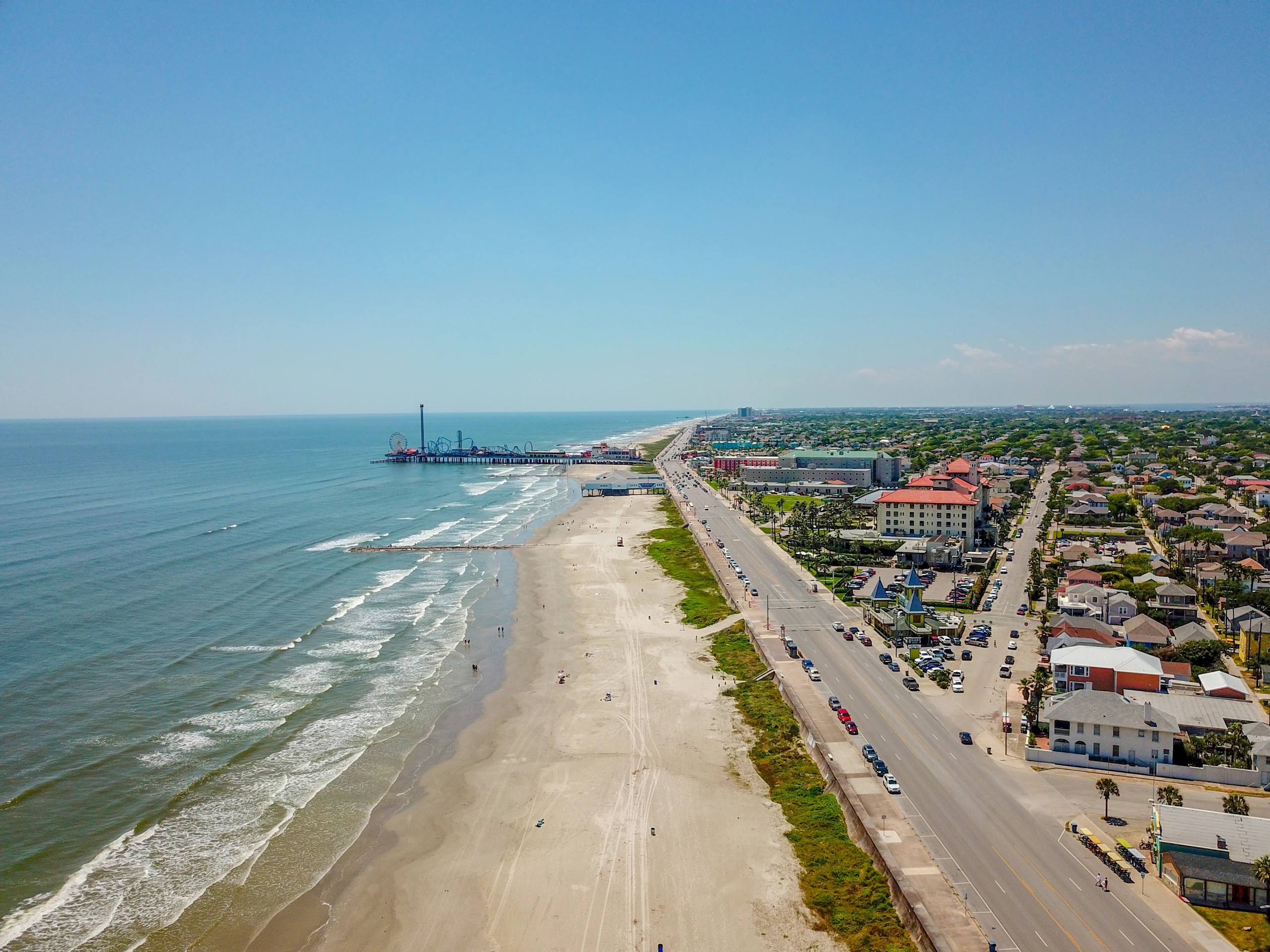
Planning a coastal getaway requires understanding the distinct micro-environments, seasonal shifts, and regulatory changes across the 32 miles of Gulf Coast shoreline. Galveston Island offers diverse beachfront experiences, ranging from bustling urban parks equipped with extensive modern infrastructure to quiet, natural dune systems on the island's West End. Navigating this barrier island efficiently in 2026 requires up-to-date knowledge of beach access permits, parking protocols, water quality tracking, and seasonal event schedules.
Navigating Galveston Beach Zones and Coastal Geography
Galveston Island is divided into distinct zones, each managed differently by the Galveston Park Board of Trustees and the City of Galveston. Knowing which zone suits your travel preferences ensures a smoother arrival and an optimized beach day.
- Seawall Urban Beaches (East End to 61st Street): This stretch represents the commercial heart of Galveston's coastline, fronted by the world's longest continuous sidewalk. It features high-density pedestrian access, concessions, chair and umbrella rentals, and immediate proximity to historic Pleasure Pier.
- Mid-Island Recreation Zones (61st Street to 8 Mile Road): Characterized by wider sandy expanses, seasonal lifeguard stations, and structured vehicular parking on the hard-packed sand. This area serves families seeking moderate wave action and accessible restroom facilities.
- West End Natural Shorelines (West of 8 Mile Road to San Luis Pass): Dominated by residential communities, vacation rentals, and preserved coastal dunes. These beaches require specific vehicular access permits and offer a more secluded, rugged environment with minimal commercial development.
Comprehensive Comparison of Galveston Beach Locations
Choosing the right section of the island depends entirely on whether you prioritize amenities, vehicular beach access, or environmental isolation. The following breakdown compares the primary beach zones across critical logistical parameters.
| Beach Location & Zone | Primary Amenities | Vehicular Beach Access | Parking Requirements | Best Suited For |
|---|---|---|---|---|
| Seawall Urban Beaches | Restrooms, showers, chair rentals, concessions, lifeguards | Prohibited on sand | Paid street parking, multi-level garages, lots | Sightseers, families wanting convenience, quick dining access |
| Stewart Beach Park | Pavilion, volleyball courts, retail shop, restrooms, security | Prohibited on sand | Designated paid lot entry fee per vehicle | Organized events, families with young children, beach sports |
| Beachtown & East Beach | Occasional festivals, open space, restrooms | Prohibited on sand | Paid lot entry fee | Festival-goers, large gatherings, long walks |
| Porretto Beach | Private concessions, shade rentals, live music, food trucks | Permitted in designated zones | On-site paid parking | Visitors seeking active beach clubs and vibrant socialization |
| West End Pocket Parks (1, 2, 3) | Portable restrooms, seasonal shade rentals, trash disposal | Permitted with permit | Daily parking fee or annual pass required | Anglers, sunseekers avoiding crowds, nature lovers |
Essential Logistics: Parking, Permits, and Regulations
Managing vehicular access and parking enforcement on Galveston beaches has evolved significantly. Unauthorized parking on the dunes or driving without proper certification results in heavy municipal fines.
Parking Enforcement and Payment Systems
Along the Seawall (from 6th Street to 61st Street and 81st Street to 103rd Street), pay-by-phone apps, digital kiosks, and credit card meters are strictly enforced daily from 9:00 AM to 6:00 PM. Annual Seawall parking passes offer cost-effective solutions for frequent visitors and can be purchased online or at local visitor centers.
West End Beach Permits
Accessing the sand with a motor vehicle on the West End requires a Galveston Park Board Annual Beach Parking Permit sticker affixed to the vehicle's windshield. These permits help fund dune restoration projects, marine debris cleanup, and coastal conservation efforts managed by local authorities.
Important Coastal Compliance Notice
Glass Containers Prohibited: To protect the safety of barefoot beachgoers and marine wildlife, all glass bottles and containers are strictly banned across all public beaches in Galveston. Violators face immediate citations from the Galveston Police Department beach patrol units.
Leash Laws and Animal Regulations: Dogs are permitted on all public beaches in Galveston, but they must remain on a physical leash not exceeding six feet in length at all times. Owners are legally required to clean up and properly dispose of all pet waste.
Environmental Realities and Safety Protocols
The unique hydrology of the upper Texas coast influences water clarity, current strengths, and wildlife interactions. Understanding these natural factors is vital for a safe coastal excursion.
Water Quality and Turbidity
First-time visitors frequently note the brown hue of the Gulf water along Galveston beaches. This turbidity is entirely natural, caused by fine sediment and nutrient-rich silt churned up by coastal winds and wave action from the shallow continental shelf. It is not an indicator of pollution. Real-time water quality sampling is conducted weekly by the Texas Beach Watch program, tracking enterococcus bacteria levels to ensure safe swimming conditions.
Rip Current Awareness and Flag Systems
The Galveston Park Board operates an advanced flag warning system stationed along major public beaches. Always check the color-coded advisory before entering the Gulf:
- Green Flag: Low hazard; calm conditions, exercise normal caution.
- Yellow Flag: Medium hazard; moderate surf and currents.
- Red Flag: High hazard; strong currents and high surf; stay out of the water unless you are an exceptionally strong swimmer.
- Double Red Flag: Water closed to the public due to extreme life-threatening hazards.
Step-by-Step Guide to Planning Your Galveston Beach Day
Execution of a flawless beach day requires systematic preparation. Follow this procedural framework to optimize your time on the island.
- Check Tides and Marine Forecasts: Review the National Weather Service marine advisory for Galveston to understand wind speeds, wave heights, and the daily tidal cycle. Low tide exposes wider sandbars ideal for beach walking.
- Secure Your Parking Strategy: Download the designated municipal parking mobile application in advance or purchase your West End annual beach parking pass online to bypass long queues at local retailers.
- Pack Essential UV and Thermal Protection: Galveston sun intensity is exceptionally high due to coastal reflection. Pack broad-spectrum sunscreen (SPF 50+), UV-blocking polarized sunglasses, a wide-brimmed hat, and at least one gallon of drinking water per person.
- Establish a Landmark Orientation: Upon arrival at crowded areas like Stewart Beach or the Seawall, locate the nearest lifeguard tower number or high-rise building landmark to ensure children and group members have a reliable meeting point if separated.
- Review Leave-No-Trace Protocols: Bring heavy-duty trash bags. Pack out all waste, collapse pop-up canopies when leaving, and fill in any deep sand holes dug during the day to protect nesting sea turtles and foot traffic.
Frequently Asked Questions
Can I drive my car directly onto the sand at Galveston Beach?
Vehicular beach driving is strictly prohibited along the Seawall and major urban parks, but it is permitted in designated zones on the West End provided you display a valid annual beach parking permit and remain below the vegetation line.
Are dogs allowed on Galveston beaches?
Dogs are allowed on all public beaches in Galveston as long as they are kept on a physical leash no longer than six feet and owners immediately remove and dispose of all pet waste.
Why does the water look brown instead of clear blue?
The brown color is a natural result of fine sediments and organic materials being stirred up from the shallow sea floor by constant wave action and coastal winds, rather than chemical pollution.
Where can I rent umbrellas and beach chairs?
Commercial chair and umbrella rental stands operate daily during peak season along the Seawall, Stewart Beach, and East Beach, managed by authorized concessionaires contracted with the Park Board.
Are bonfires permitted on the beach?
Open fires, bonfires, and unauthorized fire pits are strictly illegal on all public beaches in Galveston to prevent wildfire hazards and protect local property.
How can I check real-time water quality before heading out?
Visitors can view up-to-date bacterial sampling results and advisory updates directly through the official Texas Beach Watch website managed by the General Land Office.
Conclusion and Next Steps
Maximizing your time on Galveston Island requires balancing the vibrant, amenity-rich experiences of the urban Seawall with the peaceful, open vistas of the West End. By adhering to local municipal guidelines, respecting coastal conservation laws, and utilizing real-time safety advisories, your coastal excursion will be both memorable and secure. Begin your journey today by securing your parking credentials, mapping out your preferred coastal zone, and preparing for an exceptional Gulf Coast experience.