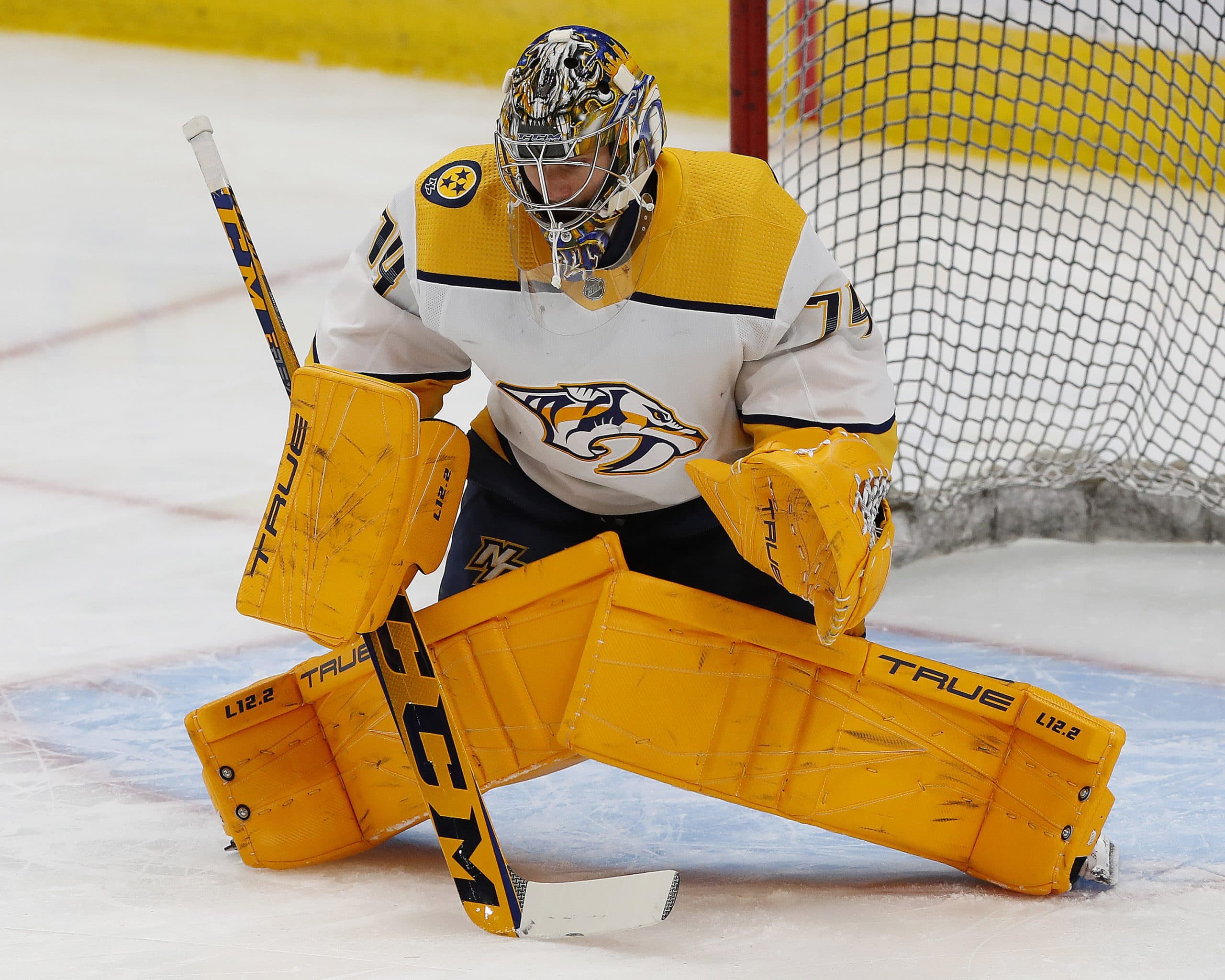
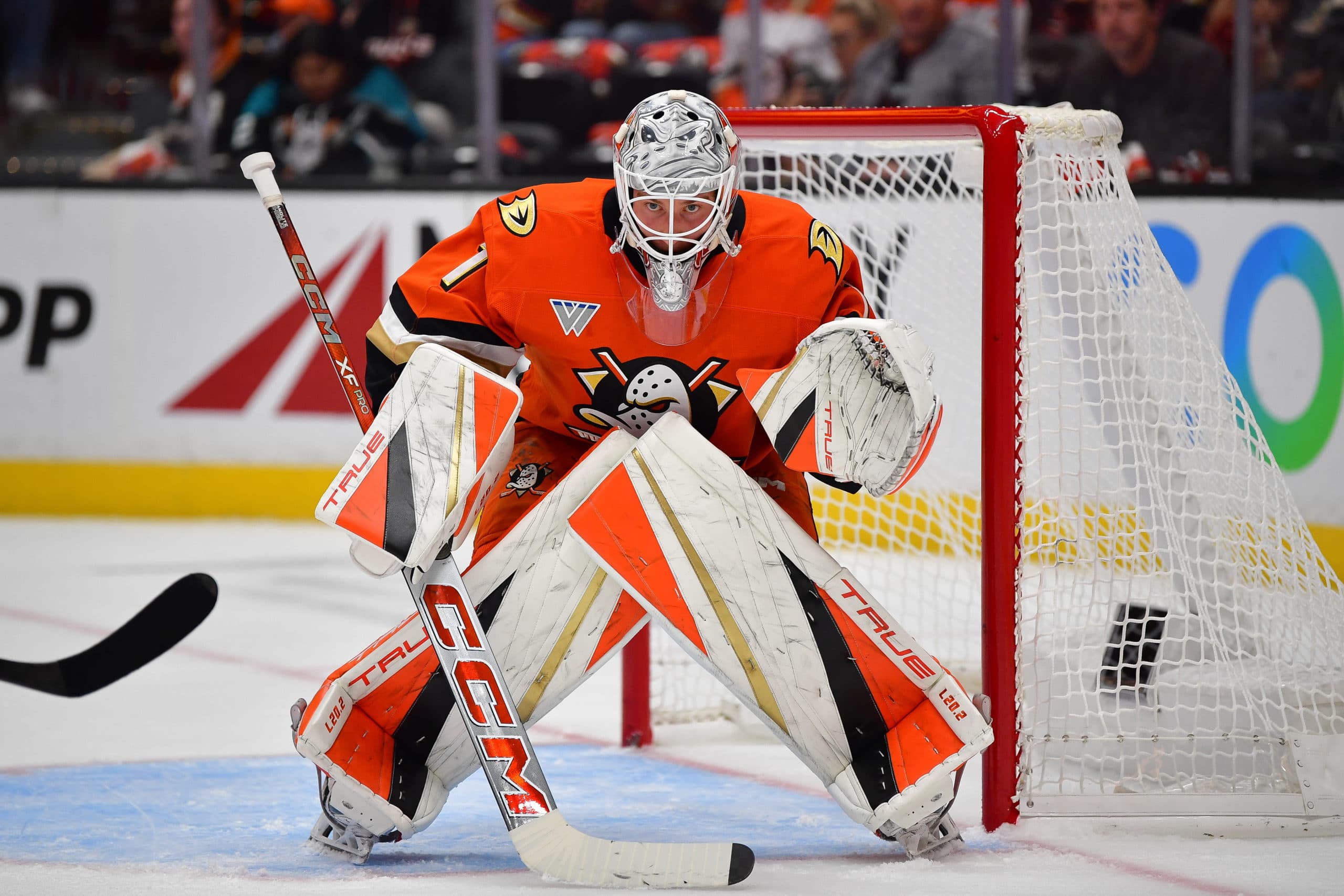
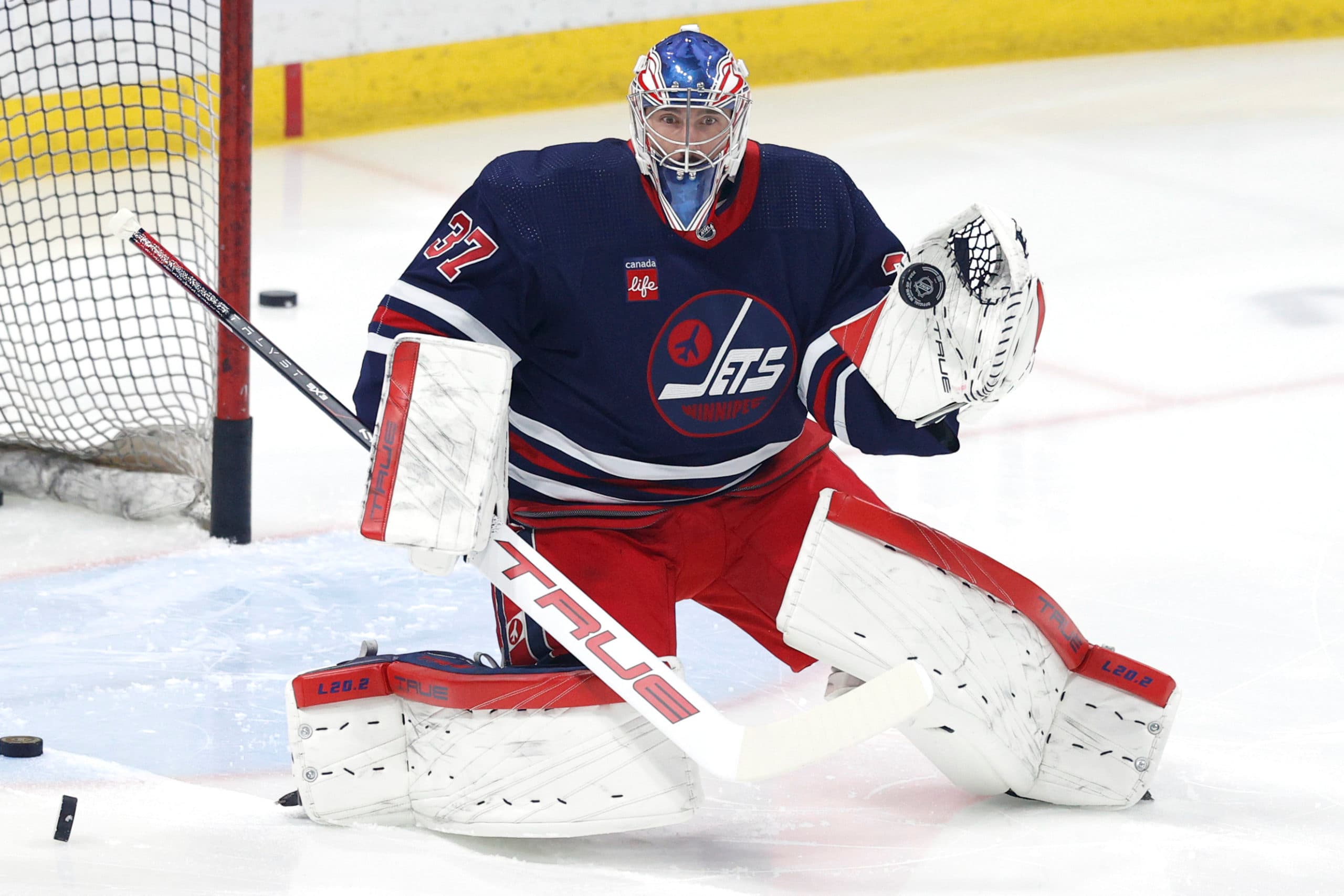
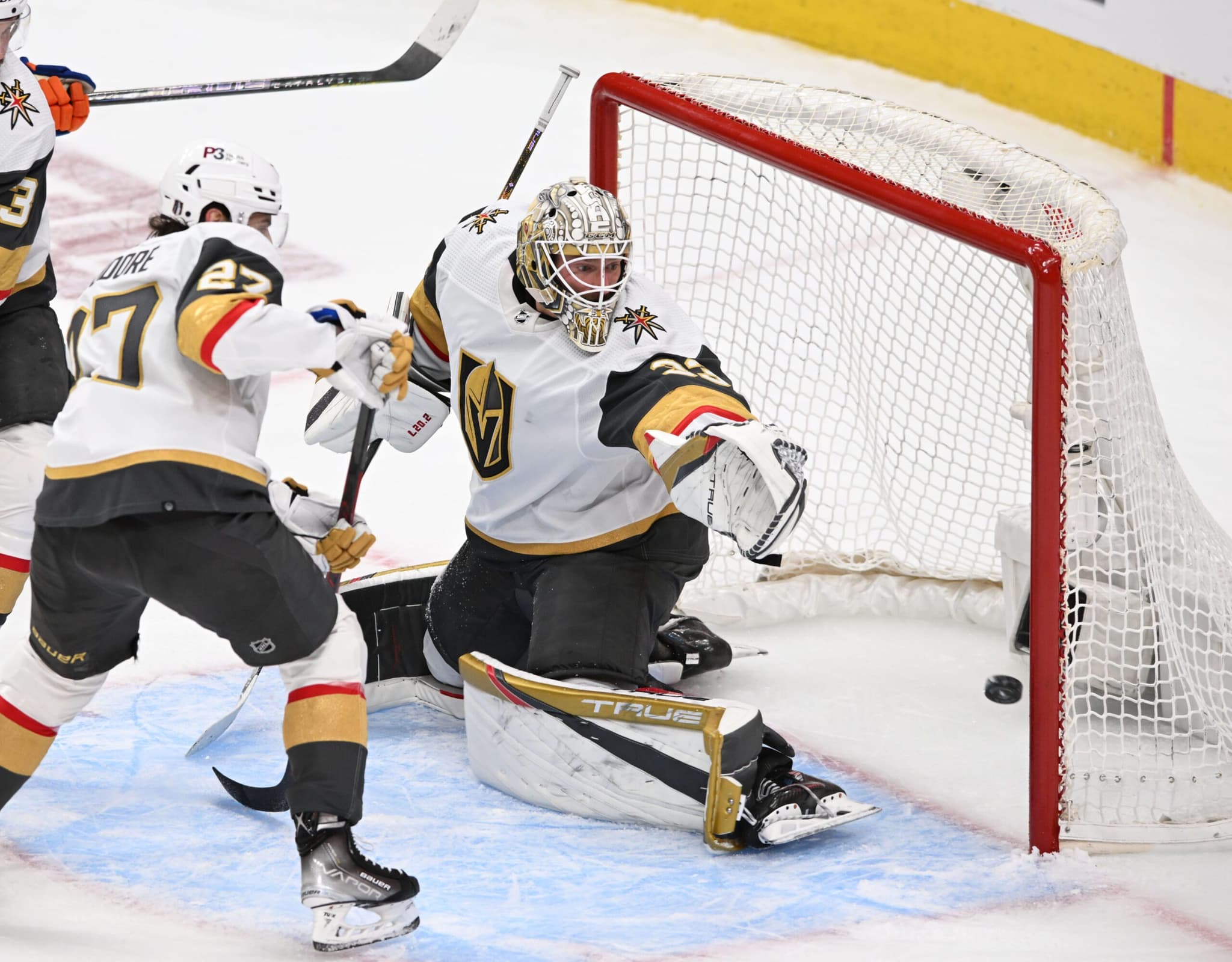
Securing a starting goaltender role requires a combination of elite technical proficiency, psychological consistency, tactical understanding, and trust from the coaching staff. Whether transitioning from a backup position or stepping into a new competitive tier, winning the starting job demands demonstrable reliability, a mastery of modern crease positioning, and the ability to manage the mental burdens of high-stakes play.
Understanding the Role of the Starting Goaltender
The starting goaltender is the backbone of any competitive ice hockey team. Unlike skaters who rotate through regular shifts, the starting goaltender often plays a heavy volume of minutes, absorbing the physical and mental toll of high-speed play. To understand what it means to be a goalie starting regularly, one must look beyond save percentages and examine how a primary netminder stabilizes a bench, dictates defensive structure, and manages game tempo.
Coaches rely on a starting goaltender to provide predictability. A predictable goaltender controls rebounds, communicates clearly with defensemen, and minimizes chaotic scrambles around the crease. When a team knows their goaltender handles routine shots cleanly and reads cross-ice plays effectively, skaters can play with greater confidence, forecheck more aggressively, and commit to defensive systems without hesitation.
Furthermore, the modern starting goaltender operates as a primary distributor of the puck. Beyond stopping pucks, stopping play or initiating breakouts behind the net transforms defense into immediate offense. Mastering stickhandling, understanding forecheck pressure, and executing crisp zone exits separate an adequate netminder from a true elite starter.
Prerequisites and Physical Preparation for a Starter's Workload
Transitioning from a part-time or backup role into a starting goaltender requires rigorous physical preparation designed to withstand fatigue. Playing sixty minutes multiple times a week places immense stress on the hips, groin, knees, and core.
Conditioning and Endurance
A starting goalie must maintain exceptional cardiovascular and muscular endurance. Fatigue leads to breakdown in form—hips drop lower, pushes lose their explosiveness, and tracking eyes fall behind the play. Training regimens for starters typically prioritize high-intensity interval training (HIIT) to mimic the explosive bursts and short recoveries characteristic of hockey play.
Mobility and Injury Prevention
The butterfly style places extraordinary demands on the lower body. Goaltenders must dedicate significant time to hip mobility, internal rotation, and groin flexibility. Common injuries, such as labral tears and groin strains, can derail a season, making preventative physical therapy and targeted strength work non-negotiable prerequisites for anyone holding down the starting job.
Equipment Customization and Maintenance
A starting goalie relies heavily on specialized gear tailored to their specific style—whether hybrid, blocking, or a modern hybrid-butterfly blend. Pads, blockers, catch gloves, and chest protectors must offer maximum protection without sacrificing mobility. Because starters play heavy minutes, equipment breaks down faster; maintaining gear integrity and having broken-in backups ready is part of the professional preparation required of a starter.
Technical Foundations: Crease Mastery and Puck Tracking
To maintain the starting job, a goaltender must execute core technical fundamentals with unwavering consistency. Technical flaws that remain hidden in practice become glaring vulnerabilities under game pressure.
Depth Management and Angle Play
Understanding how to challenge shooters while maintaining the ability to recover on lateral plays is vital. Starters master the art of shrinking the net by stepping out to meet the puck, reducing the shooter's visible target. However, they also recognize when to depth-manage—retreating to the goal line or playing slightly deeper on odd-man rushes to buy time for tracking cross-ice passes.
Tracking and Visual Control
The best starting goaltenders track the puck directly from the stick of the shooter into their glove, blocker, or chest. This skill, known as visual control, prevents unnecessary rebounds and keeps the goaltender square to the shooter. Elite starters minimize head movement, keeping their eyes level and focused through traffic, screens, and rapid passing sequences.
Rebound Control
Giving up juicy rebounds is the fastest way to lose a starting job. Starters direct pucks into safe areas—corners, deep into the netting, or swallowing them entirely into the glove or midsection. Active stick work, deflection redirection, and rebound placement separate starters from backups who rely solely on scrambling athletic saves.
| Goalie Skill Component | Backup Focus | Starting Goaltender Requirement |
|---|---|---|
| Puck Tracking | Following the general play and reacting to primary shots | Tracking through screens, anticipating backdoor threats |
| Rebound Control | Making initial saves; clearing rebounds to open ice | Directing pucks to low-risk corners or freezing play |
| Puck Handling | Making safe, short clears off the glass | Initiating breakouts, communicating with defensemen behind the net |
| Consistency | Strong flashes mixed with inconsistent positioning | Flawless execution of fundamentals over a heavy game schedule |
The Mental Game: Earning and Keeping the Coach's Trust
Physical skill gets a goaltender noticed, but mental fortitude and trust keep them in the starting crease. Hockey is a game of mistakes, and goals against are inevitable. How a goaltender responds to adversity dictates their longevity as a starter.
Short-Term Memory and Resilience
The most critical psychological trait for a starting goaltender is a short memory. Allowing a soft goal early in the first period cannot dictate performance in the second and third periods. Starters practice strict mental resets, wiping away mistakes immediately to stay focused on the next shot.
Communication and Leadership
A starting goaltender acts as the eyes and ears of the defense. Loud, concise communication—calling out screens, pointing out weak-side attackers, and directing traffic behind the net—prevents breakdowns before they happen. Coaches value goaltenders who elevate the play of everyone around them through vocal leadership.
Handling the Pressure of the Depth Chart
Competition within an organization is fierce. Whether battling a veteran for the top spot or holding off a hungry backup, a starting goalie must manage the psychological pressure of knowing every sub-par performance opens the door for a replacement. Maintaining a calm, professional demeanor during winning and losing streaks establishes stability in the locker room.
Common Mistakes Made When Transitioning to a Starter Role
Goalies aspiring to take the next step often fall into specific behavioral and technical traps that undermine their bid for the starting job. Recognizing these pitfalls helps athletes correct course before losing the confidence of their coaching staff.
- Over-playing the Puck: Trying to handle the puck too much outside the trapezoid or attempting high-risk passes can lead disastrous turnovers. Starters know when to play the puck and when to freeze it.
- Chasing the Play: Struggling with patience and diving out of position on dekes or lateral passes. Maintaining a structured butterfly and allowing the play to come to the goalie is far more effective than aggressive gambling.
- Mental Fatigue Accumulation: Allowing a bad game to bleed into practice performance, leading to a downward spiral of lost confidence and poor habits.
- Neglecting Rest: Overtraining during heavy game weeks instead of prioritizing recovery, sleep, and tactical film study.
Frequently Asked Questions About Goalie Starting
How do coaches decide who gets the starting job?
Coaches evaluate goaltenders based on a combination of game performance, rebound control, practice habits, consistency, and how well the team plays in front of them. Statistical metrics like save percentage and goals-against average matter, but situational awareness and trust are equally weighted.
What should a goalie do after losing the starting job?
Regaining a starting role requires self-reflection, working closely with the goaltending coach on technical flaws, and dominating practice opportunities. Showing professionalism, supporting the current starter, and maintaining high morale demonstrate the maturity coaches look for in a leader.
How many games can a modern starting goaltender play in a season?
Depending on the level of competition—youth, collegiate, or professional—workloads vary significantly. In elite professional leagues, a primary starter may play anywhere from 50 to 65 games, whereas developmental leagues focus more on balanced rotation to ensure proper rest and training time.
How do goalies manage pre-game anxiety before starting?
Most starters establish strict, repeatable pre-game routines. These routines typically include visualization exercises, dynamic warm-ups, hand-eye coordination drills, and quiet mental preparation to channel nervous energy into focused intensity.
Is puck-handling mandatory for a starting goaltender?
While shot-stopping remains the primary responsibility, modern hockey requires at least competent puck-handling. Starters who can cleanly stop rims and break up dump-ins alleviate immense pressure from their defensemen, making them significantly more valuable to a coaching staff.
Next Actions for Aspiring Starting Goaltenders
Securing and maintaining the starting goaltender position requires a deliberate, step-by-step approach. Athletes should immediately review their game video to identify recurring technical weaknesses in depth management and rebound control. Next, collaborate closely with coaching staff to establish clear performance benchmarks, prioritize lower-body mobility and injury prevention in the gym, and cultivate the vocal leadership necessary to anchor the defense. By treating the position with professional preparation and relentless consistency, goaltenders can win the crease and build long-term success.