When a violent or suspicious incident occurs, the preservation and processing of a real crime scene dictate whether justice can be successfully served. The year 2026 has introduced advanced forensic technologies, stricter chain-of-custody protocols, and automated evidence-tracking systems, yet the foundational principles of crime scene investigation remain rooted in meticulous observation and scientific rigor. Understanding how law enforcement agencies and forensic specialists analyze a real crime scene requires a look past the dramatized versions seen on television to examine the actual methodologies, protocols, and legal boundaries governing modern investigations.
Defining a Real Crime Scene: Types and Classifications
A real crime scene is any physical location where a crime has occurred or where evidence related to a crime is suspected to be present. Unlike the isolated rooms often depicted in media, scenes can span multiple locations, shift dynamically over time, and present extreme environmental hazards. Forensic investigators classify these environments based on their origin, location, and condition to determine the appropriate initial response strategy.
- Primary vs. Secondary Scenes: The primary crime scene is the location where the initial or most significant criminal act took place. Secondary scenes refer to any subsequent locations where physical evidence related to the same crime is recovered, such as a vehicle used for flight or a secondary dump site.
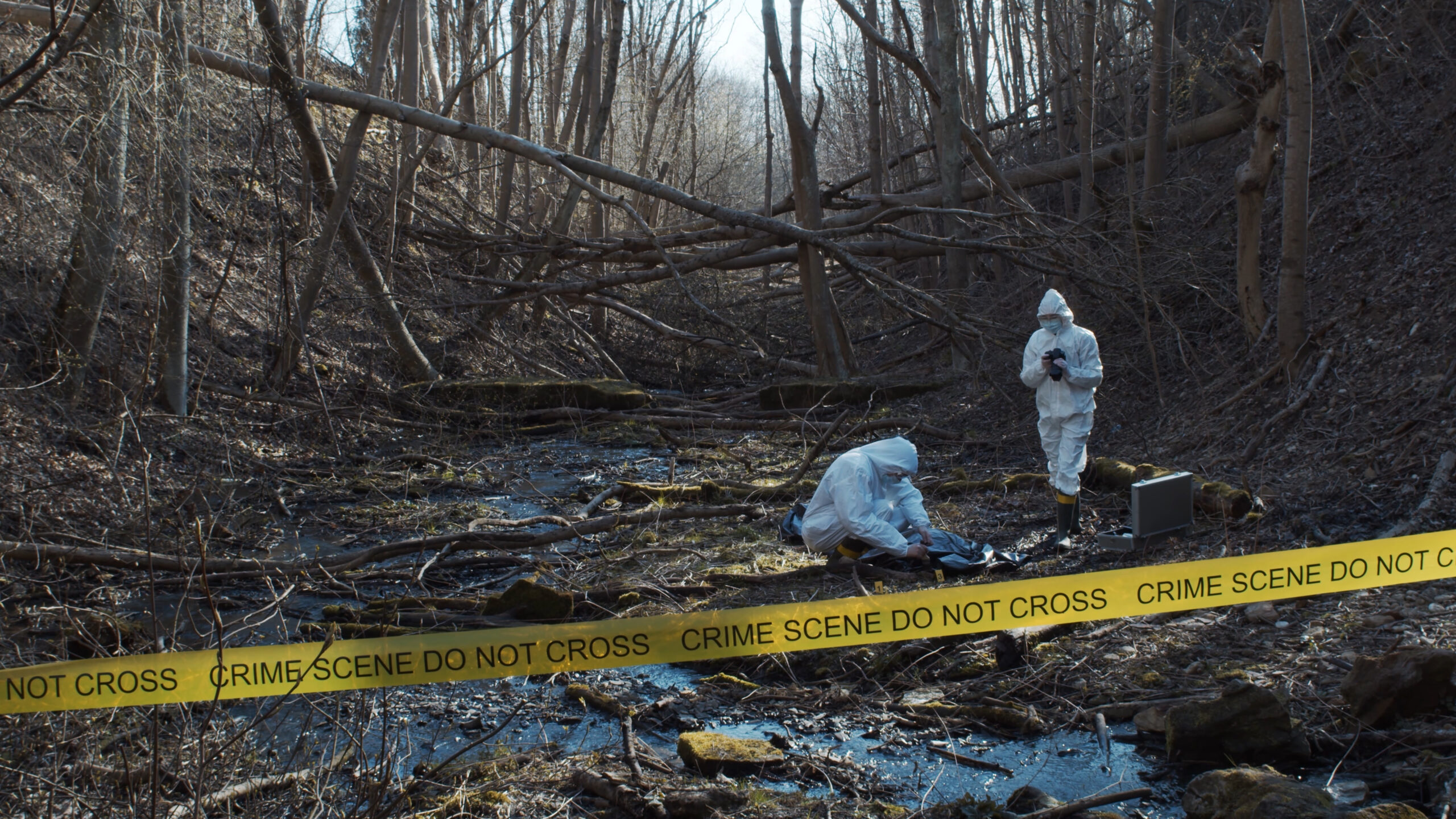
- Indoor vs. Outdoor Scenes: Indoor scenes are generally protected from weather elements, allowing for easier containment and preservation of fragile trace evidence. Outdoor scenes are highly vulnerable to environmental degradation, requiring rapid deployment of weather-resistant containment barriers.
- Active vs. Passive States: An active scene involves ongoing threats or unfolding situations requiring immediate tactical intervention, whereas a passive scene is secured, stabilized, and ready for systematic forensic documentation.
Operational Reality of Scene Scale The sheer size of a modern investigation often requires establishing a tiered perimeter. Level 1 restricts access solely to essential forensic personnel and lead investigators, while Level 2 accommodates staging areas for command staff, medical examiners, and technical specialists.
The Standard Operating Procedures for Forensic Processing
Securing and processing a real crime scene follows a strict chronological order to minimize contamination, destruction, or loss of probative evidence. In 2026, digital logging tools and body-worn sensor networks assist agencies in maintaining absolute accountability from the moment the first responding officer arrives.
- Initial Response and Life Safety: The primary objective of the first responder is rendering aid to the injured, neutralizing active threats, and detaining suspects. Preserving human life always supersedes evidence preservation.
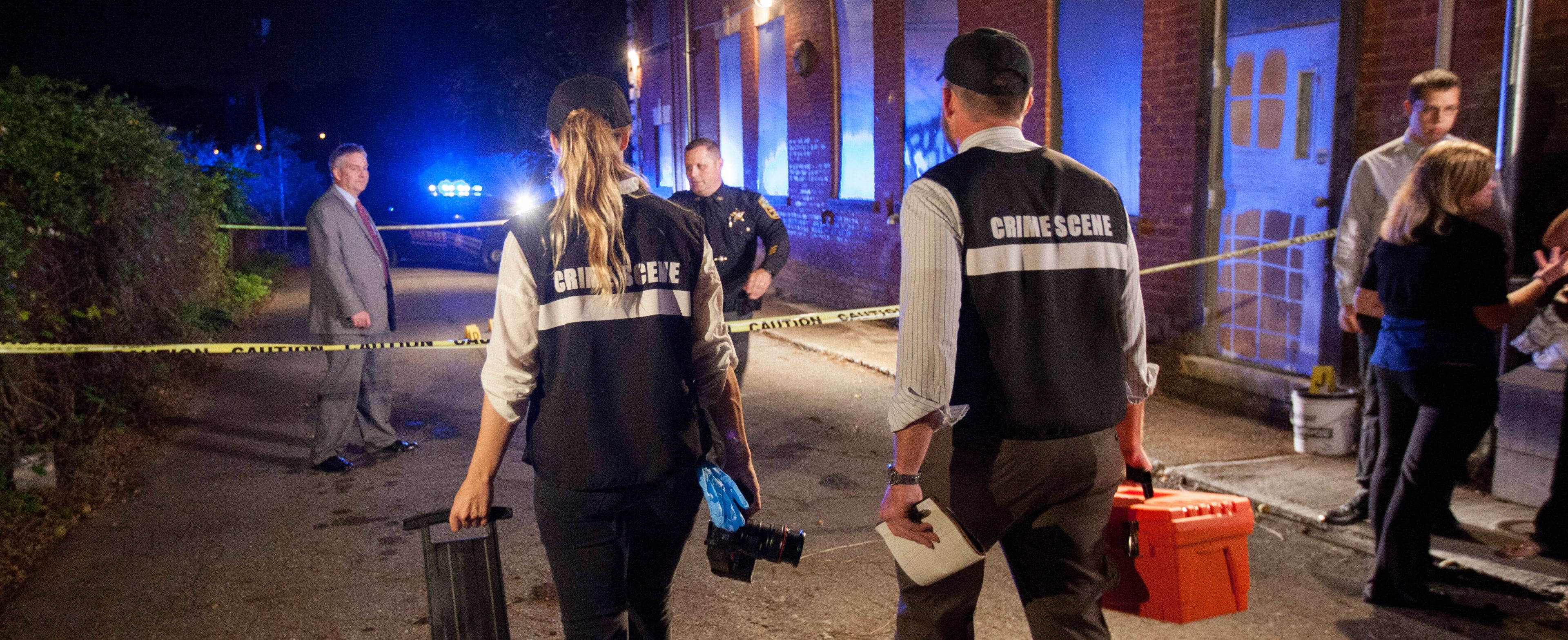
- Securing and Isolating the Area: Officers establish wide perimeters using specialized barrier tape. A single entry and exit log is strictly maintained to document every individual who crosses the threshold of the scene.
- Preliminary Walk-Through and Assessment: The lead investigator and forensic lead conduct a slow, methodical walk-through along a designated narrow path to evaluate the scope of the scene, identify potential hazards, and formulate a collection strategy.
- Comprehensive Documentation: Investigators capture high-resolution panoramic photography, videography, and laser-scanned 3D measurements before any physical item is disturbed or collected.
- Evidence Collection and Packaging: Technicians use specialized tools to lift latent prints, swab biological materials, and package physical items in breathable or rigid containers depending on their chemical and biological nature.
Modern Technological Advancements in Crime Scene Analysis
Forensic science has evolved significantly, integrating digital tools that enhance accuracy and reduce human error during evidence processing. The integration of artificial intelligence and portable spectrometry allows field teams to gather actionable data before items ever reach a traditional crime laboratory.
| Technology Component | Primary Operational Function | 2026 Industry Standard Application |
|---|---|---|
| Terrestrial Laser Scanning | Creates millimeter-accurate 3D point clouds of entire rooms or large outdoor environments. | Mandatory for fatal traffic collisions and complex homicide scenes to reconstruct bullet trajectories. |
| Rapid DNA Testing | Analyzes biological samples on-site within minutes rather than weeks. | Utilized for urgent suspect identification and validating immediate public safety leads. |
| Alternative Light Sources (ALS) | Employs specific UV and infrared wavelengths to detect latent body fluids and fibers. | Standardized handheld equipment used by all frontline mobile forensic units. |
| Blockchain Chain-of-Custody | Digitally timestamps and tracks evidence transfers immutably. | Replaces legacy paper logs to eliminate claims of evidence tampering in court. |
Comparative Analysis: Real-World Investigation vs. Media Portrayals
Public perception of crime scene investigation is heavily shaped by fictional television dramas, leading to common misconceptions regarding turnaround times, conclusive evidence yields, and procedural behaviors. The table below outlines the stark differences between cinematic fiction and operational reality.
| Operational Element | Fictional Media Portrayal | Real-World Investigation Standard |
|---|---|---|
| Processing Speed | Complex DNA and fingerprint matches completed within a single 60-minute episode. | Laboratory analysis typically takes weeks to months due to mandatory verification backlogs. |
| Personnel Roles | A single charismatic detective collects evidence, runs lab tests, and interrogates suspects. | Highly specialized, compartmentalized teams separate evidence technicians, detectives, and medical examiners. |
| Contamination Risks | Investigators frequently enter scenes without personal protective equipment or touch items barehanded. | Strict universal precautions, full Tyvek suits, double gloving, and booties are mandatory to prevent cross-contamination. |
| Technology Availability | Magic software programs instantly enhance blurry security footage into crystal-clear 4K images. | Physical limitations apply; enhancement is bound by mathematical pixel limits and optical physics. |
Common Challenges Faced by Crime Scene Investigators
Even with advanced protocols, investigators encounter persistent logistical and environmental hurdles that can jeopardize an entire case. Mitigating these challenges requires continuous training and strict adherence to established quality assurance standards.
- Environmental Degradation: Rain, extreme heat, and wind can destroy biological evidence, footprints, and trace fibers within hours if proper temporary shelters are not deployed immediately.
- Scene Contamination: Unauthorized entry by emergency medical personnel, curious bystanders, or inadequately briefed law enforcement officers frequently introduces foreign DNA or alters bloodstain patterns.
- Cognitive Bias: Investigators must actively guard against tunnel vision, ensuring they collect exculpatory evidence just as rigorously as evidence supporting a primary working theory.
- Chain-of-Custody Breaches: Failure to properly label, seal, or document the transfer of a single item of evidence can render it entirely inadmissible in a court of law under modern evidentiary rules.
Frequently Asked Questions About Crime Scene Investigation
Who has the legal authority to enter a real crime scene?
Only authorized law enforcement personnel, designated forensic specialists, and medical examiners possessing direct jurisdictional clearance are permitted inside a secured crime scene. Unauthorized entry is a criminal offense that compromises the entire judicial process.
How do investigators prevent DNA contamination while processing a scene?
Investigators wear full personal protective equipment, including sterile Tyvek suits, face masks, hairnets, and double-layered gloves that are changed frequently between handling different pieces of evidence.
What happens to a crime scene after investigators finish their work?
Once all evidence is documented and collected, the legal jurisdiction over the property is formally released back to the property owners, managers, or municipal authorities, though specialized biohazard remediation is often required before re-occupation.
Are all crime scenes processed with the same level of priority?
No, law enforcement agencies allocate resources based on the severity of the offense, prioritizing violent crimes against persons, homicides, and active public safety threats over property crimes.
Can weather conditions completely destroy forensic evidence?
While severe weather degrades evidence, modern forensic techniques can often recover trace biological residues, latent impressions, and chemical signatures buried beneath surface disruptions or washed into soil matrices.
How is digital evidence handled differently from physical evidence at a scene?
Digital evidence requires specialized Faraday bags to block wireless signals, preventing remote data wiping or encryption before trained cyber-forensic units can safely extract storage media.
Securing Professional Forensic and Investigative Support
Navigating the aftermath of a critical incident or ensuring compliance with modern evidentiary standards requires certified expertise and rigorous adherence to legal frameworks. Whether your organization requires specialized forensic consulting, site security protocols, or administrative review of investigative procedures, engaging qualified professionals ensures absolute integrity from initial response to courtroom presentation. Contact accredited forensic specialists today to evaluate your operational readiness and establish robust investigative workflows.