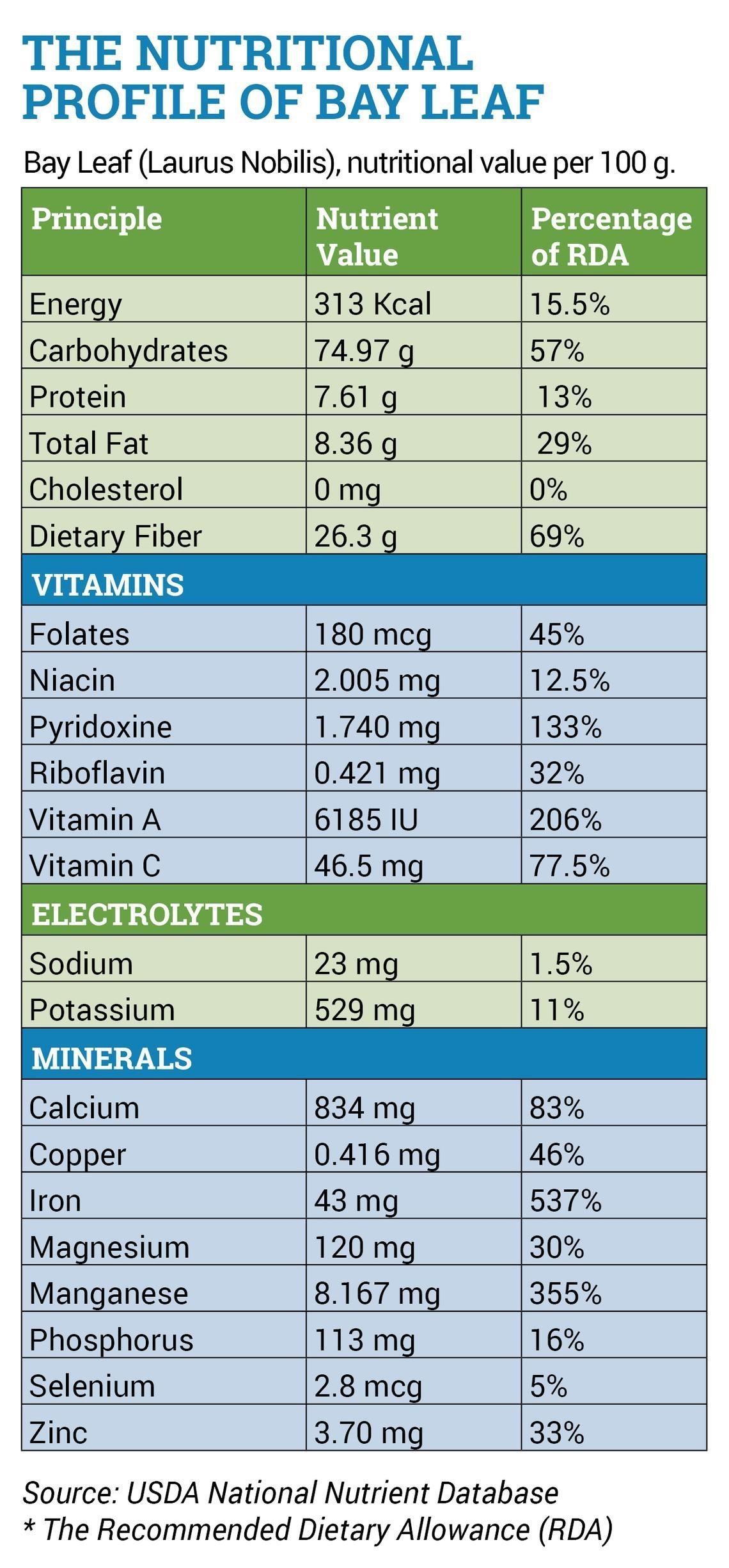
Bay leaves, derived primarily from the aromatic evergreen tree Laurus nobilis, have transitioned from ancient Mediterranean symbolism to modern culinary staples and wellness fixtures. As consumer focus shifts toward functional nutrition and natural remedies, understanding the biochemical properties and practical applications of bay leaves requires a nuanced, evidence-based approach.
Botanical Profile and Biochemical Composition of Bay Leaves
To understand why bay leaves offer distinct benefits, one must examine their phytochemical constituents. The leaves are rich in essential oils, flavonoids, alkaloids, and sesquiterpene lactones. Steam distillation of bay leaves yields essential oils primarily composed of eugenol, myrcene, linalool, and 1,8-cineole.
These bioactive compounds contribute to the characteristic aroma and flavor profile of the leaf while providing functional properties when consumed or extracted. Unlike many leafy herbs consumed fresh in large quantities, bay leaves are typically utilized dried or simmered, releasing their fat-soluble and water-soluble compounds slowly into dishes or infusions.
Primary Bioactive Compounds
- Eugenol: Known for its antiseptic and local analgesic properties, eugenol is a prominent phenylpropanoid found in bay leaves.
- 1,8-Cineole (Eucalyptol): This compound contributes to the camphorous aroma and assists in respiratory comfort by acting as a natural decongestant.
- Linalool: A naturally occurring terpene alcohol recognized for its calming, anxiolytic-like aromatic profiles.
- Sesquiterpene Lactones: These compounds provide antioxidant activity and support cellular health by neutralizing free radicals.
Metabolic and Digestive Benefits
In culinary traditions worldwide, bay leaves are frequently added to heavy bean, meat, and grain dishes. This is not merely for flavor; historical culinary wisdom aligns with modern biochemical understanding regarding digestive health.
Bay leaves stimulate the gastrointestinal tract and promote the secretion of digestive enzymes. The organic compounds present in the leaves can help soothe irritable stomachs, alleviate flatulence, and reduce bloating. Furthermore, preliminary clinical observations suggest that regular inclusion of bay leaves in diets may assist in maintaining healthy blood glucose levels and lipid profiles in individuals managing metabolic syndrome.
| Parameter | Traditional Belief | Modern Scientific Consensus |
|---|---|---|
| Blood Sugar Management | Cures metabolic disorders completely. | May improve insulin receptor sensitivity and support glucose metabolism as part of an overall balanced diet. |
| Digestion | Eliminates all gastrointestinal ailments instantly. | Stimulates digestive enzyme secretion and reduces gas formation and mild bloating. |
| Inflammation | Heals chronic systemic diseases overnight. | Contains modest antioxidant and anti-inflammatory compounds that help combat oxidative stress. |
| Respiratory Support | Replaces pharmaceutical inhalers. | Aromatic vapors can ease mild nasal congestion and soothe upper respiratory irritation. |
Culinary Applications and Optimal Extraction Methods
Maximizing the benefit of bay leaf in daily cooking requires proper culinary technique. Because raw, dried bay leaves possess a tough, leathery texture and sharp edges that present a choking hazard, they are rarely consumed whole. Instead, they act as a slow-release flavoring agent.
Best Practices for Culinary Integration
- Add Early in the Cooking Process: Simmering bay leaves in soups, stews, and braises for at least 20 to 30 minutes allows the heat-stable essential oils to disperse thoroughly throughout the liquid base.
- Crush Slightly Before Use: Gently bending or cracking the dried leaf right before dropping it into a pot ruptures the internal oil glands, accelerating the release of aromatic compounds.
- Pair with Lipids: Because many flavor and health-promoting compounds in bay leaves are fat-soluble, cooking them in dishes containing healthy oils, butter, or animal fats enhances both flavor extraction and bioavailability.
- Remove Before Serving: Always retrieve and discard the whole leaves prior to plating to prevent accidental ingestion.
Comparative Analysis: Turkish vs. Indian Bay Leaves
Consumers often encounter two distinct varieties of bay leaves in global markets, and confusing them can drastically alter a recipe's flavor profile.
- Turkish Bay Leaf (Laurus nobilis): Oval-shaped, muted in flavor, and sweet with herbal undertones. This is the standard culinary bay leaf used in Mediterranean and Western cooking. It features a balanced, mild bitterness that complements stocks and sauces without overpowering them.
- Indian Bay Leaf (Cinnamomum tamala), also known as Tejpat: Elongated with three distinct veins running the length of the leaf. It belongs to the cinnamon genus and possesses a strong, cinnamon-like, clove-forward aroma. It is heavily utilized in South Asian curry preparations and biryanis.
Potential Risks, Contraindications, and Safety Guidelines
While bay leaves are safe for culinary consumption, certain precautions apply when utilizing concentrated extracts, essential oils, or high quantities of the herb.
- Choking and Intestinal Obstruction Hazard: Whole or fragmented dried bay leaves retain their rigid structure even after cooking and can cause internal lacerations or blockages if swallowed.
- Allergic Reactions: Individuals with sensitivities to members of the Lauraceae family may experience contact dermatitis or allergic rhinitis when handling fresh leaves or concentrated essential oils.
- Pregnancy and Lactation: Excessive medicinal intake of bay leaves should be avoided during pregnancy due to a lack of comprehensive safety data regarding uterine stimulation.
- Surgical Interventions: Because bay leaves may influence blood glucose levels and central nervous system activity, discontinue high-dose herbal preparations at least two weeks prior to scheduled elective surgeries.
Frequently Asked Questions
What is the primary health benefit of consuming bay leaves?
Bay leaves primarily support digestive health by stimulating enzyme production, while their antioxidant compounds help reduce oxidative stress in the body. They are typically consumed via infused broths, teas, or meals rather than eaten directly.
Can bay leaves cure diabetes?
No, bay leaves cannot cure diabetes. While clinical studies suggest that components in bay leaves may help improve insulin sensitivity and support healthy blood glucose regulation, they should be viewed strictly as a dietary adjunct to professional medical management.
Is it dangerous to swallow a whole bay leaf?
Swallowing a whole bay leaf can be dangerous because the rigid, sharp-edged leaf does not digest easily and poses a serious choking or intestinal perforation risk. Always remove whole leaves from food before serving.
How should dried bay leaves be stored to maximize freshness?
Dried bay leaves should be kept in an airtight container away from direct sunlight, heat, and moisture. Properly stored whole leaves retain their aromatic potency for up to twelve months.
Are all bay leaves safe to cook with?
Most culinary bay leaves sold in standard grocery stores (Laurus nobilis or Cinnamomum tamala) are safe for cooking. However, certain ornamental plants that resemble bay laurels—such as the cherry laurel (Prunus laurocerasus)—are toxic and should never be used in food preparation.
Conclusion and Expert Recommendations
Incorporating bay leaves into your culinary repertoire offers a wonderful bridge between exceptional flavor enhancement and functional wellness support. By selecting the correct variety for your specific recipe, handling them safely, and integrating them thoughtfully into nutrient-dense meals, you can fully capture the multifaceted benefits of this timeless botanical. For individuals looking to utilize bay leaf extracts for targeted therapeutic goals, consultation with a qualified clinical nutritionist or physician is strongly recommended to ensure safety and compatibility with existing health regimens.