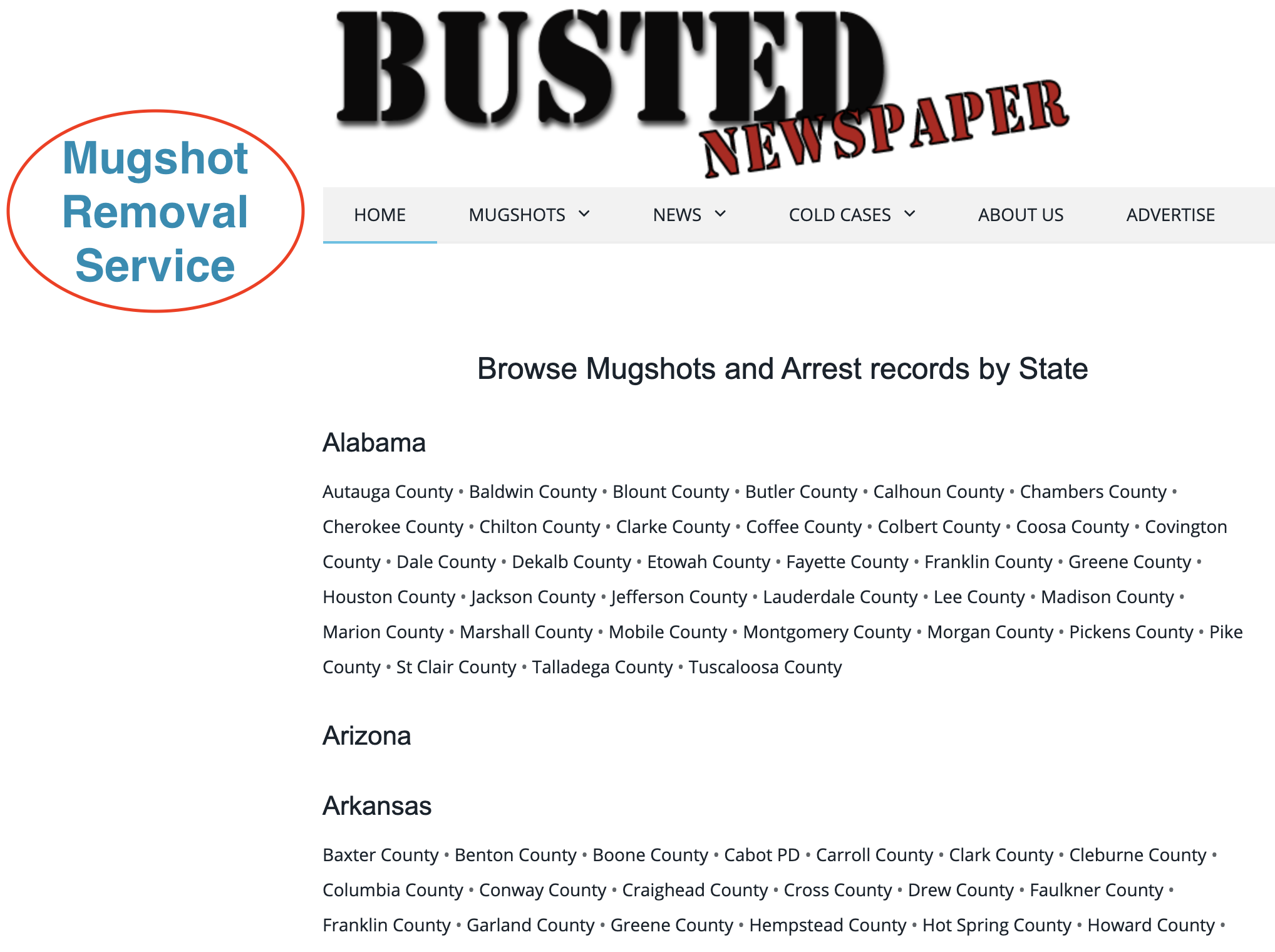
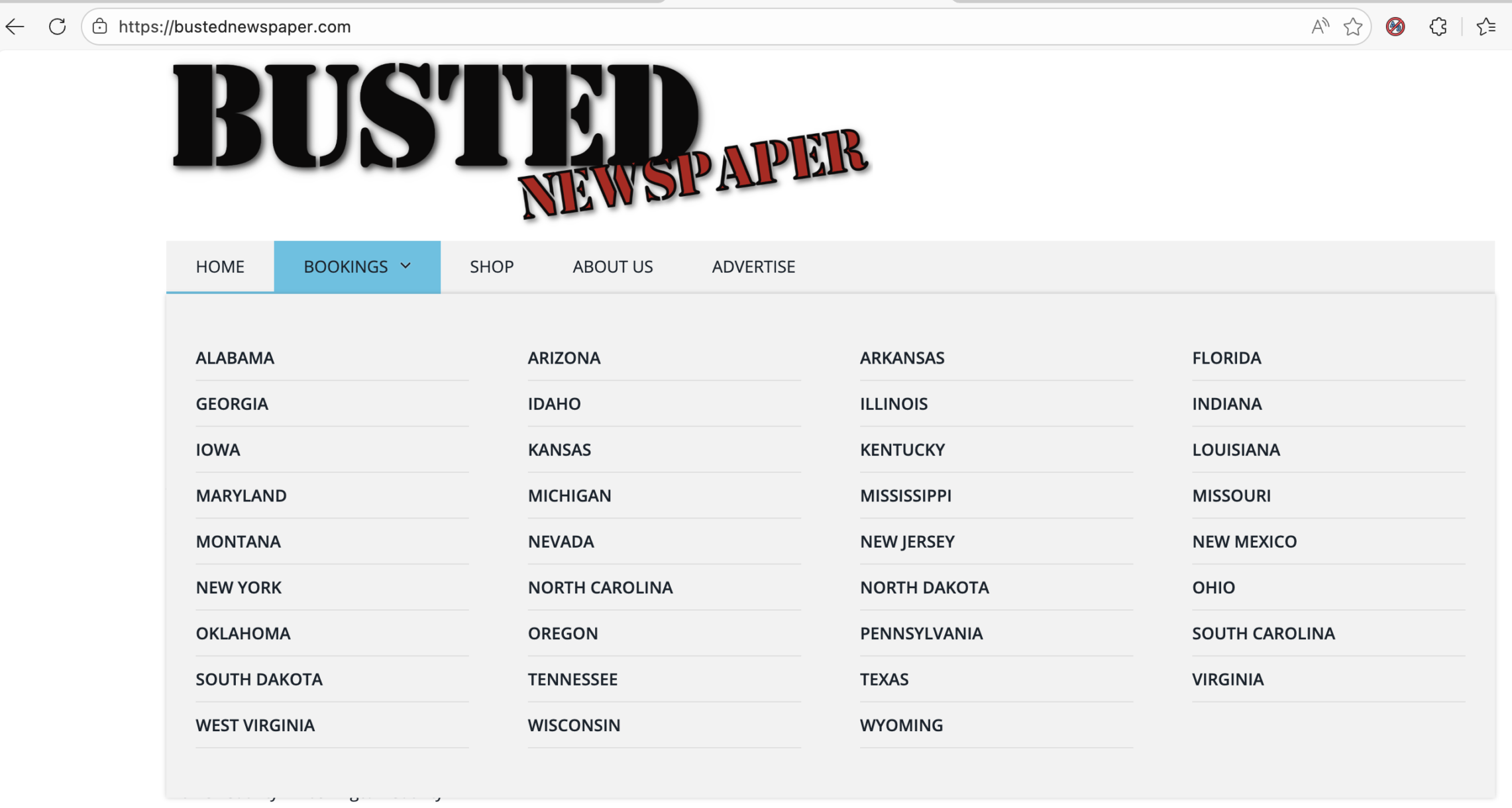
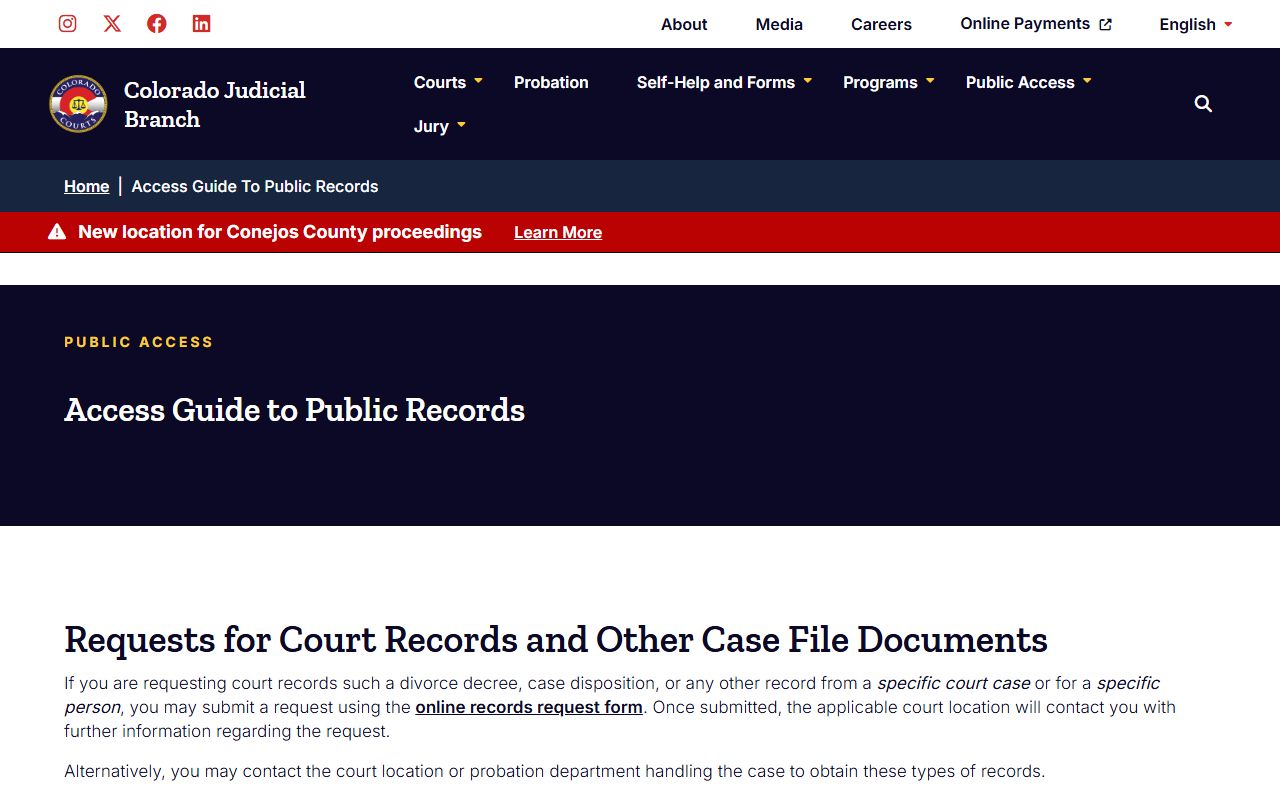
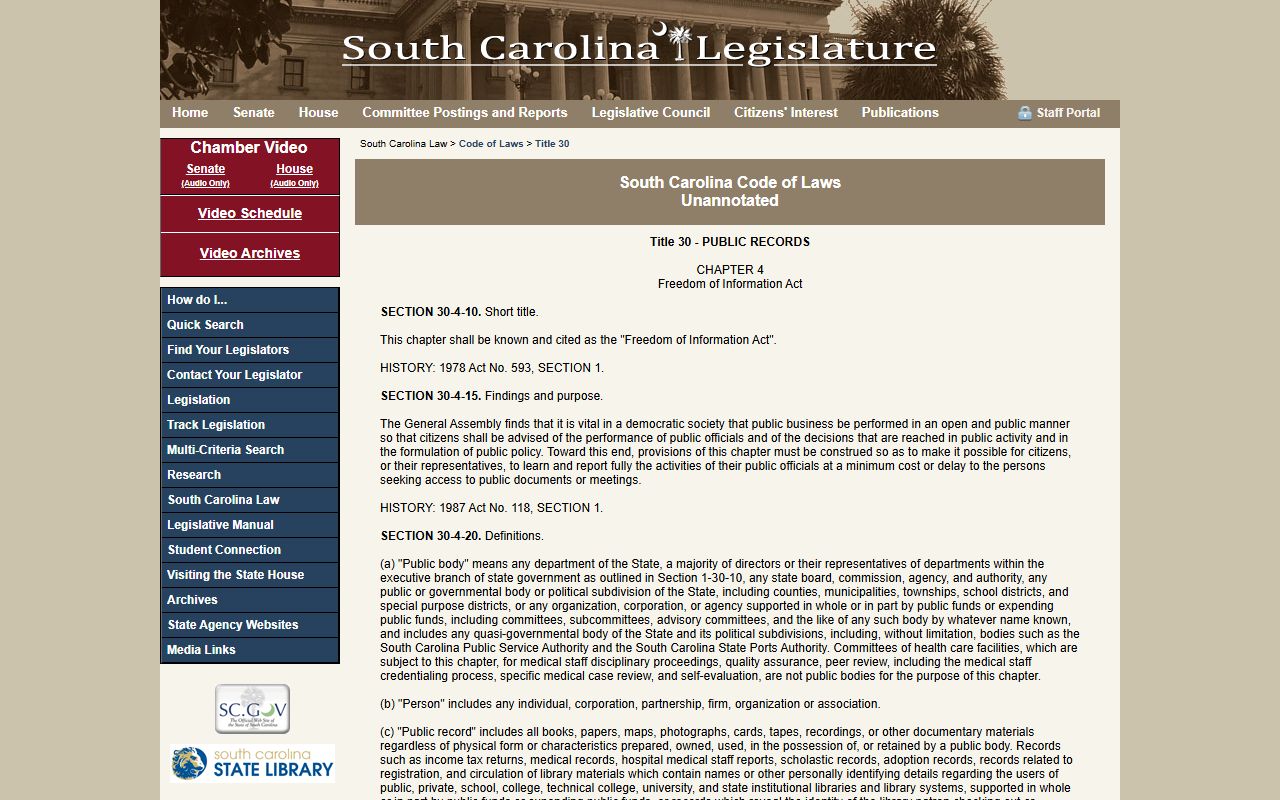
The intersection of public records, local journalism, and digital permanence has created a complex ecosystem around arrest documentation. When individuals search for terms like busted newspaper mugshots, they are typically looking for local booking photographs, arrest logs, and details regarding recent criminal charges published by regional news outlets or specialized publication sites. Understanding how these records are generated, distributed, and regulated requires a clear view of First Amendment protections, state public records laws, and the evolving digital landscape of 2026.
The Mechanics of Public Arrest Logs and Booking Photos
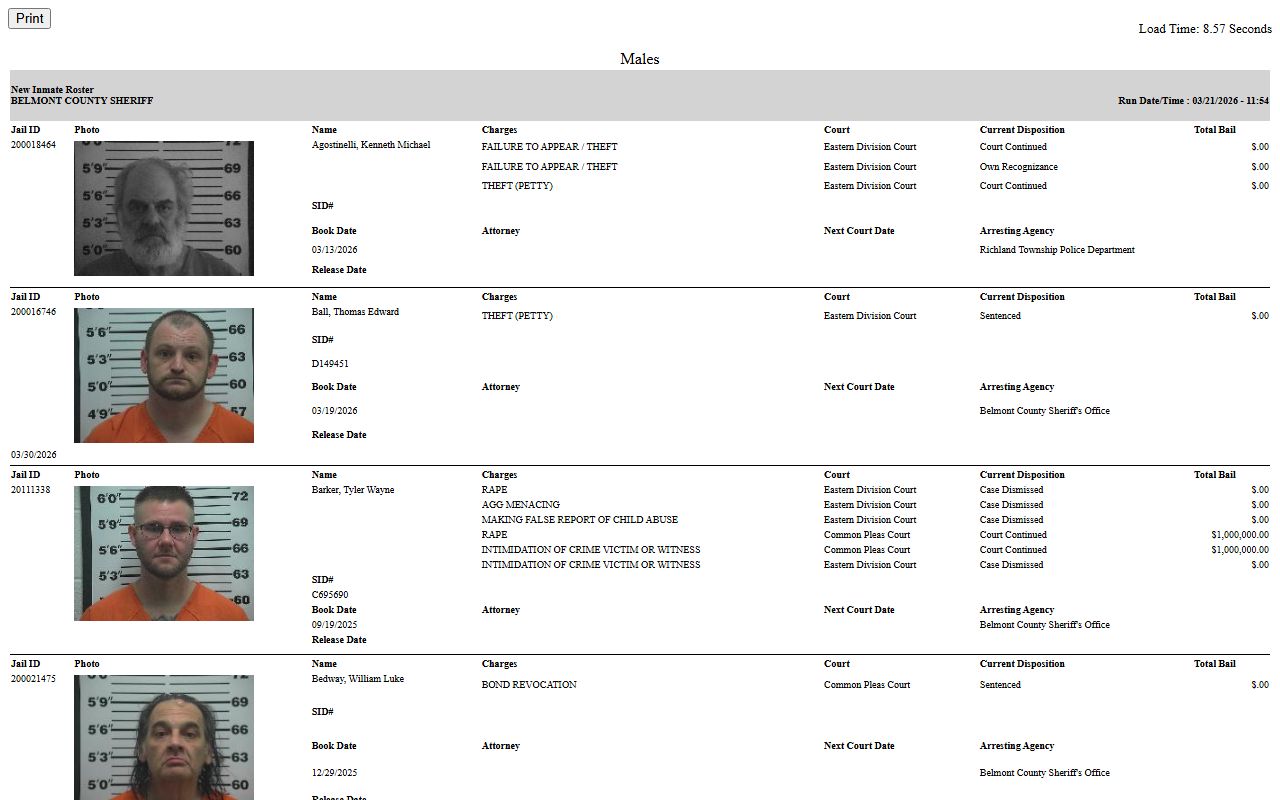
Arrest records and mugshots are classified as public records in the vast majority of jurisdictions. When local law enforcement agencies book an individual into a county jail or municipal holding facility, the intake process captures specific biometric and demographic data, including fingerprints and photographs. Under standard open records statutes, these materials enter the public domain.
Local newspapers, digital-first regional blogs, and dedicated mugshot publication sites routinely ingest these daily logs through automated data scrapers or direct Freedom of Information Act (FOIA) requests. The mechanics of this process involve several distinct steps:
- Intake and Capture: Law enforcement photographs the suspect and logs charges into the Computer Aided Dispatch (CAD) or Records Management System (RMS).
- Public Release: Media outlets and public record aggregators monitor these feeds to update daily crime blotters or arrest galleries.
- Syndication and Indexing: Automated scrapers copy newly published records across multiple third-party domains, amplifying their reach on search engine result pages.
This rapid digital syndication creates severe longevity issues for individuals whose cases are eventually dismissed, expunged, or result in a verdict of not guilty. Because the internet rarely forgets, a temporary arrest record can permanently dominate a person's digital footprint.
Legal Frameworks and Compliance Standards Governing Mugshot Publication
The distribution of arrest photographs is heavily contested under a patchwork of state laws and federal constitutional protections. Publishing booking photos generally falls under constitutionally protected free speech regarding matters of public interest. However, states have increasingly pushed back against abusive monetization models associated with mugshot sites.
By 2026, numerous states enforce strict anti-extortion statutes specifically targeting commercial mugshot operators. These laws typically prohibit publishers from charging removal or takedown fees unless the underlying arrest record has been officially expunged or sealed by a court of law.
| Regulatory Dimension | Traditional Media Outlets | Commercial Mugshot Aggregators | Official Law Enforcement Portals |
|---|---|---|---|
| Primary Motivation | News reporting and public accountability | Ad revenue, pay-to-remove schemes | Public safety and statutory compliance |
| Expungement Compliance | Voluntary archiving or article updating | Historically resistant; legally mandated now | Direct removal upon court order |
| Data Accuracy | High editorial verification standards | Variable; often unverified automated scraping | Direct source of truth |
| Monetization Model | Subscriptions and programmatic advertising | Pay-to-delete fees and high-traffic display ads | Tax-funded public service |
Understanding these distinctions helps individuals determine the appropriate avenue for addressing an unwanted digital footprint. While legitimate news organizations maintain journalistic independence and rarely remove factual stories without compelling reasons, commercial aggregators operate under entirely different legal compliance standards.
Evaluating the Pros and Cons of Open Access to Arrest Data
The debate surrounding the accessibility of arrested individuals' photographs and personal details highlights a fundamental conflict between public transparency and personal privacy rights. Analyzing both sides clarifies why these policies remain contentious.
Transparency and Public Safety Benefits Open access to booking logs ensures that law enforcement agencies remain accountable to the communities they serve. Public visibility into arrest trends deters systemic corruption, prevents secret detentions, and alerts local neighborhoods to active public safety threats.
Privacy and Rehabilitation Challenges The unchecked proliferation of arrest photos inflicts permanent collateral damage on individuals who were never convicted. Permanent digital records hinder employment opportunities, disrupt housing applications, and severely undermine rehabilitation efforts by punishing citizens long after legal debts have been settled.
Actionable Steps to Address Unwanted Mugshots Online
If your name or likeness appears on a local news blotter or a mugshot aggregation site, navigating the removal process requires a methodical, step-by-step approach. Adhering to proper protocols maximizes your chances of mitigating online damage.
- Verify Your Legal Status: Obtain official court documentation proving that your case resulted in a dismissal, a not-guilty verdict, or a successful expungement/sealing order.
- Contact the Primary Publisher: Reach out directly to the website owner or managing editor with your official court disposition documents. Many reputable local newspapers maintain explicit policies to update or remove arrest stories when charges are dropped.
- Target Aggregator Sites: Identify every secondary site hosting the record. File formal takedown requests citing state-specific commercial mugshot statutes if the site operates a pay-to-remove extortion model.
- Submit De-indexing Requests to Search Engines: If content violates specific platform policies regarding non-consensual intimate imagery, personal identification exposure, or if you have a legal court order, submit formal removal requests to major search engines like Google and Bing.
- Implement Reputation Management Strategies: Suppress lingering negative links by building positive, authoritative digital properties, such as a professional LinkedIn profile, personal website, or published articles highlighting professional achievements.
Frequently Asked Questions About Arrest Records and Mugshots
Can local newspapers be legally forced to take down a mugshot?
In most cases, no. Legitimate news organizations are protected by the First Amendment to publish truthful information derived from official public records, meaning they are rarely legally mandated to remove an accurate story unless required by specific state-level right-to-be-forgotten statutes.
Do commercial mugshot sites have to remove photos if charges are dropped?
Yes, under modern 2026 regulations, a growing number of states require commercial mugshot websites to remove arrest photos free of charge if the subject provides proof of case dismissal, acquittal, or formal record expungement.
Does getting a record expunged automatically delete it from the internet?
No. While expungement legally seals the official government record, it does not possess magical jurisdiction over private third-party websites that scraped the data prior to the court order, requiring manual outreach to individual site administrators.
How do search engines handle mugshot removal requests?
Major search engines will de-index or remove URLs from search results under specific circumstances, such as when presented with a valid court-ordered expungement, severe personal safety threats, or violations of non-consensual content policies.
Are mugshots considered public domain material everywhere?
While generally accessible under open records laws, a small number of jurisdictions and federal agencies have implemented stricter internal policies limiting the proactive distribution of booking photographs to protect unconvicted citizens from undue reputational harm.
What is the most effective way to bury old arrest records in search results?
The most reliable method is digital suppression through proactive Search Engine Optimization (SEO). Creating and promoting high-authority, positive professional profiles pushes negative or outdated arrest links deeper into search result pages where users rarely look.
For professional assistance with digital footprint cleanup, comprehensive reputation management audits, or guidance on navigating local record publication standards, consult with a qualified online privacy specialist or legal counselor today.