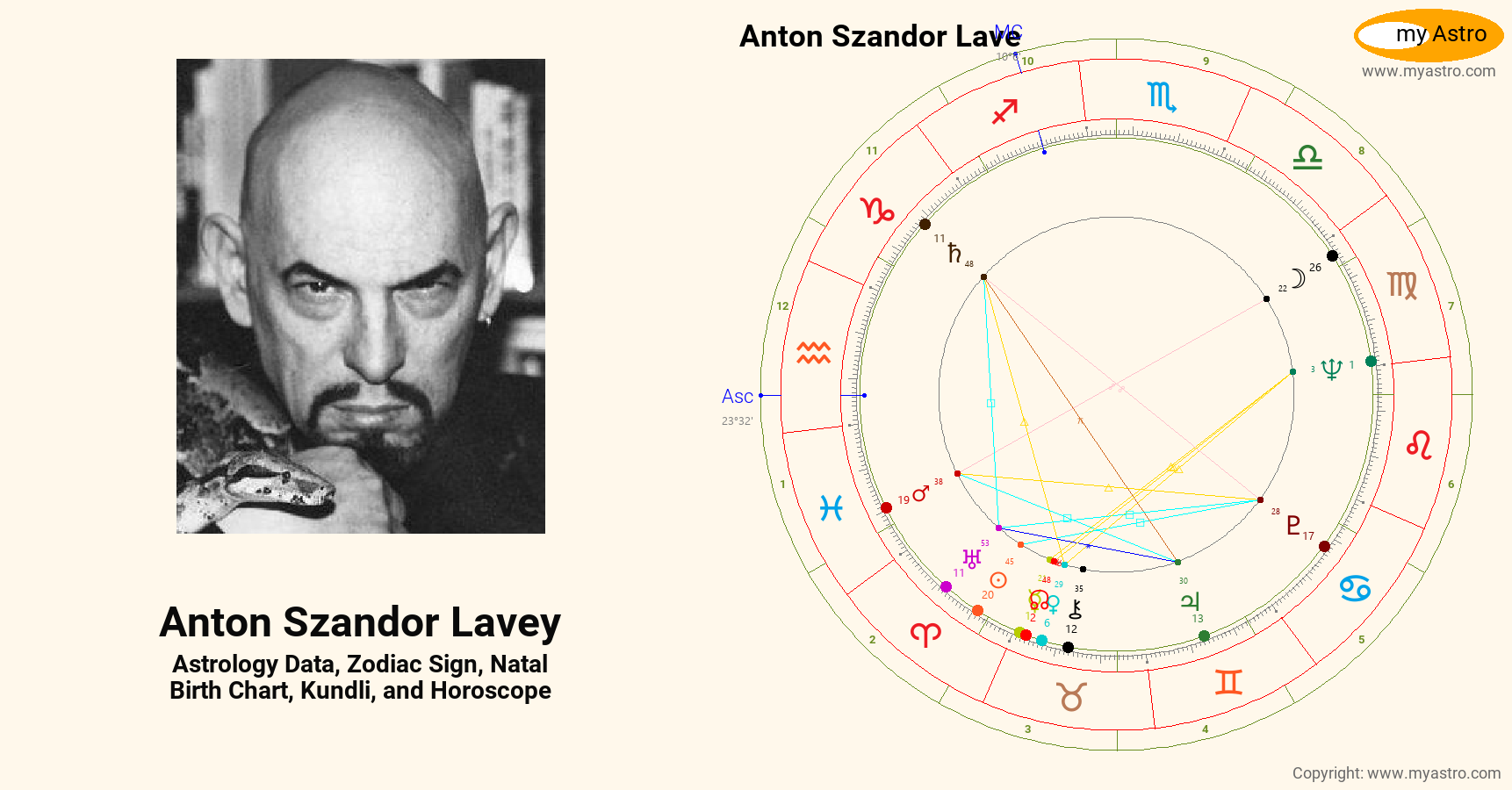
Anton LaVey (born Howard Stanton Levey) was the influential founder of the Church of Satan and author of The Satanic Bible. He codified a philosophy of individualism, carnal indulgence, and rational self-interest. Established in 1966, his teachings shifted the definition of Satanism from literal devil worship to a non-theistic, ego-centric worldview.
The Early Life and Identity of Howard Stanton Levey
The man the world would eventually know as Anton Szandor LaVey was born Howard Stanton Levey on April 11, 1930, in Chicago, Illinois. His family soon relocated to California, where much of his formative development occurred. While LaVey’s later biographical accounts—often curated by himself or his estate—included colorful stories of working as a lion tamer in a circus and a photographer for the San Francisco Police Department, many of these details have been scrutinized by biographers. Regardless of the veracity of specific anecdotes, it is clear that LaVey was deeply influenced by the theatricality of the carnivalesque and the darker undercurrents of urban life.
LaVey was a gifted musician, particularly with the keyboard and oboe. His time spent playing organ at carnivals and later at various "burlesque" houses provided him with a unique vantage point on human behavior. He often remarked that he would see the same men lusting after dancers on Saturday nights and then attending revivalist church meetings on Sunday mornings. This observation of perceived religious hypocrisy became a cornerstone of his later philosophy, fueling his belief that human beings are essentially carnal animals whose natural instincts are suppressed by traditional theology.
By the early 1960s, LaVey began hosting weekly lectures on the occult and "black magic" at his home in San Francisco, which famously became known as the "Black House." These meetings attracted a diverse group of intellectuals, artists, and socialites, eventually evolving into the "Magic Circle." It was from this core group that the formal structure of a new religious movement would emerge.
The Founding of the Church of Satan in 1966
On the night of April 30, 1966—the traditional occult holiday of Walpurgisnacht—Anton LaVey ritually shaved his head and declared the founding of the Church of Satan. This event was not merely the creation of a new organization but the proclamation of the "Year One," signaling what LaVey termed the beginning of the "Satanic Age."
The Church of Satan was the first organized body in history to openly adopt the name "Satanic" while rejecting the idea of a literal, sentient devil. For LaVey, Satan was a trope—a symbol of rebellion, pride, and the "adversary" against traditional religious structures that he believed stifled human potential. The organization gained significant media attention due to its provocative imagery, including the use of a nude woman as a "living altar" and the performance of Satanic baptisms and weddings.
The founding of the Church coincided with the burgeoning counterculture of the 1960s. While the "Summer of Love" emphasized peace and communal living, LaVey’s Satanism offered a darker, more individualistic alternative. It appealed to those who felt alienated by both mainstream society and the burgeoning "hippie" movement, providing a framework for self-empowerment through the mastery of one's own desires.
The Core Philosophy of LaVeyan Satanism
To understand Anton LaVey is to understand that his philosophy is essentially "Ayn Rand with trappings." It is a blend of social Darwinism, Epicureanism, and theatrical ritual. The philosophy is grounded in several key documents, most notably the Nine Satanic Statements.
The Nine Satanic Statements
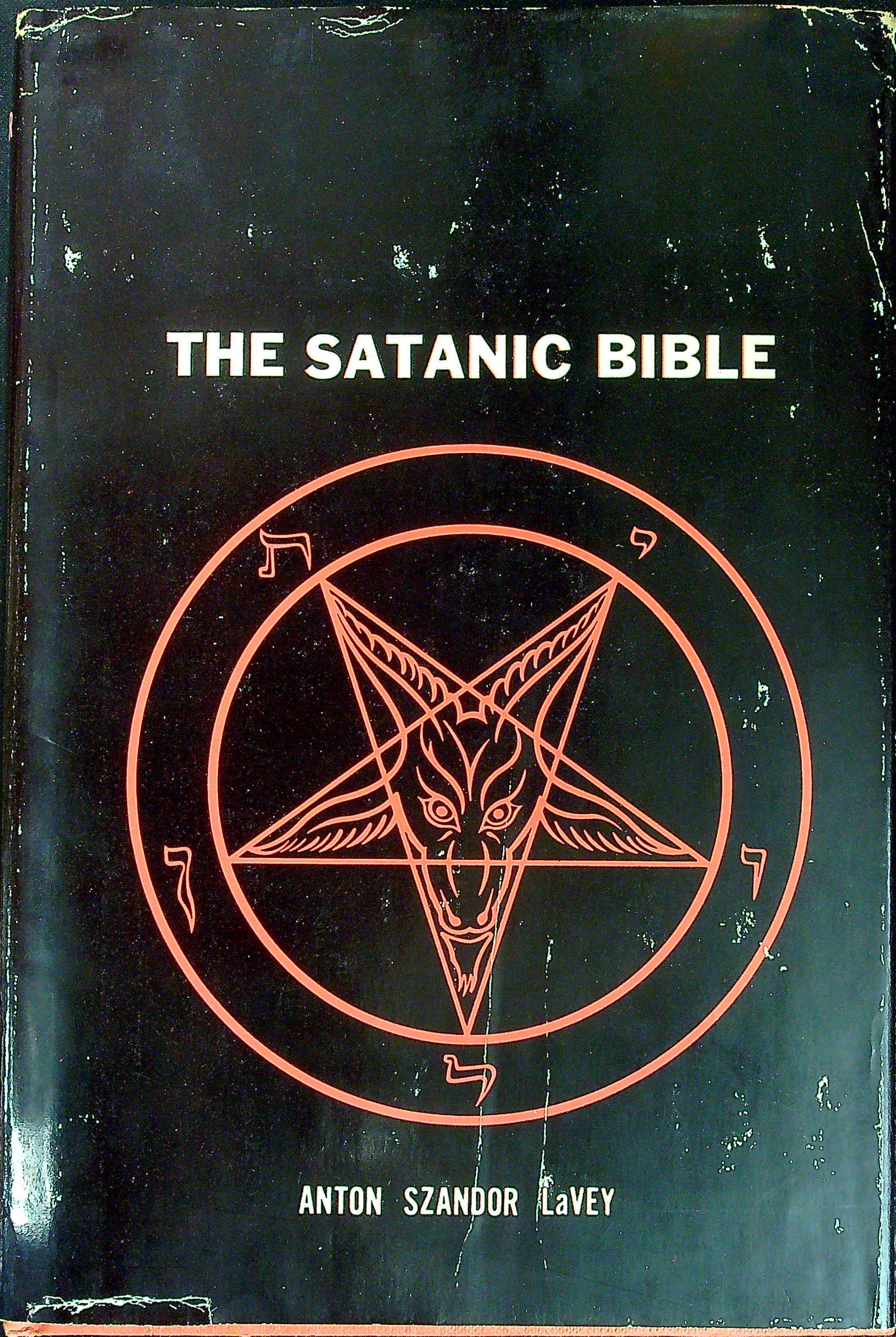
Published in the introductory pages of The Satanic Bible, these statements define the ethics of the movement:
- Satan represents indulgence instead of abstinence.
- Satan represents vital existence instead of spiritual pipe dreams.
- Satan represents undefiled wisdom instead of hypocritical self-deceit.
- Satan represents kindness to those who deserve it instead of love wasted on ingrates.
- Satan represents vengeance instead of turning the other cheek.
- Satan represents responsibility to the responsible instead of concern for psychic vampires.
- Satan represents man as just another animal, sometimes better, more often worse than those that walk on all-fours.
- Satan represents all of the so-called sins, as they all lead to physical, mental, or emotional gratification.
- Satan has been the best friend the Church has ever had, as He has kept it in business all these years.
Non-Theism and the Self as God
A common misconception is that LaVeyan Satanists worship the Devil. In reality, the philosophy is atheistic. LaVey taught that "God" is a projection of the human ego. By "worshipping" Satan, the practitioner is actually celebrating their own existence and agency. The term "I-Theism" is often used within the Church to describe this elevation of the self to the status of the highest authority in one's own life.
Greater and Lesser Magic
LaVey distinguished between two types of "magic." Lesser Magic is essentially applied psychology—using one's appearance, charisma, and wit to manipulate others and achieve specific goals in the real world. Greater Magic, on the other hand, refers to ritualized psychodrama. These rituals are performed in a "ritual chamber" to release emotional energy (such as lust, compassion, or destruction) that might otherwise be inhibitory in daily life. LaVey did not claim these rituals worked through supernatural means but rather through the psychological catharsis they provided to the practitioner.
Literary Contributions: The Satanic Bible and Beyond
The publication of The Satanic Bible in 1969 was a watershed moment for the occult. It remains the most widely circulated book on Satanism in history. Written in a sharp, often polemical style, the book is divided into four sections: The Book of Satan, The Book of Lucifer, The Book of Belial, and The Book of Leviathan.
Beyond The Satanic Bible, LaVey authored several other works that expanded on his worldview:
- The Satanic Rituals (1972): A companion volume providing specific outlines for group and individual rituals, drawing on various historical and literary sources.
- The Satanic Witch (originally published as The Compleat Witch in 1971): A guide to "Lesser Magic" specifically focused on the use of feminine charm and psychological archetypes to gain power.
- The Devil's Notebook (1992) and Satan Speaks! (1998): Collections of essays that provide a more cynical, often humorous look at social trends, aesthetics, and human nature.
In these writings, LaVey advocated for a "total environment"—the idea that individuals should curate their surroundings to reflect their own tastes and filter out the "psychic noise" of a mediocre society. He was an early proponent of what he called "human artificial companions" (dolls or robots), suggesting they would eventually provide a more satisfying social interaction than "real" people who are often disappointing.
Cultural Impact and the Satanic Panic
During the 1970s and 1980s, LaVey became a frequent fixture in the media. He was a consultant on films (though his involvement in Rosemary's Baby is a frequently repeated myth) and was a guest on numerous talk shows. His public persona—complete with a goatee, black cape, and the Baphomet pentagram—became the definitive image of a "Satanist" in the public imagination.
However, this visibility had a double-edged effect. During the 1980s, the United States was gripped by the "Satanic Panic." This phenomenon involved widespread, unsubstantiated rumors of underground Satanic cults engaging in ritual abuse. While the Church of Satan was never legally implicated in these alleged crimes—and LaVey himself vehemently denounced illegal acts and animal cruelty—the organization became a lightning rod for the era's anxieties. LaVey spent much of this period defending the Church's philosophy as one of law and order, emphasizing that "Satanism is the opposite of the Manson family."
Comparative Analysis of Satanic Philosophies
As of 2026, the landscape of Satanism has diversified significantly. While Anton LaVey's Church of Satan remains the foundational organization, other groups have emerged with differing interpretations of the symbol of Satan.
| Feature | LaVeyan Satanism (Church of Satan) | The Satanic Temple (TST) | Theistic Satanism |
|---|---|---|---|
| View of Satan | Archetype/Symbol of the Self. | Symbol of the Eternal Rebel/Liberty. | A literal deity or sentient entity. |
| Theology | Atheistic/Non-theistic. | Atheistic/Materialistic. | Theistic/Polytheistic. |
| Primary Goal | Individual indulgence and success. | Political activism and social justice. | Spiritual communion or gnosis. |
| Ritual Style | Theatrical psychodrama/Private. | Public protest/Civic ceremony. | Devotional/Traditional occult. |
| Political Stance | Apolitical/Individualist. | Active left-leaning advocacy. | Varies by individual/Small group. |
| Key Text | The Satanic Bible | The Seven Tenets | Various (e.g., Codex Saerus) |
The Church of Satan in 2026: Persistence and Legacy
Anton LaVey passed away on October 29, 1997, due to pulmonary edema. Following his death, leadership of the Church of Satan eventually passed to Peter H. Gilmore, who was appointed High Priest in 2001. Under Gilmore’s leadership, the Church moved its headquarters from San Francisco to New York City (specifically Poughkeepsie).
In 2026, the Church of Satan continues to operate as a "mutant" organization—one that does not seek mass membership but rather focuses on a "stratification" of elite individuals who already embody Satanic principles. The organization does not solicit members and maintains a strictly private stance regarding its roster.
LaVey's influence is seen today in the "darker" aesthetics of heavy metal, Gothic subculture, and the modern focus on "radical individualism." His insistence that religion should be a tool for the individual, rather than a master of the individual, has resonated in a 21st-century world that is increasingly secular yet still craves ritual and identity.
Frequently Asked Questions
Did Anton LaVey actually believe in the Devil?
No. Anton LaVey was an atheist. He viewed Satan as a literary and psychological archetype representing man’s carnal nature and rebellion against spiritual hypocrisy. He explicitly stated that there are no gods or devils and that the "Satanist" is their own highest authority.
What is the significance of the "Black House"?
The "Black House" was LaVey's residence at 1111 California Street in San Francisco. It served as the original headquarters of the Church of Satan and was the site of many famous rituals and media appearances. The house was painted entirely black, inside and out. It was demolished in 2001 after a legal battle over LaVey's estate.
How does someone join the Church of Satan in 2026?
The Church of Satan remains an invitation-only or application-based organization. Prospective members must pay a one-time registration fee (currently $225 USD as of recent standards) and submit a written application. The Church emphasizes that "you are born a Satanist, you are not made one," meaning they look for people who already live by their philosophy.
What was Anton LaVey's relationship with celebrities?
LaVey had several famous associates, most notably Sammy Davis Jr., who was an honorary member of the Church of Satan for a period. He was also closely linked with actress Jayne Mansfield. While rumors suggested he cursed her or caused her death, these are considered sensationalist exaggerations from that era.
Did Anton LaVey advocate for criminal activity?
Quite the opposite. LaVey’s philosophy was one of "lex talionis" (an eye for an eye) but also one of strict adherence to the law of the land. He frequently stated that "Satanism is the ultimate law and order philosophy" because it requires individuals to be responsible for their own actions and their consequences.
Practical Recommendation for Further Study
For those interested in the historical and philosophical impact of Anton LaVey, the most effective next step is a primary-source reading of The Satanic Bible. To understand the cultural context of his life beyond his own self-authored narratives, the biography The Secret Life of a Satanist by Blanche Barton (his partner and mother of his son) provides an "authorized" perspective, while independent scholarly works like The Invention of Satanism by Asbjørn Dyrendal, James R. Lewis, and Jesper Aa. Petersen offer a critical academic analysis of the movement's history and sociology.