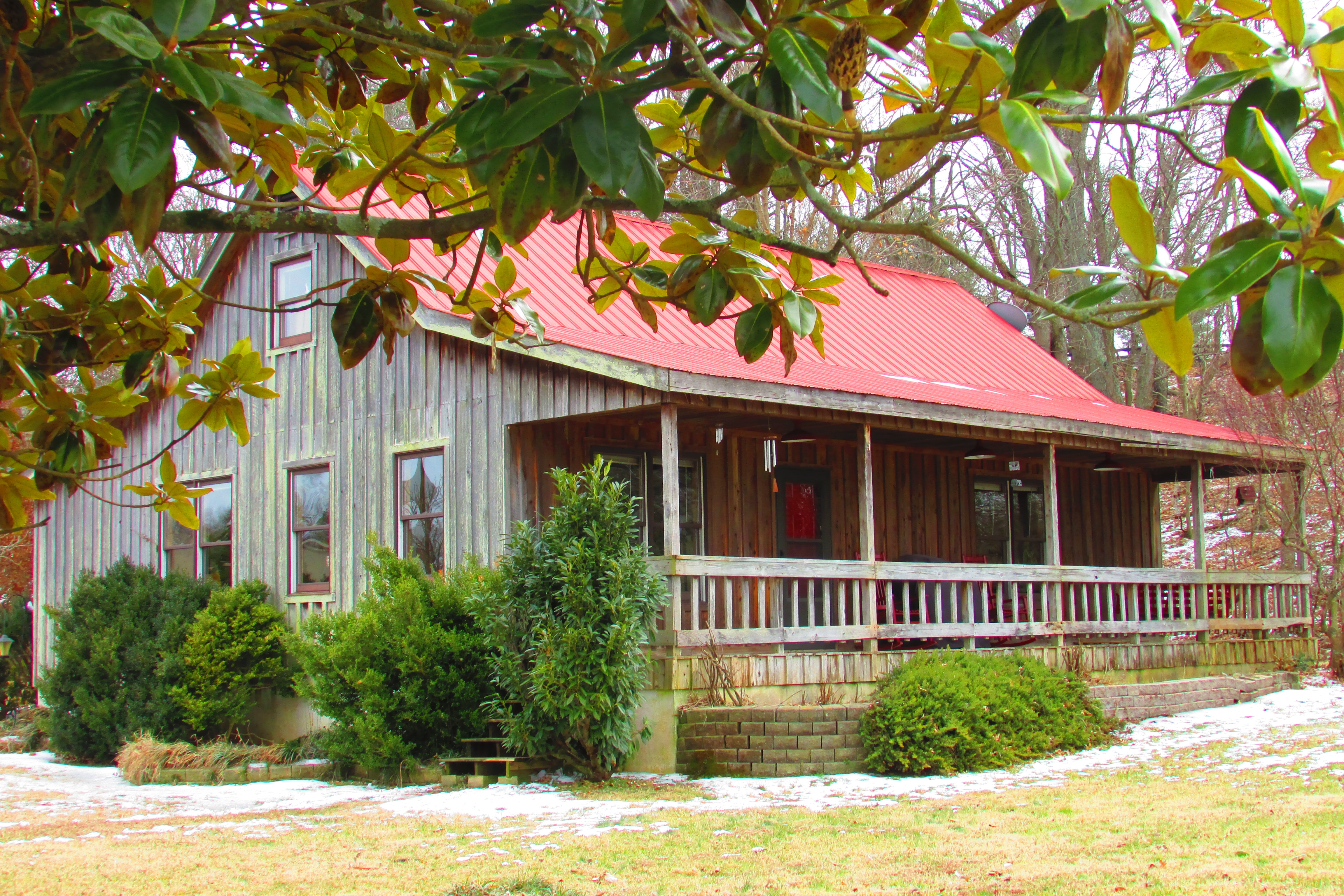
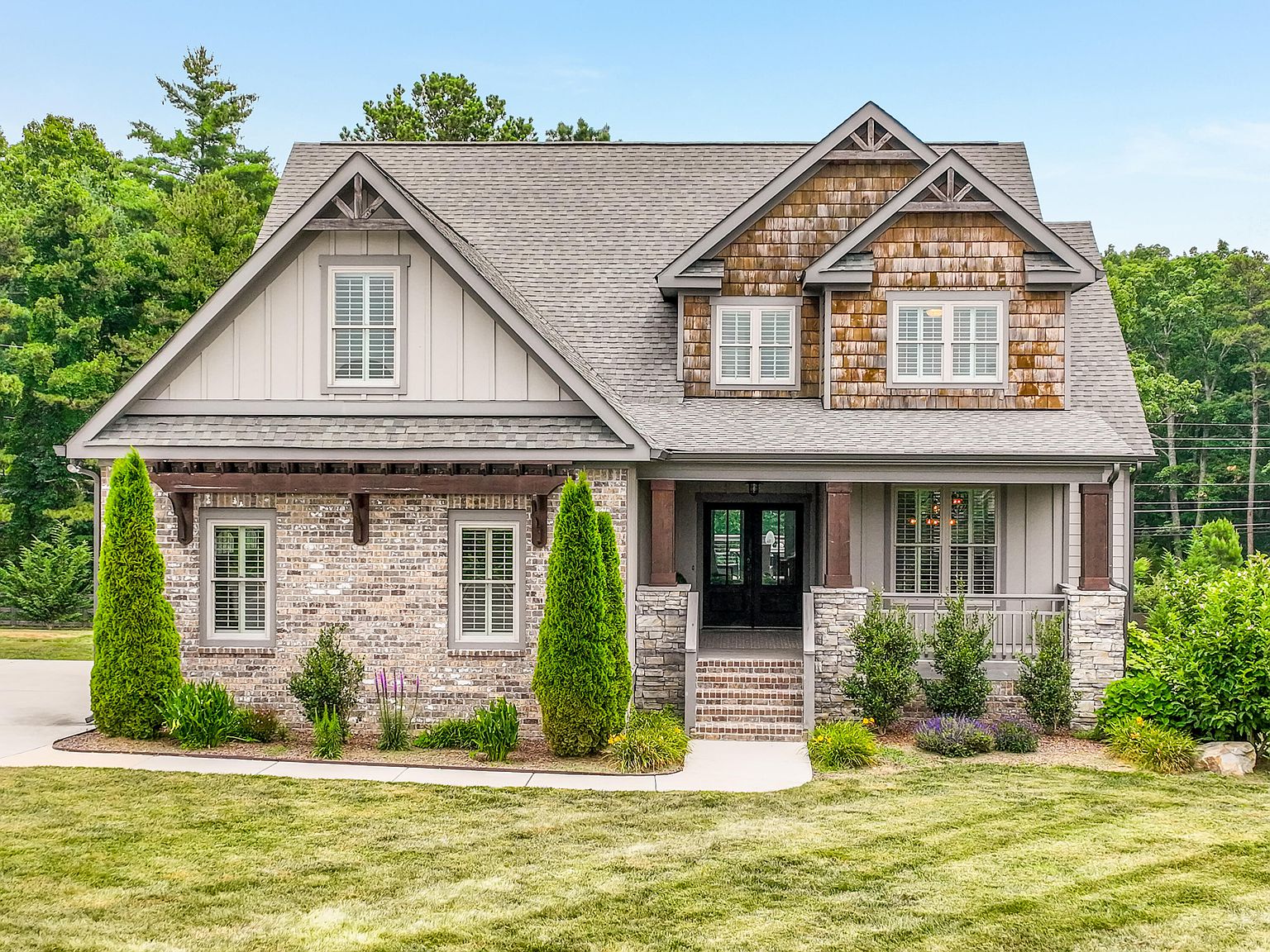
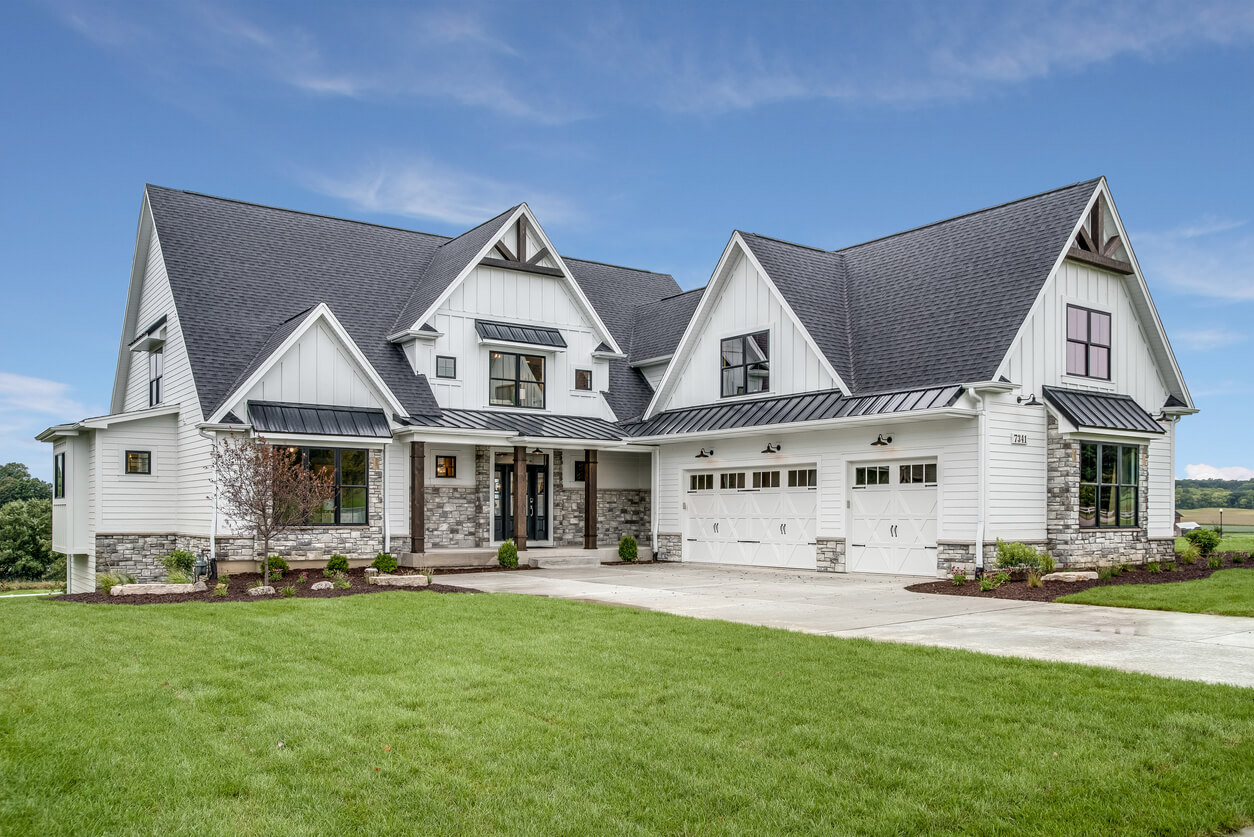
Navigating the market for homes for sale in the Tennessee mountains requires a nuanced understanding of regional micro-climates, county zoning regulations, topography-driven construction standards, and evolving 2026 housing trends. The dynamic landscapes of East Tennessee—stretching from the Great Smoky Mountains National Park through the Cumberland Plateau—attract buyers seeking primary residences, luxury mountain estates, and short-term rental investment properties. Securing the right property demands an analytical approach to infrastructure, elevation, accessibility, and utility integration.
Macro-Market Dynamics and 2026 Pricing Trends in East Tennessee
The East Tennessee mountain real estate ecosystem in 2026 exhibits distinct stability compared to the hyper-volatile periods of previous years. Inventory levels in prime counties such as Sevier, Blount, Knox, Cocke, and Monroe have experienced modest stabilization, though high-demand pockets near Gatlinburg, Pigeon Forge, Townsend, and Wears Valley maintain competitive pricing due to persistent tourism-driven demand.
Buyer demographics have shifted toward remote professionals and retirees prioritizing acreage, high-speed fiber-optic availability, and year-round panoramic views. Average price per square foot varies drastically depending on slope steepness, subdivision restrictions, and proximity to municipal infrastructure.
Market Indicator Note: Properties situated above 2,500 feet elevation command a 15% to 25% valuation premium over valley-floor or rolling-hill alternatives, driven primarily by unobstructed view corridors and cooler summer micro-climates.
Key Economic Drivers Impacting Mountain Real Estate
- Tourism and Short-Term Rental Regulations: Local municipalities have instituted stricter permitting guidelines for nightly rentals, making due diligence on HOA restrictions and county zoning critical before making an offer.
- Infrastructure Expansion: Continued rollout of broadband fiber to rural pockets of Blount and Sevier counties has elevated property values for previously isolated mountain parcels.
- Property Tax Advantages: Tennessee's lack of a state income tax and relatively low effective property tax rates (averaging roughly 0.64% statewide) continue to draw interstate migration from high-tax states.
Regional Micro-Markets: Where to Look in the Tennessee Mountains
Choosing the ideal location depends heavily on lifestyle priorities, commute tolerances, and investment objectives. Each sub-region within the East Tennessee mountain chain offers distinct topological and community characteristics.
Sevier County (Gatlinburg, Pigeon Forge, Sevierville, Wears Valley)
Sevier County represents the epicenter of the Smoky Mountains tourism economy. Homes for sale here range from multi-million-dollar modern luxury cabins featuring indoor pools to established alpine chalets.
- Target Buyer: Investors seeking high-yield short-term rental properties or buyers desiring proximity to national park trailheads.
- Considerations: Steep terrain requires four-wheel-drive capability during winter freeze events; strict adherence to county fire-safety and septic tank capacity codes is mandatory.
Blount County (Townsend, Maryville, Walland)
Known locally as the "Peaceful Side of the Smokies," Townsend and Walland offer a quieter, more residential mountain environment. Maryville provides an urban-suburban buffer with top-tier healthcare facilities like Blount Memorial Hospital.
- Target Buyer: Families and retirees seeking scenic mountain views paired with manageable commutes to Knoxville.
- Considerations: Many parcels are governed by agricultural land preservation programs or conservation easements.
Monroe and Polk County (Tellico Plains, Vonore, Ducktown)
Encompassing parts of the Cherokee National Forest and the scenic Cherohala Skyway, this region offers rugged seclusion, proximity to trout streams, and Tellico Lake access.
- Target Buyer: Nature enthusiasts, anglers, and buyers looking for acreage at a lower price point per square foot than Sevier County.
- Considerations: Infrastructure can be sparse; buyers must verify well-water yield, septic perc test results, and power grid reliability.
Technical Due Diligence: Evaluating Mountain Real Estate
Purchasing mountain real estate differs significantly from buying standard suburban housing. Technical inspections must account for geological stability, water acquisition, and waste management.
Water, Wastewater, and Access Specifications
- Water Source: Properties typically rely on private deep-rock wells or local utility districts. Well depths in the ridge-and-valley terrain can range from 150 to over 500 feet. Flow rates (measured in gallons per minute or GPM) should be tested rigorously; anything below 3 GPM requires specialized holding tank systems.
- Wastewater Disposal: Because municipal sewer lines rarely extend deep into the mountains, properties depend on conventional or engineered septic systems. Engineered systems (such as drip distribution or sand filters) are frequently required on sloping or rocky soils.
- Road Maintenance: Buyers must verify whether access roads are maintained by the state, county, or private road maintenance agreements. Private roads require explicit, legally binding shared maintenance agreements among property owners to secure mortgage financing.
Comparative Overview of East Tennessee Mountain Regions
| Region / County | Median Price Range (2026) | Primary Appeal | Typical Infrastructure Challenges |
|---|---|---|---|
| Sevier County | $450,000 - $1,200,000+ | High tourism yield, proximity to National Park | Steep switchbacks, strict short-term rental rules |
| Blount County | $375,000 - $900,000 | Scenic views, balanced suburban/rural access | Conservation restrictions, higher land competition |
| Monroe County | $275,000 - $650,000 | Seclusion, acreage, proximity to Tellico Lake | Longer response times for emergency services, well depth variation |
| Cocke County | $225,000 - $500,000 | Affordability, rugged wilderness, river access | Limited high-speed internet options in remote pockets |
Step-by-Step Guide to Purchasing Mountain Property
Executing a successful purchase in the Tennessee mountains involves a structured, risk-mitigation workflow.
- Secure Local Financing: Partner with lenders experienced in Appalachian real estate who understand well-and-septic contingencies and private road maintenance requirements.
- Engage a Specialized Local Realtor: Work exclusively with agents who specialize in mountain properties and possess deep knowledge of well depths, HOA rules, and slope zoning.
- Conduct Specialized Inspections: Beyond standard structural home inspections, hire a certified geotechnical engineer or structural specialist if the home sits on a steep slope or engineered retaining wall.
- Verify Utility and Internet Providers: Test mobile phone coverage on-site and confirm whether high-speed fiber or reliable satellite internet (such as Starlink) is operational.
- Review Title and Easements: Carefully examine utility easements, shared driveway agreements, and mineral rights attached to the deed.
Pros and Cons of Living in the Tennessee Mountains
Advantages
- Natural Beauty and Recreation: Immediate access to hiking, whitewater rafting, fly fishing, and millions of acres of protected public lands.
- Favorable Tax Climate: Zero state income tax and moderate property taxes stretch retirement and investment dollars further.
- Four Distinct Seasons: Enjoy mild winters with occasional snowfall and vibrant autumn foliage without the extreme conditions of northern latitudes.
Disadvantages
- Topographical Limitations: Steep, winding roads can become treacherous during winter ice storms, and landscaping or expanding a footprint is physically and financially demanding.
- Wildlife Coexistence: Mountain living involves managing interactions with local wildlife, including black bears, wild turkeys, and venomous copperhead snakes.
- Maintenance Costs: Decks, retaining walls, roofs, and private roads require proactive, recurring maintenance due to heavy mountain rainfall and freeze-thaw cycles.
Frequently Asked Questions
Are homes for sale in the Tennessee mountains good short-term rental investments?
Yes, certain areas within Sevier and Blount counties yield strong short-term rental revenue due to year-round tourism surrounding the Great Smoky Mountains National Park. Investors must review municipal zoning, county regulations, and HOA bylaws, as restrictions on nightly rentals have tightened significantly.
What are the main challenges when buying land or a home on a mountain slope?
The primary challenges include managing structural stability on sloped terrain, installing expensive engineered septic systems, securing adequate well-water flow, and maintaining safe winter access on private mountain roads. A geotechnical inspection is strongly recommended before removing contingencies.
Is high-speed internet available in the rural Tennessee mountains?
Availability varies by exact location, though fiber-optic expansion has improved connection speeds across many parts of East and Sevier counties. In remote higher-elevation pockets, residents increasingly rely on satellite internet providers for high-speed connectivity.
How do property taxes in Tennessee compare to other states?
Tennessee maintains some of the lowest property tax rates in the United States, alongside the total absence of a state personal income tax. Effective rates generally hover well below the national average, making the region financially attractive for retirees and relocators.
What winter weather preparation is required for mountain homes?
Mountain homes require insulated pipes, reliable backup heat sources (such as propane or wood-burning stoves) for potential power outages, and vehicles equipped with four-wheel drive or snow chains to safely navigate steep, winding incline roads during winter storms.
Conclusion
Finding the ideal property among the homes for sale in the Tennessee mountains requires balancing aesthetic desires with rigorous technical due diligence. By evaluating infrastructure stability, verifying utility access, and understanding local zoning ordinances, buyers can secure a resilient, high-value asset in one of the country's most scenic regions. Contact an experienced local real estate professional today to begin your search for mountain property in East Tennessee.