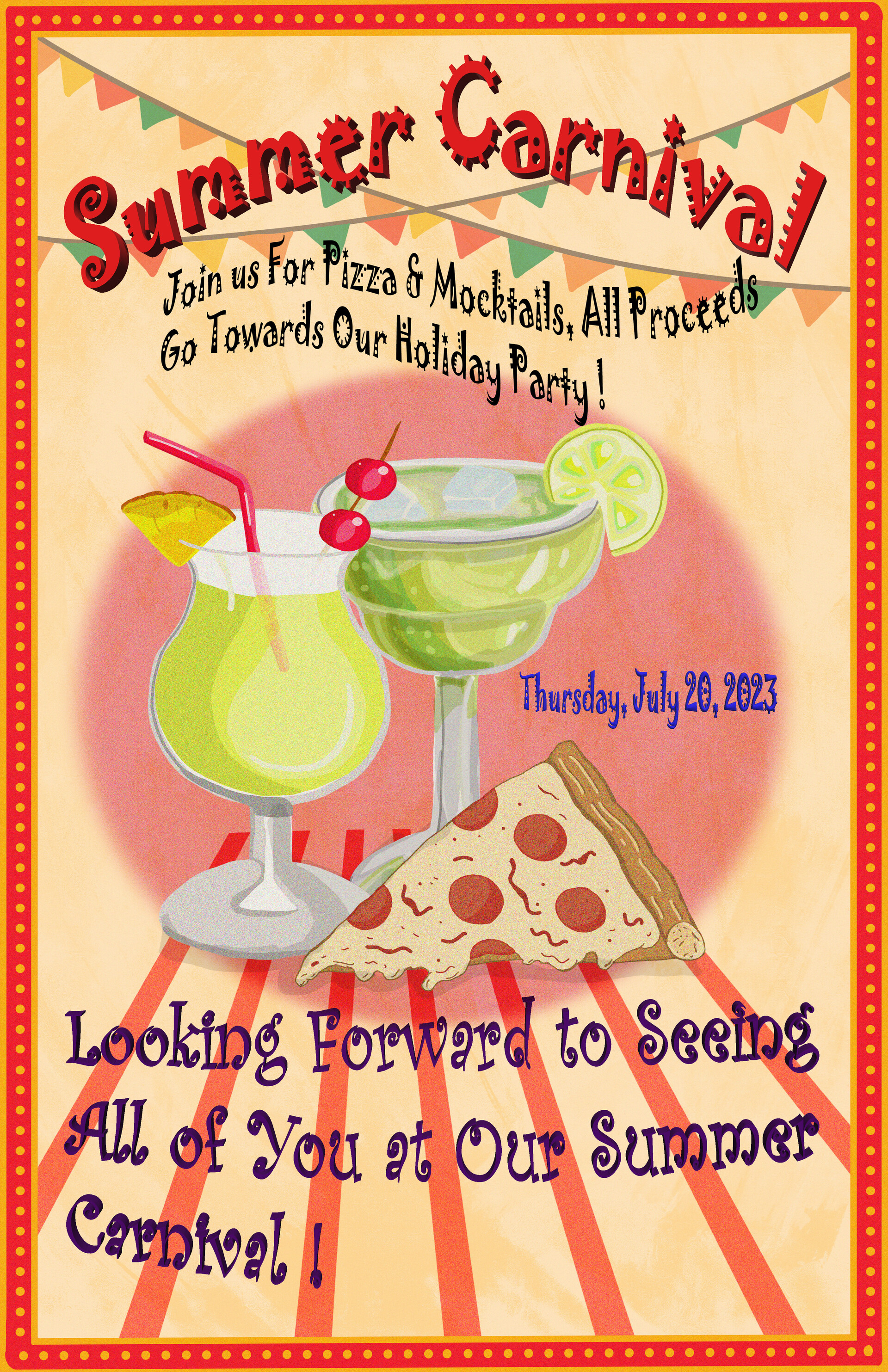
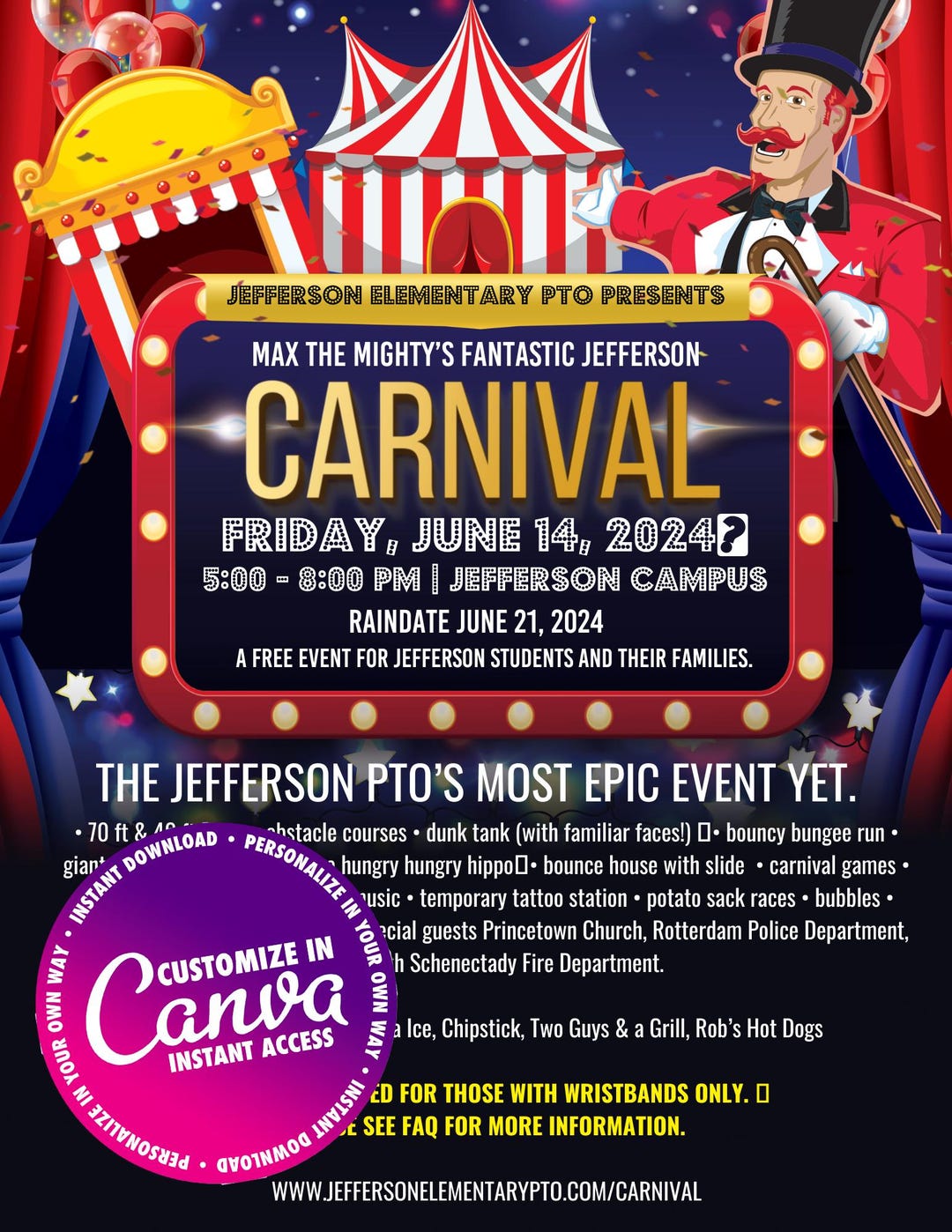
A successful carnival ad leverages high-energy visuals, emotional triggers of joy and "FOMO" (fear of missing out), and clear calls to action to drive conversions. Whether promoting the global Carnival Cruise Line or a local festival, these advertisements prioritize "The Fun" brand promise through multi-channel digital placement, user-generated content, and data-driven personalization.
In the competitive landscape of 2026, advertising for "carnival" related entities—ranging from the multi-billion dollar cruise industry to regional seasonal fairs—requires a sophisticated blend of psychological appeal and technical precision. The term "carnival ad" most frequently refers to the marketing efforts of Carnival Cruise Line, a pioneer in democratizing sea travel. However, it also encompasses the broader niche of event marketing for festive gatherings. Success in this space is no longer just about showing a colorful ship or a Ferris wheel; it is about selling an emotional transformation from the mundane to the extraordinary.
The Evolution of Carnival Cruise Line Advertising Identity
To understand the modern carnival ad, one must look at the trajectory of Carnival Cruise Line’s branding. Historically, the company moved away from the "stuffy" image of 20th-century cruising to position itself as "The Fun Ships." This was a calculated move to capture the middle-market demographic. By 2026, this identity has matured into a sophisticated "Choose Fun" philosophy that permeates every digital and physical touchpoint.
From Mass Appeal to Hyper-Personalization
In the early days, a Carnival ad was often a broad-reach television spot featuring celebrity endorsements, most notably Kathie Lee Gifford in the 1980s and 90s. These ads focused on the novelty of the experience. Today, the approach is fragmented and precise. Using advanced CRM (Customer Relationship Management) data, Carnival now deploys ads that vary based on the viewer’s previous travel history, browsing habits, and even their stage in the family lifecycle.
For instance, a household with young children will receive ads highlighting "Camp Ocean" and WaterWorks parks, while a young couple might see ads focused on the Cloud 9 Spa or the Alchemy Bar. This shift from "one-size-fits-all" to "one-to-one" marketing has significantly lowered the cost per acquisition in an era where consumers are bombarded by travel options.
The Power of "Choose Fun"
The "Choose Fun" campaign remains a cornerstone of the brand’s identity in 2026. This slogan does more than just describe the product; it empowers the consumer. In a psychological sense, it frames the vacation as a proactive choice for happiness. When analyzing a Carnival ad from this campaign, notice the lack of static shots. Everything is in motion—splashing water, dancing, laughter, and high-speed slides. This kinetic energy is designed to trigger a dopamine response in the viewer, associating the Carnival brand with an immediate sense of relief from daily stressors.
Key Components of a High-Converting Carnival Ad in 2026
Creating an effective carnival-themed advertisement requires adherence to specific creative and technical standards. Whether the medium is a 15-second TikTok ad or a large-scale programmatic display banner, the following elements are essential for 2026 performance standards.
Visual Storytelling and Brand Consistency
The color palette is the first thing a viewer registers. Carnival ads utilize a specific "Fun Ship" palette—primary blues, vibrant reds, and crisp whites—that mirrors the brand's logo. Consistency across channels ensures that even a two-second glance at a mobile screen is enough for brand recognition.
In 2026, visual storytelling has moved toward "lo-fi" authenticity. High-production cinematic shots are now frequently replaced or augmented by User-Generated Content (UGC). Potential travelers are more likely to trust a shaky, handheld video of a passenger enjoying a Guy Fieri burger on the Lido deck than a polished studio shot. This "peer-to-peer" advertising style feels less like an intrusion and more like a recommendation.
Psychological Triggers in Travel Marketing
Advertisements in the carnival and cruise niche rely heavily on three psychological pillars:
- Social Proof: Showing large groups of people having a shared experience. Humans are inherently social, and the "carnival" atmosphere thrives on the idea of a collective celebration.
- Scarcity and Urgency: Flash sales, "48-hour countdowns," and "last cabin" alerts. In 2026, these are often delivered via push notifications or targeted SMS ads to drive immediate bookings during seasonal lulls.
- Anticipation: The "Pre-vacation Glow." Ads often focus on the moment of arrival or the night before the trip, tapping into the neurological fact that people often derive as much pleasure from anticipating a trip as they do from the trip itself.
Digital Channels and Programmatic Advertising for Travel
In 2026, the placement of a carnival ad is as important as the creative content. The travel industry has moved toward a full-funnel programmatic approach, ensuring the brand stays top-of-mind from the initial "dreaming" phase to the final "booking" phase.
Social Commerce and Short-Form Video
Platforms like TikTok, Instagram, and YouTube Shorts are the primary battlegrounds for carnival ads. The technical requirement for these ads is a 9:16 vertical aspect ratio with a "hook" occurring within the first 1.5 seconds.
- The Hook: A surprising visual (e.g., a person soaring on a sea-top roller coaster like BOLT).
- The Body: A rapid-fire montage of diverse activities (dining, comedy, ports of call).
- The CTA: A direct link to a booking engine or a "Save for Later" button that triggers a retargeting sequence.
Programmatic Display and CTV
Connected TV (CTV) has replaced traditional linear television for many travel brands. By 2026, Carnival utilizes CTV ads to target specific households based on their streaming preferences. If a household watches travel documentaries or food-related content, they are automatically entered into the ad inventory for cruise promotions. This ensures that the high cost of video production is justified by reaching only the most relevant audiences.
Analyzing Cruise Line Ad Strategies (Competitive Landscape 2026)
Understanding Carnival's position requires a comparison with other major players in the industry. Each line uses "carnival ads" (in the broad sense) to carve out a specific market share.
| Feature | Carnival Cruise Line | Royal Caribbean | Norwegian Cruise Line |
|---|---|---|---|
| Primary Ad Hook | "The Fun Ships" / Social Value | Innovation & "World's Largest" | "Free at Sea" / Flexibility |
| Target Audience | Families & Value-Seekers | Tech-Savvy Multi-Generational | Independent Travelers & Foodies |
| Ad Aesthetic | Bright, High-Energy, Pop Music | Epic, Grandiose, Orchestral | Lifestyle, Relaxed, Contemporary |
| Primary Platform | TikTok, Facebook, CTV | YouTube, Instagram, Cinema | Search, Pinterest, Travel Blogs |
| 2026 Innovation | AI-Personalized Itinerary Ads | VR "Walkthrough" Advertisements | Dynamic Pricing Social Ads |
How to Design a Local Carnival or Fair Advertisement
If the subject is a local event rather than the cruise line, the "carnival ad" strategy shifts toward community-based triggers and local SEO. A local carnival ad must solve the problem of "What should we do this weekend?" for a specific geographic radius.
Localized Targeting and Community Engagement
For a local carnival, the advertisement must emphasize physical proximity and specific dates.
- Google Maps Ads: Ensuring the carnival location appears as a "promoted pin" during the week of the event.
- Facebook Event Promotion: Using "Interested" and "Going" buttons to create organic reach through the "friends of friends" network.
- Local Influencers: Partnering with local "mommy bloggers" or city-specific Instagram accounts to provide a "first look" at the fairgrounds.
Technical Specifications for Event Ads
The technical depth of a local ad involves "Geofencing." This involves setting a digital perimeter around a city or neighborhood. When a user enters that perimeter, they receive a display ad or social media post about the carnival. This is highly effective for driving "impulse visits" to fairs and festivals.
Common Pitfalls in Travel and Event Advertising
Even with a massive budget, a carnival ad can fail if it falls into certain traps.
- Over-Promising: Using "fish-eye" lenses to make cabins or fairgrounds look significantly larger than they are leads to negative post-purchase reviews and "Expectation vs. Reality" social media backlash.
- Ignoring the "Hidden Costs": In 2026, consumers are hyper-aware of "junk fees." Ads that show a low lead-in price but hide port fees, gratuities, or ride tickets often see high cart abandonment rates. Successful ads now trend toward "All-In" pricing transparency.
- Poor Mobile Optimization: Since over 70% of travel research in 2026 happens on mobile, any ad that leads to a non-responsive or slow-loading landing page is a wasted investment.
Technical Execution: Retargeting and the "Cookie-less" Future
As we operate in 2026, the reliance on third-party cookies has vanished. Carnival ads now rely on First-Party Data and Identity Solutions.
When a user interacts with an ad but doesn't book, the brand doesn't just "follow" them around the web with the same banner. Instead, they use "Sequential Storytelling."
- Day 1: The user sees a broad "Choose Fun" video.
- Day 3: The user sees a specific ad about the dining options they clicked on previously.
- Day 7: The user receives a limited-time discount offer for the specific ship they viewed.
This technical sequence ensures that the "carnival ad" journey mirrors the consumer's decision-making process, moving from inspiration to validation to purchase.
FAQs
What is the current "Choose Fun" campaign for Carnival Cruise Line?
The "Choose Fun" campaign is an integrated marketing strategy that focuses on the idea that fun is a choice and a state of mind. In 2026, it emphasizes spontaneous moments and the wide variety of activities available on board, using fast-paced editing and vibrant music to distinguish the brand from more "staid" or "luxury-focused" cruise lines.
How much does it cost to run a digital carnival ad?
The cost varies significantly based on the platform and targeting. On social media (TikTok/Meta), CPMs (Cost Per Mille, or 1,000 impressions) for travel-related content in 2026 range from $12 to $25. For high-intent search terms like "best Caribbean cruise," CPCs (Cost Per Click) can exceed $5. Local event ads typically have lower costs but require higher frequency to be effective.
What are the best dimensions for a carnival video ad?
For 2026, the gold standard is 1080x1920 (9:16) for mobile-first platforms like TikTok and Instagram Reels. For YouTube and CTV, 1920x1080 (16:9) remains the standard. It is critical to ensure that no vital text or branding is placed in the "safe zones" where UI elements like likes, comments, and captions appear on social platforms.
How does Carnival use AI in its advertising?
Carnival uses AI to analyze millions of data points to predict which creative assets will perform best with specific audiences. AI is also used for "dynamic creative optimization" (DCO), where the ad's background, headline, and call to action are assembled in real-time based on the viewer’s location, weather, and previous interactions with the brand.
Do print ads still work for carnivals and cruises?
While digital is dominant, print ads still hold value in high-end travel magazines and local newspapers for older demographics. In 2026, these ads almost always include a QR code that links directly to a personalized landing page or an Augmented Reality (AR) experience, bridging the gap between physical and digital marketing.
Practical Recommendation for 2026 Ad Strategy
To maximize the impact of a carnival ad in 2026, advertisers should adopt a "Mobile-First, Content-Second" approach. This means prioritizing the technical platform requirements and user behavior before finalizing the creative. Start by securing high-quality User-Generated Content that captures the genuine emotion of the event or cruise.
Combine this with a robust retargeting strategy that utilizes first-party data rather than defunct tracking cookies. Finally, ensure that every ad is backed by a transparent pricing model and a friction-less mobile booking path. In a world of infinite choices, the "carnival" brand that makes the path to fun the easiest and most transparent will ultimately win the market.