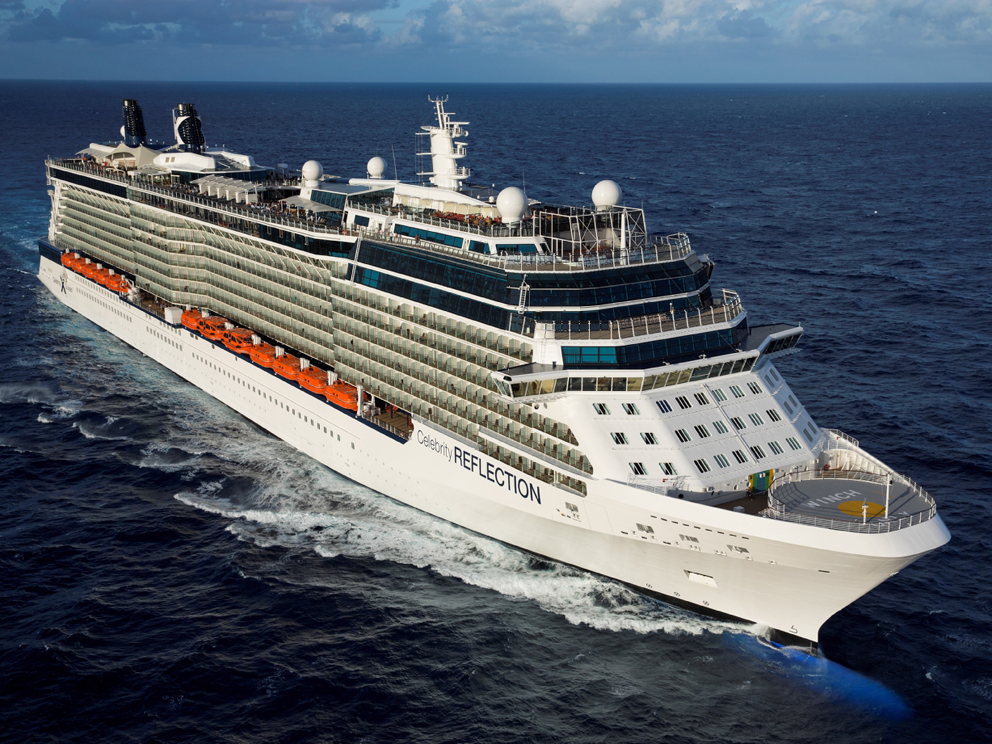
CME cruises are specialized professional development voyages that allow healthcare providers to earn mandatory Continuing Medical Education (CME) credits while traveling aboard luxury cruise ships. These programs blend high-level clinical seminars with traditional cruise amenities, providing a structured environment where clinicians can satisfy annual licensing requirements during scheduled "at-sea" days without sacrificing personal vacation time.
The Evolution of Continuing Medical Education on the High Seas
In 2026, the landscape of medical education has shifted significantly toward wellness-integrated learning. For decades, the primary method for physicians, nurses, and physician assistants to maintain their licensure was attending static conferences in metropolitan hotels or convention centers. While effective, these traditional settings often contributed to the very burnout they sought to address through professional development. CME cruises have emerged as a dominant alternative, offering a "work-life integration" model that respects the limited time available to modern medical professionals.
A CME cruise typically involves a partnership between an accredited medical education provider and a major cruise line. These voyages are strategically scheduled so that the educational sessions occur while the ship is sailing between ports. This ensures that when the ship docks in destinations like Juneau, Santorini, or Cozumel, the "student" is free to explore with their family or colleagues. In 2026, the technology aboard these vessels has advanced to allow for seamless digital check-ins and real-time credit tracking, ensuring that the administrative burden of earning credits is minimized.
The primary appeal lies in the controlled environment. Unlike land-based conferences where attendees might be distracted by the hustle of a city, a cruise ship provides a captive, yet relaxed, audience. This fosters a unique networking environment. In the informal setting of a ship's lounge or dining room, a cardiologist from New York might find themselves discussing patient outcomes with an internist from Tokyo, leading to a cross-pollination of ideas that rarely happens in a standard lecture hall.
Accreditation and the Value of AMA PRA Category 1 Credits™
The most critical factor for any healthcare professional considering a CME cruise is the accreditation of the program. To be valid for most state licensing boards and specialty certifications, the educational hours must be designated as AMA PRA Category 1 Credits™. These credits are the gold standard in the United States, managed by the Accreditation Council for Continuing Medical Education (ACCME).
When evaluating a CME cruise in 2026, providers must demonstrate that their curriculum is independent of commercial influence. This means the cruise line itself does not dictate the medical content; rather, a recognized medical school or professional association oversees the syllabus. The topics covered are often broad-spectrum to appeal to a diverse group of clinicians, ranging from "Advanced Cardiac Life Support Updates" to "The Ethics of Artificial Intelligence in Diagnostics."
For non-physician attendees, such as Nurse Practitioners (NPs) and Physician Assistants (PAs), these credits are usually transferable. Most state nursing boards and the National Commission on Certification of Physician Assistants (NCCPA) accept AMA PRA Category 1 Credits™ as equivalent to their own required hours. However, it is always a prerequisite for the professional to verify with their specific board that "sea-based" learning meets their jurisdiction's criteria, particularly regarding "live" versus "enduring" materials.
Financial Considerations and Tax Deductibility in 2026
The cost of a CME cruise is generally split into two distinct components: the cruise fare (travel, lodging, and food) and the tuition fee for the educational program. In 2026, tuition fees typically range from $600 to $1,200 depending on the length of the program and the number of credits offered. This fee is separate from the ship's booking costs, which fluctuate based on the cabin category and itinerary.
A frequent question among medical professionals is whether these trips are tax-deductible. According to the internal revenue guidelines (specifically IRS Publication 463), there are very specific rules regarding "Conventions on Cruise Ships."
As of 2026, the IRS allows a deduction of up to $2,000 per year for expenses associated with attending conventions, seminars, or meetings on a cruise ship. However, several strict conditions must be met:
- The cruise ship must be a vessel registered in the United States.
- All ports of call must be located in the United States or its possessions.
- The meeting must be directly related to the taxpayer’s trade or business.
- The taxpayer must attach a written statement to their tax return signed by the individual and an officer of the organization that sponsored the meeting, detailing the total days of the trip and the hours devoted to the scheduled business activities.
It is important to note that many CME cruises travel to international waters (the Caribbean, Europe, etc.). In these cases, while the $2,000 specific cruise-ship deduction may not apply, the tuition portion of the trip is often still deductible as a professional business expense. Because tax laws are subject to change and individual circumstances vary, consulting a tax professional is mandatory before attempting to write off the costs of a CME cruise.
Logistics: A Day in the Life of a Sea-Going Clinician
The schedule of a CME cruise is designed to maximize both education and recreation. A typical day at sea usually begins early, with seminars starting around 7:30 or 8:00 AM. These sessions often conclude by 12:30 or 1:00 PM. This "half-day" model allows for 4 to 5 hours of intensive learning while leaving the afternoon and evening open for shipboard activities or relaxation.
| Feature | Land-Based Conference | CME Cruise |
|---|---|---|
| Schedule | Usually 8 AM to 5 PM | Usually 7:30 AM to 1 PM (Days at Sea) |
| Family Inclusion | High cost for extra rooms/meals | Family shares cabin; meals included |
| Networking | Formal, brief breaks | Informal, dining and social lounges |
| Distractions | City traffic, commuting | None (Captive environment) |
| Cost Structure | Hotel + Airfare + Meals + Tuition | All-inclusive Fare + Tuition |
| Credit Type | Live AMA PRA Category 1 | Live AMA PRA Category 1 |
During days when the ship is in port, there are typically no scheduled classes. This is a significant differentiator from land-based conferences, which may run for three consecutive days regardless of the location. The "at-sea" requirement for classes is not just a convenience; it is often a logistical necessity to ensure high attendance.
In 2026, most ships are equipped with high-speed satellite internet (such as advanced Starlink constellations), allowing presenters to bring in guest lecturers via holograph or high-definition video link, though the primary instructor is almost always physically present on the ship to facilitate Q&A and hands-on workshops.
Top Providers and Destinations
Several established organizations have dominated the CME cruise market by 2026, known for their rigorous academic standards and high-quality ship selections.
- Continuing Education, Inc. (University at Sea): One of the oldest providers, they partner with major lines like Celebrity Cruises and Royal Caribbean. They offer a vast array of topics, from dermatology to emergency medicine.
- CME at Sea: Known for smaller, more intimate groups, they often focus on primary care and specialized topics like "Medical Ethics and Legal Pitfalls."
- Professional Education Society (PES): PES often focuses on "International Medicine" voyages, which include visits to local clinics or hospitals in foreign ports to provide a global perspective on healthcare.
Popular 2026 Itineraries:
- Alaska (May–September): These cruises are favored for their spectacular scenery during lectures and the fact that many Alaskan ports meet the IRS "U.S. Port" criteria for tax purposes.
- The Mediterranean (June–October): These trips often focus on the history of medicine, with stops in Athens or Rome, providing a cultural layer to the clinical education.
- The Caribbean (Year-round): The most common and cost-effective option, ideal for shorter 5-to-7-day credit requirements.
Troubleshooting Common Challenges
While CME cruises offer many benefits, they are not without potential hurdles. One of the most common issues is seasickness. While modern stabilizers on 2026 mega-ships make motion almost imperceptible, sensitive individuals may find it difficult to concentrate during lectures if the seas are rough. It is recommended to choose "mid-ship" conference rooms and use prophylactic treatments if necessary.
Another challenge is connectivity. Although 2026 satellite internet is robust, it can still be expensive or occasionally spotty in remote areas like the Norwegian Fjords. Clinicians who need to stay "on call" or manage a practice remotely should verify the ship's specific bandwidth capabilities before booking.
Lastly, there is the risk of program cancellation. If a cruise line alters an itinerary or a ship undergoes unscheduled maintenance, the CME program may be impacted. Reputable providers always offer insurance or a "credit-guarantee" that allows the tuition to be applied to a future voyage if the original one is cancelled.
Selecting the Right Program: A Checklist for 2026
Before committing to a CME cruise, healthcare professionals should perform due diligence to ensure the program meets their specific needs.
- Verify Accreditation: Ensure the provider is ACCME-accredited and offers the specific type of credits (AMA PRA Category 1™) required for your license.
- Review the Syllabus: Does the content actually apply to your daily practice? Some cruises offer very niche topics that might not be as useful for a generalist.
- Calculate the Full Cost: Don't just look at the tuition. Factor in the cruise fare, port fees, taxes, gratuities, and airfare to the embarkation port.
- Check the Tax Status: If you are relying on the $2,000 IRS deduction, confirm the ship's registry and the port list with a tax advisor.
- Inquire About Group Sizes: Some people prefer large lectures with hundreds of peers, while others learn better in small-group settings of 20 to 30 people.
Frequently Asked Questions
Can my spouse or family attend the lectures with me?
While family members are welcome on the cruise, they are generally not permitted inside the lecture halls unless they are also registered healthcare professionals who have paid the tuition. The conference areas are reserved for paying participants to maintain a professional environment and adhere to fire code limits. However, families share the same cabin and dine together, making it a "working vacation" for the professional and a standard vacation for the family.
How do I receive my credits after the cruise?
In 2026, most providers use digital portals. You will typically be required to "check in" at each session (often via a badge scan or mobile app) and complete an evaluation form for each lecture. Once the cruise concludes and the evaluations are submitted, a certificate of attendance is usually generated within 24 to 48 hours and can be downloaded or sent directly to your licensing board’s digital registry.
Are CME cruises more expensive than land-based conferences?
On the surface, they may seem more expensive because you are paying for a luxury vacation and education simultaneously. However, when you compare the cost of a 4-star hotel in a city like Chicago or Orlando, plus three meals a day and transportation, the all-inclusive nature of a cruise often makes the price comparable or even lower for the total experience.
What happens if I miss a lecture because I was feeling unwell?
To earn the full amount of advertised credits, you must be present for the entirety of the lectures. If you miss a session due to illness or shipboard emergencies, the provider will usually only issue credits for the hours you actually attended. Some providers in 2026 offer a "hybrid" backup where you can watch a recorded version of the missed lecture in your cabin to regain those credits, but this must be cleared by the accreditation body.
Is the education as rigorous as a university-based seminar?
Yes. To maintain ACCME accreditation, the educational standards must be identical regardless of the venue. The speakers are typically the same experts, department heads, and published researchers who speak at major international medical congresses. The "fun" environment does not lower the bar for the clinical evidence and peer-reviewed data presented.
Final Recommendation
For the healthcare professional in 2026, a CME cruise represents a sophisticated solution to the perennial problem of time management. By selecting a reputable provider, verifying the accreditation, and understanding the specific tax limitations, clinicians can fulfill their professional obligations in an environment that promotes mental well-being and family connection. If you are due for a significant number of credits and are feeling the weight of clinical burnout, a CME cruise is likely the most efficient and restorative way to meet your goals. Your next step should be to consult the ACCME Find a CME Provider database to cross-reference any cruise provider you are considering.