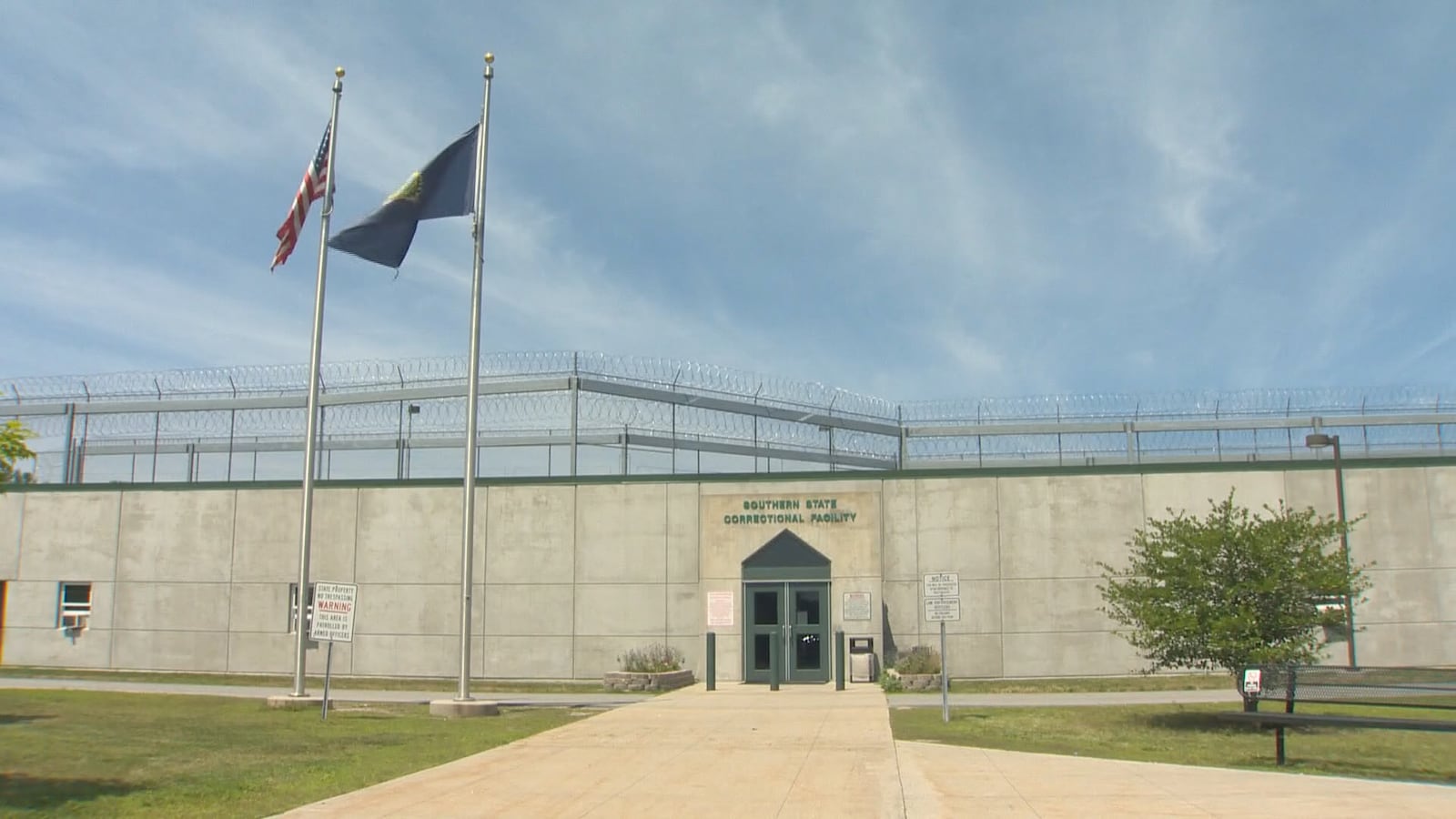
This guide focuses exclusively on the United States Medical Center for Federal Prisoners (MCFP Springfield), the primary federal medical facility located in Springfield, Missouri, serving male inmates with specialized healthcare and psychiatric needs.
As we navigate the fiscal and operational landscape of 2026, the United States Medical Center for Federal Prisoners (MCFP) in Springfield remains a cornerstone of the Federal Bureau of Prisons (BOP) infrastructure. Known colloquially as "Springfield Prison," this facility is not a traditional penitentiary but a high-complexity medical center that integrates maximum-security protocols with tertiary-level healthcare. Situated at 1900 West Sunshine Street, the facility has undergone significant technological and administrative shifts leading into 2026, ensuring compliance with the latest First Step Act enhancements and updated American Correctional Association (ACA) standards for healthcare delivery in carceral settings.
Facility Overview and Security Classifications in 2026
MCFP Springfield is categorized as an administrative security federal medical center. In the BOP hierarchy, "administrative" means the facility houses inmates from all security levels—minimum, low, medium, and high—who require specialized medical or mental health care that cannot be provided in general population settings.
The physical plant of the facility reflects its dual mission. In 2026, the perimeter remains heavily fortified with advanced electronic detection systems, but the interior is divided into specialized "Care Level" units. These units are designed to manage inmates ranging from those who are ambulatory but require chronic care to those who are completely bedbound or require intensive psychiatric stabilization.
The Care Level 4 Designation
MCFP Springfield is one of the few facilities in the federal system designated for Care Level 4 inmates. This classification is reserved for individuals whose medical conditions are so severe that they require constant nursing care or are undergoing complex treatments like chemotherapy or dialysis. In 2026, the facility utilizes AI-integrated monitoring systems to track patient vitals in real-time within these high-acuity units.
Advanced Medical and Psychiatric Services
As an authoritative medical center, MCFP Springfield operates under medical standards comparable to major university hospitals, albeit within a secure environment. The 2026 service catalog for the facility includes several critical specialties:
- Surgical Services: The facility maintains fully equipped operating rooms for orthopedic, general, and vascular surgeries. By 2026, the integration of robotic-assisted surgery for minimally invasive procedures has reduced recovery times for the inmate population, subsequently lowering long-term healthcare costs for the BOP.
- Psychiatric and Mental Health Treatment: Springfield is a primary hub for federal inmates found "not competent to stand trial" or those requiring long-term psychiatric inpatient care. The facility’s Mental Health Step-Down Program has been expanded in 2026 to focus on cognitive-behavioral rehabilitation and forensic evaluations.
- Chronic Care Clinics: These clinics manage prevalent conditions such as diabetes, HIV/AIDS, and hepatitis C using the 2026 National Formulary guidelines, ensuring that inmates receive the latest generation of antiretroviral and antiviral medications.
- End-of-Life and Palliative Care: The facility maintains a dedicated hospice unit, often staffed by inmate orderlies trained in the Compassionate Care program, providing a humane environment for terminally ill prisoners.
Comparative Analysis of Federal Medical Centers (FMCs)
To understand Springfield's role, it is essential to compare it with other facilities in the North Central and Eastern regions. The following table outlines the 2026 operational metrics for the primary federal medical hubs.
| Facility Name | Primary Medical Specialty | Security Level | 2026 Capacity (Approx.) | Specialized Units |
|---|---|---|---|---|
| MCFP Springfield (MO) | Tertiary Care & Forensics | Administrative | 1,100 | Dialysis, Surgery, Oncology |
| FMC Butner (NC) | Oncology & Complex Medicine | Administrative | 950 | Cancer Center, Psych Research |
| FMC Rochester (MN) | Mayo Clinic Partnership | Administrative | 800 | Advanced Diagnostics |
| FMC Devens (MA) | Specialized Psych & Dialysis | Administrative | 1,000 | Sex Offender Treatment Program |
| FMC Carswell (TX) | Female-Only Specialized Care | Administrative | 1,200 | High-Risk Pregnancy, Palliative |
Visitation Guidelines and Security Protocols for 2026
Visitation at MCFP Springfield is a privilege subject to strict regulatory compliance. In 2026, the BOP has transitioned to a digital pre-clearance system that integrates with the National Crime Information Center (NCIC) for real-time background checks of prospective visitors.
The 2026 Visitation Process
- Inmate-Initiated Request: The inmate must add a visitor to their approved list. The visitor must then complete the revised 2026 Form BP-A0629.
- Background Clearance: Security staff conduct a thorough check. This process now typically takes 14-21 days due to the enhanced biometric verification steps implemented this year.
- Scheduling via BOP Portal: Once approved, visitors must schedule their session at least 48 hours in advance through the official BOP website. Walk-in visits are strictly prohibited in 2026 to manage facility density.
- Dress Code and Conduct: Visitors must adhere to the 2026 Dress Code Policy, which prohibits clothing that resembles inmate attire (khakis, scrubs) or anything deemed provocative or a security risk (e.g., hooded sweatshirts or open-toed shoes).
Visitation Hours (Standard 2026 Schedule)
- Saturdays and Sundays: 8:15 AM to 3:00 PM.
- Federal Holidays: 8:15 AM to 3:00 PM.
- Special Medical Visitation: For inmates in the hospice or intensive care units, visitation may be granted on a case-by-case basis by the Warden and Clinical Director outside of standard hours.
Inmate Communication and Financial Management
Communication with inmates at Springfield has been modernized significantly as of 2026. The BOP now utilizes a unified communications platform that includes email, video messaging, and secure tablet access.
Digital Communication Standards
All electronic communication is monitored through the Trust Fund Limited Inmate Computer System (TRULINCS). In 2026, inmates have access to secure tablets for educational content, legal research, and paid messaging services. It is important to note that these tablets do not have open internet access and are restricted to the facility’s internal secure Wi-Fi network.
Sending Funds to Inmates
Families and legal representatives must use the centralized BOP processing center. Funds cannot be sent directly to the Springfield address. As of 2026, the accepted methods are:
- Electronic Transfer: Services such as Western Union or MoneyGram remain the fastest methods, with funds typically appearing in the inmate's commissary account within 2-4 hours.
- United States Postal Service: Money orders must be sent to the Lockbox in Des Moines, Iowa. These require the inmate’s full legal name and eight-digit register number.
Legal and Administrative Challenges: Expert Insight
Navigating the administrative maze of MCFP Springfield requires an understanding of the Administrative Remedy Program. For families concerned about the quality of medical care in 2026, the BOP has streamlined the "informal resolution" process. If an inmate feels their medical needs are not being met according to the 2026 Federal Community Standard of Care, they must first file a BP-8 form.
From a technical SEO and legal strategy perspective, it is crucial to recognize that MCFP Springfield is subject to "Deliberate Indifference" standards under the Eighth Amendment. However, because it is a medical center, the facility is also frequently under the lens of the Joint Commission on Accreditation of Healthcare Organizations (JCAHO). In 2026, legal practitioners often leverage JCAHO audit reports to advocate for compassionate release or medical transfers for their clients.
Frequently Asked Questions
What is the difference between MCFP Springfield and a regular federal prison?
MCFP Springfield is a specialized medical facility that provides hospital-level care for federal inmates while maintaining high-security protocols. Unlike a standard prison, its primary mission is the medical and psychiatric stabilization of the inmate population across all security levels.
Can I send medical supplies or medications to an inmate at Springfield?
No, you cannot send any outside medications or medical supplies directly to an inmate. All medical needs, including prescriptions and durable medical equipment (DME), must be evaluated and provided by the facility’s internal clinical staff according to the BOP National Formulary.
How do I check the status of an inmate’s health at MCFP Springfield?
Due to HIPAA regulations and BOP privacy policies, staff cannot disclose specific medical information to family members without a signed "Release of Information" (ROI) form from the inmate. In 2026, these forms can be updated digitally by the inmate to include specific family members or legal counsel.
Is MCFP Springfield a maximum-security facility?
While it is an administrative facility that houses high-security inmates, it is not exclusively "maximum security." However, it maintains a high-security perimeter and internal controls to safely manage the most dangerous inmates who also require medical intervention.
How has the First Step Act affected Springfield in 2026?
The First Step Act has expanded the criteria for Compassionate Release (Reduction in Sentence), especially for terminal and elderly inmates at Springfield. In 2026, the facility has a dedicated department to process these applications more rapidly than in previous decades.
Are video visits available at MCFP Springfield in 2026?
Yes, video visitation is now a standard service at MCFP Springfield. These visits must be scheduled in advance through the inmate's tablet system and are subject to the same monitoring and conduct rules as in-person visitation.
Summary of 2026 Operational Realities
The United States Medical Center for Federal Prisoners in Springfield remains a highly specialized, complex institution. For those interacting with the facility—whether as a legal professional, a family member, or a vendor—it is imperative to stay updated on the latest 2026 BOP program statements. The shift toward digital integration in communication and the heightened standards in correctional healthcare define the current era of Springfield Prison. Success in navigating this system depends on strict adherence to procedural protocols and an understanding of the facility's dual role as both a federal hospital and a high-security prison.