From a physiological standpoint, a completely painless death is typically achieved when cerebral hypoxia occurs rapidly, leading to a swift loss of consciousness before vital centers in the brainstem fail. Medical science, forensic pathology, and palliative care research indicate that mechanisms causing immediate sensory blockade, rapid drop in blood pressure, or instant disruption of electrical activity in the central nervous system prevent the brain from registering pain signals.
Introduction: Defining Painlessness in Mortality
When individuals search for queries related to the "most painless death," they are generally navigating complex intersections of existential curiosity, scientific inquiry, or clinical management in palliative care. In medical and legal contexts, understanding how the human body experiences the cessation of life requires a rigorous examination of neurology, pharmacology, and physiology.
To resolve initial ambiguity, this discussion strictly approaches the subject from a clinical, scientific, and forensic perspective. It analyzes how different forms of mortality interact with the human nervous system, specifically focusing on the transmission and perception of pain. It does not provide encouragement, instructions, or methods for self-harm. For individuals experiencing distress or thoughts of self-harm, immediate help is available globally through emergency services and dedicated crisis lifelines, such as the 988 Suicide & Crisis Lifeline in the United States and Canada, or local emergency resources worldwide.
In clinical practice, understanding the mechanics of pain-free transitions is paramount for palliative care physicians and hospice teams. The goal of modern end-of-life care is to manage symptoms effectively so that natural death processes remain comfortable, dignified, and entirely free from distress.
The Neurological Basis of Pain Perception
To understand what constitutes a painless death, one must first examine how the human body processes pain. Pain is an intricate sensory and emotional experience generated by specialized sensory receptors known as nociceptors. These receptors detect noxious stimuli—such as mechanical, thermal, or chemical threats—and transmit electrical signals via peripheral nerves to the spinal cord and up to the thalamus and cerebral cortex.
For a person to consciously experience pain, higher-order brain structures, particularly the cerebral cortex, must be functional and capable of processing these incoming signals. If the brain's oxygen supply is cut off abruptly, or if general anesthesia or powerful central nervous system depressants are introduced, this neural processing loop is interrupted.
- Nociception: Peripheral receptors detect tissue damage or chemical changes.
- Transmission: Signals travel along A-delta and C fibers to the dorsal horn of the spinal cord.
- Perception: The thalamus relays signals to the cortex, where conscious awareness of pain occurs.
When death occurs via mechanisms that incapacitate the cerebral cortex before peripheral receptors can transmit signals—or when neural pathways are chemically blocked—the individual does not experience the sensation of pain.
Physiological Mechanisms of Rapid Unconsciousness
The speed at which consciousness is lost dictates whether a dying process is perceived as painful. The human brain consumes roughly 20% of the body's resting oxygen and is exceptionally sensitive to hypoxia (lack of oxygen). When oxygen delivery to the brain ceases entirely or drops below critical thresholds, consciousness is lost within seconds.
Rapid Cerebral Hypoxia
When oxygen is completely removed from the breathing mixture or when blood flow to the brain stops instantaneously, a state of anoxia develops. As blood pressure in the brain drops rapidly, the reticular activating system—the network responsible for maintaining wakefulness—shuts down.
- Timeline: Unconsciousness typically occurs within 5 to 15 seconds of complete cerebral circulatory arrest or acute anoxia.
- Sensation: Individuals may experience a brief feeling of tunnel vision, warmth, or lightheadedness, followed by an immediate blackout before any pain receptors can signal distress.
Hypercapnia vs. Hypoxia
In clinical physiology, the sensation of suffocation (dyspnea) is primarily driven by rising carbon dioxide levels in the blood (hypercapnia) rather than low oxygen levels alone. If a person breathes an inert gas (such as nitrogen or helium) in the absence of oxygen, oxygen is washed out of the lungs and blood, but carbon dioxide continues to be exhaled normally. This prevents the accumulation of hypercapnia, thereby avoiding the suffocating panic and physiological distress typically associated with asphyxiation.
Clinical Perspectives in Palliative Care and End-of-Life Medicine
In medical settings, the alleviation of end-of-life suffering is the primary objective of palliative medicine. When patients face terminal illnesses, modern pharmacology provides precise interventions to ensure that the transition is peaceful and devoid of physical discomfort.
| Clinical Intervention | Primary Mechanism of Action | Physiological Effect |
|---|---|---|
| Opioids (e.g., Morphine) | Binds to mu-opioid receptors | Relieves pain, reduces air hunger |
| Benzodiazepines | Enhances GABA neurotransmission | Reduces anxiety, induces sedation |
| Palliative Sedation | Depresses central nervous system | Induces unconsciousness for pain |
Palliative care protocols utilize tiered pharmacological interventions. By titrating doses of opioids and sedatives, medical professionals can manage refractory symptoms—pain that does not respond to standard treatments—ensuring patient comfort during the final stages of life.
The Role of Palliative Sedation
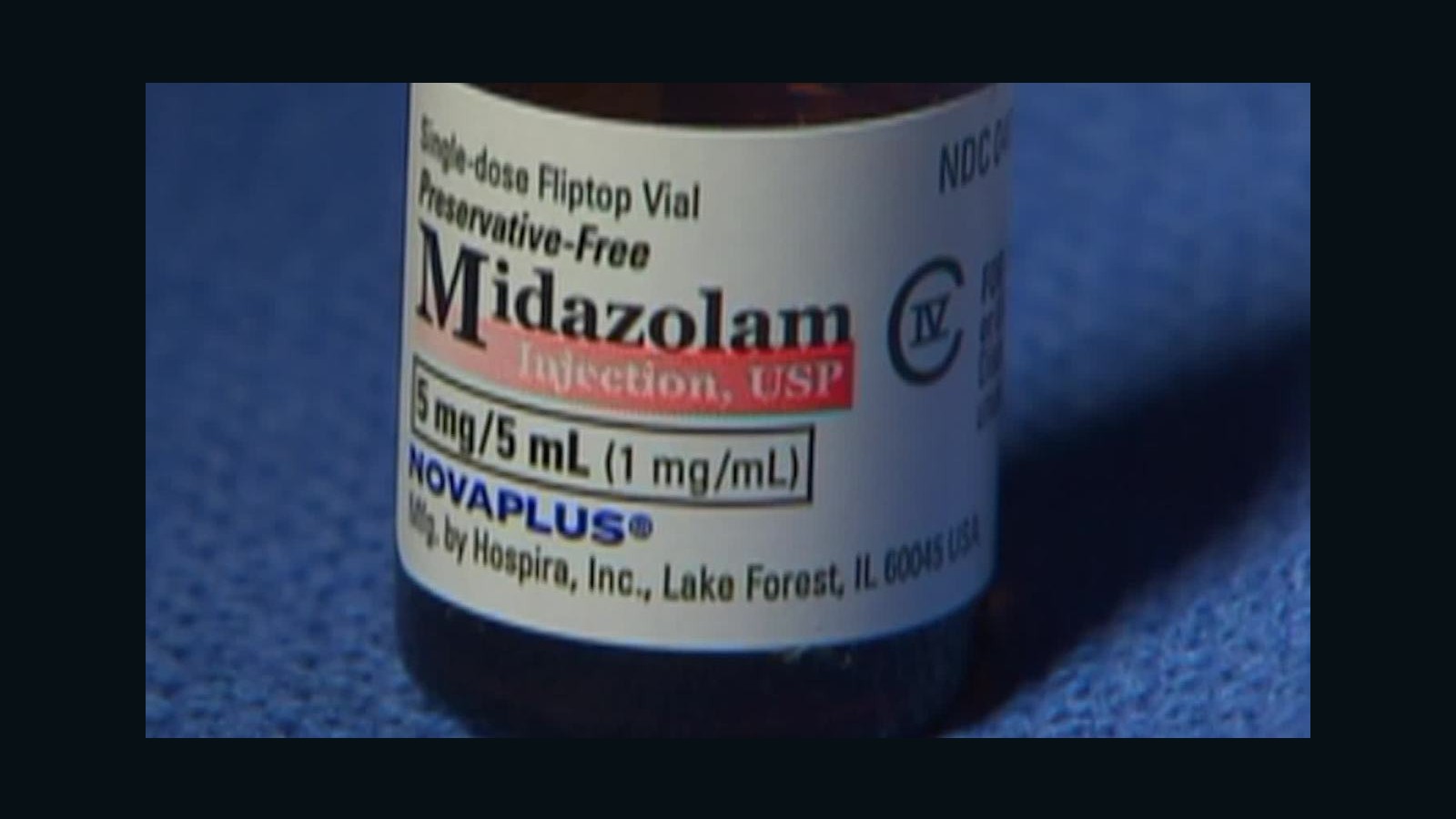
Palliative sedation involves the monitored, intentional lowering of consciousness using medications such as midazolam or propofol for patients with severe, intractable symptoms near the end of life. This practice is distinct from hastening death; its sole clinical intent is to relieve refractory physical or existential distress by rendering the patient unconscious until natural death occurs.
Comparative Analysis of Death Scenarios and Pain Potential
Different causes of mortality interact with human biology in distinct ways. Forensic pathologists and medical examiners evaluate these scenarios based on the speed of central nervous system disruption and the presence or absence of traumatic tissue damage.
- Catastrophic Neurological Trauma: Incidents involving instantaneous destruction of the brainstem or upper cervical spinal cord (such as high-velocity impacts) interrupt neural signaling faster than the nervous system can process. The brain is destroyed before pain signals can reach the cortex.
- Acute Hypoxic Events: Rapid decompression or breathing inert gases in controlled environments leads to immediate fainting due to cerebral ischemia, resulting in an unperceived transition.
- Slow Degenerative Conditions: Terminal illnesses involving gradual organ failure often feature managed pain profiles through continuous pharmacological oversight, shifting the experience from acute physical pain to systemic fatigue.
- Traumatic Asphyxia or Strangulation: Unlike rapid inert gas displacement, mechanical compression of the airway or blood vessels often involves prolonged struggle, panic, and severe physiological distress, making it far from painless.
Frequently Asked Questions
What happens in the brain during a painless death?
When death is painless, the primary event is the rapid shutdown of the cerebral cortex and the reticular activating system. Without functional neural networks to process incoming sensory data, the brain cannot interpret nociceptive signals as pain, resulting in an immediate blackout or loss of awareness.
Is natural death usually painful?
Natural death resulting from old age or managed terminal illness is frequently peaceful. When supported by palliative care, the body gradually shuts down, and vital organs fail sequentially without acute traumatic stress. Pain management protocols ensure that any underlying discomfort is suppressed.
Why do some deaths involve suffering while others do not?
Suffering during the dying process typically occurs when vital organ systems fail slowly while maintaining conscious awareness, or when acute trauma stimulates extensive nociceptive pathways before the central nervous system is incapacitated. Conversely, rapid loss of cerebral blood flow or pharmacological intervention prevents this conscious processing.
How do medical professionals ensure a patient dies without pain?
Hospice and palliative care teams utilize specialized drug regimens, including opioids for pain and dyspnea, alongside sedatives for anxiety and agitation. These medications are carefully adjusted to match the patient's metabolic state, ensuring complete comfort through the final moments.
Practical Next Actions and Support Resources
For those researching this topic due to personal grief, existential distress, or caregiving responsibilities, understanding the clinical realities of end-of-life care can offer significant reassurance. Professional palliative care teams are specially trained to navigate these complexities, ensuring that patients experience dignity, comfort, and comprehensive symptom relief.
If you or someone you know is going through a difficult emotional period or having thoughts of self-harm, please reach out for immediate professional support. Confidential assistance is available across the globe through emergency services, local healthcare providers, and specialized crisis hotlines operating 24 hours a day, 7 days a week.