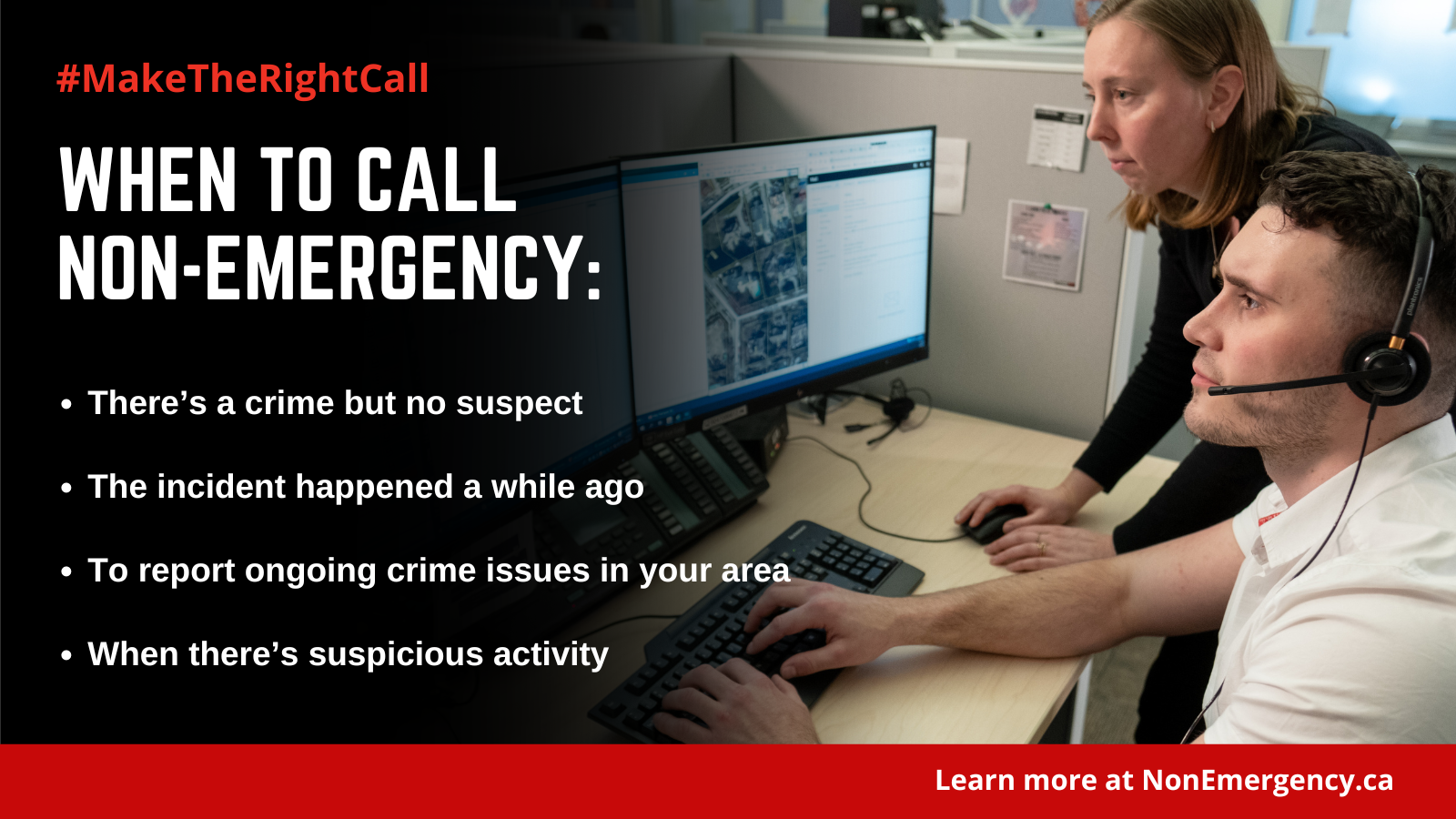
Navigating municipal public safety resources effectively requires knowing when and how to contact the correct authorities without overloading critical emergency lines. For residents and visitors in Florida's capital city, understanding the operational boundaries of the Tallahassee Police Department (TPD) non-emergency infrastructure ensures that urgent community concerns receive proper attention while keeping emergency channels clear for life-threatening situations. This guide outlines the exact contact numbers, digital reporting protocols, procedural workflows, and operational standards for managing non-emergency police interactions in Tallahassee throughout 2026.
Official Contact Channels for Tallahassee Non-Emergency Services
Reaching the correct desk at the Tallahassee Police Department depends on whether you require an immediate dispatch for a suspicious incident or wish to file a retrospective report for property damage. Utilizing the dedicated non-emergency telephone pathways prevents unnecessary queue congestion at the Leon County Public Safety Communications center.
- Primary Non-Emergency Dispatch Line: Call (850) 606-5800 for live dispatch assistance regarding active non-violent disturbances, noise complaints, or suspicious activities that do not require an immediate lights-and-sirens response.
- Tallahassee Police Department Headquarters: Located at 235 East Pensacola Street, Tallahassee, FL 32301, the main administrative office handles records requests, fingerprinting appointments, and community liaison inquiries during standard business hours (Monday through Friday, 8:00 AM to 5:00 PM).
- Leon County Sheriff's Office (LCSO) Non-Emergency: For incidents occurring outside the Tallahassee city limits within unincorporated Leon County, dial (850) 606-3300 to reach county deputies.
- Online Citizen Reporting Portal: Accessible 24/7 via the official City of Tallahassee web portal, allowing victims of minor property crimes to submit electronic documentation without waiting for an officer dispatch.
Critical Distinction: Emergency Versus Non-Emergency Protocols
Misusing emergency dispatch infrastructure strains public safety resources and can delay emergency responses for critical medical crises or violent felonies in progress. Understanding the operational threshold separating 911 from the TPD non-emergency line remains vital for every citizen.
Emergency services via 911 are strictly reserved for situations involving imminent threat to life, active physical violence, medical emergencies, fires, or crimes currently in progress where a suspect is still on the scene. Conversely, the non-emergency pipeline handles situations where the suspect has departed, evidence collection is not immediately time-sensitive, or the incident involves property loss without physical confrontation.
Operational Safety Reminder If an escalating verbal dispute shows any indication of turning physical, or if an intruder is actively attempting to breach a residential structure, immediately bypass the non-emergency line and dial 911. Public safety dispatchers prioritize active threats instantly.
Step-by-Step Guide to Filing an Online or Phone Report
When a crime occurs without an active suspect present, citizens can utilize standardized reporting frameworks provided by TPD. Proper preparation minimizes processing delays and accelerates insurance or investigative follow-ups.
- Verify Incident Jurisdiction: Confirm that the incident occurred strictly within the Tallahassee city limits rather than unincorporated Leon County to ensure your case routes directly to TPD rather than the Sheriff's Office.
- Gather Preliminary Documentation: Compile all relevant details, including exact timestamps, precise geographic locations or cross-streets, item serial numbers, vehicle license plate data, and photographic evidence if applicable.
- Choose Your Reporting Medium: Select the online reporting portal for minor thefts, vandalism, or vehicle burglaries where the total loss is under specified monetary limits, or call the non-emergency line to speak with a call-taker directly.
- Obtain and Secure Your Case Number: Upon completing the report submission, the intake officer or automated portal will issue a unique incident case number. Record this number immediately for your personal records, insurance claims, and future status inquiries.
Comparative Analysis of Tallahassee Law Enforcement Contact Options
Different public safety agencies service the greater Tallahassee region. Selecting the appropriate agency prevents jurisdictional disputes and ensures your report reaches the investigative unit best equipped to handle the matter.
| Agency Name | Primary Jurisdiction | Non-Emergency Contact Number | Primary Services Provided |
|---|---|---|---|
| Tallahassee Police Department | Within Tallahassee City Limits | (850) 606-5800 | City-wide crime reporting, traffic enforcement, neighborhood patrols, local code enforcement support. |
| Leon County Sheriff's Office | Unincorporated Leon County | (850) 606-3300 | County-wide rural patrols, civil process service, county detention facility management. |
| Florida Highway Patrol (FHP) Troop H | State Roads and Interstate Highways | (850) 617-2300 | Traffic crash investigations on I-10, US highways, and state-maintained roadways within Leon County. |
| Florida State University Police | FSU Campus and Designated Properties | (850) 644-1233 | Campus safety enforcement, student escorts, university property crime investigations. |
Practical Pros and Cons of Utilizing Online Reporting Portals
The digitalization of municipal policing has introduced streamlined avenues for reporting minor offenses. Evaluating the advantages and limitations of digital reporting helps citizens choose the most effective path for their specific situation.
- Pros of Online Reporting:
- Available 24 hours a day, 7 days a week, removing the need to wait on telephone hold queues.
- Eliminates the requirement to wait at a crime scene for an on-duty patrol officer to arrive.
- Provides immediate generation of official case numbers for insurance claims and financial restitution.
- Allows direct digital uploading of photographs, receipts, and documentary evidence.
- Cons of Online Reporting:
- Inapplicable if there are known suspects, active physical evidence requiring forensic collection, or ongoing threats.
- Does not result in an immediate in-person police interview or face-to-face consultation.
- Restricted to specific qualifying misdemeanor offense categories defined by department policy.
Frequently Asked Questions Regarding Tallahassee Non-Emergency Services
What criteria determine if an incident qualifies for the Tallahassee non-emergency line?
An incident qualifies for the non-emergency line if there is no immediate danger to life or property, no suspect is currently on the scene, and the crime has already concluded. Examples include delayed property thefts, minor vehicle accidents without injuries, and noise disturbances.
Can I use the online reporting system if my stolen property has a known suspect?
No, online reporting is restricted to cases with unknown suspects. If you know the identity or location of the suspect, you must call the non-emergency dispatch line at (850) 606-5800 to speak with an officer.
How do I obtain a copy of an official police report filed in Tallahassee?
Official police reports can be requested through the Tallahassee Police Department Records Section by submitting a formal public records request online or visiting the downtown headquarters in person. Processing times typically range from three to five business days.
What should I do if I witness illegal dumping or chronic code violations in my neighborhood?
Chronic code violations, illegal dumping, and zoning infractions within city limits should be directed to the City of Tallahassee Code Enforcement division or submitted via the digital "Talk Tallahassee" municipal application rather than emergency or non-emergency police lines.
Is the Tallahassee non-emergency line operational 24 hours a day?
Yes, the Tallahassee non-emergency telephone dispatch center operates continuously, 24 hours a day, 365 days a year, to handle incoming citizen communications and routine service requests.
Conclusion and Next Steps
Securing assistance for non-urgent municipal safety matters in Tallahassee requires understanding the distinction between dispatch pipelines and utilizing the correct communication channels. Whether you submit an electronic report through the city's digital portal or call the non-emergency dispatch desk at (850) 606-5800, having your detailed records prepared ensures efficient processing by law enforcement personnel. For ongoing updates regarding public safety initiatives and local community outreach programs, consult the official City of Tallahassee municipal web portal.